Development economics and emerging markets
Books on why some countries stay poor and others grow, covering aid, microfinance, institutions, poverty measurement and investing in emerging markets.
Start here
- The Volatility Machine: Emerging Economies and the Threat of Financial CollapseMichael Pettis, 2001
- Bad SamaritansHa-Joon Chang, 2007
- The Bottom BillionPaul Collier, 2007
- Escaping the Resource CurseMacartan Humphreys, Jeffrey D. Sachs, Joseph E. Stiglitz, 2007
- The Emerging Markets CenturyAntoine van Agtmael, 2007
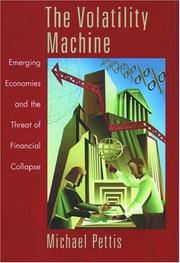
Emerging-market crises come from the structure of national balance sheets.
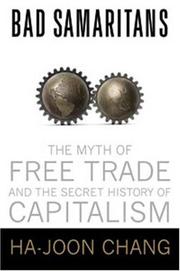
Rich countries urge poor ones to adopt the opposite of the policies they once used.

Why about sixty poor countries are stuck, caught in traps such as conflict.
Norway is the counterexample the whole volume is arranged around.
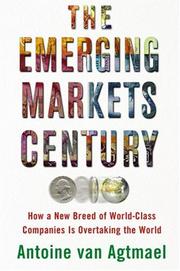
By the man who coined the term 'emerging markets'; the case for world-class EM operating companies.
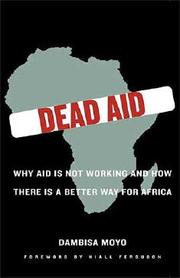
Polemical, but the case for bond-market financing over aid is argued in investor terms.
Sceptical audit of what microfinance evidence actually supports.

The argument that the risk is mispriced in the developed world, not the emerging one.
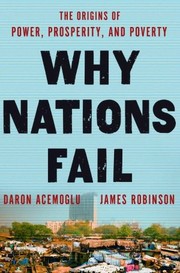
Nations prosper under inclusive institutions and stagnate under extractive ones.
Recommended by: Bill Gates, Mohnish Pabrai, Mark Zuckerberg and 3 others
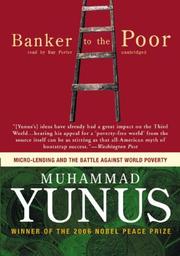
How $27 lent to 42 villagers grew into Grameen Bank and microcredit.
Recommended by: Mohnish Pabrai, The Barefoot Investor
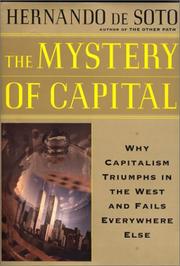
The poor hold assets but lack the property records that turn them into capital.
Recommended by: Mohnish Pabrai, Marc Andreessen

Why foreign aid, investment and other remedies failed to make tropical nations rich.
Recommended by: Mohnish Pabrai

How companies can serve the world's poor profitably and reduce poverty in doing so.
Recommended by: Mohnish Pabrai
Sector-level explanation of why productivity differs so much between countries
“on how technology-driven productivity growth improves human welfare and creates more jobs and higher wages” — Marc Andreessen
Source: @pmarca, companion thread to 'It's Time to Build'
Recommended by: Marc Andreessen, Patrick Collison

The theory behind microfinance methods such as group lending, and their effects.
Recommended by: Brian Armstrong
Recommended by: Mohnish Pabrai, Bill Gates

Recommended by: Bill Gates
Year-long financial diaries of poor households show how they manage money.
Recommended by: Mark Zuckerberg

A memoir of moving from international banking to founding Acumen, an impact investor.
Recommended by: Mohnish Pabrai

Recommended by: Bill Gates, Mohnish Pabrai
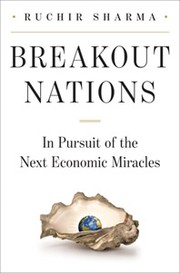
Why emerging economies will not all keep converging, and tests for which can grow.
Recommended by: Mohnish Pabrai
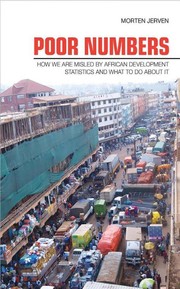
Ghana's 2010 GDP rebasing is the central case; read before trusting any African macro series.
Recommended by: Bill Gates
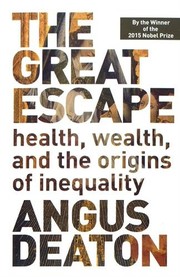
Recommended by: Bill Gates, Patrick Collison

Living standards rise through learning, and how policy can make economies learn.
“For a wonderful book that builds on Arrow's research, see Joseph E. Stiglitz and Bruce C. Greenwald, Creating A Learning Society” — Michael Mauboussin
Recommended by: Michael Mauboussin

Ten rules for judging whether a country's economy will rise or fall.
Recommended by: Patrick Collison
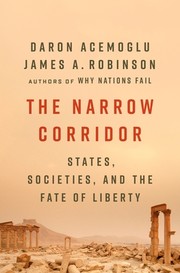
Why liberty is hard to win and keep, and how it can survive new threats.
Recommended by: Satya Nadella


Jeffrey Sachs's ambitious quest to end global poverty, followed on the ground.
Recommended by: Bill Gates
 Joseph E. Stiglitzwrote 2 books here
 Clayton Christensenwrote 1 book here
 Jacqueline Novogratzwrote 1 book here
 Mohnish Pabrairecommends 9 books here
 Bill Gatesrecommends 8 books here
 Patrick Collisonrecommends 3 books here
 Marc Andreessenrecommends 2 books here
 Mark Zuckerbergrecommends 2 books here
 Ray Daliorecommends 1 book here
 Tyler Cowenrecommends 1 book here
 Brian Armstrongrecommends 1 book here
 Satya Nadellarecommends 1 book here
 Trevor Ncuberecommends 1 book here