
Sub-Saharan Africa
For most African countries the regional books are the country literature, so this is the entry to read first. It spans the resource-extraction deal machinery, the operating-company view and the reliability of the data itself.
Start here
- The Fate of AfricaMartin Meredith, 2004
- The Bottom BillionPaul Collier, 2007
- The Looting MachineTom Burgis, 2015
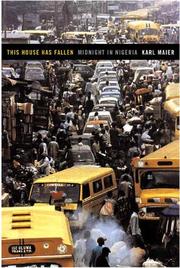
Nigeria, Africa's most populous nation, and why things are going badly there.
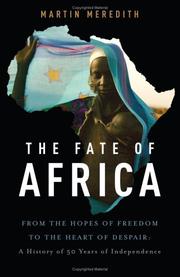
Africa from independence to the present, country by country.
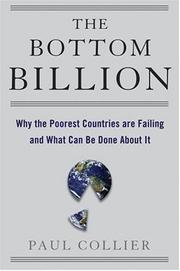
Why about sixty poor countries are stuck, caught in traps such as conflict.
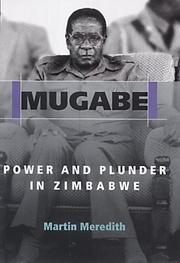
How Mugabe's Zimbabwe used land seizures and money-printing to hold power.
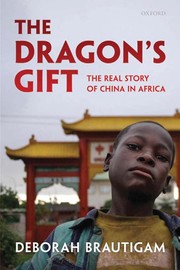
What China actually does in Africa, from field research, against Western myths.
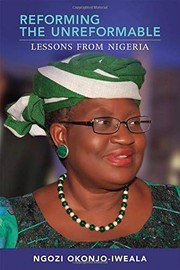
Nigeria's reforms: cutting $30 billion of debt, fighting corruption, restructuring.
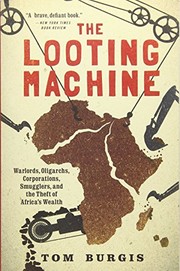
How Africa's oil and minerals are extracted in ways that leave its people poorer.
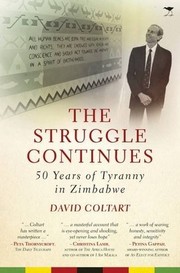
Zimbabwe's history from Rhodesia's 1965 break to Mugabe, by a lawyer and MP.
How South Africa's state was captured, traced through procurement documents.
A challenge to donor orthodoxy on how African economies should develop.
Eskom's former chief executive on why South Africa's power supply can't be fixed.
Trans-Saharan gold and salt trade; the medieval West African economy
“Bovill, The Golden Trade of the Moors” — Paul Graham
Source: Rarely-Asked Questions — paulgraham.com
Recommended by: Paul Graham
The Rawlings structural adjustment, the reference case for African reform.

Cocoa supply chain and child labour behind confectionery majors.
Polemical, but the case for bond-market financing over aid is argued in investor terms.
Whistleblower's account of the Anglo Leasing procurement scandals; essential country risk reading.
Recommended by: Patrick Collison
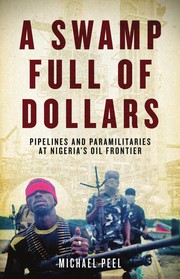
The Niger Delta oil economy reported at ground level.
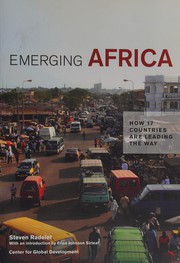
Ghana as lead exhibit in the case for African growth turnarounds.
Ten years of field data on what actually happened to seized farmland.
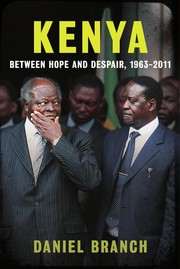
Ethnic coalition politics as the mechanism that allocates economic rents.
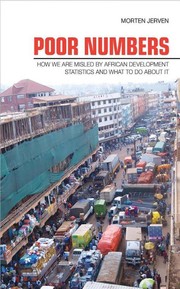
Ghana's 2010 GDP rebasing is the central case; read before trusting any African macro series.
Recommended by: Bill Gates
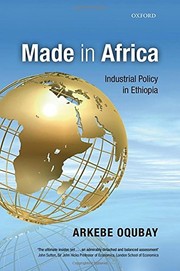
Insider account of the cement, floriculture and leather sectors by the official who ran the policy.
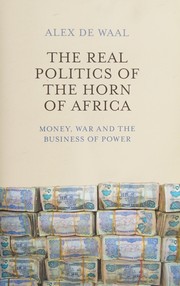
The 'political marketplace' framework: how loyalty is priced and paid for in the region.
How donor money underwrote the EPRDF developmental state.
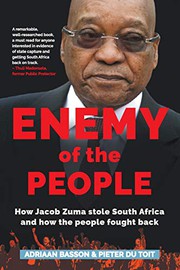
The Zuma years assembled into a single narrative of capture.
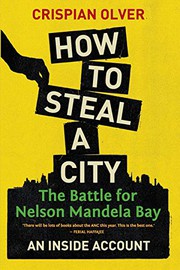
Municipal tender corruption reconstructed from the inside.
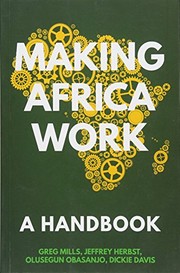
Operator-facing handbook on governance and growth constraints across the continent.
The state-capture network and how state enterprises were monetised.
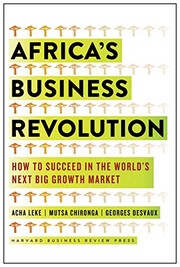
McKinsey survey of operating companies; Ghana appears among the consumer-market cases.
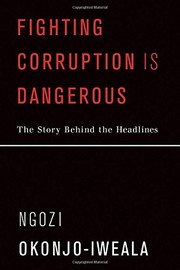
The same author on what happened when the reforms were resisted.
Procurement capture inside the governing party.
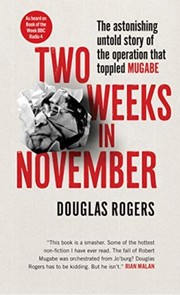
The 2017 coup reported from inside, including its business backers.
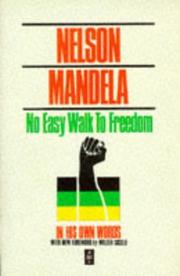
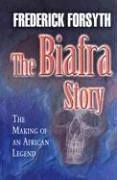
Recommended by: Mohnish Pabrai
Dated but the clearest treatment of the settler-to-Kenyan capital handover.
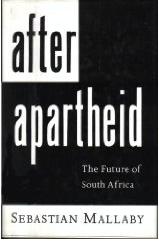
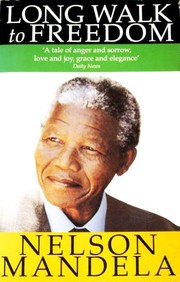
Nelson Mandela's own story, from childhood to prison and the end of apartheid.
Recommended by: Mohnish Pabrai, Richard Branson
Recommended by: Richard Branson
Recommended by: Patrick Collison


Recommended by: Diana Kimball
Fixers, traders and middlemen in the oil trade.
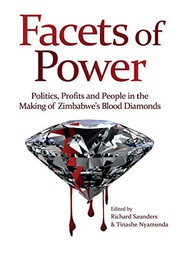
The Marange diamond fields; how an extractive rent was captured militarily.


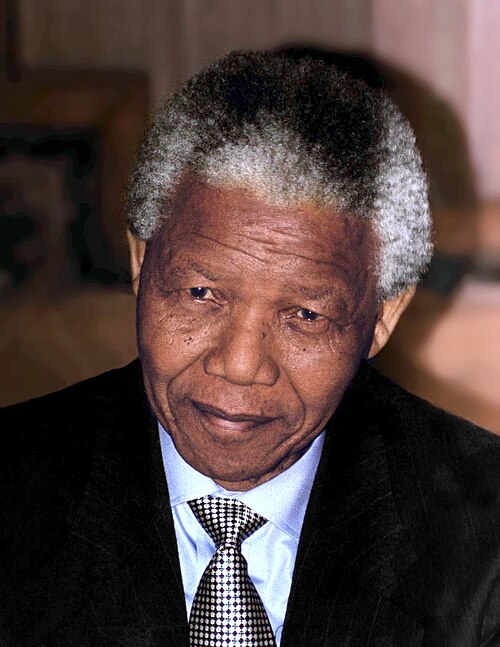 Nelson Mandelawrote 2 books here
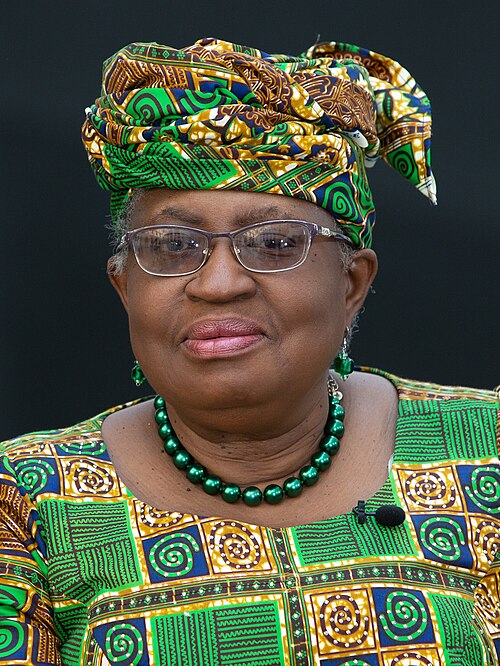 Ngozi Okonjo-Iwealawrote 2 books here
 Patrick Collisonrecommends 6 books here
 Mohnish Pabrairecommends 2 books here
 Richard Bransonrecommends 2 books here
 Paul Grahamrecommends 1 book here
 Bill Gatesrecommends 1 book here
 Cynthia Johnsonrecommends 1 book here