Corporate Fraud and Accounting Scandals
Frauds recur in a small number of forms: revenue recognised before it is earned, expenses capitalised onto the balance sheet, liabilities parked in entities that are not consolidated, related-party dealings hidden from the board, and assets that do not exist. They grow where a founder's claims run ahead of the results, where auditors are paid by the people they check, and where nobody independently confirms the cash. Reading this literature teaches the mechanics well enough to spot them in filings, and it teaches how long a fraud can run while professionals sign off. The cases here span a century, from Ivar Kreuger's match monopoly and the salad oil tanks of 1963 to Enron's special purpose entities, Madoff's fabricated statements, 1MDB, Steinhoff, Theranos and the 1.9 billion euro that never existed at Wirecard.
Start here
- Bad Blood: Secrets and Lies in a Silicon Valley StartupJohn Carreyrou, 2018
- The Smartest Guys in the Room: The Amazing Rise and Scandalous Fall of EnronPeter Elkind, 2003
- Financial ShenanigansHoward M. Schilit, Jeremy Perler, 1993
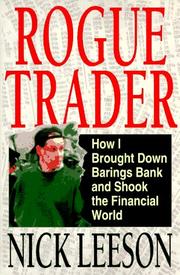
How one trader's hidden losses in Singapore brought down Barings Bank.

How Bernie Madoff's fraud began, how it ran for decades, and how it collapsed.
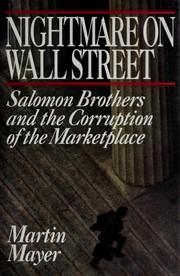
Salomon Brothers' 1991 Treasury auction scandal and its near-destruction.

How one trader's losses destroyed Barings, Britain's oldest merchant bank, in 1995.
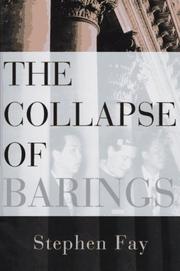
How losses in its Singapore futures unit destroyed Barings Bank in February 1995.
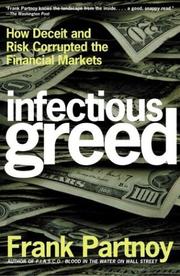
How finance used complexity to hide risk from the 1980s through Enron.

A nine-year effort to convince the SEC that Bernard Madoff was a fraud.
The Australian banking misconduct that led to the 2018 Royal Commission.

Pulitzer-winning account of the warehousing fraud that nearly broke Amex.
Recommended by: Mohnish Pabrai

Prosecution-side polemic; the angriest book on the shelf.
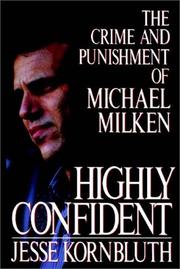
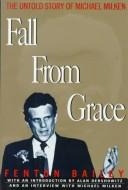
Sympathetic; written with access to Milken's circle.
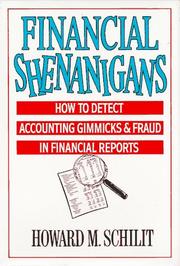
The tricks companies use to inflate earnings, cash flow and key metrics, by case.
“Some of my favorites include Howard M. Schilit and Jeremy Perler, Financial Shenanigans” — Michael Mauboussin
Source: Thirty Years: Reflections on the Ten Attributes of Great Investors (Credit Suisse)
Recommended by: Michael Mauboussin, Anu Hariharan

By a former Barings Tokyo employee.

The revisionist defense case.
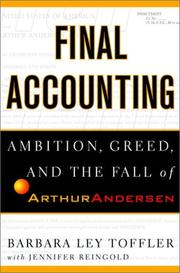
An Andersen partner on how consulting revenue corroded audit.
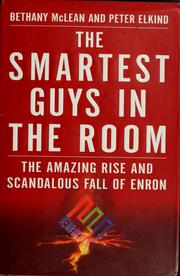
How Enron used mark-to-market accounting and hidden deals until its 2001 bankruptcy.
Recommended by: Andrew Wilkinson, Mohnish Pabrai and 1 other
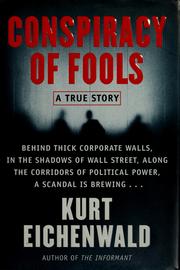
Enron's collapse told scene by scene from depositions, emails and interviews.
Recommended by: Mohnish Pabrai
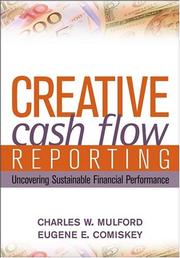
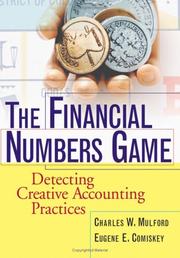
How operating cash flow itself gets dressed up.
Recommended by: Mohnish Pabrai
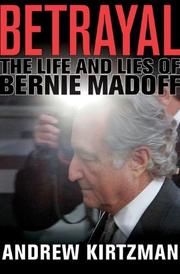
Fast first draft, published months after the arrest.

How Ivar Kreuger built a 1920s match monopoly, and the forgeries found at his death.
Recommended by: Mohnish Pabrai

By the reporter who publicly questioned the returns in 2001.

The only book-length account of Brian Hunter's gas book.
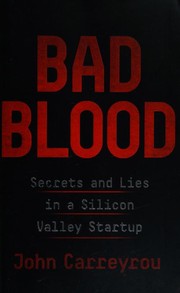
How Theranos reached a $9 billion value with blood tests that never worked.
Recommended by: Alfred Lin, Bill Gates, Andrew Chen and 7 others

How Jho Low diverted billions from Malaysia's 1MDB fund into parties and politics.
Recommended by: Alexis Ohanian, Alfred Lin and 5 others
Steinhoff: the largest accounting fraud in South African corporate history.

Built on prison correspondence and interviews.
A reporter's six-year investigation of Wirecard until its missing cash sank it.
The Greensill supply-chain funds that Credit Suisse distributed.
Closest book coverage: Archegos as the loss that broke Credit Suisse.
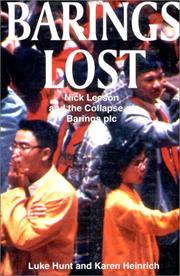
Reported from Singapore.

A portrait of Bernie Madoff the man, and how he ran his fraud.

Weak securities enforcement and what it costs minority shareholders.

The Libor rigging scandal told through the traders who ran it
“saga of global financial market manipulation, at mind-boggling scale and hiding in plain sight” — Marc Andreessen
Source: @pmarca, 'Thread: Books I've recently read and recommend'
Recommended by: Marc Andreessen
 Bethany McLeanwrote 1 book here
 Mohnish Pabrairecommends 5 books here
 Alfred Linrecommends 2 books here
 Bill Gatesrecommends 2 books here
 Marc Andreessenrecommends 1 book here
 Warren Buffettrecommends 1 book here
 David Heinemeier Hanssonrecommends 1 book here
 Alexis Ohanianrecommends 1 book here
