
companyConsumer goods
WhatsApp is an end-to-end encrypted mobile messaging app that lets users send messages free of charge. Acquired by Facebook in 2014, more than 2 billion people in over 180 countries now use WhatsApp to stay in touch.
| Polen Capital | 1 | 2026–2026 | ||
| Sequoia Capital | 0 | Acquired |
| Polen Focus Growth Q3 2026 Commentary | Dan Davidowitz and Damon Ficklin report that Polen Focus Growth returned 4.46% net in the third quarter of 2026 against 0.92% for the Russell 1000 Growth as software stocks such as ServiceNow recovered from AI-disruption fears, and they bought Adyen, ASML, Quanta Services and Seagate Technology while selling MSCI and Rollins. | Polen Capital | Polen Capital | Q3 2026 |
With more than 3 billion daily active users across Facebook, Instagram, and WhatsApp, the team believes Meta has a powerful distribution advantage and the potential to create new revenue opportunities across subscriptions, transactions, and agentic consumer use cases.Show in the letter ›
Polen Focus Growth Q3 2026 Commentary · Polen Capital · Q3 2026
- Brian Acton · Founder
- Jan Koum · Founder
BE
Benedict Evansnamed it in 4 articles Marc Andreessennamed it in 1 interview“but also WhatsApp co-founder Jan Koum; Cameron and Tyler Winklevoss, who run the cryptocurrency exchange Gemini; VCs such as Shaun Maguire, David Sacks, and Chamath Palihapitiya; Palantir co-founder Joe Lonsdale; Oculus and Anduril founder Palmer Luckey; hedge fund manager Bill Ackman; and today’s Honestly guest, one of the world’s most influential investors and the man responsible for bringing the internet to the masses—Marc Andreessen.” — Marc Andreessen on AI, Tech, Censorship and Dining With Trump (Honestly with Bari Weiss, 2024)
 David Heinemeier Hanssonnamed it in 1 interview“Actually engage with your customers over WhatsApp, SMS and iMessage.” — Scaling Basecamp to Millions in Revenue With David Heinemeier Hansson (ScaleUp & Up, 2024)
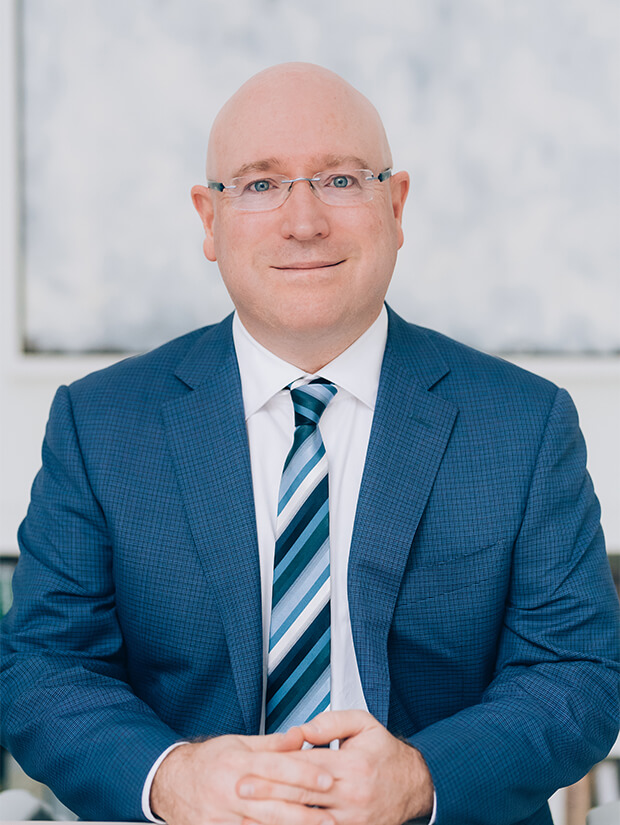 Francois Rochonnamed it in 1 interview“Meta Platforms (META, 572,21$US), qui possède entre autres les réseaux sociaux Facebook, Instagram et WhatsApp, a notamment dévoilé le 30 avril des résultats largement supérieurs aux prévisions pour les trois premiers mois de 2025.” — Bourse: le point sur Meta Platforms, l'erreur Microsoft et Booking avec François Rochon (Gestionnaires en action Podcast, 2025)
 Antonio García Martíneznamed it in 1 interview“Antonio argues that WhatsApp is “the perfect foil to Facebook” but that it is still a distribution platform for fake news.” — Social Media, Journalism, and New Religions with Antonio Garcia Martinez and Parker Thompson (Village Global Podcast, 2019)
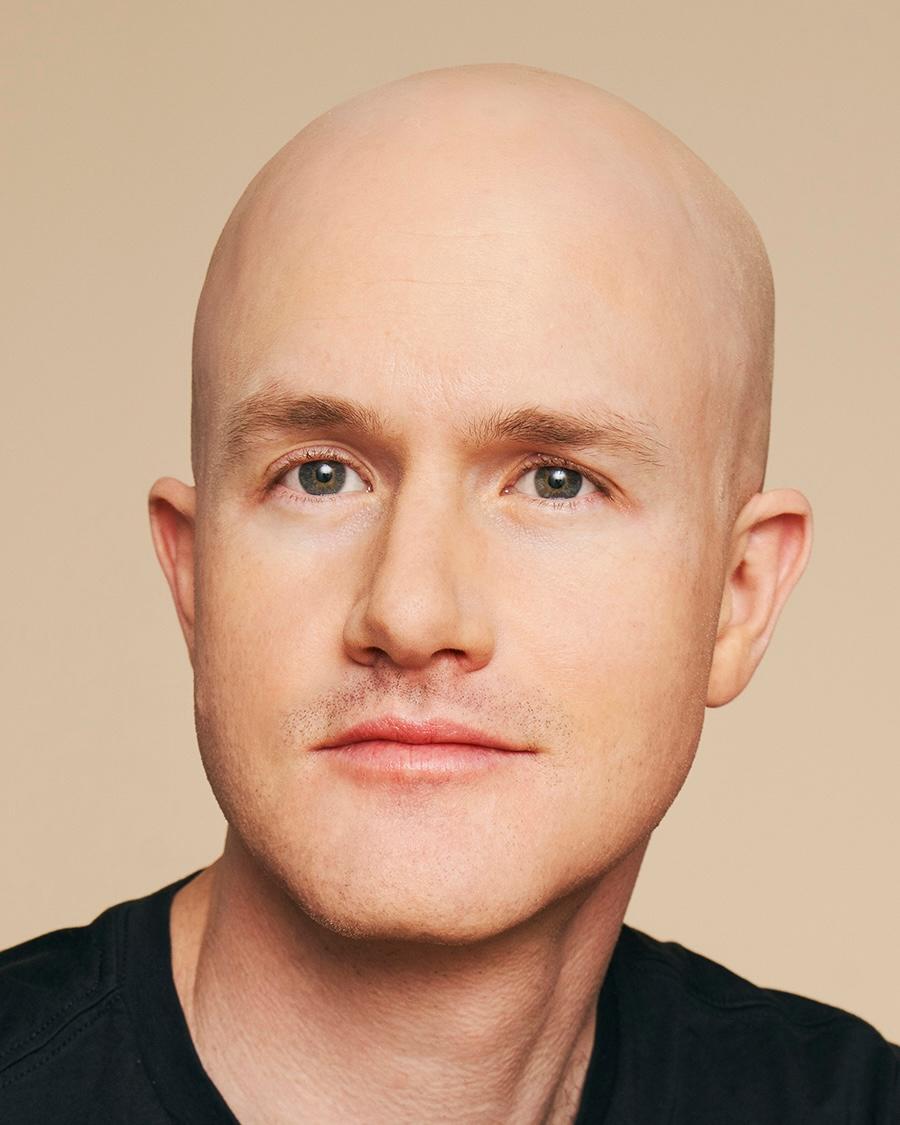 Brian Armstrongnamed it in 1 article
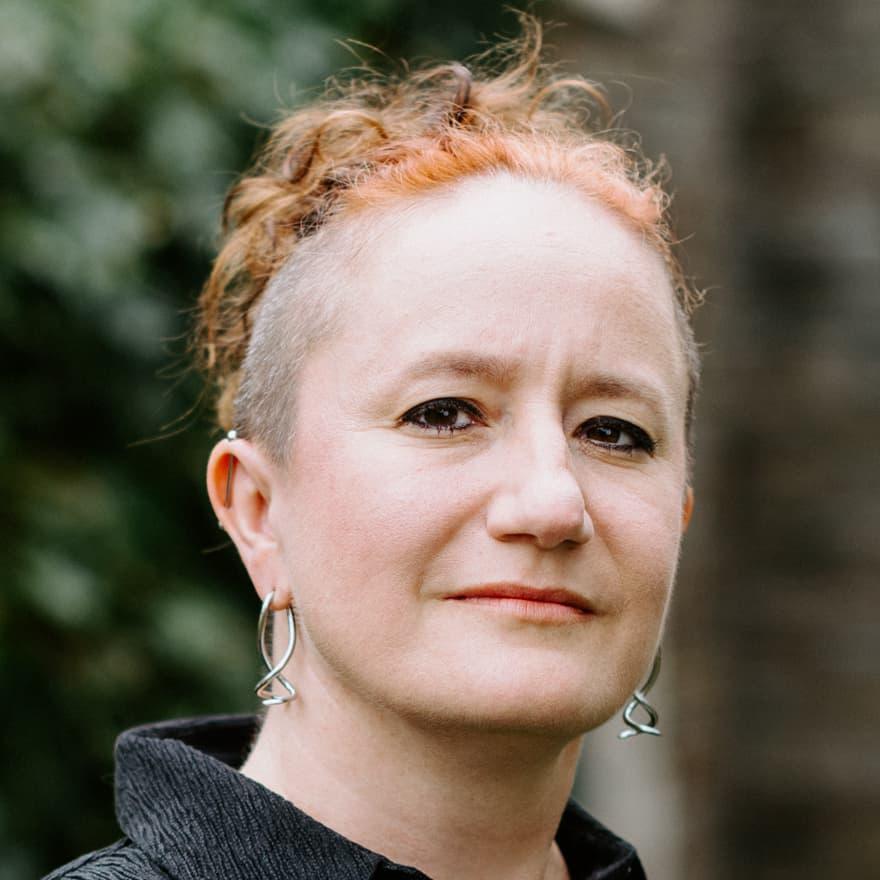 Danah Boydnamed it in 1 article
 Guido Appenzellernamed it in 1 interview“Instabase founder and CEO Anant Bhardwaj joins a16z Infra partner Guido Appenzeller to discuss the revolutionary impact of LLMs on analyzing unstructured data and documents (like letting banks verify identity and approve loans via WhatsApp) and shares his vision for how AI agents could take things even further (by automating actions based on those documents).” — Giving New Life to Unstructured Data with LLMs and Agents (AI + a16z, 2025)
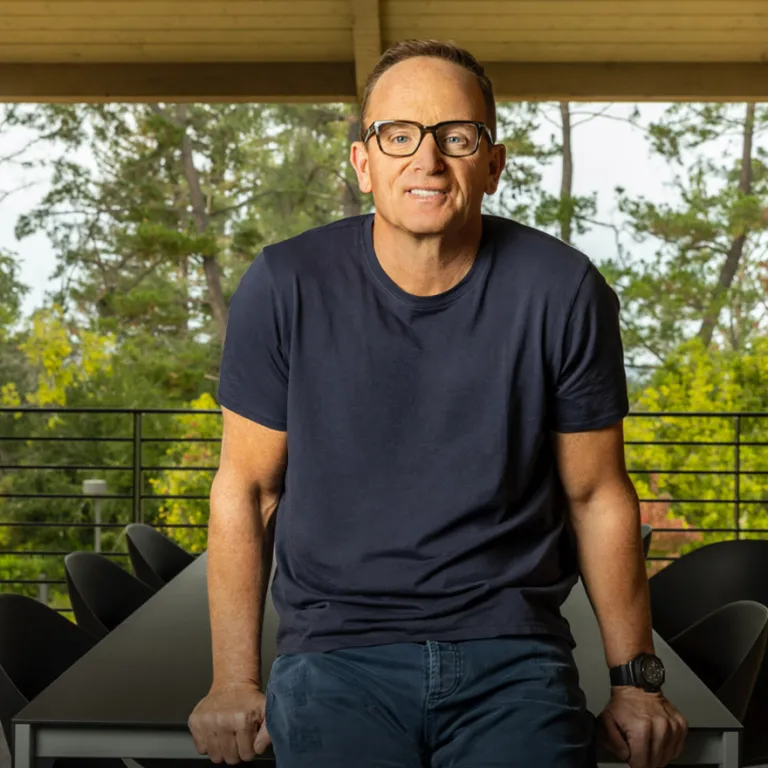 Jim Goetznamed it in 1 interview“Pat Grady is a Partner @ Sequoia , one of the world's leading and most renowned venture firms with a portfolio including WhatsApp, Zoom, Stripe, Airbnb, Github and many more incredible companies.” — 20VC: Sequoia's Pat Grady on What Sequoia Is Focused On Today, How Sequoia Think About Investment Decision-Making Processes & Why It Is Important To Trade A Few Points of Efficiency for Culture When It Comes To Attribution (The Twenty Minute VC (20VC): Venture Capital | Startup Funding | The Pitch, 2019)
JS
Julian Shapironamed it in 1 interview“He also wrote the growth marketing column at TechCrunch, was CMO at Webflow, and even created an animation engine called Velocity that’s now used in apps like Uber and WhatsApp.” — Growth tactics, retention strategies, and becoming a better writer | Julian Shapiro (Demand Curve, Hyper, Webflow, TechCrunch) (Lenny's Podcast: Product | Career | Growth, 2022) Noah Kagannamed it in 1 interview“Actually engage with your customers over WhatsApp, SMS and iMessage.” — From Fired By Zuck To $100 Million - Noah Kagan Interview (ScaleUp & Up, 2024)
 Pat Gradynamed it in 1 interview“Pat Grady is a Partner @ Sequoia , one of the world's leading and most renowned venture firms with a portfolio including WhatsApp, Zoom, Stripe, Airbnb, Github and many more incredible companies.” — 20VC: Sequoia's Pat Grady on What Sequoia Is Focused On Today, How Sequoia Think About Investment Decision-Making Processes & Why It Is Important To Trade A Few Points of Efficiency for Culture When It Comes To Attribution (The Twenty Minute VC (20VC): Venture Capital | Startup Funding | The Pitch, 2019)
| Giving New Life to Unstructured Data with LLMs and Agents | Guido Appenzeller | AI + a16z | 2025-06-06 | Instabase founder and CEO Anant Bhardwaj joins a16z Infra partner Guido Appenzeller to discuss the revolutionary impact of LLMs on analyzing unstructured data and documents (like letting banks verify identity and approve loans via WhatsApp) and shares his vision for how AI agents could take things even further (by automating actions based on those documents). In more detail, they discuss: Why legacy robotic process automation (RPA) struggles with unstructured inputs. How Instabase developed layout-aware models to extract insights from PDFs and complex documents. Why predictability, not perfection, is the key metric for generative AI in the enterprise. The growing role of AI agents at compile time (not runtime). A vision for decentralized, federated AI systems that scale automation across complex workflows. Follow everyone on X: Anant Bhardwaj Guido Appenzeller Check out everything a16z is doing with artificial intelligence here , including articles, projects, and more podcasts. Hosted by Simplecast, an AdsWizz company. See pcm.adswizz.com for information about our collection and use of personal data for advertising. | |
| Bourse: le point sur Meta Platforms, l'erreur Microsoft et Booking avec François Rochon | Francois Rochon | Gestionnaires en action Podcast | 2025-05-02 | 7 min | GESTIONNAIRES EN ACTION. La saison des résultats financiers des grandes entreprises technologiques américaines a réservé de belles surprises aux investisseurs cette semaine. Meta Platforms (META, 572,21$US), qui possède entre autres les réseaux sociaux Facebook, Instagram et WhatsApp, a notamment dévoilé le 30 avril des résultats largement supérieurs aux prévisions pour les trois premiers mois de 2025. Le 1er mai, le titre a bien réagi en terminant la séance en hausse de plus de 4%. François Rochon, président et gestionnaire de portefeuille chez Giverny Capital, et actionnaire de Meta Platforms, confirme que les résultats étaient très bons. «Les revenus ont augmenté de 16% sur un an. Les marges bénéficiaires ont été mieux que prévu», dit-il, soulignant que les résultats de la période correspondante l’an dernier avaient été «extraordinaires», et qu’il était difficile de penser qu’elle allait pouvoir maintenir une telle rentabilité. «Mais elle y est parvenue», résume-t-il. Les prévisions pour le second trimestre ont aussi excédé les attentes. Meta Platforms s’attend à ce que ses revenus se situent entre 42,5 et 45,5 milliards de dollars américains durant la période. «La société pense pouvoir offrir de bons résultats durant le trimestre. La partie que j'ai trouvée bien intéressante, c'est le temps passé sur Facebook, qui a augmenté de 7% au cours des six derniers mois. |
| Marc Andreessen on AI, Tech, Censorship and Dining With Trump | Marc Andreessen | Honestly with Bari Weiss | 2024-12-10 | 1:44 | Democrats once seemed to have a monopoly on Silicon Valley. Perhaps you remember when Elon Musk bought Twitter and posted pictures of cabinets at the old office filled with “#StayWoke” T-shirts . But just as the country is realigning itself along new ideological and political lines, so is the tech capital of the world. In 2024, many of the Valley’s biggest tech titans came out with their unabashed support for Donald Trump. There was, of course, Elon Musk . . . but also WhatsApp co-founder Jan Koum; Cameron and Tyler Winklevoss, who run the cryptocurrency exchange Gemini; VCs such as Shaun Maguire, David Sacks, and Chamath Palihapitiya; Palantir co-founder Joe Lonsdale; Oculus and Anduril founder Palmer Luckey; hedge fund manager Bill Ackman; and today’s Honestly guest, one of the world’s most influential investors and the man responsible for bringing the internet to the masses—Marc Andreessen. Marc’s history with politics is a long one—but it was always with the Democrats. He supported Democrats including Bill Clinton in 1996, Al Gore in 2000, and John Kerry in 2004. He endorsed Barack Obama in 2008 and then Hillary Clinton in 2016. But over the summer, he announced that he was going to endorse and donate to Trump. Public records show that Marc donated at least $4.5 million to pro-Trump super PACs. Why? |
| From Fired By Zuck To $100 Million - Noah Kagan Interview | Noah Kagan | ScaleUp & Up | 2024-05-23 | 38 min | Noah Kagan is a self-made millionaire, the founder of App Sumo, and a content creator with over one million YouTube subscribers! In this episode, Noah shares valuable insights on his journey, including how he overcame challenges, the importance of finding the right people, and the power of experimenting with low-risk activities . He also discusses his experience scaling a tech product to millions of users, valuable insights into creating a $100 million business from past mistakes , working with billionaires, and his new book, Million Dollar Weekend. Actually engage with your customers over WhatsApp, SMS and iMessage. Grow your startup or scaleup with Infobip’s platform – just as Uber, HubSpot and Meta! → https://bit.ly/44xYxqy |
| Scaling Basecamp to Millions in Revenue With David Heinemeier Hansson | David Heinemeier Hansson | ScaleUp & Up | 2024-05-09 | 42 min | In this episode, we dive into a fascinating conversation with David Heinemeier Hansson , also known as DHH. As the creator of Ruby on Rails and co-founder of Basecamp, DHH shares insights on prioritizing profitability over investments, challenging mainstream business models, and the importance of building trust through admitting mistakes. Join us as we explore the keys to success for scale-up founders, the significance of effective communication , and the potential for affordable products in a subscription-dominated industry. Don't miss out on this engaging discussion that delves into the core skills needed for entrepreneurship , the power of writing as a communication tool, and the excitement of venturing into the unknown in the world of business. Actually engage with your customers over WhatsApp, SMS and iMessage. Grow your startup or scaleup with Infobip’s platform – just as Uber, HubSpot and Meta! → https://bit.ly/44xYxqy |
| Growth tactics, retention strategies, and becoming a better writer | Julian Shapiro (Demand Curve, Hyper, Webflow, TechCrunch) | Julian Shapiro | Lenny's Podcast: Product | Career | Growth | 2022-09-25 | 59 min | Julian Shapiro is widely known as the founder of Demand Curve, where he’s helped thousands of companies figure out their growth strategy. He also wrote the growth marketing column at TechCrunch, was CMO at Webflow, and even created an animation engine called Velocity that’s now used in apps like Uber and WhatsApp. In today’s episode, Julian dives deep on product-led acquisition (PLA) and why he believes it’s the best way to grow your company. He shares specific marketing strategies for growth and retention and speaks about his framework for creating novel, engaging content, and how to choose topics for that content. He also discusses a framework called the Curiosity Faucet, inspired by prolific creators such as Ed Sheeran, John Mayer, Taylor Swift, and Neil Gaiman, to help you unlock your own creativity. |
| 20VC: Sequoia's Pat Grady on What Sequoia Is Focused On Today, How Sequoia Think About Investment Decision-Making Processes & Why It Is Important To Trade A Few Points of Efficiency for Culture When It Comes To Attribution | Jim Goetz, Pat Grady | The Twenty Minute VC (20VC): Venture Capital | Startup Funding | The Pitch | 2019-07-01 | Pat Grady is a Partner @ Sequoia , one of the world's leading and most renowned venture firms with a portfolio including WhatsApp, Zoom, Stripe, Airbnb, Github and many more incredible companies. As for Pat, at Sequoia he co-leads the firms growth investment team and has been involved with some of the true greats, Hubspot, Zoom, Okta, Qualtrics, the list goes on. Prior to Sequoia Pat spent three years with Summit Partners. In Today's Episode You Will Learn: 1.) How Pat made his way from Summit Partners to co-leading Sequoia's growth investment team? Was it intimidating for Pat entering a partnership with Jim Goetz, Don Valentine, Roelof Botha? How did he manage those nerves? 2.) So many different funds and activities, so what is Sequoia focused on today? Where does Sequoia think about their ideal insertion point today? How do they see the deployment of their blended capital across rounds? Does Pat believe in ownership on first check or building ownership over time? How does Pat think about the extended window of privatisation with IPOs being continuously delayed? 3.) Does Pat believe that VC really is a team sport today? Does Pat agree with Josh Kopelman's statement, "I would rather be a better picker of partners than investments"? What are the core requirements, skills and traits that Sequoia looks for when adding to their partnership? 4.) What is the investment decision-making process at Sequoia? How do they feel about unanimity vs conviction based investment decisions? | |
| Social Media, Journalism, and New Religions with Antonio Garcia Martinez and Parker Thompson | Antonio García Martínez | Village Global Podcast | 2019-01-28 | 1:02 | On this episode Erik is joined by Antonio Garcia Martinez (@antoniogm), author of Chaos Monkeys, and Parker Thompson (@pt), partner at AngelList. Parker is a returning fan-favorite. Erik describes Antonio’s Chaos Monkeys as half Michael Lewis of Silicon Valley and half Hunter S. Thompson. It's a great read. Parker and Antonio debate whether the corrosion of discourse and the rise of fake news are a result of specific features of social media, like the News Feed, or whether they are a result of humans being interconnected instantly via smartphones. Antonio argues that WhatsApp is “the perfect foil to Facebook” but that it is still a distribution platform for fake news. They discuss why two people can see the same high-quality video of the same event, but still draw opposing conclusions on who was the “victim” and who was the “perpetrator.” They discuss the need for media literacy, the difference between media and journalism, and how Twitter and Facebook might be fixed. They talk about the change in sentiment about social media on the left and the right through the years, starting with the election of Obama, through the Arab Spring, to Trump. They also discuss moral relativism between the US's political parties and the dichotomy of Bay Area political views. The three close with a discussion about the religious instinct that seems to be an innate part of the human psyche, even if it doesn’t always manifest via organized religions. |
 AGiving New Life to Unstructured Data with LLMs and AgentsAI + a16z · 2025-06-06
 GBourse: le point sur Meta Platforms, l'erreur Microsoft et Booking avec François RochonGestionnaires en action Podcast · 2025-05-02
 HMarc Andreessen on AI, Tech, Censorship and Dining With TrumpHonestly with Bari Weiss · 2024-12-10
 SFrom Fired By Zuck To $100 Million - Noah Kagan InterviewScaleUp & Up · 2024-05-23SScaling Basecamp to Millions in Revenue With David Heinemeier HanssonScaleUp & Up · 2024-05-09
 LGrowth tactics, retention strategies, and becoming a better writer | Julian Shapiro (Demand Curve, Hyper, Webflow, TechCrunch)Lenny's Podcast: Product | Career | Growth · 2022-09-25
 T20VC: Sequoia's Pat Grady on What Sequoia Is Focused On Today, How Sequoia Think About Investment Decision-Making Processes & Why It Is Important To Trade A Few Points of Efficiency for Culture When It Comes To AttributionThe Twenty Minute VC (20VC): Venture Capital | Startup Funding | The Pitch · 2019-07-01
 VSocial Media, Journalism, and New Religions with Antonio Garcia Martinez and Parker ThompsonVillage Global Podcast · 2019-01-28