Coco Chanel: The Legend and the Life
House-access biography; good on the business, softer on the war.
Summary
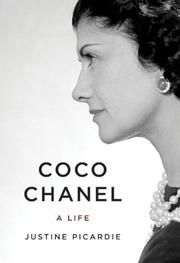
Picardie, a British journalist and editor, wrote a biography of Gabrielle Chanel drawing on archives in France and Britain and on interviews, published in 2009.
The biographical narrative covers the orphanage childhood she concealed and rewrote throughout her life, the early support from wealthy lovers who financed her first shops, the establishment of the couture house, the relationship with the Duke of Westminster and the English years, the creation of Chanel No 5 in 1921, the closure of the couture house at the outbreak of war, the occupation years, the postwar exile in Switzerland and the return to couture in 1954 at the age of seventy-one.
The commercial material covers the decisions that built the brand: the use of jersey for outerwear, the removal of structural constraint from women's clothing, the little black dress, costume jewellery worn alongside real jewellery, and the perfume. The perfume arrangement is the most consequential business decision in the story: Chanel licensed it to Pierre Wertheimer's company for a small royalty share, the fragrance became the most commercially successful ever produced, and she spent decades in litigation attempting to recover a larger share.
Picardie addresses the occupation directly, including Chanel's relationship with a German intelligence officer, her residence at the Ritz while it housed German officers, and her attempt to invoke Nazi property laws to take the perfume business from the Wertheimers, who were Jewish and had left France. Picardie's treatment is more sympathetic than some other accounts, and Hal Vaughan's Sleeping with the Enemy, published two years later, presents the wartime material more harshly using French intelligence files.
The book is a biography rather than a business history, and readers wanting the company's commercial development will find limited coverage of the period after Chanel's death.
Key takeaways 7
- Chanel used jersey for outerwear and removed structural constraint from women's clothing, which matched changes in how women lived.
- Licensing the perfume to the Wertheimer family for a small royalty share was the most consequential and most costly business decision of her career.
- The perfume became the most commercially successful fragrance ever produced under an arrangement she spent decades litigating.
- Costume jewellery worn alongside real jewellery changed what luxury signalled and widened the market.
- Chanel constructed and repeatedly revised the account of her own origins, which makes biography of her unusually difficult.
- During the occupation she attempted to use Nazi property laws to take the perfume business from its Jewish owners.
- Returning to couture at seventy-one after fifteen years away succeeded commercially in America before it succeeded in France.
Who should read it
Readers interested in the origins of the Chanel brand and in the licensing decision that shaped it, alongside harsher accounts of the wartime period.
Where it sits in the reference 2
Similar books 6
Chosen by shared topics, the entries that hold them, and the people who recommended both.