The Allure of Chanel
As-told-to: Morand's record of her 1946 conversations, published posthumously.
Summary
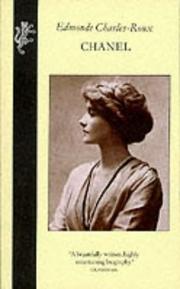
Paul Morand, a French writer and diplomat, spent time with Gabrielle Chanel in Switzerland in 1946 and recorded her talking about her life. He set the notes aside and published the book in French in 1976, after her death. The English translation appeared later.
The text is Chanel's own account, in her voice, of her childhood, her early relationships with Etienne Balsan and Boy Capel, the founding of her business, her circle including Diaghilev, Stravinsky, Cocteau, Picasso and Reverdy, her views on fashion and on other designers, and her opinions about almost everything. Morand does not interject or correct.
This is the book's value and its problem. It is the fullest available record of how Chanel presented herself, and much of what has been written about her originates in these conversations. It is also unreliable: she invented and revised her own biography consistently, particularly about her childhood in the orphanage at Aubazine and about her wartime conduct, which the 1946 conversations were partly designed to explain. Morand himself had collaborated with Vichy and was in Switzerland for the same reason she was. Readers should treat it as a primary source about self-presentation rather than as biography, and should read it alongside Garelick or Vaughan.
Key takeaways 7
- The text is Chanel's own uncorrected account, recorded in 1946 while she was in self-imposed exile in Switzerland.
- Chanel constructed and repeatedly revised her own biography, and much published material about her originates in these conversations.
- She presents her design principles as reactions against the constraint and ornament of the clothing that preceded her.
- Her account of the war years was given at a moment when she needed an acceptable version and should be read accordingly.
- Morand recorded without interjection or correction, which makes the text a primary source rather than a biography.
- Chanel's opinions of her contemporaries, including other designers and the artists she funded, are given without diplomatic restraint.
- Both Chanel and Morand were in Switzerland to avoid the consequences of their wartime conduct, which frames the whole document.
Who should read it
Readers who want Chanel's self-presentation as a primary source, understood as a constructed account requiring external verification.
Where it sits in the reference 2
Similar books 6
Chosen by shared topics, the entries that hold them, and the people who recommended both.