Plan Your Prosperity
Summary
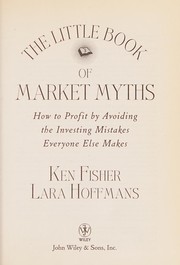
Ken Fisher and Lara Hoffmans wrote this on retirement investing, arguing against several conventions that dominate advice to people approaching and in retirement.
The central argument concerns time horizon. Fisher holds that most retirees define their horizon as the period until they stop working, when it should be defined as the period over which the money must last, which for a couple retiring at sixty-five includes the survivor's remaining life and may exceed thirty years. He argues that this length makes heavy fixed income allocation dangerous rather than safe, because inflation over thirty years destroys purchasing power that a bond portfolio cannot replace.
The second argument concerns income. Fisher attacks the practice of investing for yield, arguing that a retiree needs cash flow rather than dividends or interest, that selling appreciated securities produces cash flow with better tax treatment in many cases, and that reaching for yield forces concentration into whichever asset class currently pays most, which is usually the one carrying hidden risk. He calls the alternative homegrown dividends. The book also covers benchmark selection, the sequence of returns problem, and the behaviour of investors who abandon plans during drawdowns. Fisher's firm sells the advisory service the book recommends, and readers should weigh that. The time horizon and yield arguments are sound and are widely accepted among fee-based advisers.
Key takeaways 7
- A retiree's investment horizon is the period the money must last, not the period until they stop working.
- Thirty-year horizons make heavy bond allocations risky rather than safe, because inflation erodes purchasing power the portfolio cannot replace.
- Investors need cash flow rather than income, and selling appreciated holdings produces cash flow without reaching for yield.
- Reaching for yield concentrates a portfolio into whichever asset class currently pays most, which is where the hidden risk sits.
- Every portfolio needs a benchmark chosen in advance, or performance cannot be evaluated and discipline cannot be maintained.
- The sequence in which returns arrive matters as much as their average when withdrawals are being taken.
- Fisher argues that the largest destroyer of retirement outcomes is abandoning a plan during a decline rather than selecting the wrong assets.
Who should read it
Individual investors planning retirement withdrawals who want the argument against yield-focused and short-horizon allocation, weighted for the author's commercial interest.
About Ken Fisher
Founder and Executive Chairman, Fisher Investments; Forbes "Portfolio Strategy" columnist 1984-2016
A long, public money-management record plus Super Stocks, which introduced the price-to-sales ratio and outlived its news cycle.
Where it sits in the reference 2
Similar books 6
Chosen by shared topics, the entries that hold them, and the people who recommended both.