The Junk Bond Revolution
British view of Drexel; more interested in the instrument than the man.
Summary
The reference has not verified this book in detail; the summary states only what the title, author and subject establish.
Fenton Bailey wrote this account of Michael Milken and the high yield bond market shortly after Milken's guilty plea in 1990. It covers the development of the market at Drexel Burnham Lambert and the prosecution that ended it.
The business material covers Milken's original insight, taken from W. Braddock Hickman's research, that a diversified portfolio of low-rated bonds produced higher risk-adjusted returns than the ratings implied; the development of the market from trading existing fallen angels to underwriting new high yield issuance; the network of buyers Milken assembled including savings and loans, insurers and mutual funds; the use of the market to finance leveraged buyouts and hostile takeovers, which made Drexel the centre of the takeover wave; and the compensation arrangements at Drexel that made Milken extraordinarily wealthy.
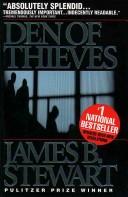
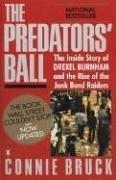
The prosecution material covers the Boesky settlement, the racketeering threat used against Drexel, the guilty plea and the firm's subsequent bankruptcy. Bailey is sympathetic to Milken and argues that the prosecution was driven by establishment hostility to a market that had threatened incumbent corporate management. That interpretation is contested and the book was written before the full record was available. The reference has not verified its detail. Readers wanting a fuller treatment should consider Connie Bruck's The Predators' Ball or James Stewart's Den of Thieves, which reach different conclusions.
Key takeaways 7
- Milken's original insight was that diversified portfolios of low-rated bonds outperformed what their ratings implied, based on Hickman's research.
- Underwriting new high yield issuance rather than trading existing fallen angels created a financing market that had not existed.
- High yield financing made hostile takeovers possible against companies previously protected by their size.
- Milken assembled a network of committed buyers, which is what allowed Drexel to commit to financings competitors could not.
- Drexel's compensation arrangements gave Milken a share of the profits he generated, which made him extraordinarily wealthy.
- Bailey argues the prosecution reflected establishment hostility to a market that threatened incumbent management, which is contested.
- The reference has not verified this book in detail, and other accounts of the same events reach opposing conclusions.
Who should read it
Readers of financial history interested in the high yield market's origins, treating this sympathetic account alongside the hostile ones.
Where it sits in the reference 2
Similar books 6
Chosen by shared topics, the entries that hold them, and the people who recommended both.