Oil and Gas
Producers earn the difference between the cost of finding and lifting a barrel and a price set somewhere else, refiners earn the crack spread between crude and product, and service companies earn on drilling activity, so the three parts of the chain peak at different points. High prices pay for drilling that arrives years later and drives prices down again, which is the pattern behind the busts of 1986, 1998, 2014 to 2016 and 2020; OPEC production decisions set the floor when its members hold to quota. Reserves accounting, decline rates and long lead times make the capital cycle slower here than almost anywhere else. The literature covers the political history of the industry, the American shale revolution and how it was financed, the conduct of the majors, Saudi Arabia's reserves and finances, and the traders who move the physical cargoes.
12 books · 2 people behind it
Start here
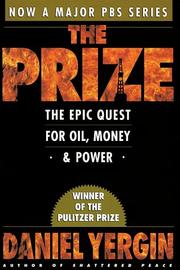
- The Prize: The Epic Quest for Oil, Money, and PowerDaniel Yergin, 1991
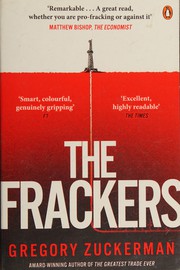
- The Frackers, 2013
- Private Empire: ExxonMobil and American PowerSteve Coll, 2012
The people behind it 2
Each person holds a book in this entry or names it in their own tags.