
Federal Reserve
Central banking system of the United States, created on December 23, 1913, by the Federal Reserve Act after a series of financial panics.
| Berkshire Hathaway | Warren Buffett | 3 | 1973–1981 |
| Kayne Anderson Rudnick | 3 | 2026–2026 | |
| Spheria Asset Management | 3 | 2026–2026 | |
| Value Partners | 3 | 2026–2026 | |
| Miller Value Partners | Bill Miller | 2 | 2021–2021 |
| Van Tharp Institute | Van K. Tharp | 2 | 2018–2018 |
| BlackRock | 1 | 2026–2026 | |
| Counterpoint Global, Morgan Stanley | Michael Mauboussin | 1 | 2024–2024 |
| DoubleLine Capital | 1 | 2026–2026 | |
| GMO | Jeremy Grantham | 1 | 2026–2026 |
| Hussman Funds | John Hussman | 1 | 2026–2026 |
| Peapack Private | 1 | 2026–2026 | |
| Pershing Square | William Ackman | 1 | 2025–2025 |
| Riverwater Partners | 1 | 2026–2026 | |
| Vanguard Windsor Fund | John Neff | 1 | 1995–1995 |
| Cost of Capital and Capital Allocation: Investment in the Era of "Easy Money" | Michael Mauboussin examines how U.S. companies allocated capital during the era of easy money, when financial capital was cheap and abundant. | Counterpoint Global, Morgan Stanley | Michael Mauboussin | 2024 |
| Letter to the Board of Howard Hughes Holdings proposing a transaction | Pershing Square proposes a transaction to the board of Howard Hughes Holdings, citing years of weak share price since it helped capitalise the company at $47.62 a share in 2010. | Pershing Square | William Ackman | 2025 |
| Just Markets 2026 Webcast: "Clue" | Jeffrey Gundlach argues in DoubleLine's annual Just Markets webcast that markets give clues pointing to U.S. fiscal policy, persistent budget deficits and rising government debt as the forces keeping long-term Treasury yields high despite Federal Reserve rate cuts. | DoubleLine Capital | DoubleLine Capital | Q1 2026 |
| Why and How Capitalism Needs To Be Reformed | Ray Dalio argues U.S. capitalism must be reformed because it no longer provides equal opportunity in care, education and jobs. | Ray Dalio | 2019 | |
| Investment Perspectives July 2026 Monthly Market Review | KAR's Julie Biel reports that leadership rotated away from 2026's strongest performers in July, as large-cap growth fell with semiconductor stocks, Treasury yields rose to their highest since 2023 after the Federal Reserve held rates, and the gap between the equal-weighted VIXEQ and the VIX reached its widest on record. | Kayne Anderson Rudnick | Kayne Anderson Rudnick | Q3 2026 |
| Investment Perspectives January 2026 Monthly Market Review | KAR's Julie Biel reports that small caps, value stocks and emerging markets led in January 2026 as worries about AI overbuilding, Federal Reserve independence and valuation gaps between U.S. and non-U.S. markets weighed on large-cap growth, and a weaker dollar lifted foreign returns. | Kayne Anderson Rudnick | Kayne Anderson Rudnick | Q1 2026 |
| Investment Perspectives May 2026 Monthly Market Review | KAR's Julie Biel reports that semiconductor winners drove emerging markets and U.S. growth stocks in May 2026, while core consumer and producer inflation kept rising and prices for data-center components surged, which complicates a return to the Federal Reserve's 2% target. | Kayne Anderson Rudnick | Kayne Anderson Rudnick | Q2 2026 |
| Bill Miller 2Q 2021 Market Letter | Bill Miller reminds readers that his letters are commentaries, not outlooks, and focuses on understanding the present rather than predicting. | Miller Value Partners | Bill Miller | Q2 2021 |
| Bill Miller 3Q 2021 Market Letter | Bill Miller marks 40 years in the business and announces his last regular quarterly market letter. | Miller Value Partners | Bill Miller | Q3 2021 |
| Long-Term Bullish, Near-Term Cautious | Jeremy Siegel argues that a strong March jobs report, the largest jump in M2 in years and rising oil rule out Fed cuts and put a hike back on the table, making the near term bumpy. | Jeremy Siegel | Q2 2026 | |
| Markets Hold Firm as Inflation Risks Build | Jeremy Siegel argues that rising commodities and firm money growth strengthen the case for a hike, but expects the Fed to hold until after the November election, and criticises the "Bessent twist". | Jeremy Siegel | Q3 2026 | |
| Warsh Gets an A: Re-focused Fed on the Right Key Principles | Jeremy Siegel praises Kevin Warsh's hawkish Jackson Hole speech for putting money supply, bank credit and commodity prices back into the Fed's inflation framework. | Jeremy Siegel | Q3 2026 | |
| AI Anxiety Masks Broadening Equity Strength | Jeremy Siegel argues that softer CPI, falling unemployment and real weekly earnings up 1.9% give the Fed room to cut, while AI disruption fears drive rotation rather than a bear market. | Jeremy Siegel | Q1 2026 | |
| Market Momentum Holds in 2026 as January Risks Loom | Jeremy Siegel names a shutdown, the Fed chair pick and the tariff ruling as January's risks, and argues M2 growth of only 4% leaves room for 50 more basis points of cuts by mid-year. | Jeremy Siegel | Q1 2026 | |
| Oil Stays Calm as Strong Earnings Keep Bull Market Intact | Jeremy Siegel argues that oil in the low $70s despite renewed hostilities and expected earnings growth near 24% from AI-driven margins keep the bull market intact and the Fed on hold. | Jeremy Siegel | Q3 2026 | |
| Cooling AI Frenzy Reveals a Healthier Bull Market | Jeremy Siegel calls the sell-off in AI, memory and semiconductor stocks after Moonshot's new Chinese model a healthy correction, while a negative CPI print removes the near-term hike risk. | Jeremy Siegel | Q3 2026 | |
| Rising Oil and Real Yields Test Equity Leadership | Jeremy Siegel argues that oil near $90, higher real yields and doubts about AI capital spending test the market leaders, while the equity risk premium stays 2.5% above TIPS yields. | Jeremy Siegel | Q3 2026 | |
| Jobs Report Masks a Still-Resilient Economy | Jeremy Siegel argues that a soft June jobs report reversed an unsustainable spring burst, and that WTI near $67 and slowing shelter inflation mean the Fed need not hike again this year. | Jeremy Siegel | Q3 2026 | |
| Falling Yields Reinforce Equity Market Resilience | Jeremy Siegel argues that WTI near $87, a 10-year yield down to 4.44% and three months of above-average M2 growth support stocks, and rejects a claim that the equity risk premium has vanished. | Jeremy Siegel | Q2 2026 | |
| Falling Oil Prices Reinforce Bullish Outlook | Jeremy Siegel argues that the 60-day ceasefire and reopened Strait of Hormuz, with crude back at $80, cut recession risk and support further disinflation and the bull market. | Jeremy Siegel | Q2 2026 | |
| Disinflation Trend Keeps Rate Hikes Unlikely | Jeremy Siegel argues that WTI crude near $73 could push headline CPI sharply lower, making a Fed rate hike this year very hard to envision, though not bringing cuts soon. | Jeremy Siegel | Q2 2026 | |
| Mideast Escalation, Strong Jobs and Resilient Economy Delay Cuts | Jeremy Siegel argues that a far stronger-than-expected payroll report pushes rate cuts further off, while AI keeps equities rising despite Mideast fighting and weak productivity data. | Jeremy Siegel | Q2 2026 | |
| AI-Driven Productivity Offsets Job Fears | Jeremy Siegel rejects the view that AI will cause mass job losses, arguing productivity gains raise output and incomes, while markets rotate from mega-cap AI stocks into the rest of the market. | Jeremy Siegel | Q1 2026 | |
| Iran Risk Rises Sharply, Fed Sees Stronger Growth, Markets Fear Oil | Jeremy Siegel argues that the Fed's move of its longer-run growth estimate to 2.0% from 1.8% matters more than oil, and expects the S&P 500 to recover to 6,900-7,000 by year-end. | Jeremy Siegel | Q1 2026 | |
| Lack of Progress in Iran Triggers Oil Spike, Raises Correction Risk | Jeremy Siegel argues that stalled payrolls alongside strong GDP signal a productivity surge, while the oil spike from the Iran war makes a correction of more than 10% more likely. | Jeremy Siegel | Q1 2026 | |
| Rising Real Rates Signal Stronger Growth: Upgrading Equity View | Jeremy Siegel raises his estimate of long-term real equity returns to 5.5%-6.5%, arguing that higher real rates signal stronger growth and earnings rather than a reason to sell stocks. | Jeremy Siegel | Q4 2026 | |
| AI Buildout Drives Yields and Market Rotation | Jeremy Siegel argues that capital demand from the AI buildout now drives long-term yields, so an AI disappointment would cut Nasdaq 20%-30% but the S&P 500 only 5%-10%. | Jeremy Siegel | Q4 2026 | |
| Value Breakout Shows Benefits of Diversification | Jeremy Siegel describes a sharp rotation from growth into value, with value indexes at record highs while the Nasdaq sold off, and compares it with 2000. | Jeremy Siegel | Q4 2026 | |
| Softer Jobs Data Gives Fed Room to Pause | Jeremy Siegel argues that a softer jobs report lets the Fed pause in October, while strong AI earnings expectations outweigh a 30-year TIPS yield near 3.4%. | Jeremy Siegel | Q4 2026 | |
| Strong Jobs Data Raises Fed Pressure | Jeremy Siegel argues that 162,000 August payrolls and M2 growth near 10% annualized make the case for a 25-basis-point hike strong, despite political pressure before the midterms. | Jeremy Siegel | Q3 2026 | |
| Q3 2026 Small Cap Macro Letter: Small Caps, Oil and the First Fed Hike | Adam Peck argues that with oil up about 60% in a year, the Federal Reserve's first rate rise in September 2026 and core inflation at 2.6% and rising, small caps sit in the setting where they have historically done worst, so Riverwater has trimmed its AI infrastructure holdings and moved the money into profitable businesses rather than trying to time the turn. | Riverwater Partners | Riverwater Partners | Q3 2026 |
| Spheria Global Opportunities Fund Report April 2026 | Spheria argues that EQT's raised bid for Intertek, £60 a share in cash plus the 107.7p final dividend or about £9.4bn, confirms its March view that Intertek at about 12 times EBIT was too cheap, and it declines to buy SanDisk at 17 times EBIT because that case rests on NAND prices staying high. | Spheria Asset Management | Spheria Asset Management | Q2 2026 |
| Spheria Global Smaller Companies Fund Report August 2026 | Spheria argues that SharkNinja and Paycom, which both raised full-year guidance for a second quarter running, rose on results already in their numbers, unlike the AI infrastructure trade, and it holds Paycom at 17 times FY27 EV/EBIT for its 50%+ return on invested capital. | Spheria Asset Management | Spheria Asset Management | Q3 2026 |
| Spheria Global Smaller Companies Fund Report October 2026 | Spheria argues that October's sell-off in AI hardware, with Firmus withdrawing its float at an almost A$44 billion valuation, came from investors questioning the returns on AI spending, and that its underweight in AI hardware drove its 2.8-point outperformance while it trimmed SharkNinja after a 21% rise in third-quarter revenue. | Spheria Asset Management | Spheria Asset Management | Q4 2026 |
| Types of Crypto-Tokens | Van Tharp sorts crypto-tokens into currency, utility, asset and equity tokens, and expects the SEC to act in 2018 against a well-known token it deems an equity. | Van Tharp Institute | Van K. Tharp | Q1 2018 |
| Designing My Trading System: Part 3: Trading Metrics Beliefs | In Van Tharp's newsletter, G rewrites the profit factor as win ratio times reward-to-risk and argues reward-to-risk has five times the range for improvement that win rate has. | Van Tharp Institute | Van K. Tharp | Q1 2018 |
| Berkshire Hathaway Chairman’s Letter 1979 | Warren Buffett explains the new rule carrying insurers' equity securities at market value, in his 1979 letter. | Berkshire Hathaway | Warren Buffett | 1979 |
| Berkshire Hathaway Chairman’s Letter 1981 | Warren Buffett reports 1981 operating earnings of $39.7 million, 15.2% of beginning equity, and a new shareholder-designated giving plan. | Berkshire Hathaway | Warren Buffett | 1981 |
| MIT Remarks, October 20, 2007 (MIT Sloan Investment Management Conference speech) | Seth Klarman tells MIT in October 2007 that subprime losses and quant fund woes reveal extreme risk-taking across finance. | Seth Klarman | Q4 2007 | |
| The Missing Link: Bringing Emergency Savings Solutions to Retirement Plans | BlackRock argues from its Emergency Savings Initiative's 43 projects that emergency savings in 401(k) plans protect retirement saving, since workers with emergency savings were over 70% more likely to contribute to their retirement plan. | BlackRock | BlackRock | Q2 2026 |
| Valuing AI: Extreme Bubble, New Golden Era - or Both? | Jeremy Grantham and Edward Chancellor test whether AI is a two-sigma bubble or a paradigm shift, measured against over 300 historical bubbles across asset classes. | GMO | Jeremy Grantham | 2026 |
| The Free Money Bubble | John Hussman argues the U.S. stock bubble rests on three kinds of free money, Fed zero-rate policy, pandemic deficits and AI investment, and sees a potential 55-70% loss from current valuations. | Hussman Funds | John Hussman | 2026 |
| The Weekly: Economic and Market Recap, August 28, 2026 | Peapack Private argues that Nvidia's results, with revenue up 106% and Data Center revenue up 117%, restored confidence in AI spending, while Fed Chair Warsh's hawkish Jackson Hole speech lifted the 2-year yield to 4.35% and the odds of a September hike to 57%. | Peapack Private | Peapack Private | Q3 2026 |
| Berkshire Hathaway letter to stockholders 1972 | Warren Buffett reports 1972 operating earnings of 19.8% of beginning equity, with gains in all major lines. | Berkshire Hathaway | Warren Buffett | 1973 |
| Vanguard Windsor Fund Semi-Annual Report, six months ended April 30, 1995 - Report from the Adviser, signed John B. Neff | Windsor Fund's return in the first half of fiscal 1995 was solid but fell well short of the surging market. | Vanguard Windsor Fund | John Neff | Q2 1995 |
| Asia Credit Market Overview, April 2026 | Value Partners argues that, because a 10% rise in oil prices typically adds about 0.35 percentage points to headline CPI within three months and the Fed is under no pressure to cut, Asian credit portfolios should stay slightly underweight duration. | Value Partners | Value Partners | Q2 2026 |
| Asia Credit Market Overview, August 2026 | Value Partners argues that July's rise in US Treasury yields, with the 10-year up 27bps to 4.73% on US-Iran tension, a 22% oil rally and doubts about Fed Chair Kevin Warsh, came largely from technical factors and made all-in yields in high-quality investment grade and technology issuers more attractive. | Value Partners | Value Partners | Q3 2026 |
| Asia Credit Market Overview, February 2026 | Value Partners argues that AI-related spending and heavy bond issuance, including large bond deals from Oracle and Alphabet, pose no major risk to Asian investment grade bonds, and it keeps a slight duration underweight after Kevin Warsh's nomination as Fed Chair. | Value Partners | Value Partners | Q1 2026 |
This week's Federal Reserve meeting should be rather uneventful.Show in the letter ›
Value Breakout Shows Benefits of Diversification · Jeremy Siegel · Q4 2026
The biggest driver of long-term rates right now is not oil and may not even be what the Federal Reserve does at its next meeting.Show in the letter ›
AI Buildout Drives Yields and Market Rotation · Jeremy Siegel · Q4 2026
To curb this energy-driven inflation, the Federal Reserve raised short-term interest rates at its September meeting.Show at the source ↗
Q3 2026 Small Cap Macro Letter: Small Caps, Oil and the First Fed Hike · Riverwater Partners · Q3 2026
High-frequency indicators, jobless claims and consumer spending data continue to point to solid growth, while this week’s CPI, PPI and retail sales reports will provide the next important test for both the economy and the Federal Reserve.Show in the letter ›
Rising Real Rates Signal Stronger Growth: Upgrading Equity View · Jeremy Siegel · Q4 2026
It is a labor market cooling enough to reduce some of the pressure on the Federal Reserve.Show in the letter ›
Softer Jobs Data Gives Fed Room to Pause · Jeremy Siegel · Q4 2026
The stronger economy does, however, complicate the Federal Reserve’s decision.Show in the letter ›
Strong Jobs Data Raises Fed Pressure · Jeremy Siegel · Q3 2026
But I came away from the speech even more confident in Warsh and thought it was one of the best speeches I’ve heard from a Federal Reserve chair.Show in the letter ›
Warsh Gets an A: Re-focused Fed on the Right Key Principles · Jeremy Siegel · Q3 2026
U.S. markets navigated a busy week as investors weighed consumer sentiment, inflation, Nvidia earnings, labor data, and the Federal Reserve’s Jackson Hole Economic Policy Symposium.Show in the letter ›
The Weekly: Economic and Market Recap, August 28, 2026 · Peapack Private · page 1 · Q3 2026
All of this makes this week’s Jackson Hole meeting particularly important, not because the Federal Reserve needs to change policy, but because Chairman Warsh needs to explain more clearly what will drive policy going forward.Show in the letter ›
Markets Hold Firm as Inflation Risks Build · Jeremy Siegel · Q3 2026
Potential risks associated with US Treasury and corporate debt issuance, together with growing skepticism about the Federal Reserve’s commitment to bringing inflation under control, further contributed to a bear steepening of the US Treasury yield curve.Show at the source ↗
Asia Credit Market Overview, August 2026 · Value Partners · Q3 2026
Treasury yields rose to their highest levels since 2023 as bond investors reacted to the Federal Reserve’s decision to leave short-term interest rates unchanged and sought greater clarity from new Federal Reserve Chair Kevin Warsh.Show at the source ↗
Investment Perspectives July 2026 Monthly Market Review · Kayne Anderson Rudnick · Q3 2026
Attention now shifts to the Federal Reserve meeting.Show in the letter ›
Rising Oil and Real Yields Test Equity Leadership · Jeremy Siegel · Q3 2026
A negative monthly CPI print effectively removed any concern about an immediate Federal Reserve rate hike.Show in the letter ›
Cooling AI Frenzy Reveals a Healthier Bull Market · Jeremy Siegel · Q3 2026
Weekly money supply measures continue expanding at a pace that appears inconsistent with the Federal Reserve’s long-run inflation objective.Show in the letter ›
Cooling AI Frenzy Reveals a Healthier Bull Market · Jeremy Siegel · Q3 2026
Since the Federal Reserve places greater emphasis on PCE, policymakers will need to recognize that part of the inflation persistence reflects technology input costs rather than broad-based demand pressures.Show in the letter ›
Oil Stays Calm as Strong Earnings Keep Bull Market Intact · Jeremy Siegel · Q3 2026
If oil remains near current levels and energy prices avoid another sustained advance, the Federal Reserve has little reason to raise interest rates further.Show in the letter ›
Oil Stays Calm as Strong Earnings Keep Bull Market Intact · Jeremy Siegel · Q3 2026
I continue to believe the Federal Reserve will not need to raise interest rates again this year if oil prices remain near current levels.Show in the letter ›
Jobs Report Masks a Still-Resilient Economy · Jeremy Siegel · Q3 2026
While the Federal Reserve’s recent projections and the dot plots reflected concerns that were formulated when energy prices were substantially higher, the inflation environment may now be changing more rapidly than policymakers anticipated.Show in the letter ›
Disinflation Trend Keeps Rate Hikes Unlikely · Jeremy Siegel · Q2 2026
It is the Federal Reserve meeting and, more specifically, Kevin Warsh’s first press conference as Fed Chair.Show in the letter ›
Falling Oil Prices Reinforce Bullish Outlook · Jeremy Siegel · Q2 2026
Notably, prices for components tied to data‑center buildouts surged at historically unprecedented rates, complicating the outlook for a near‑term return to the Federal Reserve’s 2% inflation target.Show at the source ↗
Investment Perspectives May 2026 Monthly Market Review · Kayne Anderson Rudnick · Q2 2026
Immediate attention is focused on the SpaceX IPO on Thursday, and next week’s June Federal Reserve meeting, which I believe will be one of the most important policy meetings in years.Show in the letter ›
Mideast Escalation, Strong Jobs and Resilient Economy Delay Cuts · Jeremy Siegel · Q2 2026
On the Federal Reserve, what matters most in the coming weeks is not speculation about Fed governance but the signals coming from policymakers ahead of the next meeting.Show in the letter ›
Falling Yields Reinforce Equity Market Resilience · Jeremy Siegel · Q2 2026
In 2017, a Federal Reserve report found that four in 10 Americans couldn’t cover an unexpected $400 expense¹ (Figure 1).Show in the letter ›
The Missing Link: Bringing Emergency Savings Solutions to Retirement Plans · BlackRock · page 1 · Q2 2026
Overall, the Federal Reserve does not appear under pressure to cut rates in the near term.Show at the source ↗
Asia Credit Market Overview, April 2026 · Value Partners · Q2 2026
That leaves the Federal Reserve in a far less comfortable position.Show in the letter ›
Long-Term Bullish, Near-Term Cautious · Jeremy Siegel · Q2 2026
The Federal Reserve left the funds rate at 3.50% to 3.75%, kept its median year-end rate projection at 3.4%, and still sees 3.1% next year.Show in the letter ›
Iran Risk Rises Sharply, Fed Sees Stronger Growth, Markets Fear Oil · Jeremy Siegel · Q1 2026
The important point is that yields are responding to oil and uncertainty, not to a materially more hawkish Federal Reserve.Show in the letter ›
Iran Risk Rises Sharply, Fed Sees Stronger Growth, Markets Fear Oil · Jeremy Siegel · Q1 2026
A supply-driven rise in energy prices is not something the Federal Reserve should respond to by tightening policy.Show in the letter ›
Lack of Progress in Iran Triggers Oil Spike, Raises Correction Risk · Jeremy Siegel · Q1 2026
Despite the weak payroll report, the Federal Reserve is extremely unlikely to change policy at its next meeting.Show in the letter ›
Lack of Progress in Iran Triggers Oil Spike, Raises Correction Risk · Jeremy Siegel · Q1 2026
Housing is the largest component of CPI, and its trajectory is now running at or below the Federal Reserve’s target pace.Show in the letter ›
AI-Driven Productivity Offsets Job Fears · Jeremy Siegel · Q1 2026
January saw some selling pressure in U.S. Treasuries as market attention centered on the legal battles involving Governor Lisa Cook, the Department of Justice investigation into Fed Chair Jerome Powell, and broader concerns about Federal Reserve independence.Show at the source ↗
Asia Credit Market Overview, February 2026 · Value Partners · Q1 2026
From a monetary perspective, this is precisely the environment that gives the Federal Reserve (Fed) room to continue lowering rates.Show in the letter ›
AI Anxiety Masks Broadening Equity Strength · Jeremy Siegel · Q1 2026
Contributing factors included worries about AI overbuilding, Federal Reserve independence, and valuation disparities between U.S. and non-U.S. markets.Show at the source ↗
Investment Perspectives January 2026 Monthly Market Review · Kayne Anderson Rudnick · Q1 2026
Mr. Gundlach examines U.S. Treasury yield curve dynamics and explains why long-term interest rates have remained elevated despite aggressive Federal Reserve rate cuts.Show at the source ↗
Just Markets 2026 Webcast: "Clue" · DoubleLine Capital · Q1 2026
On policy, I still believe the Federal Reserve should cut rates further.Show in the letter ›
Market Momentum Holds in 2026 as January Risks Loom · Jeremy Siegel · Q1 2026
Under Ben Bernanke, the Fed drove the quantity of zero-interest Federal Reserve liabilities from just 6% of GDP in 2008 (a level historically associated with T-bill rates of roughly 4-6%), beyond 10% of GDP (a level associated with T-bill rates between 0-2%), beyond 14% of GDP (at which point T-bill yields hit zero), all the way to 25% of GDP by the time his term as Fed Chair ended.Show in the letter ›
The Free Money Bubble · Hussman Funds · 2026
This long and hyperextended episode of speculation has endured for more than a decade because it rests on three pillars that have behaved as different versions of “free money” – first zero-interest rates and deranged Federal Reserve easing, then multi-trillion dollar pandemic deficits, and most recently a nearly frantic surge of unmitigated investment in AI capacity.Show in the letter ›
The Free Money Bubble · Hussman Funds · 2026
The dotcom mania took off after Federal Reserve Chairman Alan Greenspan reduced interest rates in the fall of 1998 in response to the near-failure of the over-leveraged hedge fund Long-Term Capital Management.Show in the letter ›
Valuing AI: Extreme Bubble, New Golden Era - or Both? · GMO · page 5 · 2026
The 10-year US Treasury peaked near the start of the month at 5.28% but has since retraced to 4.93% and the Federal Reserve held rates at 3.75% to 4%.Show in the letter ›
Spheria Global Smaller Companies Fund Report October 2026 · Spheria Asset Management · page 2 · Q4 2026
Shorter-dated yields stayed more contained ahead of the Federal Reserve's Jackson Hole symposium, where new Fed Chair Kevin Warsh delivered an unexpectedly hawkish message where he recommitted to the Fed’s 2% PCE target.Show in the letter ›
Spheria Global Smaller Companies Fund Report August 2026 · Spheria Asset Management · page 2 · Q3 2026
Market expectations for Federal Reserve rate cuts in 2026 have now been fully priced out, with traders ascribing a non-trivial probability to a further rate hike.Show in the letter ›
Spheria Global Opportunities Fund Report April 2026 · Spheria Asset Management · page 2 · Q2 2026
In 2022, as the Federal Reserve began to aggressively raise rates, HHH stock declined by 46% from $101.78 to $55.39,3 and its shares remained depressed until Pershing Square began an aggressive buying program which included an above-market tender offer.Show in the letter ›
Letter to the Board of Howard Hughes Holdings proposing a transaction · Pershing Square · page 5 · 2025
We define that time from 2009, when the Federal Reserve and other central banks around the world reduced policy rates to essentially zero, to the end of 2021.Show in the letter ›
Cost of Capital and Capital Allocation: Investment in the Era of "Easy Money" · Counterpoint Global, Morgan Stanley · page 1 · 2024
Today’s worries include, but are not limited to, China’s regulatory actions, high and rising fuel and food prices, labor shortages, inflation or stagflation, the effect of Federal Reserve tapering, disrupted supply chains, potential default due the debt limit standoff and the ongoing dis-function and polarization in Washington.Show in the letter ›
Bill Miller 3Q 2021 Market Letter · Miller Value Partners · Q3 2021
If inflation is going to be a problem, prices will have to continue to rise over the next few years at well over the Federal Reserve’s average 2% target.Show in the letter ›
Bill Miller 2Q 2021 Market Letter · Miller Value Partners · Q2 2021
According to a recent Federal Reserve study, 40% of all Americans would struggle to raise $400 in the event of an emergency.Show at the source ↗
Why and How Capitalism Needs To Be Reformed · Ray Dalio · 2019
Because money is clogged at the top and because the capacity of central banks to ease enough to reverse the next economic downturn is limited, fiscal policy will have to be more coordinated with monetary policy, which can happen while maintaining the Federal Reserve’s independence.Show at the source ↗
Why and How Capitalism Needs To Be Reformed · Ray Dalio · 2019
Sure — it would be easy to say that the February jobs number from the US Labor Department are arguing that the economy is too hot and is set for the Federal Reserve to turn off the heat.Show in the letter ›
Designing My Trading System: Part 3: Trading Metrics Beliefs · Van Tharp Institute · Q1 2018
But the US Dollar is actually printed by a privately-owned company called the Federal Reserve.Show in the letter ›
Types of Crypto-Tokens · Van Tharp Institute · Q1 2018
Bank of America can lend them that much money and the Federal Reserve just prints up $90,000,000 in new currency to make it official.Show in the letter ›
Types of Crypto-Tokens · Van Tharp Institute · Q1 2018
It has to be done by the government, but I hope it is done wisely—maybe by a quasi-governmental organization, a Federal Reserve–type institution, rather than the federal government itself.Show in the paper ›
Markets in Crisis · John C. Bogle · page 5 · 2009
Intervention by the Federal Reserve—as we recently had—seems likely to give license to further speculation while failing to address— and perhaps exacerbating—the underlying problem of lax lending standards, poor credit quality and excessive use of leverage.Show in the letter ›
MIT Remarks, October 20, 2007 (MIT Sloan Investment Management Conference speech) · Seth Klarman · page 6 · Q4 2007
(2) the apparently diminishing threat of additional increases in short-term interest rates by the Federal Reserve Board;Show in the letter ›
Vanguard Windsor Fund Semi-Annual Report, six months ended April 30, 1995 - Report from the Adviser, signed John B. Neff · Vanguard Windsor Fund · Q2 1995
We applaud the efforts of Federal Reserve Chairman Volcker and note the currently more moderate increases in various price indices.Show in the letter ›
Berkshire Hathaway Chairman’s Letter 1981 · Berkshire Hathaway · 1981
However, the Federal Reserve Board has taken the firm position that if the bank is spun off, no officer or director of Berkshire Hathaway can be an officer or director of the spun-off bank or bank holding company, even in a case such as ours in which one individual would own over 40% of both companies.Show in the letter ›
Berkshire Hathaway Chairman’s Letter 1979 · Berkshire Hathaway · 1979
Present rate structures, a decrease in investable funds due to new Federal Reserve collection procedures, and a probable increase in already substantial non-federal taxes make it unlikely that Illinois National will be able to increase its earnings during 1973.Show in the letter ›
Berkshire Hathaway letter to stockholders 1972 · Berkshire Hathaway · 1973
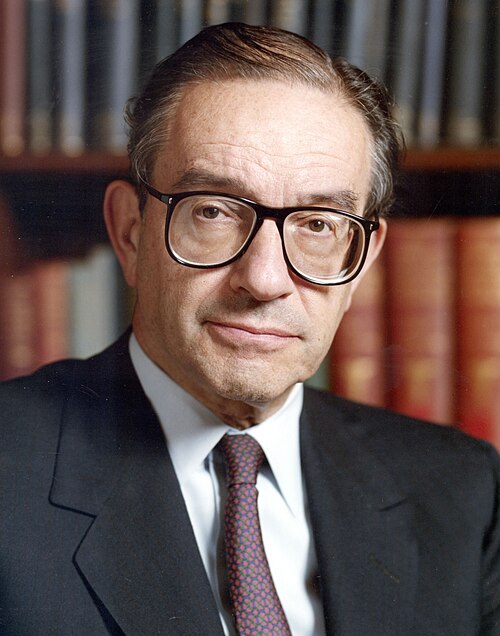
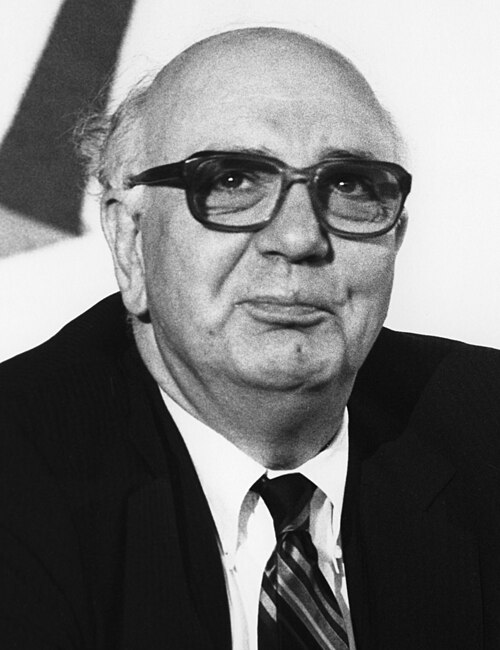
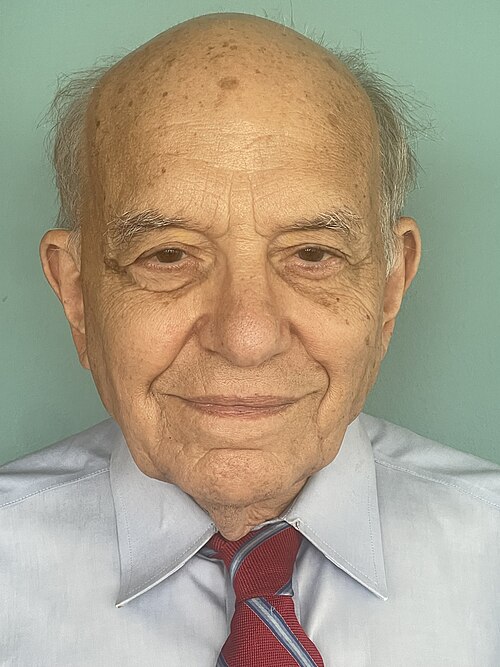 Jeremy Siegeldiscussed it in 21 letters; named it in 2 interviews“Jeremy Siegel, Wharton Emeritus Professor of Finance and WisdomTree Chief Economist, shares his outlook on economic growth, inflation, interest rates, and market resilience, addressing the impact of tariffs, the rise of AI, and the uncertain future of Federal Reserve leadership.” — Jeremy Siegel on Inflation, Fed Policy, and Market Resilience (This Week in Business, 2025)
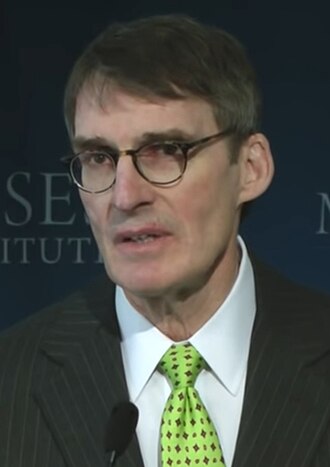 James Grantnamed it in 5 interviews; named it in 1 article“James Grant, legendary founder of Grant’s Interest Rate Observer, joins us for a wide-ranging conversation on cycles, interest rates, inflation, credit, the Federal Reserve, private markets, gold, and the future of investing.” — The $20 Trillion Absurdity | Jim Grant on the Risk No One Sees (Excess Returns, 2025)
 Warren Buffettdiscussed it in 3 letters
 Campbell R. Harveynamed it in 5 interviews“debt and deficit challenges 28:16 Social Security sustainability issues 32:51 Inverted yield curve indicator discussion 40:11 Impact of technological innovations 45:21 Federal Reserve policy critique 50:20 Distortions from Fed's zero-rate policy 54:18 Future consequences of Fed decisions 59:40 Closing thoughts on U.S.” — #219 Campbell Harvey: End of Boom-Bust Cycle? | Will Yield Curve Show First False Signal? (The Julia La Roche Show, 2024)
 Bill Millerdiscussed it in 2 letters
 Van K. Tharpdiscussed it in 2 letters
 Michael Mauboussindiscussed it in 1 letter; named it in 1 interview“It wouldn’t be an episode of On The Tape if we didn’t discuss the Federal Reserve and interest rates (1:03:15).” — The Bad News Bears & A Conversation with Michael Mauboussin (RiskReversal Pod, 2022)
 Sebastian Mallabynamed it in 3 interviews“Sebastian and Auren also review the major macroeconomic crises of the past 40 years and what we’ve learned about the Federal Reserve’s role in navigating crises.” — Sebastian Mallaby: The Greatest Storyteller in Venture Capital (Summation with Auren Hoffman, 2022)
 Anthony Pomplianonamed it in 1 interview; named it in 2 articles“Why Bitcoin Makes the Federal Reserve Obsolete w/ Anthony Pompliano” (The "What is Money?" Show, 2026)
 Barry Eichengreennamed it in 2 interviews“The second hour examines Britain's emergence as the world's first modern financial superpower, whose decline opened the door to the internationalization of the US dollar, and the role that figures like Paul Warburg, the Federal Reserve, two World Wars, and the Bretton Woods Agreement each played in establishing dollar dominance—further cemented by the breakdown of Bretton Woods and the era of floating fiat currencies.” — What History's Greatest Currencies Tell Us About the Future of the Dollar | Barry Eichengreen (Hidden Forces, 2026)
 Ray Daliodiscussed it in 1 letter
 Roger Lowensteinnamed it in 2 interviews“5 (Bloomberg) -- Bloomberg View columnist Barry Ritholtz interviews Roger Lowenstein, an American financial journalist for the Wall Street Journal for more than a decade and the author of America's Bank: The Epic Struggle to Create the Federal Reserve.” — Interview With Roger Lowenstein: Masters in Business (Audio) (Masters in Business, 2015)
Show all 41
 Gillian Tettnamed it in 2 interviews“The FT’s Gillian Tett unpacks the Federal Reserve’s latest move to meet the global demand for dollars, and science editor Clive Cookson explains how different countries are handling coronavirus testing and how the private sector could step in.” — Gillian Tett on Fed dollar scheme, Covid-19 testing (FT News Briefing, 2020)
 Jeremy Granthamdiscussed it in 1 letter
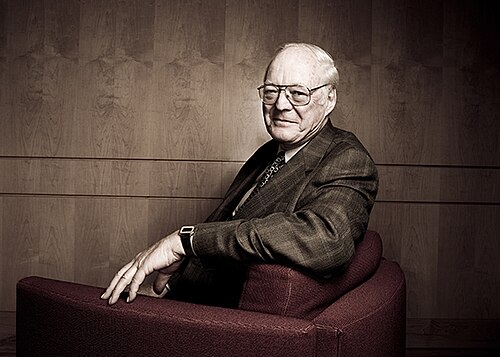 John Neffdiscussed it in 1 letter
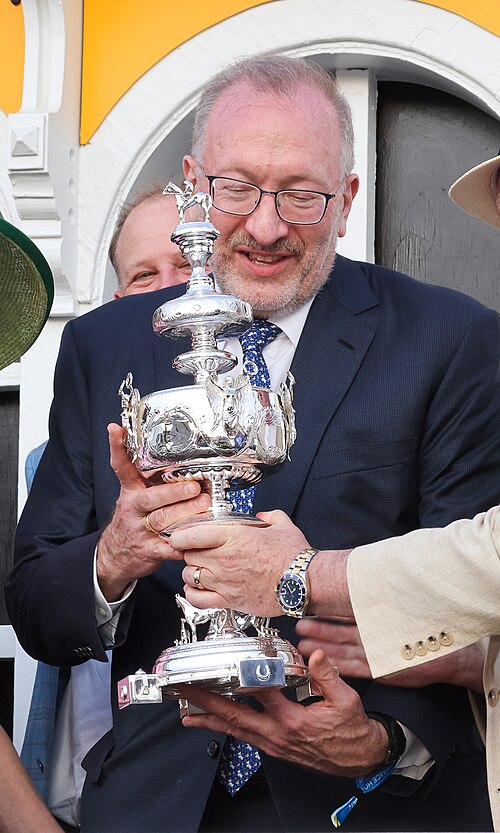 Seth Klarmandiscussed it in 1 letter
 William D. Cohannamed it in 2 articles
 William Ackmandiscussed it in 1 letter
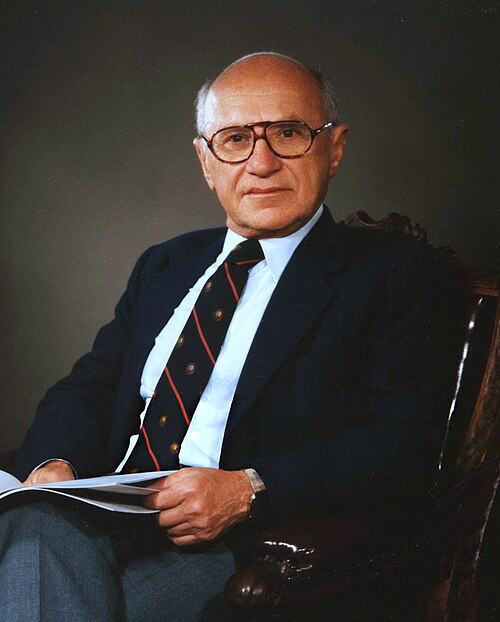 Milton Friedmannamed it in 1 interview“Russ Roberts talks with Milton Friedman about his research and views on inflation, the Federal Reserve, Alan Greenspan and Ben Bernanke, and what the future holds.” — Milton Friedman on Money 8/28/2006 (EconTalk, 2006)
 Andrew Ross Sorkinnamed it in 1 interview“They connect the dots between the roaring ’20s and 2026: meme stocks like GameStop and AMC, crypto manias, “democratizing finance,” tariffs, Federal Reserve debates, margin debt, and how political power shapes Wall Street from Hoover and Roosevelt to the current administration.” — 1929: From Stock Market Mania to Meltdown with Andrew Ross Sorkin (RiskReversal Pod, 2026)
 Edward Chancellornamed it in 1 interview“A still timely discussion as the Federal Reserve comes under pressure to decrease rates...” — The Price of Time with Edward Chancellor (Re-Release) (The HC Commodities Podcast, 2024)
 Jim Rogersnamed it in 1 interview“Economy (4:04) What is the Federal Reserve and how does their money printing affect people short-term and long-term (5:00) What do Americans need to know when it comes to their investments and the state of the U.S.” — 037. Will Tangible Commodities Give You Wealth Security? With Jim Rogers (The Solomon Investor, 2021)
 Joseph E. Stiglitznamed it in 1 interview“He wants an increase in regulation and the role of government in the economy and a more transparent Federal Reserve Bank that he blames for coddling the financial sector.” — Joseph Stiglitz on Inequality 07/09/2012 (EconTalk, 2012)
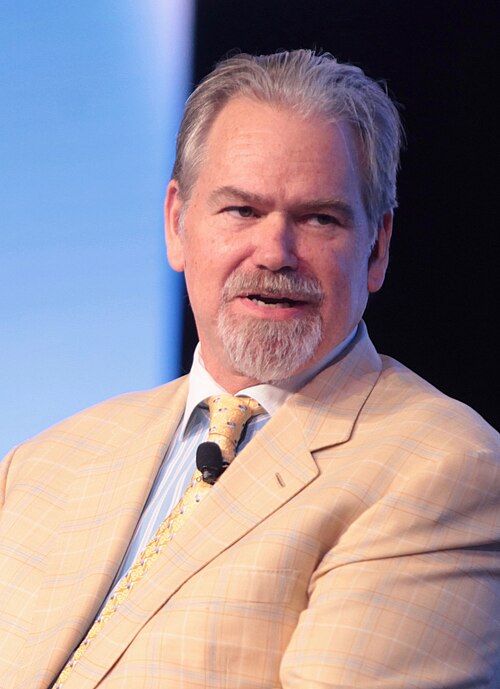 Robert D. Arnottnamed it in 1 interview“Rob Arnott, chairman and chief executive officer at Research Affiliates, says that the Federal Reserve has made 'a series of mistakes' that he expects to continue with a pivot away from rate hikes that occurs too late to stop a recession.” — Rob Arnott: Recession ahead, but worst of bear market is behind us (Money Life with Chuck Jaffe, 2023)
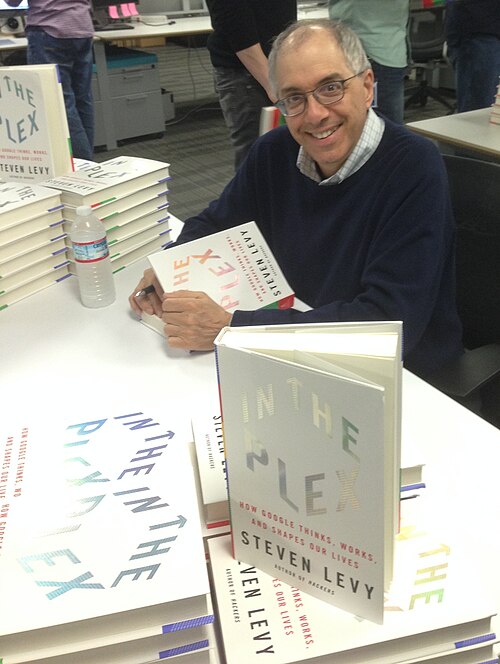 Steven Levynamed it in 1 interview“⏳ [12:10] The State of the Economy & Interest Rates Analysis of the Federal Reserve’s latest decisions and how they impact distributors and manufacturers .” — Insights To How AI is Changing Wholesale Distribution From Infor’s Steven Levy (Around the Horn in Wholesale Distribution Podcast, 2025)
 Tyler Cowennamed it in 1 interview“We discuss Kevin Warsh and the Federal Reserve, volatility in precious metals and gold, AI-driven unemployment, Clawdbot, and the broader societal impacts of AI.” — FULL INTERVIEW: Tyler Cowen on Kevin Warsh, Clawdbot, precious metals, and AI & unemployment (TBPN, 2026)
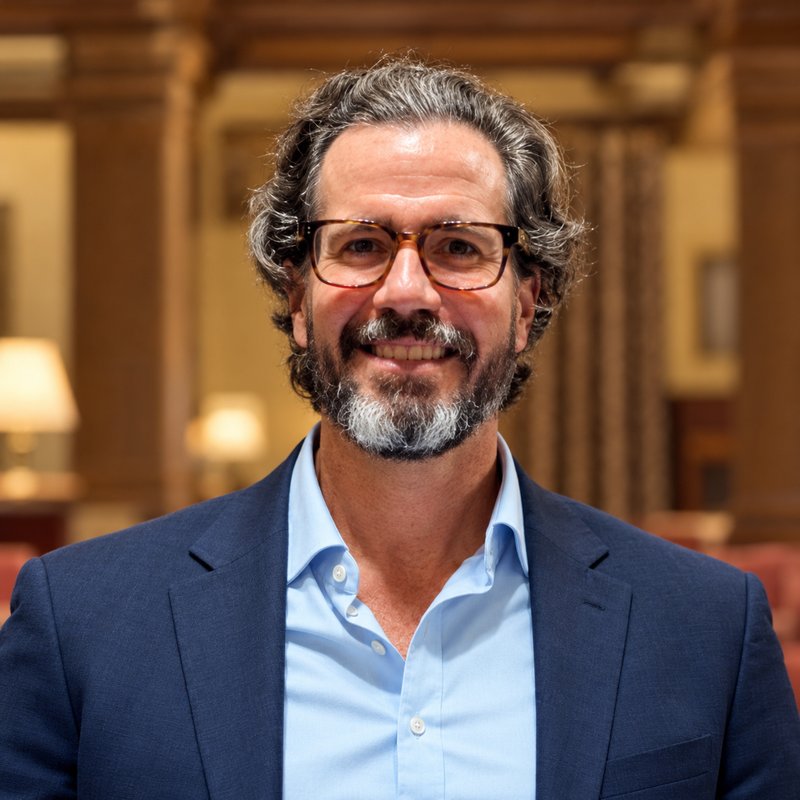 Tobias E. Carlislenamed it in 1 interview“It continued, "At no other point since the bursting of the dot-com bubble have so many companies fallen like this while the index itself was so close to a peak." Are tech stocks down big because the Federal Reserve expects to raise interest rates several times this year?” — Why Have Growth Stocks Plummeted? An Interview with Tobias Carlisle (The 7investing Podcast, 2022)
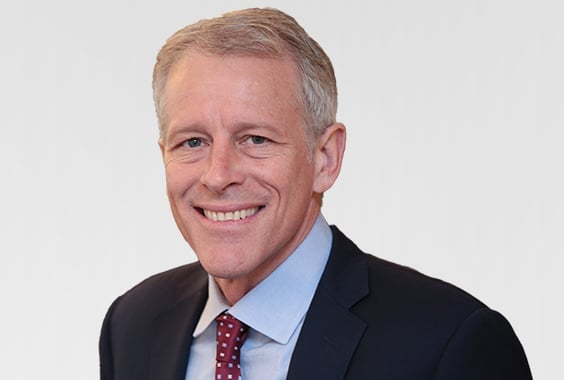 Whitney Tilsonnamed it in 1 interview“Dan and Corey kick the show off by discussing the newest unemployment number and its implications for inflation, rate cuts by the Federal Reserve, the stock market, and the future of the economy.” — Why Companies Are Afraid of Being Politically Correct with Whitney Tilson (Stansberry Investor Hour, 2023)
 Alex Rampellnamed it in 1 interview“CTO) on AI in general, as well as limits to exports of specific AI software that went into effect this week -- with operating partner Frank Chen (whose talk was cited in an earlier White House report); recent activity on the topic of negative interest rates as well as quantitative easing, given recent remarks (and paper ) from former chairman of the Federal Reserve Ben Bernanke -- with general partner Alex Rampell, who covers all things fintech.” — Regulating AI; Negative Interest Rates (#19) (16 Minutes News by a16z, 2020)
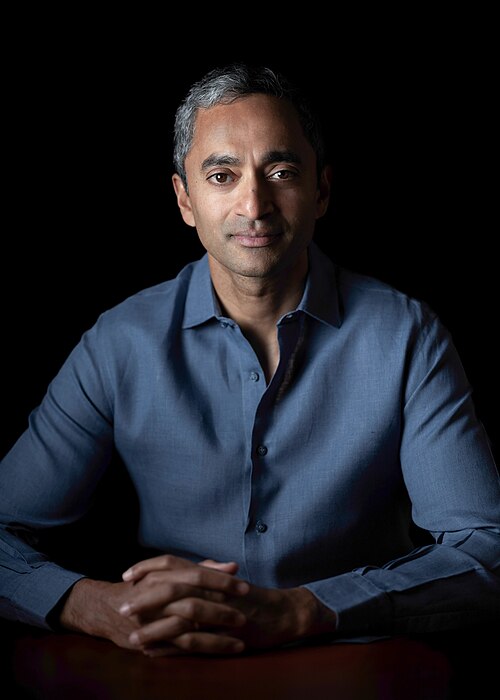 Chamath Palihapitiyanamed it in 1 article
 Codie Sancheznamed it in 1 interview“"Uncertainty around the economic outlook has increased" reported the Federal Reserve Wednesday, as it noted recent policy changes by the new Trump administration as one reason for a heightened risk environment.” — QUICK HIT: How to Build Wealth in Uncertain Times – SmartHER With Codie Sanchez (SmartHER News, 2025)
 Connie Channamed it in 1 interview“in conversation with Sonal Chokshi: use of alternative data in credit underwriting -- Five federal regulatory agencies (the Federal Reserve Board, the Consumer Financial Protection Bureau, the Federal Deposit Insurance Corporation, the Office of the Controller of the Currency, and the National Credit Union Administration) recently issued a joint statement on the use of alternative data in credit underwriting; what does this news really indicate, and what are the implications for both consumers and companies?” — Alternative Data for Credit; Retail Shopping Shifts (#15) (16 Minutes News by a16z, 2019)
 Deena Shakirnamed it in 1 interview“This year, the lineup included Federal Reserve Bank of Minneapolis President & CEO Neel Kashkari, Bank of America Chair of the Board & CEO Brian Moynihan, and The Vistria Group Senior Partner Margaret C.” — Investor Guide: Opening Bid round-up of Invest 2024 (Power Players with Brian Sozzi, 2024)
 Graham Stephannamed it in 1 article
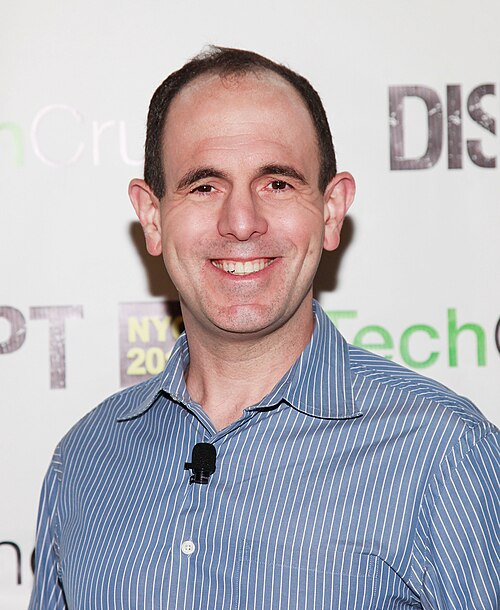 Keith Raboisnamed it in 1 interview“In this conversation, we discussed the coronavirus, the economic crisis, the Federal Reserve's actions, the issue with bad data, what we should learn from all of this, how OpenDoor is doing, what an economic recovery may look like, why Sundar Pichai should lose his job at Google, and how Chinese spies may have infiltrated big tech companies.” — 288: Keith Rabois on the State of the World (The Pomp Podcast, 2020)
 Pooja Goyalnamed it in 1 interview“Conversations include: Ron O'Hanley, CEO at State Street Pooja Goyal, CIO of Infrastructure at Carlyle Group Mark Attanasio, co-founder of Crescent Capital, chairman and principal owner of the Milwaukee Brewers Jeremy Allaire, CEO at Circle Byron Allen, chairman, founder and CEO at Allen Media Group Stephanie Drescher, chief client and product development officer at Apollo Global Management Marc Lipschultz, co-founder and co-CEO at Blue Owl Capital Neel Kashkari, President of the Minneapolis Federal Reserve Bank Anu Aiyengar, Global Head of M&A at JP Morgan Dr.” — Bloomberg Businessweek Weekend: May 10th 2024 (Bloomberg Businessweek, 2024)
 Saam Motamedinamed it in 1 interview“In the conversation, he discusses the Federal Reserve's recent 25 basis point interest rate cut, highlighting internal divisions within the Fed's rate-setting committee, with three members dissenting—two favoring no change and one advocating a deeper cut.” — Warner Deal Drags, H200 Exports Resume, Meta AI Chafe Gate | Joe Weisenthal, Ben Smith, Matt Hicks, Stephen Schwartz, Saam Motamedi, Nicholas Kelez, Antoine Tessier, Filip Kaliszan (TBPN, 2025)
 Seema Amblenamed it in 1 interview“in conversation with Sonal Chokshi: use of alternative data in credit underwriting -- Five federal regulatory agencies (the Federal Reserve Board, the Consumer Financial Protection Bureau, the Federal Deposit Insurance Corporation, the Office of the Controller of the Currency, and the National Credit Union Administration) recently issued a joint statement on the use of alternative data in credit underwriting; what does this news really indicate, and what are the implications for both consumers and companies?” — Alternative Data for Credit; Retail Shopping Shifts (#15) (16 Minutes News by a16z, 2019)
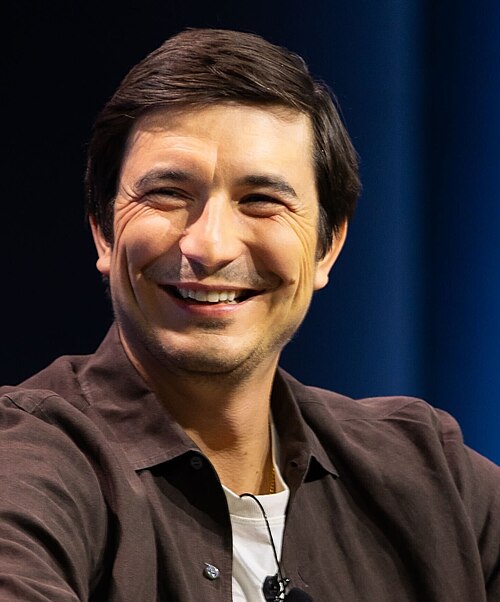 Vlad Tenevnamed it in 1 interview“Gunjan and Telis start off by discussing the upcoming Federal Reserve interest rate decision, and tackling what’s been going in the market for risky derivatives, where activity is on track to hit an all-time high this year.” — Is the YOLO Trade Back? Robinhood CEO Vlad Tenev Weighs In (WSJ's Take On the Week, 2024)
| From the Archives: Alan Greenspan on the U.S. Economy in 2015 | Alan Greenspan | On the Record | 2026-06-26 | 59 min | This episode revisits a 2015 CFR event featuring former Federal Reserve Chair Alan Greenspan, who passed away at age 100. Host: Steve Liesman , Senior Economics Reporter, CNBC Guests: Alan Greenspan , Former Chairman, Federal Reserve Board Want more comprehensive analysis of global news and events sent straight to your inbox? Subscribe to CFR’s Daily News Brief newsletter. To keep tabs on all CFR events, visit cfr.org/event . To watch this event, please visit it on our YouTube channel: A Conversation with Alan Greenspan |
| Why Bitcoin Makes the Federal Reserve Obsolete w/ Anthony Pompliano | Anthony Pompliano | The "What is Money?" Show | 2026-05-08 | 1:49 | // GUEST // Youtube: https://www.youtube.com/ @AnthonyPompliano // SPONSORS // Blockware Solutions: https://mining.blockwaresolutions.com/breedlove Performance Lab Supplements: https://www.performancelab.com/breedlove The Farm at Okefenokee: https://okefarm.com/ // PRODUCTS I ENDORSE // Protect your mobile phone from SIM swap attacks: https://www.efani.com/breedlove Lineage Provisions (use discount code BREEDLOVE): https://lineageprovisions.com/?ref=breedlove_22 Colorado Craft Beef (use discount code BREEDLOVE): https://coloradocraftbeef.com/ Salt of the Earth Electrolytes: http://drinksote.com/breedlove Jawzrsize (code RobertBreedlove for 20% off): https://jawzrsize.com // UNLOCK THE WISDOM OF THE WORLD'S BEST NON-FICTION BOOKS // https://course.breedlove.io/ // SUBSCRIBE TO THE CLIPS CHANNEL // https://www.youtube.com/@robertbreedloveclips2996/videos // TIMESTAMPS // 0:00 – WiM Episode Trailer 1:42 – Podcast Begins 8:00 – How Money Emerges: Trade, Scarcity, and the Five Monetary Properties 15:00 – Fiat Currency as a Pyramid Scheme: From Gold to Central Banking 24:56 – Mine Bitcoin with Blockware Solutions 25:56 – Absolute Scarcity: Why Bitcoin Is a One-Time Discovery 36:00 – Path Dependence, the Difficulty Adjustment, and Why Bitcoin Can't Be Replicated 44:00 – Ray Dalio's Three Critiques of Bitcoin Dismantled 49:32 – Performance Lab Supplements 50:50 – Price Signals as Truth: How Inflation… |
| What History's Greatest Currencies Tell Us About the Future of the Dollar | Barry Eichengreen | Barry Eichengreen | Hidden Forces | 2026-03-16 | 56 min | In Episode 468 of Hidden Forces, Demetri Kofinas speaks with renowned economic historian and author Barry Eichengreen about the history of international currencies and the prospects for the US dollar's continued preeminence, drawing on his new book Money Beyond Borders: Global Currencies from Croesus to Crypto. The first hour traces the long arc of international currency history, from the invention of coinage in ancient Lydia through the monetary innovations of Athens, Rome, and the Byzantine Empire, to Renaissance Florence, where a city-state with no navy and no silver mines managed to make its currency the dominant medium of exchange in Europe. The hour closes with a discussion about the Dutch Republic's revolutionary contributions to modern money and finance, and the Spanish silver dollar—the first truly global currency, which circulated from the New World to China and remained legal tender in the United States until the eve of the Civil War. The second hour examines Britain's emergence as the world's first modern financial superpower, whose decline opened the door to the internationalization of the US dollar, and the role that figures like Paul Warburg, the Federal Reserve, two World Wars, and the Bretton Woods Agreement each played in establishing dollar dominance—further cemented by the breakdown of Bretton Woods and the era of floating fiat currencies. |
| FULL INTERVIEW: Tyler Cowen on Kevin Warsh, Clawdbot, precious metals, and AI & unemployment | Tyler Cowen | TBPN | 2026-01-31 | 27 min | This is our full interview with Tyler Cowen, recorded live on TBPN. We discuss Kevin Warsh and the Federal Reserve, volatility in precious metals and gold, AI-driven unemployment, Clawdbot, and the broader societal impacts of AI. TBPN is a live tech talk show hosted by John Coogan and Jordi Hays, streaming weekdays from 11–2 PT on X and YouTube, with full episodes posted to podcast platforms immediately after. Described by The New York Times as “Silicon Valley’s newest obsession,” TBPN has recently featured Mark Zuckerberg, Sam Altman, Mark Cuban, and Satya Nadella. |
| 1929: From Stock Market Mania to Meltdown with Andrew Ross Sorkin | Andrew Ross Sorkin | RiskReversal Pod | 2026-01-16 | 1:06 | Andrew Ross Sorkin joins Dan Nathan on the RiskReversal Podcast to dig into his new book, 1929: Inside the Greatest Crash in Wall Street History and How It Shattered a Nation , and what the lessons of the 1920s mean for today’s stock market, Fed policy, and AI bubble talk. They connect the dots between the roaring ’20s and 2026: meme stocks like GameStop and AMC, crypto manias, “democratizing finance,” tariffs, Federal Reserve debates, margin debt, and how political power shapes Wall Street from Hoover and Roosevelt to the current administration. Follow our boy Bill on Instagram — FOLLOW US YouTube: @RiskReversalMedia Instagram: @riskreversalmedia Twitter: @RiskReversal LinkedIn: RiskReversal Media |
| Warner Deal Drags, H200 Exports Resume, Meta AI Chafe Gate | Joe Weisenthal, Ben Smith, Matt Hicks, Stephen Schwartz, Saam Motamedi, Nicholas Kelez, Antoine Tessier, Filip Kaliszan | Saam Motamedi | TBPN | 2025-12-10 | (00:28) - H200 Exports Resume (07:20) - China-Linked AI Chip Smuggling (14:43) - Joe Weisenthal, born September 2, 1980, in Detroit, Michigan, is an American journalist and television presenter, currently serving as the executive editor of news for Bloomberg's digital brands and co-host of the "Odd Lots" podcast. In the conversation, he discusses the Federal Reserve's recent 25 basis point interest rate cut, highlighting internal divisions within the Fed's rate-setting committee, with three members dissenting—two favoring no change and one advocating a deeper cut. He also examines the potential impact of future rate cuts on long-term yields, noting that aggressive short-term cuts could lead to higher long-term rates due to inflation expectations, which may not provide the desired economic stimulus. (34:20) - Warner Deal Drags (43:29) - Meta AI Chafe Gate (59:04) - Ben Smith is a veteran American journalist and media executive. He is the co-founder and editor-in-chief of Semafor, the global news platform launched in 2022. Previously, he was the media columnist for The New York Times (2020–2022) and before that the founding editor-in-chief of BuzzFeed News (2012–2020). Earlier in his career he covered politics for Politico and other outlets, helping pioneer digital-era political journalism. | |
| The $20 Trillion Absurdity | Jim Grant on the Risk No One Sees | James Grant | Excess Returns | 2025-12-04 | 1:01 | James Grant, legendary founder of Grant’s Interest Rate Observer, joins us for a wide-ranging conversation on cycles, interest rates, inflation, credit, the Federal Reserve, private markets, gold, and the future of investing. Grant brings five decades of historical perspective to today’s market extremes, explaining why this era of ultra-low interest rates created distortions that will shape returns for years to come — and where patient investors may ultimately find opportunity. Topics Covered • The historical patterns that define major market cycles • Why interest rate cycles unfold over generations • What the 2021 bond market top tells us about the next decade • How inflation behaves like an underground coal fire • The shift from “capitalism without capital” to the “tangible twenties” • Geopolitical tension, military spending, and inflation risk • The Fed’s role in shaping today’s market distortions • The long-term consequences of QE and financial repression • Private credit, opaque marks, and the fragility beneath the surface • Rising risks inside life insurance balance sheets • Why credit cycles always go further than anyone expects • The challenge of finding long opportunities in today’s market • Why liquidity and patience may be the biggest opportunities • Whether the classic 60/40 portfolio still works • Gold as money and why confidence in paper currencies is eroding • Jim Grant’s one lesson for the average investor Timestamps 00:00 Cycle extremes and market… |
| Jeremy Siegel on Inflation, Fed Policy, and Market Resilience | Jeremy Siegel | This Week in Business | 2025-07-25 | 10 min | Jeremy Siegel, Wharton Emeritus Professor of Finance and WisdomTree Chief Economist, shares his outlook on economic growth, inflation, interest rates, and market resilience, addressing the impact of tariffs, the rise of AI, and the uncertain future of Federal Reserve leadership. Hosted on Acast. See acast.com/privacy for more information. |
| QUICK HIT: How to Build Wealth in Uncertain Times – SmartHER With Codie Sanchez | Codie Sanchez | SmartHER News | 2025-03-20 | 16 min | "Uncertainty around the economic outlook has increased" reported the Federal Reserve Wednesday, as it noted recent policy changes by the new Trump administration as one reason for a heightened risk environment. How can you stay steady and succeed, when so much feels in flux? New York Times Best Selling Author and entrepreneur (and one-time journalist!) Codie Sanchez joins us with some fresh perspective. BOOK: Main Street Millionaire Codie Sanchez SUPPORT OUR MISSION If you'd like to help support SmartHER News' mission of a free, independent, nonpartisan press – become a SCOOP insider: https://www.scoop.smarthernews.com/get-the-inside-scoop/ Instagram: https://www.instagram.com/smarthernews/ Website: https://smarthernews.com/ YouTube Channel: https://www.youtube.com/smarthernews Support this podcast at — https://redcircle.com/smarthernews/exclusive-content Advertising Inquiries: https://redcircle.com/brands |
| Insights To How AI is Changing Wholesale Distribution From Infor’s Steven Levy | Steven Levy | Around the Horn in Wholesale Distribution Podcast | 2025-01-31 | 1:33 | What's the biggest challenge facing wholesle distributors, and is AI really part of the solution? We decided to ask Steven Levy, Vice President of Enterprise Architecture at Infor . From supply chain shifts and nearshoring trends to the evolving role of AI in business operations , this conversation dives deep into the challenges and opportunities facing distributors today. Levy shares his expert insights on technology's role in modernizing operations , the economic factors shaping distribution , and how companies can future-proof their businesses in an unpredictable market. Key Topics & Timestamps: ⏳ [00:00] Introduction & Setting the Stage The importance of engaging conversations on supply chain, technology, AI, and leadership . ⏳ [04:25] Meet Steven Levy: The Distribution Architect Steven’s journey from ERP strategy to digital transformation in wholesale distribution . How his role at Infor is shaping the future of enterprise technology for distributors . ⏳ [12:10] The State of the Economy & Interest Rates Analysis of the Federal Reserve’s latest decisions and how they impact distributors and manufacturers . Inflation concerns and the reality of rising costs in the supply chain . ⏳ [24:45] Supply Chain Disruptions & Nearshoring Trends Why Mexico, Guatemala, and the Dominican Republic are becoming key nearshoring hubs . The impact of tariffs on distributors and their pricing strategies . |
| The Price of Time with Edward Chancellor (Re-Release) | Edward Chancellor | The HC Commodities Podcast | 2024-12-25 | 1:02 | A still timely discussion as the Federal Reserve comes under pressure to decrease rates... How low interest rates since the financial crisis have caused inequality, populism and inflation. Christmas re-release of one of host Paul Chapman's favorite discussions. Award-winning, financial journalist and historian Edward Chancellor join us to discuss interest rates and the impact on the commodities sector. Interest rates – the price of money and time – have been unnaturally low since the global financial crisis. This has led to a profound impact on finance and society. Global corporates found financial engineering more “profitable” than focusing on products and operations. Assets inflated and inequality widened. In the commodities world, the cost of carry and cost of finance, was essentially zero. Energy tech plays were awash in money and valuations sky high. Rates are now rising and those same engineered corporates are becoming zombies. China risks economic Armageddon as the global carry trade ends. Assets prices are falling and financially stressed commodity traders, now face higher rates. Edward argues higher rates will return the world to profitable growth and risk allocation unless political will to reverse rates wins… For related content and to find out more about HC Group, a search firm dedicated to the energy & commodities sector, visit https://www.hcgroup.global |
| Is the YOLO Trade Back? Robinhood CEO Vlad Tenev Weighs In | Vlad Tenev | WSJ's Take On the Week | 2024-12-15 | 27 min | Welcome to WSJ’s Take On the Week. Co-hosts Gunjan Banerji, lead writer for Live Markets, and Telis Demos, Heard on the Street’s banking and money columnist, cut through the noise and dive into markets, the economy and finance—the big trades, key players and business news ahead. Gunjan and Telis start off by discussing the upcoming Federal Reserve interest rate decision, and tackling what’s been going in the market for risky derivatives, where activity is on track to hit an all-time high this year. Later on, the co-hosts are joined by Robinhood CEO Vlad Tenev. Before the trading platform Robinhood became a one-stop app offering a slew of financial products, from credit cards to retirement accounts, it was at the center of the 2021 GameStop and meme stock frenzy. Gunjan, Telis and Vlad discuss Robinhood’s transformation and the rise and future of retail investing. Have an idea for a future guest or episode? How can we better help you take on the week? We’d love to hear from you. Email the hosts at telis.demos@wsj.com and gunjan.banerji@wsj.com. Further Reading Robinhood Wants to Grow Up The Thrill Factor Is Back for Retail Investors Robinhood Sets Sights on New Bounty: The Rising Rich For more coverage of the markets and your investments, head to WSJ.com, WSJ’s Heard On The Street Column, and WSJ’s Live Markets blog. Hosted by Simplecast, an AdsWizz company. See pcm.adswizz.com for information about our collection and use of personal data for advertising. |
| #219 Campbell Harvey: End of Boom-Bust Cycle? | Will Yield Curve Show First False Signal? | Campbell R. Harvey | The Julia La Roche Show | 2024-12-12 | 1:05 | Professor Campbell Harvey, professor of finance at the Fuqua School of Business at Duke University and the inventor of the most famous recession indicator — the inverted yield curve — returns to The Julia La Roche Show for episode 219 to discuss the state of the economy, the yield curve, and what's ahead for U.S. growth. Links: DeFI and the Future of Finance: https://www.amazon.com/DeFi-Future-Finance-Campbell-Harvey/dp/1119836018 https://www.fuqua.duke.edu/faculty/campbell-harvey https://people.duke.edu/~charvey/ https://twitter.com/camharvey Timestamps: 00:02 Introduction to Professor Campbell Harvey 00:51 BlackRock's "end of boom-bust cycle" thesis 04:15 Historical perspective on market cycles 06:14 Impact of wealthy consumers on economy 07:13 Role of technological innovation 11:37 U.S. leadership in innovation 14:31 Growth prospects and productivity potential 16:09 Post-election growth outlook 24:56 U.S. debt and deficit challenges 28:16 Social Security sustainability issues 32:51 Inverted yield curve indicator discussion 40:11 Impact of technological innovations 45:21 Federal Reserve policy critique 50:20 Distortions from Fed's zero-rate policy 54:18 Future consequences of Fed decisions 59:40 Closing thoughts on U.S. prospects |
| Investor Guide: Opening Bid round-up of Invest 2024 | Deena Shakir | Power Players with Brian Sozzi | 2024-11-15 | Amid a changing political landscape in the US and uncertainty across the world, many investors are looking for guidance for the rest of the year and beyond. Yahoo Finance’s marquee event, Invest 2024, brings together executives from some of the world’s largest corporations, thought leaders, and policymakers to help investors make strong decisions. This year, the lineup included Federal Reserve Bank of Minneapolis President & CEO Neel Kashkari, Bank of America Chair of the Board & CEO Brian Moynihan, and The Vistria Group Senior Partner Margaret C. Anadu, among many others. In this episode of Opening Bid, we're bringing you key commentary from the event, covering the potential impact of geopolitics on the bond market, the future of the defense sector, tech in retail and healthcare, and modern approaches to a diversified portfolio. You’ll hear from Apollo Global Management Co-Founder and CEO Marc Rowan, Macy’s Inc. Chairman & CEO Tony Spring, and Lux Capital General Partner Deena Shakir, among others. To enjoy more interviews and highlights from Invest 2024, watch on our website or listen on your favorite podcast platform. Yahoo Finance's Opening Bid, brings you a high-octane take on the freshest analyst calls, wildest stock moves and shrewdest commentary in the business world. Executive Editor Brian Sozzi puts Wall Street's finest through their paces in this essential conversation for every investor - before the stock market opens. | |
| Fed’s Mistakes Could Spark Recession | What’s Next for Bitcoin & Economy? | Campbell R. Harvey | Campbell R. Harvey | The Wolf Of All Streets | 2024-09-15 | 54 min | In this episode with Campbell R. Harvey, Professor of Finance at Duke University and Director of Research at Research Affiliates, LLC, we break down the significance of the yield curve inversion and what it signals for the future of the economy. We discuss the Federal Reserve’s policy mistakes, the impact of high interest rates on growth, and where Bitcoin and decentralized finance (DeFi) fit into investment portfolios. If you're curious about where the economy is headed and how to position yourself for the future, this conversation is packed with valuable insights. Follow Campbell R. Harvey: https://x.com/camharvey ►► WANT MORE? JOIN MY COMMUNITY AND GET EVERYTHING WOLF OF ALL STREETS! 👉https://www.thewolfofallstreets.com/ ►► JOIN THE FREE WOLF DEN NEWSLETTER, DELIVERED EVERY WEEKDAY! 👉https://thewolfden.substack.com/ ►► The Arch Public Unleash algorithmic trading. Discover how algorithms used by hedge-funds are now accessible to traders looking for unparalleled insights and opportunities! 👉https://thearchpublic.com/ ►►TRADING ALPHA READY TO TRADE LIKE THE PROS? THE BEST TRADERS IN CRYPTO ARE RELYING ON THESE INDICATORS TO MAKE TRADES. Use code '10OFF' for a 10% discount. |
| Sell-Off Calls: a Rate Cut, a “Growth Scare,” & Buffett’s Slash 08/05/24 | Jeremy Siegel | Squawk Pod | 2024-08-05 | 40 min | U.S. stocks take a significant hit , mirroring a worldwide market downturn driven by fears of an impending U.S. recession. Part of the global market sell-off, Japan's Nikkei 225 experienced a dramatic plunge , marking its steepest drop since 1987. Tom Lee, managing partner and head of research at Fundstrat Global Advisors, offers insights into the latest market moves and the broader implications of the sell-off on the Federal Reserve’s interest rate decisions. Then, Jeremy Siegel, professor emeritus of finance at the University of Pennsylvania’s Wharton School of Business and chief economist at Wisdom Tree, is calling for emergency rate cuts from the Fed. And Axios co-founder Mike Allen gives an analysis of the 2024 election and the potential impact of Vice President Kamala Harris’ upcoming vice-presidential pick . Plus, Warren Buffett dropped over 49% of Berkshire Hathaway’s stake in Apple . Tom Lee - 12:15 Jeremy Siegel - 23:14 Mike Allen - 35:27 Tom Lee, @fundstrat Mike Allen, @mikeallen Joe Kernen, @JoeSquawk Andrew Ross Sorkin, @andrewrsorkin Cameron Costa, @CameronCostaNY Hosted by Simplecast, an AdsWizz company. See pcm.adswizz.com for information about our collection and use of personal data for advertising. |
| Jim Grant: Inflation & Interest Rates More Likely To Rise Than Fall In Coming Years | James Grant | Thoughtful Money with Adam Taggart | 2024-06-02 | 1:32 | Between February 2022 and August 2023, in order to combat hot inflation, the Federal Reserve rocketed its discount rate from near 0% to 5.25% -- the most aggressive interest rate schedule in living memory. Since then, the Fed has kept the rate at 5.25% -- the 'higher for longer' era But despite this, even when paired with Quantitative Tightening, economic growth remains robust, inflation is lower but is proving sticky, unemployment remains under 4%, and the stock market is at all time highs. In short, the Fed's aggressively restrictive policies haven't cooled things down much. They've been so ineffective that even the Wall Street Journal is asking "Do interest rates really matter anymore?" To find out, we have the great fortune of speaking today with perhaps the world's foremost living expert on interest rates, James Grant, founder and editor of the highly-respected market journal Grant's Interest Rate Observer. WORRIED ABOUT THE MARKET? SCHEDULE YOUR FREE PORTFOLIO REVIEW with Thoughtful Money's endorsed financial advisors at https://www.thoughtfulmoney.com #interestrates #inflation #recession |
| Bloomberg Businessweek Weekend: May 10th 2024 | Pooja Goyal | Bloomberg Businessweek | 2024-05-11 | On this special edition of the Bloomberg Businessweek Weekend edition, we hear some of our favorite conversations from the Milken Institute Global Conference from Beverly Hills, California. Featuring Carol Massar, Romaine Bostick and Tim Stenovec. Conversations include: Ron O'Hanley, CEO at State Street Pooja Goyal, CIO of Infrastructure at Carlyle Group Mark Attanasio, co-founder of Crescent Capital, chairman and principal owner of the Milwaukee Brewers Jeremy Allaire, CEO at Circle Byron Allen, chairman, founder and CEO at Allen Media Group Stephanie Drescher, chief client and product development officer at Apollo Global Management Marc Lipschultz, co-founder and co-CEO at Blue Owl Capital Neel Kashkari, President of the Minneapolis Federal Reserve Bank Anu Aiyengar, Global Head of M&A at JP Morgan Dr. Ali Rezai, executive director of the West Virginia University Rockefeller Neuroscience Institute Hear the show live at 2PM ET on WBBR 1130 AM New York, Bloomberg 106.1 FM Boston, Bloomberg 960 AM San Francisco, WDCH 99.1 FM in Washington D.C. Metro, Sirius/XM channel 121, on the Bloomberg Business App, Radio.com, the iHeartRadio app and at Bloomberg.com/audio. You can also watch Bloomberg Businessweek on YouTube - just search for Bloomberg Global News. Like us at Bloomberg Radio on Facebook and follow us on Twitter @carolmassar @timsteno and @BW See omnystudio.com/listener for privacy information. | |
| Wells Fargo's Wren: 'There's very little chance of a rate cut any time soon' | Larry Swedroe | Money Life with Chuck Jaffe | 2024-04-22 | 59 min | Scott Wren, senior global market strategist at the Wells Fargo Investment Institute , expects the Federal Reserve to cut rates, but no more than twice this year and in September at the earliest, and he says it's increasingly likely the moves won't start until 2025. The amazing thing, Wren says, is that the stock market got to where it was flirting with record highs despite investors adjusting from six projected cuts this year down to potentially none. He says market valuations are high and he expects them to give in to economic pressures to move lower, but long-term he's positive on equities, liking industrials, health care and energy stocks while trimming technology and communication services, the big winners from 2023. David Trainer, president at New Constructs revisits pet-insurance company Trupanion, a Zombie stock that he says may be worth shorting as its business model is flawed and unlikely to be turned around. Plus, Larry Swedroe, chief research officer at Buckingham Wealth Partners , discusses his new book, "Enrich Your Future: The Keys to Successful Investing." |
| 423: Campbell Harvey Says the Fed is WRONG on Inflation and Interest Rates | Campbell R. Harvey | Wealth Formula Podcast | 2024-04-21 | 40 min | Even really smart people are wrong on a regular basis. I see this all the time in health and longevity-related issues on my other podcast, Sapio with Buck Joffrey. In case you are wondering…yes, I have become one of those middle-aged California guys trying to stay young at all costs. Not easy. But, I have to admit, the nerdy physician scientist type in me is having lots of fun with the science and enjoying the process of sharing it with my fellow Gen-Xers who are also fighting gravity with me. But getting back to the point of smart people being wrong—we see this a lot in medicine. In the 1960s, a lot smart people created the food pyramid that said we should be eating a lot of carbohydrates and very little fat. That's quite the opposite of what recent science suggests. There was also a period in the 1990s when women were advised not to use hormone replacement because a study was thought to have suggested a link with breast cancer. A generation of doctors gave women bad advice based on what turned out to be a misinterpretation of data. On the economic side, we don't have to go far back to see the Federal Reserve calling inflation "transitory" just before it skyrocketed for real. How could so many smart people be so wrong? And now, the Fed is likely delaying interest rate cuts because of higher-than-expected inflation numbers. Are they missing something here? My guest on this week's Wealth Formula Podcast thinks so and his reasons are compelling. |
| Campbell Harvey, Inventor of Inverted Yield Curve Recession Signal, On The Bond Market, The U.S. Economy, And Federal Reserve Policy | Campbell R. Harvey | Forward Guidance | 2024-01-18 | 57 min | Forward Guidance is sponsored by VanEck. Learn more about the VanEck Morningstar Wide MOAT ETF (MOAT) at https://vaneck.com/MOATFG,. __ So many market participants now regard an inverted yield curve as a harbinger of a recession, due to the indicator’s perfect track record of preceding an economic slowdown. Today, Jack interviews the founder of this economic indicator, Campbell R. Harvey. Harvey shares how he discovered this signal in the bond market in the 1980s, and how it has an 8 out 8 track record in preceding recessions (with zero false signal). An inverted yield curve is when short-term interest rates exceed long-term interest rates. Harvey’s specific signal on which he wrote his dissertation in 1986 (his thesis advisor was Eugene Fama, Nobel Prize-winning economist) was the spread between the 10-year Treasury yield and the 3-month Treasury yield. It is this indicator which has an 8/8 perfect track record, not the 2s10s (10-year Treasury yield minus the 2-year Treasury yield), which as Harvey notes gave a false signal in 1998. Harvey argues that since his 10-year / 3-month signal inverted in the fall of 2022, the first and second quarter of 2024 is when a potential economic slowdown would occur (the average lag between the inversion of the 10-year / 3-month spread is 12 months, but the longest lag is 22 months). However, Harvey notes that there are several positive forces supporting the U.S. |
| Why Companies Are Afraid of Being Politically Correct with Whitney Tilson | Whitney Tilson | Stansberry Investor Hour | 2023-12-12 | 1:13 | Dan and Corey kick the show off by discussing the newest unemployment number and its implications for inflation, rate cuts by the Federal Reserve, the stock market, and the future of the economy. They speculate that this unemployment rate could result in the Fed putting off rate cuts for even longer. Next, Whitney joins the conversation by discussing the "Magnificent Seven" tech stocks and explains why he thinks smaller-cap, more value-oriented stocks will be driving the markets next. He also compares Tesla CEO Elon Musk's "rampant narcissism," "bro culture" at the company, and antisemitic tweets with exemplars like Warren Buffett and Charlie Munger. This leads to a discussion about how cultural differences affect businesses. Whitney brings up Anheuser-Busch's Bud Light ad campaign with a transgender influencer and Disney fighting Ron DeSantis' controversial bill in Florida. He shares why he thinks companies are "running pretty darn scared these days" after seeing both those iconic businesses suffer for taking political stances. Then, Whitney talks about his Top 10 list. He details why Berkshire Hathaway continues to be such an attractive opportunity today and why it's the perfect foundation for any portfolio. And he also emphasizes that we are no longer in a TINA world, or "there is no alternative." Finally, Whitney gives his opinion on what he thinks the Fed will do next in terms of interest rates and what the potential outcomes could be. |
| Rob Arnott: Recession ahead, but worst of bear market is behind us | Robert D. Arnott | Money Life with Chuck Jaffe | 2023-01-03 | 1:01 | Rob Arnott, chairman and chief executive officer at Research Affiliates, says that the Federal Reserve has made 'a series of mistakes' that he expects to continue with a pivot away from rate hikes that occurs too late to stop a recession. Still, Arnott believes that slowdown is already priced into the market, meaning that the worst of the bear market -- except for any last capitulation meltdown -- is behind us. Still, Arnott is not ready to invest much in domestic equities now, noting that he'd favor international and emerging markets stocks because they're better values and those markets seem to have already passed the 'peak fear' point that makes them more attractive than a U.S. market that's not quite there yet. Arnott also notes that value stocks are 'in their cheapest quintile in history,' making them a place for investors to turn once the market reaches the full-on buying stage again later this year. Also on the show, in the Market Call, Mark Travis, manager of the Intrepid Capital Funds, discusses the benefits of investing in companies that make beer, shoes and underwear. |
| The Bad News Bears & A Conversation with Michael Mauboussin | Michael Mauboussin | RiskReversal Pod | 2022-12-23 | 1:14 | Guy Adami and Danny Moses discuss SBF’s $250 million bail and David Teper’s bearish outlook going into 2023 (5:15). The Bank of Japan shook markets on Tuesday, what do we make of the dollar/yen trade (8:40)? Central bankers continue to take action, should we be buying gold as a hedge (10:30)? Micron will cut 10% of its workforce due to a lack of demand for computer chips, will the tech downturn leak into 2024 (14:15)? The Tesla sell-off continues, could we see a Friday Night Dirty? (19:35). CarMax is putting a hold on stock buy backs, citing a “used-vehicle recession” (24:45). The OG meme stock AMC is ticking off its loyal apes by attempting to raise capital and complete a reverse stock split (27:30). Danny dishes out his picks for Week 16 in the NFL (31:25). After the break, Guy & Dan interview Michael Mauboussin about his experience on Wall Street and how much it has evolved since his career began (37:00). Micheal also discusses his role at Columbia University, how does he blend academic knowledge with “street” knowledge (48:00). Michael gives us insight into what makes financial media so bad at predicting market futures (53:30). It wouldn’t be an episode of On The Tape if we didn’t discuss the Federal Reserve and interest rates (1:03:15). We wrap with a lesson on how to keep your convictions in check (1:09:00). Check out our show notes and transcript here ---- See what adding futures can do for you at cmegroup.com/onthetape . |
| How To Survive Rampant Inflation & The Folly Of The Fed w/ Jim Grant (RWH012) | James Grant | The Investor's Podcast (We Study Billionaires) - The Investor’s Podcast Network | 2022-08-21 | 1:58 | IN THIS EPISODE, YOU’LL LEARN: 18:35 - How the Great Inflation of 1965-81 shaped Jim Grant’s views on our current predicament. 25:31 - How history shows us that human behavior around money has never really changed. 30:50 - Why it’s futile to forecast interest rates, but wise to know what’s happened in the past. 42:53 - How the Federal Reserve sparked rampant inflation, why it’s scary, & how to deal with it. 55:16 - How central bankers illustrate the perils of overconfidence & the need for humility. 1:03:20 - How the Fed could wreck the U.S. economy while attempting to tame inflation. 1:07:01 - What investment opportunities Jim sees in this high-risk economic environment. 1:10:43 - Why he’s bearish on bonds as a 40-year cycle of falling interest rates comes to an end. 1:19:40 - Why Jim likes gold, not Bitcoin, as a protection against financial chaos & monetary folly. 1:35:07 - Why he adamantly refuses to invest in China. 1:28:47 - What Jim thinks of great investors like Seth Klarman, Paul Tudor Jones, & Bill Miller. 1:36:14 - How to handle the emotional challenge of investing when the stock market is tumbling. 1:40:57 - What we can learn from Bernard Baruch, one of the best investors of the 20th century. 1:44:22 - What you can learn from a classic investment book about the secret of “dying rich.” 1:53:10 - What Jim regards as “the most precious commodity” in life. *Disclaimer: Slight timestamp discrepancies may occur due to podcast platform differences. |
| Jim Grant: 'Rising Interest Rates Are the Kryptonite of Financial Assets' | James Grant | The Long View | 2022-05-03 | 48 min | Our guest this week is Jim Grant. Jim is the founder and editor of Grant's Interest Rate Observer , a twice-monthly newsletter on financial markets with a focus on bonds. He is the author of numerous books and has made frequent appearances in the financial press where his views on markets and the macroeconomy are much sought after. Before founding Grant's Interest Rate Observer , Jim did stints as a journalist, first as a reporter at The Baltimore Sun , and later at Barron's . He received his bachelor's degree from Indiana University and his master's in international relations from Columbia University. Background Bio Grant’s Interest Rate Observer The Forgotten Depression: 1921: The Crash That Cured Itself Mr. Market Miscalculates: The Bubble Years and Beyond Money of the Mind Bagehot: The Life and Times of the Greatest Victorian Inflation and Interest Rates “ Jim Grant: The Fed Cannot Control Inflation ,” by Robert Huebscher, advisorperspectives.com, May 4, 2021. “ Jim Grant: The Trouble With Treasuries ,” by James Grant, barrons.com, Oct. 11, 2019. “ The High Cost of Low Interest Rates ,” by James Grant, wsj.com, April 1, 2020. “ Happy Birthday, Federal Reserve! Have Some Punch (Before the Bowl Gets Taken Away) ,” by Paul Vigna, wsj.com, Dec. 23, 2013. “ The Inflation Headshake ,” by Eric Cinnamond, palmvalleycapital.com, March 9, 2022. |
| Sebastian Mallaby: The Greatest Storyteller in Venture Capital | Sebastian Mallaby | Summation with Auren Hoffman | 2022-04-12 | 57 min | Sebastian Mallaby is the author of The Power Law, a renowned journalist and a senior fellow for international economics at the Council on Foreign Relations. Sebastian and Auren start by discussing the powerful trends in the recent history of Venture Capital. They discuss the rise of the growth funds and crossover funds and the issues with governance that are created as a company grows. They also dive into what makes firms like Sequoia and Benchmark truly special. Sebastian and Auren also review the major macroeconomic crises of the past 40 years and what we’ve learned about the Federal Reserve’s role in navigating crises. World of DaaS is brought to you by SafeGraph. For more episodes, visit safegraph.com/podcasts You can find Auren Hoffman (CEO of SafeGraph) on Twitter at @auren and Sebastian Mallaby at @scmallaby |
| Why Have Growth Stocks Plummeted? An Interview with Tobias Carlisle | Tobias E. Carlisle | The 7investing Podcast | 2022-01-18 | 1:05 | In 2021, many growth investors suffered severe losses even while the S&P 500 index advanced 27%. A recent Bloomberg article pointed out that almost 40% of the stocks in the Nasdaq Composite Index were down 50% or more from their all-time highs. It continued, "At no other point since the bursting of the dot-com bubble have so many companies fallen like this while the index itself was so close to a peak." Are tech stocks down big because the Federal Reserve expects to raise interest rates several times this year? Did their valuations get too stretched in their post-COVID runup? Tobias Carlisle joined 7investing Lead Advisor Matthew Cochrane this week to help us walk through these challenging questions. Carlisle, the founder and managing director of Acquirers Funds , believes it is important to weigh the company's quality with the valuation investors must pay to buy shares. In an exclusive interview with 7investing, Tobias describes his investment philosophy as "quality at an unreasonable price." He states that he looks for three primary qualities before investing in a company: 1) a discount to a conservative valuation; 2) a strong, liquid balance sheet; and 3) a robust business capable of generating free cash flows. 7investing Lead Advisor Matthew Cochrane and Tobias Carlisle walk through the definitions of value and growth stocks. |
| Episode 1: The Future of DeFi and Crypto with Duke Professor Campbell Harvey | Campbell R. Harvey | The Cryptify Podcast | 2021-12-30 | 46 min | On today's episode, we are joined by Finance Professor Campbell Harvey from the Fuqua School of Business at Duke University to talk about the future of DeFi and the crypto space. Professor Harvey is a research associate of the National Bureau of Economic Research and has been a visiting scholar at the Board of Governors of the Federal Reserve System. He serves as Partner and Senior Advisor at Research Affiliates who oversees over $180 billion in client funds as well as Investment Strategy Advisor to the Man Group, the world’s largest, publicly listed, global hedge fund provider. Over the past seven years, Professor Harvey has taught “Innovation and Cryptoventures” at Duke University. Enjoy the episode! Future Leaders In Cryptocurrencies (FLIC) is a 501(c)(3) nonprofit dedicated to cryptocurrency and blockchain education. The Cryptify Podcast, a segment of FLIC, is a diverse conversation with some of the world's leading cryptocurrency educators, investors, innovators, and enthusiasts. These conversations are meant to create an educational environment to learn from the stories and experiences of crypto experts. Episodes air monthly on Apple Podcasts, Spotify, and Google Podcasts. To learn more about FLIC and The Cryptify Podcast, visit joinflic.org and follow us on Instagram @join.flic for updates. |
| 037. Will Tangible Commodities Give You Wealth Security? With Jim Rogers | Jim Rogers | The Solomon Investor | 2021-02-25 | 40 min | Will Tangible Commodities Give You Wealth Security? In today’s financial climate, it is vital to recognize opportunities that have the potential to provide wealth security. So the question becomes where are those opportunities? Could they be in tangible commodities? When looking for the answer to these questions, it is important to realize that the answer is found in the search for knowledge on tangible commodities and wealth security as it applies to the current state of the market. With that being said, in today’s episode I am joined by a very special guest, Jim Rogers. Jim is an author, adventurer, financial commentator and a successful international investor. He is featured in many business and financial media outlets worldwide, including The Washington Post, Time, Forbes, and The Wall Street Journal. Together, Jim and I discuss wealth security, and many more topics that are imperative to the modern day investor. Key Takeaways: Introduction to Jim Rogers (2:14) The current state of the U.S. Economy (4:04) What is the Federal Reserve and how does their money printing affect people short-term and long-term (5:00) What do Americans need to know when it comes to their investments and the state of the U.S. financial markets? (10:11) Jim’s thoughts on strong investment opportunities in the U.S. (13:49) What does the value of the dollar look like in 20 years? (17:33) Digital currency? (22:00) Will blockchain be able to be digital gold in the future? |
| Interview with James Grant | James Grant | The AI Metagame | 2020-05-30 | 59 min | In this interview, I had a cherished opportunity to interview Jim Grant, a legend of financial journalism. We discuss his new book on Walter Bagehot, and the Federal Reserve interventions of March and April 2020. |
| 288: Keith Rabois on the State of the World | Keith Rabois | The Pomp Podcast | 2020-05-06 | 1:51 | Keith Rabois is a General Partner at Founders Fund and is one of the most respected minds in Silicon Valley. He previously was part of the PayPal mafia, served as the COO of Square, and co-founded real estate company OpenDoor. Keith also has invested in many industry defining businesses including Yelp, Linkedin, and hundreds of others. In this conversation, we discussed the coronavirus, the economic crisis, the Federal Reserve's actions, the issue with bad data, what we should learn from all of this, how OpenDoor is doing, what an economic recovery may look like, why Sundar Pichai should lose his job at Google, and how Chinese spies may have infiltrated big tech companies. You don't want to miss this episode. ============================= This episode is brought to you by Koyfin. It is the only software tool that I use when trying to better understand the financial markets. They are a web-based platform that lets you analyze stocks, ETFs, mutual funds and other assets all in one place. I’ve been using it every day to track what's going on in the market and I think if you try it, you will too. Koyfin has a ton of high quality data, powerful functionality and a clean interface. The best part is that it is free. You can sign up at http://www.koyfin.com ============================= Pomp writes a daily letter to over 45,000 investors about business, technology, and finance. |
| Gillian Tett on Fed dollar scheme, Covid-19 testing | Gillian Tett | FT News Briefing | 2020-04-01 | 10 min | The FT’s Gillian Tett unpacks the Federal Reserve’s latest move to meet the global demand for dollars, and science editor Clive Cookson explains how different countries are handling coronavirus testing and how the private sector could step in. Plus, Donald Trump is set to suspend some tariffs for 90 days as he tries blunt the economic damage from the pandemic, the UK’s six biggest banks have bowed to pressure from Britain’s top financial regulator to suspend dividend payments, and as coronavirus reaches the developing world, a record 85 countries have approached the IMF for short-term relief in recent weeks. Hosted on Acast. See acast.com/privacy for more information. |
| Regulating AI; Negative Interest Rates (#19) | Alex Rampell | 16 Minutes News by a16z | 2020-01-13 | In this 19th episode of our news show, where we cover recent headlines from our vantage point in tech, we cover the following news items (in conversation with Sonal Chokshi): recent moves to regulate artificial intelligence (AI) software including the White House's recent guidance (and op-ed from the U.S. CTO) on AI in general, as well as limits to exports of specific AI software that went into effect this week -- with operating partner Frank Chen (whose talk was cited in an earlier White House report); recent activity on the topic of negative interest rates as well as quantitative easing, given recent remarks (and paper ) from former chairman of the Federal Reserve Ben Bernanke -- with general partner Alex Rampell, who covers all things fintech. | |
| Alternative Data for Credit; Retail Shopping Shifts (#15) | Connie Chan, Seema Amble | 16 Minutes News by a16z | 2019-12-16 | This is the 15th episode of 16 Minutes, our news show where we cover the top headlines, the a16z Podcast way: what’s real / what’s hype; what's interesting from our vantage point in tech. This week (after a brief hiatus for our annual innovation event and November holidays), we cover the following news... in conversation with Sonal Chokshi: use of alternative data in credit underwriting -- Five federal regulatory agencies (the Federal Reserve Board, the Consumer Financial Protection Bureau, the Federal Deposit Insurance Corporation, the Office of the Controller of the Currency, and the National Credit Union Administration) recently issued a joint statement on the use of alternative data in credit underwriting; what does this news really indicate, and what are the implications for both consumers and companies? -- with Seema Amble and Rex Salisbury; big annual shopping days and retail trends -- From Black Friday to Cyber Monday to Singles' Day and Prime Day and seemingly unprecedented sales, where are we in the shift from offline to online commerce, on the so-called "death of retail", and on other tech (chatbots, logistics) changing shopping? -- with Jeff Jordan and Connie Chan. | |
| Season 2 - Looking Back at the Asian Financial Crisis: Gillian Tett on Trust and Contagion During the Asian Financial Crisis | Gillian Tett | Pacific Exchanges | 2017-08-07 | 25 min | In the second episode of our series on the Asian financial crisis, we talked with Gillian Tett, U.S. managing editor of the Financial Times . Gillian was based in Asia at the time of the crisis and witnessed it spread across the region. In the interview, she relays her experience in Asia in 1997 and how it helped her spot warning signs ahead of the 2008 global financial crisis. Some of her key takeaways include: Contagion caused the crisis to spread across Asia. Investors lumped all of Asia's problems together, sometimes without clear connection or rationale. Japan is not typically considered to be at the center of the Asian financial crisis, but the crisis drew attention to the country's unresolved banking problems. When the Japanese government forced the recognition of bad assets in 1997, it led to a sharp erosion of public faith in the financial system because it challenged existing notions that the government would support banks. When it became clear that the Japanese financial system lacked transparency, risky assets could not be priced effectively, and private savers and investors froze all activity. Fast economic growth can lead to complacency around risks. Rapid Japanese growth in the 1980s led to the overlooking of mounting risks, a mistake that would be repeated by other countries in the run up to the global financial crisis. The views expressed are not necessarily those of the Federal Reserve Bank of San Francisco or of the Federal Reserve System. |
| Sebastian Mallaby | Sebastian Mallaby | Global I.Q. Podcast | 2017-01-30 | 12 min | Council President and CEO Jim Falk spoke with Sebastian Mallaby to discuss the future of the UK and the EU, along with how Fed Chair, Janet Yellen can learn from and avoid the same mistakes that Alan Greenspan made in his time as Federal Reserve Chairman. |
| 125. Sebastian Mallaby on Alan Greenspan and the Dotcom Bubble | Sebastian Mallaby | Internet History Podcast | 2016-12-12 | 37 min | As most of you know, I’m busy writing a book that this podcast is partially source material for, and at the moment, I’m deep in the weeds on chapters about the Dotcom bubble—how it happened, why it happened, that sort of thing. By necessity, I’ve been going into a lot of economic background for the bubble, and in the course of doing so, the famous chairman of the Federal Reserve, Alan Greenspan, keeps coming up. So, today’s episode is a bit of an analysis episode as I speak with Sebastian Mallaby, who is the author of THE definitive biography of Greenspan, a book called The Man Who Knew: The Life and Times of Alan Greenspan. Listen along with me as I try to get a sense of the role the Fed chairman played in setting the table for the dotcom bubble. The Man Who Knew: The Life and Times of Alan Greenspan Hosted on Acast. See acast.com/privacy for more information. |
| Interview With Roger Lowenstein: Masters in Business (Audio) | Roger Lowenstein | Masters in Business | 2015-12-05 | 1:15 | Dec. 5 (Bloomberg) -- Bloomberg View columnist Barry Ritholtz interviews Roger Lowenstein, an American financial journalist for the Wall Street Journal for more than a decade and the author of America's Bank: The Epic Struggle to Create the Federal Reserve. This interview aired on Bloomberg Radio. See omnystudio.com/listener for privacy information. |
| Smart People Podcast: Episode 213 – Roger Lowenstein – How The Federal Reserve Was Created | Roger Lowenstein | Smart People Podcast | 2015-10-20 | 42 min | In this episode we speak with Roger Lowenstein about the tumultuous era and remarkable personalities that spurred the unlikely birth of America’s modern central bank, the Federal Reserve. Today, the Fed is the bedrock of the financial landscape, yet the fight to create it was so protracted and divisive that it seems a small miracle... Learn more about your ad choices. Visit megaphone.fm/adchoices |
| Joseph Stiglitz on Inequality 07/09/2012 | Joseph E. Stiglitz | EconTalk | 2012-07-09 | 1:07 | Nobel Laureate Joseph Stiglitz of Columbia University talks with EconTalk host Russ Roberts about the ideas in his recent book, The Price of Inequality. Stiglitz argues that the American economy is dysfunctional, benefitting only those at the very top while the bulk of the workforce sees little or no gain in their standard of living over recent decades. Stiglitz blames this result on deregulation and the political power of the financial sector and others at the top. He wants an increase in regulation and the role of government in the economy and a more transparent Federal Reserve Bank that he blames for coddling the financial sector. The conversation also includes a discussion of the Keynesian multiplier. |
| Barry Eichengreen on the Dollar and International Finance 06/06/2011 | Barry Eichengreen | EconTalk | 2011-06-06 | 1:05 | Barry Eichengreen of University of California, Berkeley and author of Exorbitant Privilege talks with EconTalk host Russ Roberts about the history and importance of the dollar as the dominant international currency. Eichengreen explains the advantages to the United States of the dollar's dominance, the historical circumstances that led to its dominance, and the likelihood that the dollar might be supplanted by a competitor. Along the way they discuss China's currency policy, the state of U.S. monetary policy, the causes of the crisis, the risk of inflation in the United States, and the future of the Federal Reserve. |
| Milton Friedman on Money 8/28/2006 | Milton Friedman | EconTalk | 2006-08-28 | 27 min | Russ Roberts talks with Milton Friedman about his research and views on inflation, the Federal Reserve, Alan Greenspan and Ben Bernanke, and what the future holds. |
| Grant Discusses Potential New Federal Reserve Governors: Video | James Grant | Bloomberg Originals |
 OFrom the Archives: Alan Greenspan on the U.S. Economy in 2015On the Record · 2026-06-26
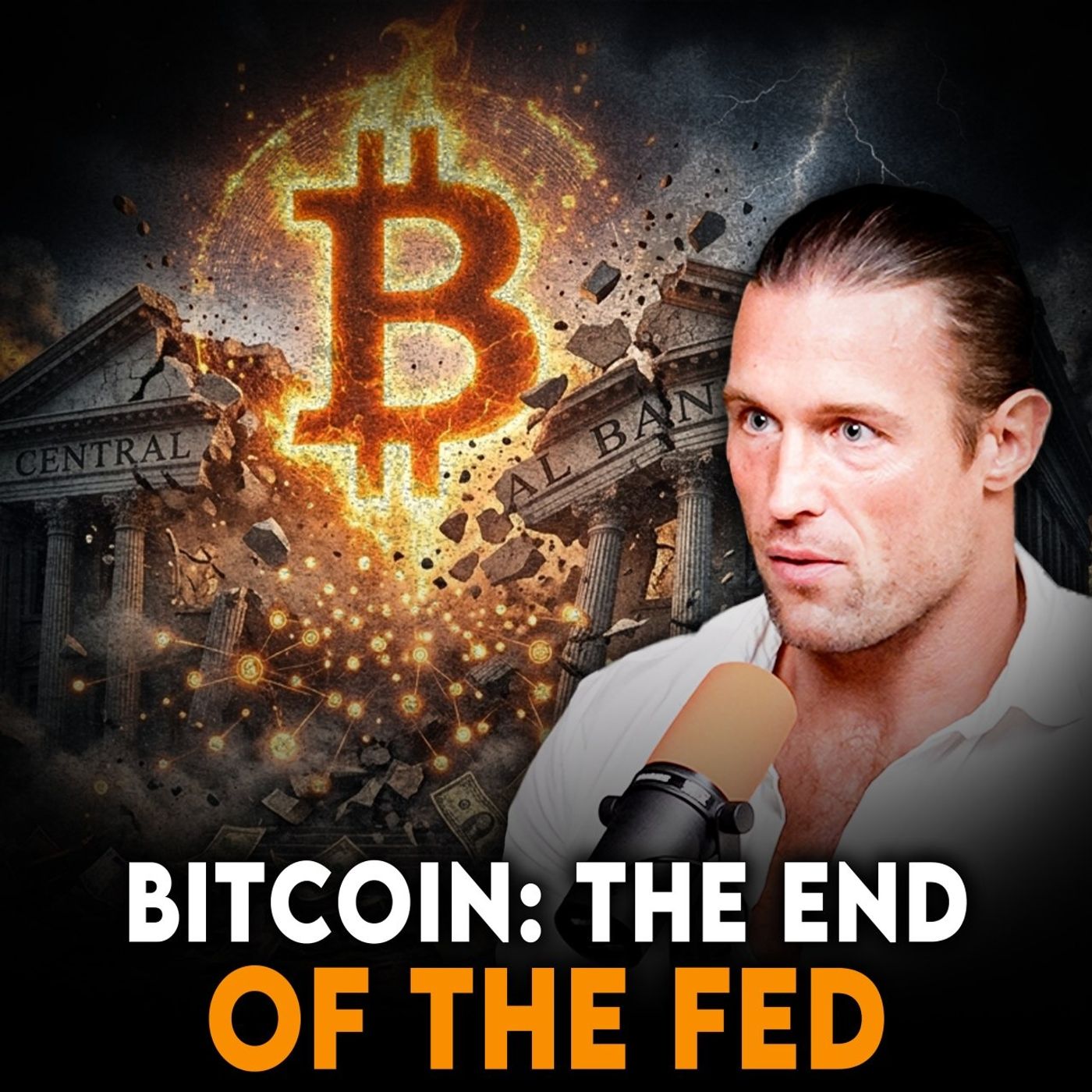 TWhy Bitcoin Makes the Federal Reserve Obsolete w/ Anthony PomplianoThe "What is Money?" Show · 2026-05-08
 HWhat History's Greatest Currencies Tell Us About the Future of the Dollar | Barry EichengreenHidden Forces · 2026-03-16
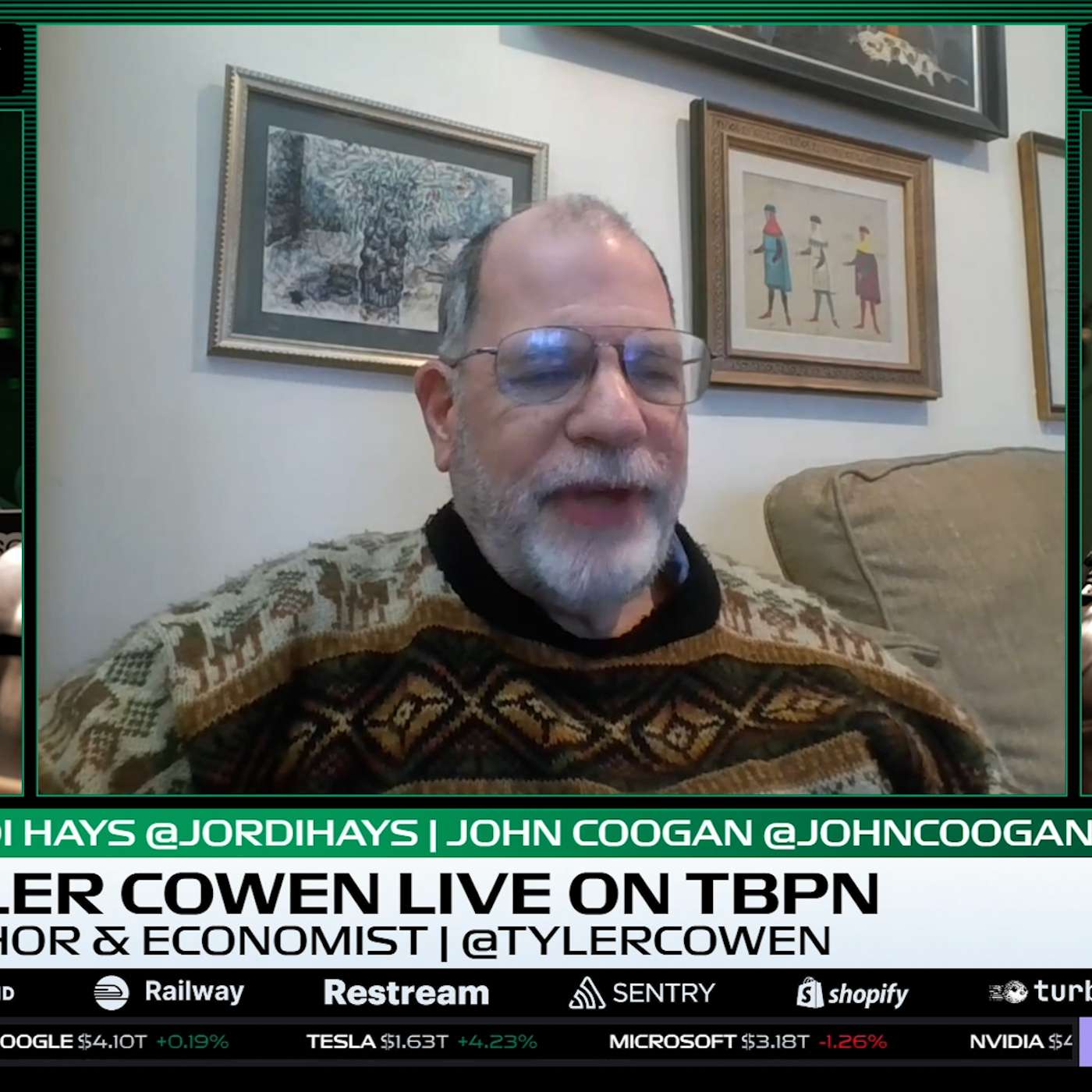 TFULL INTERVIEW: Tyler Cowen on Kevin Warsh, Clawdbot, precious metals, and AI & unemploymentTBPN · 2026-01-31
 R1929: From Stock Market Mania to Meltdown with Andrew Ross SorkinRiskReversal Pod · 2026-01-16
 TWarner Deal Drags, H200 Exports Resume, Meta AI Chafe Gate | Joe Weisenthal, Ben Smith, Matt Hicks, Stephen Schwartz, Saam Motamedi, Nicholas Kelez, Antoine Tessier, Filip KaliszanTBPN · 2025-12-10
 EThe $20 Trillion Absurdity | Jim Grant on the Risk No One SeesExcess Returns · 2025-12-04
 TJeremy Siegel on Inflation, Fed Policy, and Market ResilienceThis Week in Business · 2025-07-25
 SQUICK HIT: How to Build Wealth in Uncertain Times – SmartHER With Codie SanchezSmartHER News · 2025-03-20
 AInsights To How AI is Changing Wholesale Distribution From Infor’s Steven LevyAround the Horn in Wholesale Distribution Podcast · 2025-01-31
 TThe Price of Time with Edward Chancellor (Re-Release)The HC Commodities Podcast · 2024-12-25
 WIs the YOLO Trade Back? Robinhood CEO Vlad Tenev Weighs InWSJ's Take On the Week · 2024-12-15
 T#219 Campbell Harvey: End of Boom-Bust Cycle? | Will Yield Curve Show First False Signal?The Julia La Roche Show · 2024-12-12
 PInvestor Guide: Opening Bid round-up of Invest 2024Power Players with Brian Sozzi · 2024-11-15
 TFed’s Mistakes Could Spark Recession | What’s Next for Bitcoin & Economy? | Campbell R. HarveyThe Wolf Of All Streets · 2024-09-15
 SSell-Off Calls: a Rate Cut, a “Growth Scare,” & Buffett’s Slash 08/05/24Squawk Pod · 2024-08-05
 TJim Grant: Inflation & Interest Rates More Likely To Rise Than Fall In Coming YearsThoughtful Money with Adam Taggart · 2024-06-02
 BBloomberg Businessweek Weekend: May 10th 2024Bloomberg Businessweek · 2024-05-11
 MWells Fargo's Wren: 'There's very little chance of a rate cut any time soon'Money Life with Chuck Jaffe · 2024-04-22
 W423: Campbell Harvey Says the Fed is WRONG on Inflation and Interest RatesWealth Formula Podcast · 2024-04-21
 FCampbell Harvey, Inventor of Inverted Yield Curve Recession Signal, On The Bond Market, The U.S. Economy, And Federal Reserve PolicyForward Guidance · 2024-01-18
 SWhy Companies Are Afraid of Being Politically Correct with Whitney TilsonStansberry Investor Hour · 2023-12-12MRob Arnott: Recession ahead, but worst of bear market is behind usMoney Life with Chuck Jaffe · 2023-01-03
 RThe Bad News Bears & A Conversation with Michael MauboussinRiskReversal Pod · 2022-12-23
 THow To Survive Rampant Inflation & The Folly Of The Fed w/ Jim Grant (RWH012)The Investor's Podcast (We Study Billionaires) - The Investor’s Podcast Network · 2022-08-21
 TJim Grant: 'Rising Interest Rates Are the Kryptonite of Financial Assets'The Long View · 2022-05-03
 SSebastian Mallaby: The Greatest Storyteller in Venture CapitalSummation with Auren Hoffman · 2022-04-12
 TWhy Have Growth Stocks Plummeted? An Interview with Tobias CarlisleThe 7investing Podcast · 2022-01-18
 TEpisode 1: The Future of DeFi and Crypto with Duke Professor Campbell HarveyThe Cryptify Podcast · 2021-12-30
 T037. Will Tangible Commodities Give You Wealth Security? With Jim RogersThe Solomon Investor · 2021-02-25
 TInterview with James GrantThe AI Metagame · 2020-05-30
 T288: Keith Rabois on the State of the WorldThe Pomp Podcast · 2020-05-06
 FGillian Tett on Fed dollar scheme, Covid-19 testingFT News Briefing · 2020-04-01
 1Regulating AI; Negative Interest Rates (#19)16 Minutes News by a16z · 2020-01-131Alternative Data for Credit; Retail Shopping Shifts (#15)16 Minutes News by a16z · 2019-12-16
 PSeason 2 - Looking Back at the Asian Financial Crisis: Gillian Tett on Trust and Contagion During the Asian Financial CrisisPacific Exchanges · 2017-08-07
 GSebastian MallabyGlobal I.Q. Podcast · 2017-01-30
 I125. Sebastian Mallaby on Alan Greenspan and the Dotcom BubbleInternet History Podcast · 2016-12-12
 MInterview With Roger Lowenstein: Masters in Business (Audio)Masters in Business · 2015-12-05
 SSmart People Podcast: Episode 213 – Roger Lowenstein – How The Federal Reserve Was CreatedSmart People Podcast · 2015-10-20
 EJoseph Stiglitz on Inequality 07/09/2012EconTalk · 2012-07-09
 EBarry Eichengreen on the Dollar and International Finance 06/06/2011EconTalk · 2011-06-06
 EMilton Friedman on Money 8/28/2006EconTalk · 2006-08-28
 BGrant Discusses Potential New Federal Reserve Governors: VideoBloomberg Originals