
| GV | 0 |
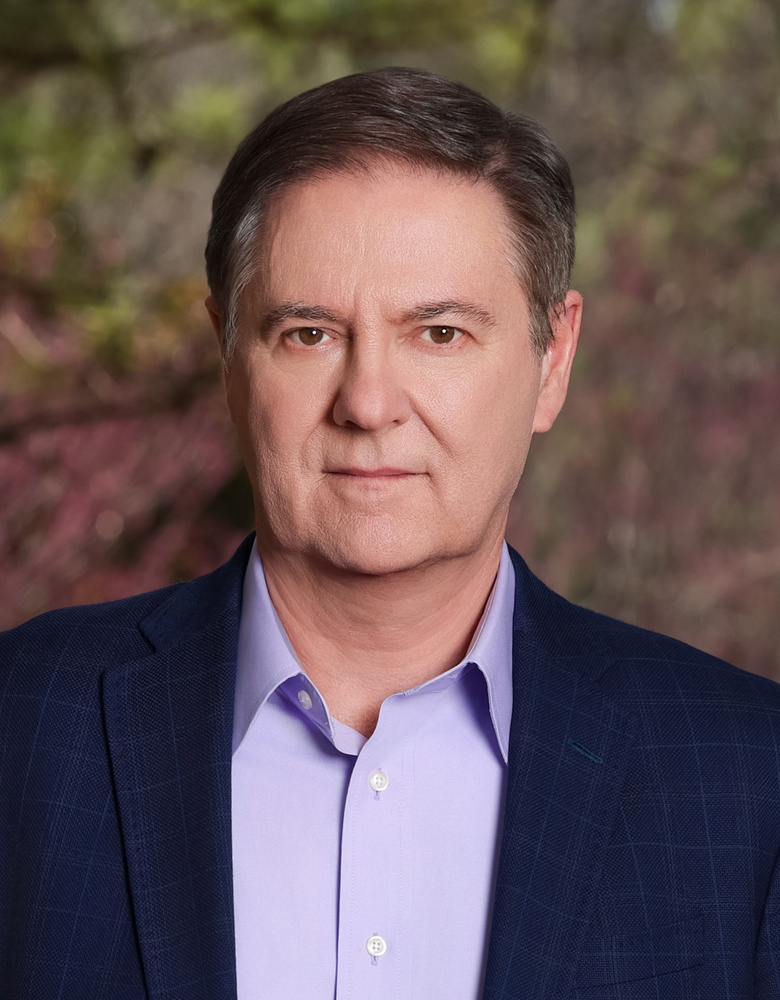 Campbell R. Harveynamed it in 1 interview“Nothing on this podcast is to be considered investment advice or a recommendation.” — EP11: Campbell Harvey: Factor investing beyond the snake oil (The Curious Quant, 2020)
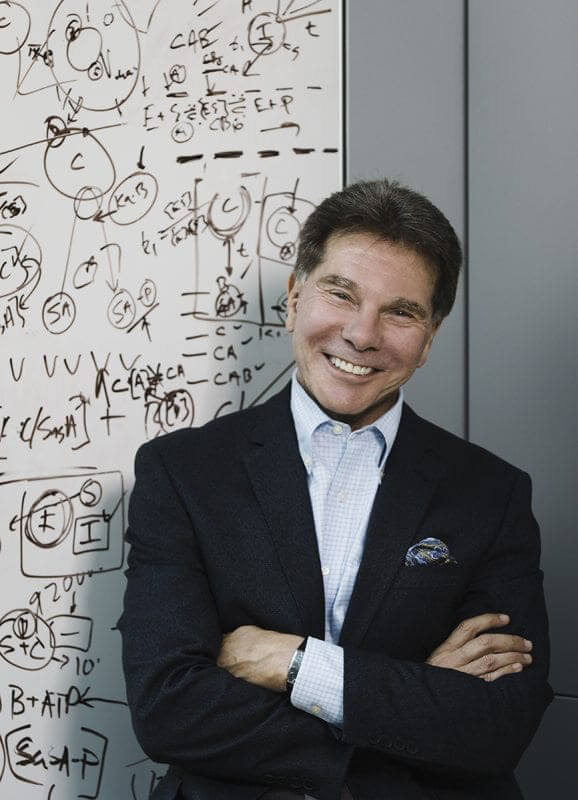 Robert B. Cialdininamed it in 1 article
 Mohnish Pabrainamed it in 1 article
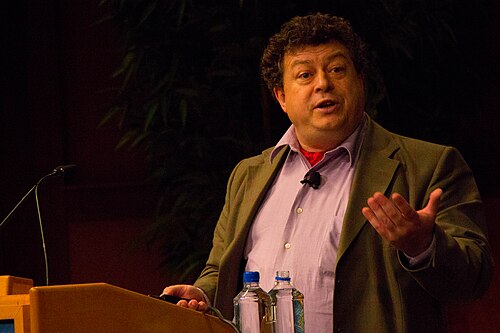 Rory Sutherlandnamed it in 1 article
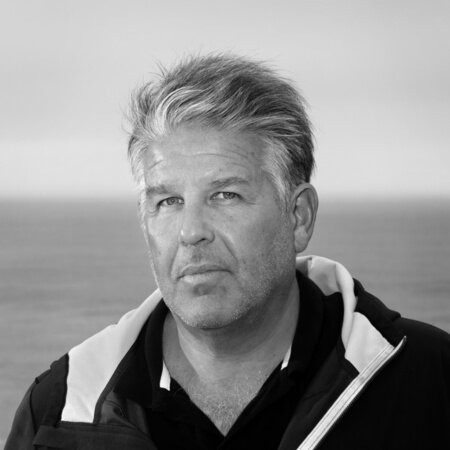 William D. Cohannamed it in 1 interview“CNN Official Interview: Author William Cohan 'Nothing's changed since collapse'” (CNN)
RS
Ricardo Semlernamed it in 1 interview“Nothing good has been done with it since World War Two.” — How a Turkey Voted for Xmas: Ricardo Semler on Why One Boss Wants the End of All Bosses. (Keen On America, 2026)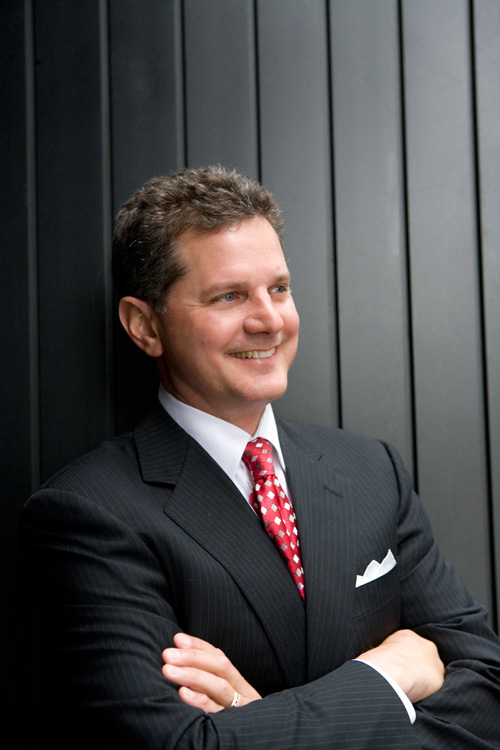 Rick Ferrinamed it in 1 interview“Nothing, if we're talking about your net worth.” — Top 5 Investing Horror Stories with Rick Ferri (SB RWD 66) (The Stacking Benjamins Show, 2017)
 Caterina Fakenamed it in 1 article
 David Kranenamed it in 1 interview“GV, Google's venture capital spinoff that started in 2009, has invested billions of dollars in companies from Uber and Nothing to scent digitizing startup Osmo.” — GV CEO David Krane on what it takes to manage 800 investments in five years (StrictlyVC Download, 2024)
 David Kupersmithnamed it in 1 interview“Nothing contained in this [recording][podcast] constitutes investment, legal, tax or other advice, and it should not be viewed as a current or past recommendation or a solicitation of an offer to buy or sell any securities or to adopt any investment strategy.” — Inverted Yield Curves (The Curious Investor, 2019)
 Eurie Kimnamed it in 1 article
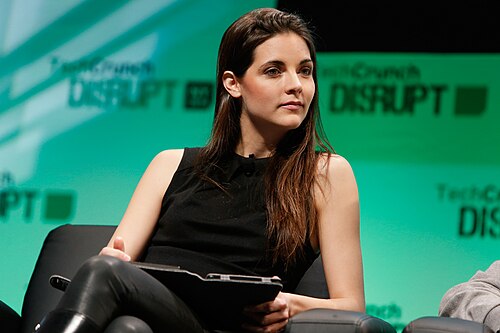 Kathryn Minshewnamed it in 1 interview“Nothing matters more for bringing the podcast to the attention of others.” — How To Navigate Your Career with Kathryn Minshew | Leadership Career The Muse (The LEADx Leadership Show with Kevin Kruse, 2017)
Show all 19
MM
Mr. Money Mustachenamed it in 1 interview“Money Mustache HQ Co-working space Thanks to Andy Eppler for " Nothing but the Rain " as our Intro Send Off Music Thanks to David Cutter Music for "Float Away"” — Mr Money Mustache on Longmont (SideDish Longmont, 2022) Naval Ravikantnamed it in 1 article
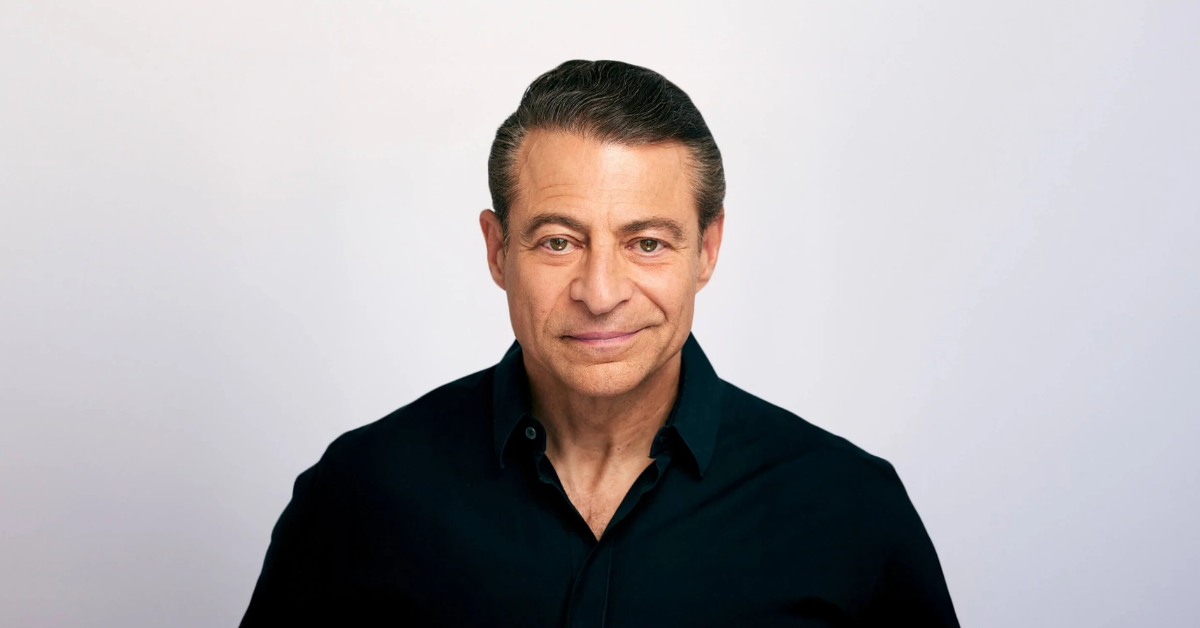 Peter Diamandisnamed it in 1 article
 Peter Levinenamed it in 1 interview“Series: "Innovator Stories: Creating Something from Nothing" [Business] [Show ID: 29503]” — Peter Levine Partner Andreessen Horowitz (The Career Channel (Audio), 2015)
SP
Scott Papenamed it in 1 article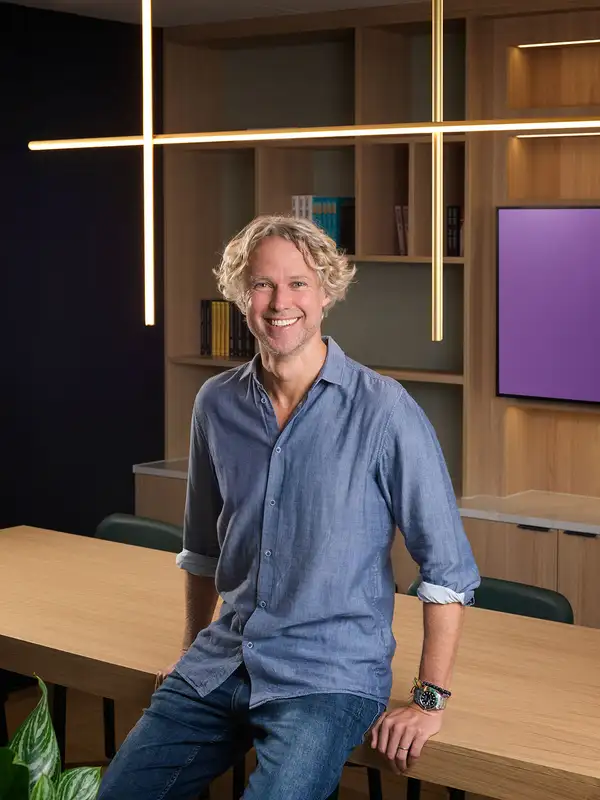 Tom Hulmenamed it in 1 interview“He has led rounds in Monzo, Nothing, GoCardless, Lemonade, Snyk and is widely considered one of the best investors in Europe.” — 20VC: How to Fix the UK Tech Ecosystem | Why We Need to Flood the UK with Venture Capital | What the UK Can Learn From Sequoia, Stripe and Norway | Why Now is the Time to be Bullish on China & Lessons from Jensen Huang with Tom Hulme & Stan Boland (The Twenty Minute VC (20VC): Venture Capital | Startup Funding | The Pitch, 2025)
VZ
Vlad Zamfirnamed it in 1 interview“Topics covered in this episode: How he became interested in consensus and Proof-of-Stake (PoS) Why Ethereum plans to switch to the PoS systems Casper in the future What the Long-Range Attack and Nothing-at-Stake problems are and how Casper addresses them How a betting mechanism is used to get validators to reach consensus What centralization pressures exist for validators and what operating a validator will look like The role of security deposits in Casper The difference between Tendermint and Casper Whether forks create big UI/UX issues for Casper Why Casper is very light client friendly Episode links: Introducing Casper - Ethereum Blog Review of Casper, Ethereum’s proposed Proof of Stake Algorithm Casper Protocol Specification Slasher, Ghost and Other Developments in Proof-of-Stake Epicenter Bitcoin Episode 58 with Vitalik Buterin on Proof-of-Stake This episode is hosted by Brian Fabian Crain.” — Vlad Zamfir: Bringing Ethereum Towards Proof-of-Stake with Casper (Epicenter - Learn about Crypto, Blockchain, Ethereum, Bitcoin and Distributed Technologies, 2015)| How a Turkey Voted for Xmas: Ricardo Semler on Why One Boss Wants the End of All Bosses. | Ricardo Semler | Keen On America | 2026-07-24 | 45 min | “It’s like asking turkeys to vote for Christmas.” — Ricardo Semler on why bosses won’t let their workers vote on them Ricardo Semler might be the most anti-boss boss in the history of corporate bosses. Thrown into his Austrian immigrant father’s São Paulo manufacturing firm at seventeen, the young Brazilian ripped up the rulebook — no dress codes, no time clocks, a ten-page cartoon manual instead of HR — and grew the company from 110 employees to more than 5,000. In the mid-Eighties he was already inventing hybrid work, shipping Telex machines to his workers’ homes. One of them even squeezed one of these 150-pound machines into his bathroom. Now, in his upcoming e-book The End of the Boss , the author of the iconoclastic autobiography Maverick argues that the corporate pyramid — an inheritance, he says, from West Point via the railroads — is as dead as a cuckoo bird (as the Swiss would say). Nothing good has been done with it since World War Two. Not in Korea, Vietnam, Afghanistan, his native Brazil, and certainly not in corporate America where Elon Musk’s current pay package equals the wages of all his employees for the next five years. Semler’s alternative is disarmingly simple: groups of ten who validate their leader every six months. Fail the vote and you’re not fired — you go back to being one of the nine. |
| 20VC: How to Fix the UK Tech Ecosystem | Why We Need to Flood the UK with Venture Capital | What the UK Can Learn From Sequoia, Stripe and Norway | Why Now is the Time to be Bullish on China & Lessons from Jensen Huang with Tom Hulme & Stan Boland | Tom Hulme | The Twenty Minute VC (20VC): Venture Capital | Startup Funding | The Pitch | 2025-04-10 | Tom Hulme is a General Partner @ GV and leads GV's European investing. He has led rounds in Monzo, Nothing, GoCardless, Lemonade, Snyk and is widely considered one of the best investors in Europe. Stan Boland is one of the most successful and respected entrepreneurs in the UK. In 1999, he co-founded Element 14 which was acquired by Broadcom in 2000 for $640 million. Following this, Boland co-founded Icera Inc. in 2002, a fabless semiconductor company which he sold to Nvidia for $367 million. In Today's Discussion We Cover: 04:26 Is The UK's Biggest Problem a Talent Problem 09:50 Why We Need to Flood the UK With Venture Capital 10:38 What Europe Can Learn from Stripe and the Collisons 15:21 How the UK Can Use Visas to Retain the Best Talent 16:46 Why the Government Needs to Put 10x More Cash Into Fund of Funds 24:32 Is the London Stock Exchange F****** and Does it Matter? 34:38 What The UK Can Learn From Sequoia and the Norwegian Sovereign Wealth Fund 40:42 What is a "National Goal for Wealth Creation" & How Do We Implement It? 48:10 What are the Most Broken Elements of the UK Tax Regime 52:11 Is It Stupid to Remove the Non-Dom Tax Status 53:15 Why is Now the Time to Be Bullish on China 01:00:19 Biggest Lessons from Working with Jensen Huang 01:08:04 Quick Fire Round: Insights and Predictions | |
| GV CEO David Krane on what it takes to manage 800 investments in five years | David Krane | StrictlyVC Download | 2024-12-14 | This week on the StrictlyVC Download, Connie sits down with GV CEO David Krane at our December StrictlyVC event in San Francisco to discuss his approach to identifying potential investments, what it's like to work so closely with Google while helping potential competitors, and why their approach to successful exits is much more long-term than other VCs. GV, Google's venture capital spinoff that started in 2009, has invested billions of dollars in companies from Uber and Nothing to scent digitizing startup Osmo. Learn more about your ad choices. Visit megaphone.fm/adchoices | |
| Mr Money Mustache on Longmont | Mr. Money Mustache | SideDish Longmont | 2022-04-20 | 56 min | The trio is joined by Pete Adeney who gives his perspective on Longmont, downtown noise, bicycling, thrift, and excessive car washing. More about Pete from his Wikipedia page Adeney retired from his job as a software engineer in 2005 at age 30 by spending only a small percentage of his annual salary and consistently investing the remainder, primarily in stock market index funds. Adeney lives in Longmont, Colorado, and contends that most middle-class individuals can and should spend less money and own fewer physical possessions. He argues that by doing this, they can live with increased financial freedom and happiness, reducing their environmental footprint in the process. He has described the typical middle-class lifestyle as "an exploding volcano of wastefulness," particularly citing the overuse of and overspending on new cars as an example. In the final moments of the show the gang discusses what's needed downtown and discuss some suggestions from listener Nicholas. Mentions Mr. Money Mustache Mr. Money Mustache HQ Co-working space Thanks to Andy Eppler for " Nothing but the Rain " as our Intro Send Off Music Thanks to David Cutter Music for "Float Away" |
| EP11: Campbell Harvey: Factor investing beyond the snake oil | Campbell R. Harvey | The Curious Quant | 2020-01-20 | 54 min | I chat with Campbell, Professor of Finance at Duke University, on the future of quantitative finance, academic journals, model fitting and the intellectual fallacies within inference. Nothing on this podcast is to be considered investment advice or a recommendation. No investment decision or activity should be undertaken without first seeking qualified and professional advice. |
| Inverted Yield Curves | David Kupersmith | The Curious Investor | 2019-06-26 | Conventional wisdom says that when the yield curve inverts, the economy slows down. AQR Principal Jordan Brooks and David Kupersmith review the evidence, and discuss what it means for an investor’s bond portfolio. This podcast was recorded on May 21, 2019. The views expressed in this recording are the personal views of the participants as of the date indicated and do not necessarily reflect the views of AQR itself. AQR and its affiliates may have positions (long or short) or engage in securities transactions that are not consistent with the information and views expressed in this presentation. This recording has been prepared solely for informational purposes. Nothing contained in this [recording][podcast] constitutes investment, legal, tax or other advice, and it should not be viewed as a current or past recommendation or a solicitation of an offer to buy or sell any securities or to adopt any investment strategy. Past performance is no guarantee of future results. There can be no assurance that any investment strategy will be successful. The investment strategies and themes discussed herein may be unsuitable for investors depending on their specific investment objectives and financial situation. The information in this recording is based on current market conditions, which will fluctuate and may be superseded by subsequent market events or for other reasons. AQR does not assume any duty to update forward looking statements. | |
| Top 5 Investing Horror Stories with Rick Ferri (SB RWD 66) | Rick Ferri | The Stacking Benjamins Show | 2017-10-30 | 1:00 | What's more spooky than an investing story gone wrong? Nothing, if we're talking about your net worth. Today Griffin the Intern (AKA the "Fintern") rewinds to the episode when Rick Ferri dropped by the basement and scared us silly with some absolutely HORRIBLE investing stories. Original show notes: Blood curling tales of horror from CFA Rick Ferri on today's show, as he shares his top 5 investing horror stories. Nick Clements from MagnifyMoney.com also joins in the fun to talk about our recent discussions around technology and pricing structures. Will we see banking get cheaper? Learn more about your ad choices. Visit podcastchoices.com/adchoices See Privacy Policy at https://art19.com/privacy and California Privacy Notice at https://art19.com/privacy#do-not-sell-my-info . |
| How To Navigate Your Career with Kathryn Minshew | Leadership Career The Muse | Kathryn Minshew | The LEADx Leadership Show with Kevin Kruse | 2017-05-05 | 21 min | In this episode, we're going to talk about navigating your career with our guest, Kathryn Minshew. She is the CEO and co-Founder of The Muse, a career platform used by over 50 million millennials and others to research, explore and apply to great companies. She has spoken at MIT and Harvard, appeared on TODAY and CNN, and was named to Forbes’ 30 Under 30 in Media list. Her new book is The Rules of Work: The Modern Playbook For Navigating Your Career. Resources: * https://themuse.com/ – The Muse * @dailymuse – The Muse on Twitter * @kmin – Kathryn on Twitter * Buy her book, The Rules of Work: The Modern Playbook For Navigating Your Career Sponsored by: * LEADx.org – subscribe to become 1% better every single day Review and Join Our Ambassadors Club: Please consider leaving an honest one- or two-sentence review on iTunes or on Stitcher. Nothing matters more for bringing the podcast to the attention of others. And after you leave your review, send me an email at info at leadx dot org to let me know, and I’ll invite you into the private LEADx Ambassadors Group on Facebook. Group members are eligible for ridiculously good prizes each month, have special access to me and LEADx guests, discounts on live events, and of course it’s a great forum for peer-learning and support. Share: And, by all means, if you know someone you think would benefit, please spread the word by using the share buttons below. — What is LEADx and The LEADx Show with Kevin Kruse? |
| Vlad Zamfir: Bringing Ethereum Towards Proof-of-Stake with Casper | Vlad Zamfir | Epicenter - Learn about Crypto, Blockchain, Ethereum, Bitcoin and Distributed Technologies | 2015-11-16 | 1:12 | With Proof-of-Stake (PoS) a blockchain is secured not by spending an external resource such as electricity but by using value internal to the chain itself. The promise of higher security at a lower cost is what also drives Ethereum to plan a move away from Proof-of-Work to PoS in the future. Ethereum researcher Vlad Zamfir, who leads their effort in the complex search for the optimal PoS consensus system joined us for an in-depth discussion of the challenges of PoS, the approach Casper is taking and what consensus in Ethereum land could look like in the future. Topics covered in this episode: How he became interested in consensus and Proof-of-Stake (PoS) Why Ethereum plans to switch to the PoS systems Casper in the future What the Long-Range Attack and Nothing-at-Stake problems are and how Casper addresses them How a betting mechanism is used to get validators to reach consensus What centralization pressures exist for validators and what operating a validator will look like The role of security deposits in Casper The difference between Tendermint and Casper Whether forks create big UI/UX issues for Casper Why Casper is very light client friendly Episode links: Introducing Casper - Ethereum Blog Review of Casper, Ethereum’s proposed Proof of Stake Algorithm Casper Protocol Specification Slasher, Ghost and Other Developments in Proof-of-Stake Epicenter Bitcoin Episode 58 with Vitalik Buterin on Proof-of-Stake This episode is hosted by Brian Fabian Crain. |
| Peter Levine Partner Andreessen Horowitz | Peter Levine | The Career Channel (Audio) | 2015-07-06 | Peter Levine is a partner at the venture capital firm Andreessen Horowitz. He was previously senior vice president and general manager of the Data Center and Cloud Division at Citrix where he was responsible for revenue, product management, business development and strategic direction. Series: "Innovator Stories: Creating Something from Nothing" [Business] [Show ID: 29503] | |
| CNN Official Interview: Author William Cohan 'Nothing's changed since collapse' | William D. Cohan | CNN |
 KHow a Turkey Voted for Xmas: Ricardo Semler on Why One Boss Wants the End of All Bosses.Keen On America · 2026-07-24
 T20VC: How to Fix the UK Tech Ecosystem | Why We Need to Flood the UK with Venture Capital | What the UK Can Learn From Sequoia, Stripe and Norway | Why Now is the Time to be Bullish on China & Lessons from Jensen Huang with Tom Hulme & Stan BolandThe Twenty Minute VC (20VC): Venture Capital | Startup Funding | The Pitch · 2025-04-10
 SGV CEO David Krane on what it takes to manage 800 investments in five yearsStrictlyVC Download · 2024-12-14
 SMr Money Mustache on LongmontSideDish Longmont · 2022-04-20
 TEP11: Campbell Harvey: Factor investing beyond the snake oilThe Curious Quant · 2020-01-20
 TInverted Yield CurvesThe Curious Investor · 2019-06-26
 TTop 5 Investing Horror Stories with Rick Ferri (SB RWD 66)The Stacking Benjamins Show · 2017-10-30
 THow To Navigate Your Career with Kathryn Minshew | Leadership Career The MuseThe LEADx Leadership Show with Kevin Kruse · 2017-05-05
 EVlad Zamfir: Bringing Ethereum Towards Proof-of-Stake with CasperEpicenter - Learn about Crypto, Blockchain, Ethereum, Bitcoin and Distributed Technologies · 2015-11-16
 TPeter Levine Partner Andreessen HorowitzThe Career Channel (Audio) · 2015-07-06
 CCNN Official Interview: Author William Cohan 'Nothing's changed since collapse'CNN