KF
Ken Fisher
Wrote Forbes's 'Portfolio Strategy' column from 1984 to 2017, the longest unbroken run in the magazine's history; has written eleven books on investing and papers on behavioral finance.
 Fisher Investments
 Forbes
KenFisher.com - Financial Columnist
A long, public money-management record plus Super Stocks, which introduced the price-to-sales ratio and outlived its news cycle.
11 books of their own · 9 articles · 26 appearances
Start here
Ken Fisher · 1993
Recommended by: The Barefoot Investor
Ken Fisher, Jennifer Chou, Lara Hoffmans · 2006
Reissued 2012 as The Only Three Questions That Still Count.
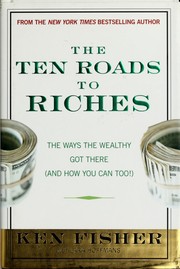
Ken Fisher, Lara Hoffmans · 2009
Ken Fisher, Lara Hoffmans · 2010
Ken Fisher, Lara Hoffmans · 2013
Common investing beliefs, such as bonds being safer than stocks, tested against data.

Ken Fisher, Elisabeth Dellinger · 2015
 Super Stocks | – | 1984 | – | |
 The Wall Street Waltz: 90 Visual Perspectives, Illustrated Lessons From Financial Cycles and Trends | – | 1987 | T4 | – |
 100 Minds That Made the Market | – | 1993 | T4 | The Barefoot Investor |
 The Only Three Questions That Count: Investing by Knowing What Others Don't | Reissued 2012 as The Only Three Questions That Still Count. | 2006 | T3 | – |
 The Ten Roads to Riches | – | 2008 | T4 | – |
 How to Smell a Rat: The Five Signs of Financial Fraud | – | 2009 | T4 | – |
 Debunkery: Learn It, Do It, and Profit from It | – | 2010 | T4 | – |
 Markets Never Forget (But People Do) | – | 2011 | T4 | – |
 Plan Your Prosperity | – | 2012 | T4 | – |
 The Little Book of Market Myths | Common investing beliefs, such as bonds being safer than stocks, tested against data. | 2013 | T4 | – |
 Beat the Crowd: How You Can Out-Invest the Herd by Thinking Differently | – | 2015 | – |
| Ken Fisher column archive | New York Post | Article | 2026 |
| Ken Fisher column archive - all outlets, filterable by source and year, 175 pages | kenfisher.com | Blog post | 2026 |
| The easiest path to building wealth Paywall | Australian Financial Review | Article | 2026 |
| Building wealth is easier than most believe | The National | Article | 2026 |
| La BCE devrait surveiller les courbes de taux | La Libre | Article | 2026 |
| Invierta en renta variable para aprovechar la innovacion y el crecimiento mundiales | El Financiero | Article | 2026 |
| Por que a IA e uma tartaruga, nao uma lebre | Valor Economico | Article | 2026 |
| Ken Fisher column archive | USA Today | Article | 2019 |
| Ken Fisher's "Portfolio Strategy" column archive (1984-2016) | Forbes | Article | 2016 |
FKen Fisher on Market Crashes, US Debt, Construction and More - Oct 2026Fisher Investments - Market Insights · 2026-10-19XFrom CVS to Church World: Scaling Fast with Ken Fisher (Church at the Mill, South Carolina)XP Leadership · 2026-09-21FKen Fisher on Crypto, Inflation, Annuities and More - June 2026Fisher Investments - Market Insights · 2026-06-30FKen Fisher on Inflation, Sell America, US National Debt and More - June 2026Fisher Investments - Market Insights · 2026-06-01FKen Fisher on World Wars, Inflation, REITs and More–April 2026Fisher Investments - Market Insights · 2026-04-30FKen Fisher on Inflation Data, Currency Reset Risks, Commodity Opportunities and More– April 2026Fisher Investments - Market Insights · 2026-04-17FKen Fisher on AI Research, Recession Probability, Tariffs' Economic Impact and More – March 2026Fisher Investments - Market Insights · 2026-03-09FKen Fisher on Dollar Devaluation, Timing the Market, Private Credit Markets and More – Jan 2026Fisher Investments - Market Insights · 2026-01-26FKen Fisher on Inflation, Bear Markets, The End of Pennies and More – December 2025Fisher Investments - Market Insights · 2025-12-23MUnlocking Sales Potential w/ Ken FisherMindset Growth, Rayz Rantz, Breaking Barriers · 2024-07-01FEpisode 15: Ken Fisher, Billionaire Founder of Fisher InvestmentsFinanZe · 2021-12-25FKen Fisher on the Bull Market’s 10th AnniversaryFisher Investments - Market Insights · 2019-03-15FKen Fisher on Bear Market SignsFisher Investments - Market Insights · 2019-01-08FKen Fisher on Market VolatilityFisher Investments - Market Insights · 2018-10-31FKen Fisher on Why Poor States Have Republican Legislatures and Rich Have DemocraticFisher Investments - Market Insights · 2018-10-23TKen Fisher - “If You’re Worried About What Things Are Going to Be Worth Next Week…You’re Going to Make Yourself Way Poorer 20 Years from Now" | #104The Meb Faber Show - Better Investing · 2018-05-02TKen Fisher and John TamnyTake The Lead Radio Season 1 · 2017-12-31MInterview With Ken Fisher (Part 2): Masters in Business (Audio)Masters in Business · 2017-04-07TKen Fisher & John TamnyTake The Lead Radio Season 1 · 2017-03-27MTalking Money: Ken Fisher on Brexit, Trump and the bull market that may or may not keep on grindingMoney Makers · 2016-07-06MInterview With Ken Fisher: Masters in Business (Audio)Masters in Business · 2015-11-30FKen Fisher on Interest Rates, Global Diversification, Overblown Market Fears and MoreFisher InvestmentsFKen Fisher’s 2026 Mid-Year Market UpdateFisher InvestmentsFKen Fisher on Measuring Inflation, Currency Reset, Commodities and MoreFisher InvestmentsFKen Fisher Explains How to Generate Retirement IncomeFisher InvestmentsFKen Fisher on the “Low-Hire, Low-Fire” Job MarketFisher Investments
| Kenneth Fisher Ruled Investing. Then He Made a Sexist Joke. Paywall | The New York Times | 2019 |
| Inside Ken Fisher’s investment kingdom, where the pace and the talk can be rough Paywall | Los Angeles Times | 2019 |