The Rise and Fall of Bear Stearns
Memoir by the firm's longtime chairman 'Ace' Greenberg.
Summary
Alan Greenberg, known as Ace, joined Bear Stearns in 1949, became chief executive in 1978 and chairman in 1985, and remained at the firm through its 2008 collapse. He wrote this memoir with Mark Singer shortly afterward.
The memoir covers his own career from a clerical position through the risk arbitrage desk to running the firm, and it describes the culture he built: hiring people without conventional credentials, whom he called PSDs for poor, smart and a deep desire to become rich; requiring senior executives to donate a fixed percentage of income to charity; and the memoranda he circulated on cost control, which have been collected separately as Memos from the Chairman and which are the best-known thing he wrote.
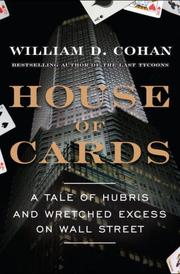
On the firm's collapse, Greenberg is critical of James Cayne, who succeeded him as chief executive, and of the concentration in mortgage securities that the firm's fixed income business built. He is defensive about his own responsibility and the book has been criticised as settling scores. He also does not analyse the firm's funding structure, which is the substantive cause of its failure. Readers wanting the collapse should go to Kate Kelly or to William Cohan's House of Cards. The memoir's value is the account of the culture and of the risk management practices Greenberg imposed during his own tenure.
Key takeaways 7
- Greenberg hired people without conventional credentials and treated hunger and intelligence as more predictive than education.
- His memoranda on cost control treated small expenses as an indicator of whether the firm's discipline was intact.
- Greenberg required senior executives to donate a fixed percentage of income to charity as a condition of the position.
- He was critical of the mortgage securities concentration his successors built and of Cayne's management.
- Risk arbitrage taught Greenberg to size positions against the probability of the deal failing rather than against expected profit.
- The memoir is defensive about Greenberg's own responsibility and has been criticised as settling scores.
- It does not analyse the funding structure that actually destroyed the firm, which readers must find elsewhere.
Who should read it
Readers interested in the culture and cost discipline of a Wall Street firm from its long-serving chief executive, treated as a partial account of the collapse.
Where it sits in the reference 2
Similar books 6
Chosen by shared topics, the entries that hold them, and the people who recommended both.