Insurance
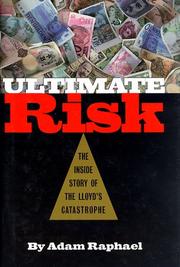
An insurer takes premium now and pays claims later, so it earns two returns: an underwriting result measured by the combined ratio of claims and expenses to premium, and an investment return on the float it holds in the meantime. Property and casualty pricing runs a hard-and-soft cycle in which capital arrives after quiet years, competition drives rates down until a catastrophe or a reserve strengthening removes capacity, and prices then rise sharply. Life and health insurers face the opposite problem, with liabilities decades long and returns highly sensitive to interest rates. The literature covers company histories at AIG, State Farm, USAA and Lloyd's, Berkshire's use of float as permanent investment capital, a long-standing critique of industry costs, and the intellectual history of measuring risk itself.
9 books · 9 people behind it
Start here
- Against the Gods: The Remarkable Story of Risk, 1996
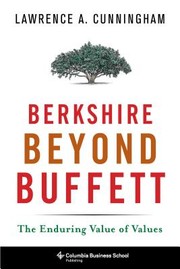
- Berkshire Beyond BuffettLawrence A. Cunningham, 2014
- The AIG StoryMaurice R. Greenberg, Lawrence A. Cunningham, 2013
The people behind it 9
Each person holds a book in this entry or names it in their own tags.
Investors 4
 Warren Buffettnamed in their tags
 Prem Watsanamed in their tags
Executives 1
Academics 1
Journalists 3
 Andrew Ross Sorkinnamed in their tags