PA
Programming and computer science
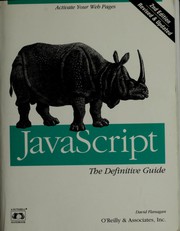
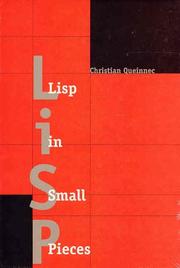
This niche holds programming guides, language manuals (Lisp, Smalltalk, Perl, JavaScript), software engineering practice, open source, security tools and computer science textbooks on algorithms, theory and cryptography.
101 books on Programming and computer science, 2 of them tier 1, recommended by 33 people including Patrick Collison and Paul Graham.
101 books · 33 experts
Start here
- Structure and Interpretation of Computer ProgramsHarold Abelson, Gerald Jay Sussman, 1985
- The Cathedral and the BazaarEric S. Raymond, 1999
- Just for FunLinus Torvalds, David Diamond, 2001
- Rebel CodeGlyn Moody, 2001
- The Success of Open SourceSteven Weber, 2004
The best books on Programming and computer science 101
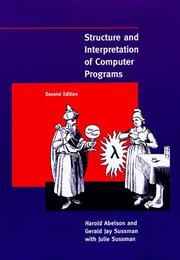
Harold Abelson, Gerald Jay Sussman · 1985
The classic computer science text on abstraction and program structure
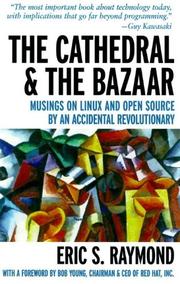
Eric S. Raymond · 1999
The essay collection that made the commercial case for open development.
“Raymond's analysis of why decentralized open-source development outperformed commercial software development is, for Graham, both historically important and a live description of how good technical work happens. He has cited it in essays about what makes hackers productive.”Paul Graham
T2 Just for Fun
Linus Torvalds, David Diamond · 2001
Torvalds on why he gave the kernel away, and what that created.
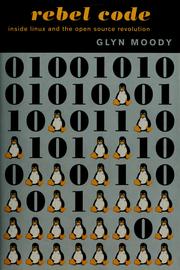
Steven Weber · 2004
Political economy of production without conventional property.

Nadia Eghbal · 2020
Maintainer economics: who actually pays for open source, and how.
“The first challenge to the centralized mindset comes from a delightful book by MIT Professor Mitchel Resnick, "Turtles, Termites, and Traffic Jams.”Michael Mauboussin
Recommended byMichael Mauboussin

Sam Williams · 2002
Stallman, the GPL, and the licence that shapes commercial open source.
Paul Graham · 2004
Subtitled 'Big Ideas from the Computer Age'; collects early essays
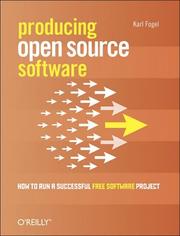
Karl Fogel · 2005
The operational manual for running a project and its sponsors.
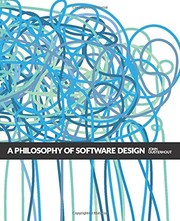
John Ousterhout
Ousterhout's core argument — that the enemy of good software is complexity, and that complexity accumulates through shallow abstractions and tactical shortcuts — maps directly onto the failure mode of AI-assisted development. Models are natural tactical coders. This book argues for the strategic counterweight.
unverified
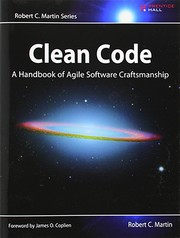
T3 Clean Code
Robert C. Martin
Controversial in its prescriptiveness, but useful precisely because AI-generated code routinely violates every heuristic in it: long functions, unclear names, mixed levels of abstraction. Reading Martin sharpens the vocabulary for what to fix in a model's output, even if the rules are applied with judgment rather than dogma.
unverified

T3 Refactoring
Martin Fowler
Fowler catalogued the moves that make existing code better without changing its behavior. In an era where AI generates working-but-messy first drafts, refactoring is the core skill: not writing code from scratch, but reshaping what you have. The catalog of smells is a better prompt-debugging tool than most people realize.
unverified

David Thomas, Andrew Hunt
The craft baseline. Hunt and Thomas articulate the discipline that AI code generation does not replace: knowing when code is good enough, how to automate the right things, and what a working developer owes to the person reading the code next. The 20th-anniversary edition updated the examples but the reasoning has not aged.
unverified
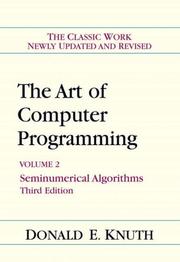
Recommended byMax Levchin
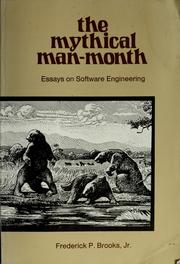
Frederick P. Brooks · 1974
Why adding people to a late software project makes it later.
“Says it "had a huge impact on me" — a foundational software-management text for the engineer-CEO.”Marc Benioff
Recommended byMohnish Pabrai

Harry R. Lewis, Christos H. Papadimitriou · 1981
Recommended byEric Weinstein

Recommended byPatrick Collison

Recommended byPatrick Collison
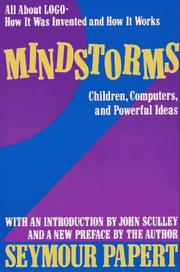
Seymour Papert · 1985
Recommended byPatrick Collison

Susan M. Lammers · 1986
Recommended byPatrick Collison

Recommended byPatrick Collison

Recommended byEric Weinstein
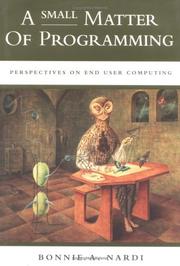
Bonnie A. Nardi · 1993
Recommended byPatrick Collison

Recommended byMohnish Pabrai

Recommended byPaul Graham


Recommended byPatrick Collison
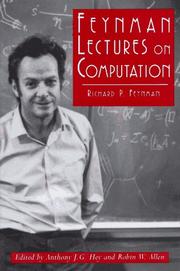
Recommended byPatrick Collison

Jones, Richard · 1996
Recommended byPatrick Collison

Recommended byMohnish Pabrai
Recommended byMohnish Pabrai

“Not for everyone but recommend for tech folks.”Keith Rabois

Recommended byEric Weinstein
Recommended byDiana Kimball

Recommended byPatrick Collison
Recommended byPatrick Collison
Recommended byStewart Brand

Recommended byEv Williams

Recommended bySophie Bakalar

Recommended byEv Williams

Recommended byPatrick Collison

Recommended byPatrick Collison

Recommended byPatrick Collison
Recommended byPatrick Collison

Recommended byEric Weinstein

Recommended byEv Williams
Recommended byNat Eliason
Recommended byPatrick Collison
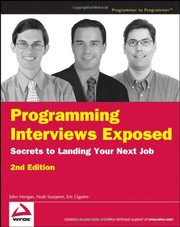
Gayle Laakmann McDowell · 2010
Recommended byPatrick Collison
Recommended byPatrick Collison

Laura Chappell · 2012
Recommended byPatrick Collison

Philip N. Klein · 2013
Recommended byPatrick Collison
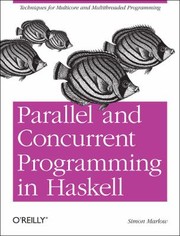
Simon Marlow · 2013
Recommended byPatrick Collison
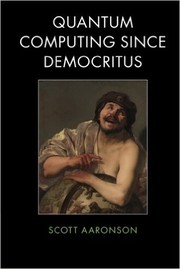

Recommended byAna Fabrega

Recommended byCynthia Johnson
Recommended byPaul Graham
unverified
Recommended byPatrick Collison
unverified
Recommended byPatrick Collison
Recommended byPatrick Collison

Recommended byPaul Graham
Recommended byPaul Graham
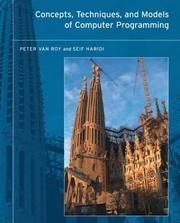
Recommended byPatrick Collison

Recommended byPaul Graham
unverified
Recommended byPatrick Collison



T4 Nmap Network Scanning: The Official Nmap Project Guide to Network Discovery and Security Scanning
unverified
Recommended byPatrick Collison

unverified
Recommended byPatrick Collison

Neil D. Jones, Carsten K. Gomard, Peter Sestoft
unverified
Recommended byPaul Graham

Recommended byPatrick Collison

unverified
Recommended byPatrick Collison
Recommended byPatrick Collison

Recommended byPatrick Collison
unverified
Recommended byPatrick Collison

Recommended byPaul Graham
Recommended byPatrick Collison
Recommended byPatrick Collison

Recommended byPatrick Collison
Recommended byTim O’Reilly
unverified
Recommended byPatrick Collison
Experts 33
The people who wrote this page's books, and the people who recommend them.
Authors 1
Recommenders 33
 Patrick Collisonrecommends 48 books here
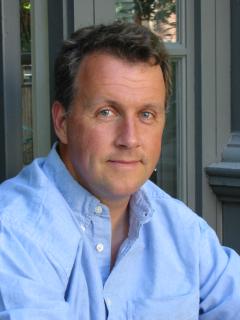 Paul Grahamrecommends 18 books here
MP
Mohnish Pabrairecommends 6 books here Ev Williamsrecommends 5 books here
 Bret Victorrecommends 4 books here
 Eric Weinsteinrecommends 4 books here
 Ryan Holidayrecommends 2 books here
DK
Diana Kimballrecommends 2 books here Jeff Atwoodrecommends 2 books here
 Keith Raboisrecommends 2 books here
 Max Levchinrecommends 2 books here
NE
Nir Eyalrecommends 2 books hereShow all 33
MM
Michael Mauboussinrecommends 1 book here Marc Benioffrecommends 1 book here
AF
Ana Fabregarecommends 1 book hereAC
Andrew Chenrecommends 1 book hereBS
Balaji S. Srinivasanrecommends 1 book hereBA
Brian Armstrongrecommends 1 book hereCJ
Cynthia Johnsonrecommends 1 book hereDA
Delian Asparouhovrecommends 1 book here Drew Houstonrecommends 1 book here
 Emmett Shearrecommends 1 book here
 Garry Tanrecommends 1 book here
GM
Girish Mathruboothamrecommends 1 book here Jeff Bezosrecommends 1 book here
 John Maedarecommends 1 book here
NE
Nat Eliasonrecommends 1 book herePO
Patrick O'Shaughnessyrecommends 1 book hereSB
Sophie Bakalarrecommends 1 book here Steve Jurvetsonrecommends 1 book here
 Stewart Brandrecommends 1 book here
SJ
Susan J. Fowlerrecommends 1 book here Tim O’Reillyrecommends 1 book here
Related
More technology: ← Invention, engineering and energy · Tech company stories → · All technology