
Paul Graham
Co-founder of Viaweb and Y Combinator; essayist and Lisp programmer
His essay archive is the primary source that the modern startup canon quotes, argues with and reuses; the essays matter more than the books.
3 books of their own · 232 articles · 170 books they recommend
Books they wrote 3
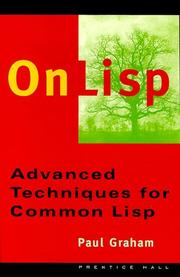

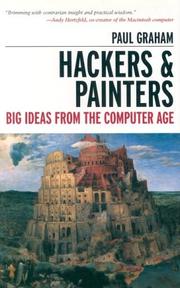
Letters
Paul Graham writes essays, not letters, and no letter series exists. His complete essay index is at paulgraham.com/articles.html, and the 232 essays it covers, 1998-2026, are listed under articles.
Blog posts 232
- How Universities Should Prepare Founderspaulgraham.com, 2026
- How to Earn a Billion Dollarspaulgraham.com, 2026
- How to Convert Between Wealth and Income Taxpaulgraham.com, 2026
- The Brand Agepaulgraham.com, 2026
- The Shape of the Essay Fieldpaulgraham.com, 2025
- Good Writingpaulgraham.com, 2025
- What to Dopaulgraham.com, 2025
- The Origins of Wokenesspaulgraham.com, 2025
- Writes and Write-Notspaulgraham.com, 2024
- When To Do What You Lovepaulgraham.com, 2024
- Founder Modepaulgraham.com, 2024
- The Right Kind of Stubbornpaulgraham.com, 2024
- The Redditspaulgraham.com, 2024
- How to Start Googlepaulgraham.com, 2024
- The Best Essaypaulgraham.com, 2024
- How to Do Great Workpaulgraham.com, 2023
- Superlinear Returnspaulgraham.com, 2023
- How to Get New Ideaspaulgraham.com, 2023
- The Need to Readpaulgraham.com, 2022
- What You (Want to)\* Wantpaulgraham.com, 2022
- Alien Truthpaulgraham.com, 2022
- What I've Learned from Userspaulgraham.com, 2022
- Heresypaulgraham.com, 2022
- Putting Ideas into Wordspaulgraham.com, 2022
- Is There Such a Thing as Good Taste?paulgraham.com, 2021
- Beyond Smartpaulgraham.com, 2021
- Weird Languagespaulgraham.com, 2021
- How to Work Hardpaulgraham.com, 2021
- A Project of One's Ownpaulgraham.com, 2021
- Fierce Nerdspaulgraham.com, 2021
- Crazy New Ideaspaulgraham.com, 2021
- An NFT That Saves Livespaulgraham.com, 2021
- The Real Reason to End the Death Penaltypaulgraham.com, 2021
- How People Get Rich Nowpaulgraham.com, 2021
- Write Simplypaulgraham.com, 2021
- Donate Unrestrictedpaulgraham.com, 2021
- What I Worked Onpaulgraham.com, 2021
- Earnestnesspaulgraham.com, 2020
- Billionaires Buildpaulgraham.com, 2020
- The Airbnbspaulgraham.com, 2020
- How to Think for Yourselfpaulgraham.com, 2020
- Early Workpaulgraham.com, 2020
- Modeling a Wealth Taxpaulgraham.com, 2020
- The Four Quadrants of Conformismpaulgraham.com, 2020
- Orthodox Privilegepaulgraham.com, 2020
- Coronavirus and Credibilitypaulgraham.com, 2020
- How to Write Usefullypaulgraham.com, 2020
- Being a Noobpaulgraham.com, 2020
- Haterspaulgraham.com, 2020
- Having Kidspaulgraham.com, 2019
- The Two Kinds of Moderatepaulgraham.com, 2019
- Fashionable Problemspaulgraham.com, 2019
- The Lesson to Unlearnpaulgraham.com, 2019
- Novelty and Heresypaulgraham.com, 2019
- The Bus Ticket Theory of Geniuspaulgraham.com, 2019
- General and Surprisingpaulgraham.com, 2017
- Charisma / Powerpaulgraham.com, 2017
- The Risk of Discoverypaulgraham.com, 2017
- How to Make Pittsburgh a Startup Hubpaulgraham.com, 2016
- Life is Shortpaulgraham.com, 2016
- Economic Inequalitypaulgraham.com, 2016
- The Refragmentationpaulgraham.com, 2016
- This Year We Can End the Death Penalty in Californiapaulgraham.com, 2016
- Default Alive or Default Dead?paulgraham.com, 2015
- Jessica Livingstonpaulgraham.com, 2015
- A Way to Detect Biaspaulgraham.com, 2015
- Write Like You Talkpaulgraham.com, 2015
- Why It's Safe for Founders to Be Nicepaulgraham.com, 2015
- Change Your Namepaulgraham.com, 2015
- What Microsoft Is this the Altair Basic of?paulgraham.com, 2015
- The Ronco Principlepaulgraham.com, 2015
- What Doesn't Seem Like Work?paulgraham.com, 2015
- Don't Talk to Corp Devpaulgraham.com, 2015
- Let the Other 95% of Great Programmers Inpaulgraham.com, 2014
- How to Be an Expert in a Changing Worldpaulgraham.com, 2014
- How You Knowpaulgraham.com, 2014
- The Fatal Pinchpaulgraham.com, 2014
- Mean People Failpaulgraham.com, 2014
- Before the Startuppaulgraham.com, 2014
- Do Things That Don't Scalepaulgraham.com, 2013
- How to Raise Moneypaulgraham.com, 2013
- Investor Herd Dynamicspaulgraham.com, 2013
- How to Convince Investorspaulgraham.com, 2013
- Startup Investing Trendspaulgraham.com, 2013
- How to Get Startup Ideaspaulgraham.com, 2012
- The Hardware Renaissancepaulgraham.com, 2012
- Startup = Growthpaulgraham.com, 2012
- Black Swan Farmingpaulgraham.com, 2012
- The Top of My Todo Listpaulgraham.com, 2012
- Writing and Speakingpaulgraham.com, 2012
- How Y Combinator Startedpaulgraham.com, 2012
- Defining Propertypaulgraham.com, 2012
- Frighteningly Ambitious Startup Ideaspaulgraham.com, 2012
- A Word to the Resourcefulpaulgraham.com, 2012
- Schlep Blindnesspaulgraham.com, 2012
- Why Startup Hubs Workpaulgraham.com, 2011
- The Patent Pledgepaulgraham.com, 2011
- Subject: Airbnbpaulgraham.com, 2011
- How to Lose Time and Moneypaulgraham.com, 2010
- Founder Controlpaulgraham.com, 2010
- Tabletspaulgraham.com, 2010
- What We Look for in Founderspaulgraham.com, 2010
- The New Funding Landscapepaulgraham.com, 2010
- Where to See Silicon Valleypaulgraham.com, 2010
- High Resolution Fundraisingpaulgraham.com, 2010
- What Happened to Yahoopaulgraham.com, 2010
- The Future of Startup Fundingpaulgraham.com, 2010
- The Acceleration of Addictivenesspaulgraham.com, 2010
- The Top Idea in Your Mindpaulgraham.com, 2010
- Organic Startup Ideaspaulgraham.com, 2010
- Maker's Schedule, Manager's Schedulepaulgraham.com, 2009
- Keep Your Identity Smallpaulgraham.com, 2009
- Apple's Mistakepaulgraham.com, 2009
- What Startups Are Really Likepaulgraham.com, 2009
- Persuade xor Discoverpaulgraham.com, 2009
- Post-Medium Publishingpaulgraham.com, 2009
- The List of N Thingspaulgraham.com, 2009
- The Anatomy of Determinationpaulgraham.com, 2009
- What Kate Saw in Silicon Valleypaulgraham.com, 2009
- The Trouble with the Segwaypaulgraham.com, 2009
- Ramen Profitablepaulgraham.com, 2009
- A Local Revolution?paulgraham.com, 2009
- Why Twitter is a Big Dealpaulgraham.com, 2009
- The Founder Visapaulgraham.com, 2009
- Five Founderspaulgraham.com, 2009
- Relentlessly Resourcefulpaulgraham.com, 2009
- How to Be an Angel Investorpaulgraham.com, 2009
- Why TV Lostpaulgraham.com, 2009
- Can You Buy a Silicon Valley? Maybe.paulgraham.com, 2009
- What I've Learned from Hacker Newspaulgraham.com, 2009
- Startups in 13 Sentencespaulgraham.com, 2009
- After Credentialspaulgraham.com, 2008
- Could VC be a Casualty of the Recession?paulgraham.com, 2008
- The High-Res Societypaulgraham.com, 2008
- The Other Half of "Artists Ship"paulgraham.com, 2008
- Why to Start a Startup in a Bad Economypaulgraham.com, 2008
- A Fundraising Survival Guidepaulgraham.com, 2008
- The Pooled-Risk Company Management Companypaulgraham.com, 2008
- Cities and Ambitionpaulgraham.com, 2008
- Disconnecting Distractionpaulgraham.com, 2008
- Lies We Tell Kidspaulgraham.com, 2008
- Be Goodpaulgraham.com, 2008
- Why There Aren't More Googlespaulgraham.com, 2008
- Some Heroespaulgraham.com, 2008
- How to Disagreepaulgraham.com, 2008
- You Weren't Meant to Have a Bosspaulgraham.com, 2008
- A New Venture Animalpaulgraham.com, 2008
- Trollspaulgraham.com, 2008
- Six Principles for Making New Thingspaulgraham.com, 2008
- Why to Move to a Startup Hubpaulgraham.com, 2007
- The Future of Web Startupspaulgraham.com, 2007
- How to Do Philosophypaulgraham.com, 2007
- News from the Frontpaulgraham.com, 2007
- How Not to Diepaulgraham.com, 2007
- Holding a Program in One's Headpaulgraham.com, 2007
- Stuffpaulgraham.com, 2007
- The Equity Equationpaulgraham.com, 2007
- An Alternative Theory of Unionspaulgraham.com, 2007
- The Hacker's Guide to Investorspaulgraham.com, 2007
- Two Kinds of Judgementpaulgraham.com, 2007
- Microsoft is Deadpaulgraham.com, 2007
- Why to Not Not Start a Startuppaulgraham.com, 2007
- Is It Worth Being Wise?paulgraham.com, 2007
- Learning from Founderspaulgraham.com, 2007
- How Art Can Be Goodpaulgraham.com, 2006
- The 18 Mistakes That Kill Startupspaulgraham.com, 2006
- A Student's Guide to Startupspaulgraham.com, 2006
- How to Present to Investorspaulgraham.com, 2006
- Copy What You Likepaulgraham.com, 2006
- The Island Testpaulgraham.com, 2006
- The Power of the Marginalpaulgraham.com, 2006
- Why Startups Condense in Americapaulgraham.com, 2006
- How to Be Silicon Valleypaulgraham.com, 2006
- The Hardest Lessons for Startups to Learnpaulgraham.com, 2006
- See Randomnesspaulgraham.com, 2006
- Are Software Patents Evil?paulgraham.com, 2006
- 6,631,372paulgraham.com, 2006
- Why YCpaulgraham.com, 2006
- How to Do What You Lovepaulgraham.com, 2006
- How to Start a Startuppaulgraham.com, 2005
- Good and Bad Procrastinationpaulgraham.com, 2005
- Web 2.0paulgraham.com, 2005
- How to Fund a Startuppaulgraham.com, 2005
- The Venture Capital Squeezepaulgraham.com, 2005
- Ideas for Startupspaulgraham.com, 2005
- What I Did this Summerpaulgraham.com, 2005
- Inequality and Riskpaulgraham.com, 2005
- After the Ladderpaulgraham.com, 2005
- What Business Can Learn from Open Sourcepaulgraham.com, 2005
- Hiring is Obsoletepaulgraham.com, 2005
- The Submarinepaulgraham.com, 2005
- Why Smart People Have Bad Ideaspaulgraham.com, 2005
- Return of the Macpaulgraham.com, 2005
- Writing, Brieflypaulgraham.com, 2005
- Undergraduationpaulgraham.com, 2005
- A Unified Theory of VC Suckagepaulgraham.com, 2005
- What You'll Wish You'd Knownpaulgraham.com, 2005
- How to Make Wealthpaulgraham.com, 2004
- The Age of the Essaypaulgraham.com, 2004
- Made in USApaulgraham.com, 2004
- It's Charisma, Stupidpaulgraham.com, 2004
- Bradley's Ghostpaulgraham.com, 2004
- A Version 1.0paulgraham.com, 2004
- What the Bubble Got Rightpaulgraham.com, 2004
- The Python Paradoxpaulgraham.com, 2004
- Great Hackerspaulgraham.com, 2004
- Mind the Gappaulgraham.com, 2004
- The Word "Hacker"paulgraham.com, 2004
- What You Can't Saypaulgraham.com, 2004
- Hackers and Painterspaulgraham.com, 2003
- Why Nerds Are Unpopularpaulgraham.com, 2003
- Filters that Fight Backpaulgraham.com, 2003
- If Lisp is So Greatpaulgraham.com, 2003
- The Hundred-Year Languagepaulgraham.com, 2003
- Better Bayesian Filteringpaulgraham.com, 2003
- Design and Researchpaulgraham.com, 2003
- A Plan for Spampaulgraham.com, 2002
- Revenge of the Nerdspaulgraham.com, 2002
- Succinctness is Powerpaulgraham.com, 2002
- Taste for Makerspaulgraham.com, 2002
- Beating the Averagespaulgraham.com, 2001
- What Made Lisp Differentpaulgraham.com, 2001
- The Other Road Aheadpaulgraham.com, 2001
- The Roots of Lisppaulgraham.com, 2001
- Five Questions about Language Designpaulgraham.com, 2001
- Being Popularpaulgraham.com, 2001
- Java's Coverpaulgraham.com, 2001
- Lisp for Web-Based Applicationspaulgraham.com, 2001
- Snapshot: Viaweb, June 1998paulgraham.com, 1998
- What Languages Fixpaulgraham.com
- Why Arc Isn't Especially Object-Orientedpaulgraham.com
- Programming Bottom-Uppaulgraham.com
Blog
Books they recommend 170
Graham's book recommendations surface mainly through his essays — he cites titles to make a point, not to make a list, so the signal tends to be strong. The through-line across his choices is a preference for primary sources and case studies over abstraction: biographies over management theory, source code over textbooks, history over philosophy of history. The programming books are ones he has written about at length; the startup books cluster around founders who figured things out empirically rather than following frameworks; the writing books are the ones he has cited as models. What these books share is a refusal to smooth over difficulty or pretend that outcomes were inevitable.
Book recommendations listed on their Good Books profile 105
General History 26
Fiction 18
Biography and Memoir 14
Economics 6
Financial History 5
Science 4
Biography of Scientists 4
Philosophy 4
War and Strategy 3
Entrepreneurship and Startups 3
Sociology and Culture 3
Mathematics and Statistics 3
Technology and Computing 2
Business and Management 2

Art and Design 2
Parenting and Family 2
Sport 1
Writing and Communication 1
Environment and Energy 1
Company Histories 1
Books Graham has recommended in essays and posts 25
Biography and Memoir 4

Science 3
Fiction 3
Biography of Scientists 3
Entrepreneurship and Startups 2


Company Histories 2
General History 2
Negotiation and Persuasion 1
Philosophy 1
War and Strategy 1
Sport 1
Medicine and Biology 1
Mathematics and Statistics 1
Lisp Links: Books — paulgraham.com 17
Technology and Computing 15
Not yet given a topic 1
Artificial Intelligence 1
Superbook reading list 12
Not yet given a topic 6
Business and Management 2
Biography and Memoir 1
Writing and Communication 1
Entrepreneurship and Startups 1
Technology and Computing 1
Rarely-Asked Questions — paulgraham.com 9
General History 4
Art and Design 2
Science 2
War and Strategy 1
Paul Graham on X (Apr 8, 2021) 1
Financial History 1
What I Worked On — paulgraham.com (February 2021) 1
Fiction 1
Where they publish 9
- Lisp Links: Books — paulgraham.com
- Books recommended by Paul Graham
- Paul Graham's essays
- Rarely-Asked Questions
- Superbook reading list
- Paul Graham on How to Start a Startup (Stanford CS183B)
- Paul Graham on Twitter / X
- Founders at Work (Jessica Livingston, foreword by PG)
- Books (books Paul Graham wrote)