Steel and Heavy Industry
Steel carries high fixed costs and sells an undifferentiated product, so mills run flat out and the price falls to the cash cost of the marginal producer; capacity ordered at the top of a cycle arrives years later and depresses prices for a decade. Two changes rewrote the industry: the minimill, which melts scrap in an electric arc furnace at a fraction of the capital cost per ton, and the consolidation Lakshmi Mittal ran across distressed state-owned mills into what became ArcelorMittal. Tariffs, freight and Chinese output now set the price in most markets. The literature covers Nucor and the move to minimills, the Carnegie era and the Homestead strike, Tata and POSCO as national champions built with state backing, and Caterpillar as a cyclical equipment maker on the same demand curve.
Start here
- American SteelRichard Preston, 1991
- Plain Talk: Lessons from a Business MaverickKen Iverson, 1997
- Cold Steel: The Multi-Billion-Dollar Battle for a Global EmpireTim Bouquet, Byron Ousey, 2009
A commissioned history of Tata Steel and its works at Jamshedpur.
Charles Schwab's rise from Carnegie's mill to head US Steel, then build Bethlehem.
Nucor's gamble on the first thin-slab steel mill, at Crawfordsville, Indiana.
A Pennsylvania steel town from Carnegie's purchase in 1883 to the 1986 closure.
How Nucor became a steel giant with minimills, flat structure and incentive pay.
Recommended by: Francois Rochon, Jim Collins
How POSCO, the Korean steelmaker, was built from nothing into a world producer.
Recommended by: Mohnish Pabrai
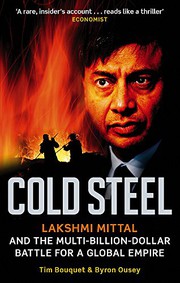
Mittal Steel's 2006 hostile takeover of Arcelor, creating the largest steelmaker.
Recommended by: Mohnish Pabrai
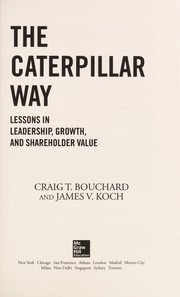
How Caterpillar went from losing a million dollars a day to strong performance.
Recommended by: Mohnish Pabrai
 Mohnish Pabrairecommends 3 books here
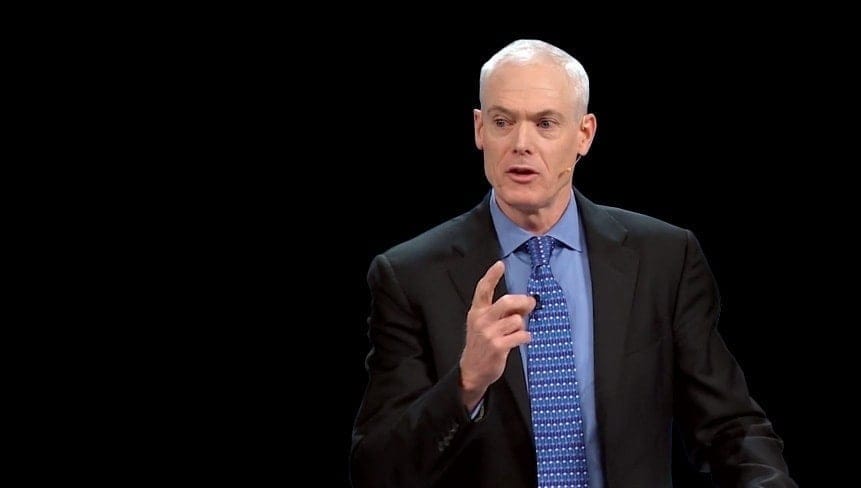 Jim Collinsrecommends 1 book here
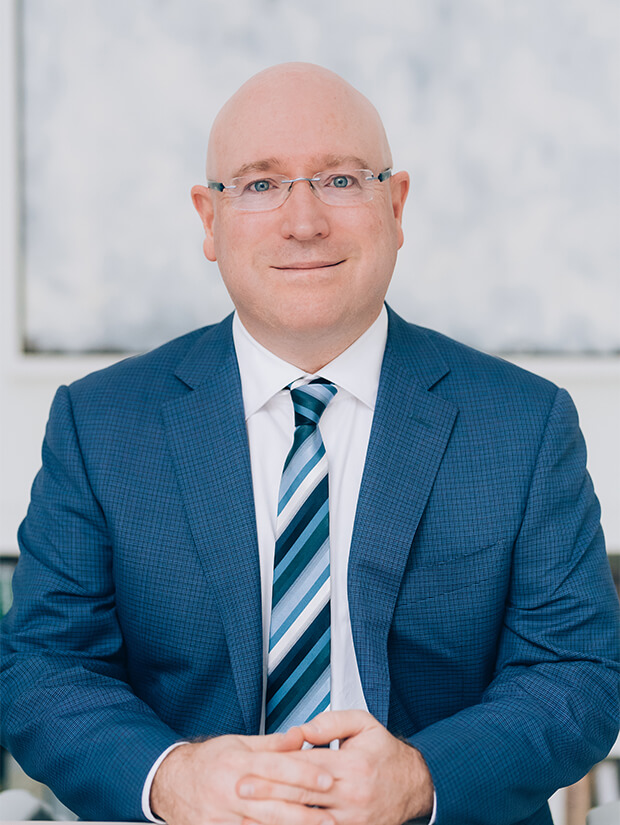 Francois Rochonrecommends 1 book here