Updates

  1. 137 new fund letters and reports, each with its own page: Kayne Anderson Rudnick (48 market briefings, KayneCast episodes and TV commentaries), Shelton Capital Management (48 shareholder reports and a commentary), Lakehouse Capital (10 Small Companies Fund letters), Smead (5 newsletters), RIT Capital Partners (5 monthly commentaries), Kovitz, Legal & General, Generation, Hosking, Marram, Munro, Oldfield and others.
  2. 200 new fund letters and reports, each with its own page: Spheria (41 monthly reports), Peapack Private (41 weekly recaps and planning newsletters), Fort Washington (23), Polen Capital (15), Aristotle Pacific (14), Riverwater (13), Chou (10), Apollo Asia Fund (8, back to 1998), Personal Asset Trust, Rockwood Strategic, J Capital Research, I/O Fund, Penn Davis McFarland, Pomona and others.
  3. Investor pages have one Investments tab with shares, changes, % owned, class, market cap and Market cap and Status filters, a Funds tab listing each fund the firm runs, and assets under management from Form ADV. The Investors table shows AUM and current investments, and its search finds investors by what they hold.
  4. Filters, search and sort stay as you left them when you come back to a section. Person cards look like book cards. Company pages name their Investors tab Ownership. Kind and Sector filters use four kinds and GICS sectors with industries. Dead links left the Links tabs.
  5. 190 more investors from fiscal.ai's list, with their sites, letters, partners and 13F holdings; 556 more partner descriptions. Experts now lists only people.
  6. Fund letters lists 144 new documents from 23 firms, each with its own page: a summary, key insights and quotes. Among them: 37 BlackRock articles, 21 Value Partners monthly notes, eight Baron Capital letters, six Stone Sentinel letters to partners, seven Value Line portfolio manager Q&As, BNY's 2026 earnings releases and Starboard Value's 2026 conference presentations.
  7. 584 more investors, with their websites, 6,776 letters from their own sites, 1,385 partners with pages and the 13F holdings of 213 firms. New letters arrive daily from 290 more archives.
  8. Media and Companies filter by GICS sector and industry group, taken from the companies an episode or page names. 1,860 more company pages show a logo, the SEC's list included.
  9. The home page counts what the platform holds and lists features such as the document reader, the player and saved marks. Settings sits at the foot of the rail. Book cards are a quarter wider, so rows hold fewer. Companies drops the Named in filter, and the Role list in your account runs A to Z.
  10. Investor pages of 13 firms show their newsroom's latest posts. New 13F filings are read as the SEC publishes them.
  11. Investor pages have an Investments tab: 13,975 holdings for 105 investors, from their 13F filings with the SEC and their own portfolio pages, with status and sector. 7,338 more companies have a page of their own.
  12. A podcast or YouTube episode keeps playing while you move around the site, in a bar with skip, speed and volume. Media tables show each episode's length and description.
  13. Press releases come from each company's own newsroom (167 companies); SEC filings sit on the Filings tab. Tickers name their exchange, and a company's Experts tab includes guests whose episode description names it.
  14. Letter types now include Market commentary, Fact sheet, Interim report, Annual report, Proxy circular and Governance document. The reader opens over the whole window.
  15. Partners of investment firms have 2,836 appearances and 580 pieces of writing on their pages; Derek Sivers's page lists every book he rates, with his rating.
  16. Fund letters lists three Akre Focus shareholder reports: the ETF's annual report for the year to July 2026, its semi-annual report to January 2026 and the fund's semi-annual report to January 2025, each with its own page: a summary, key insights and quotes.
  17. 837 partners of 73 investment firms now have their own pages, with title, description, photograph and social accounts; Andreessen Horowitz partners' pages also list their writing on a16z.com.
  18. Company pages have a Press releases tab: 8,229 releases for 203 companies, from SEC filings and company newsrooms. Companies filter by For-profit or Non-profit. Own media is a table with filters. Media filters by sector and industry. Publication pages link their publisher in the description.
  19. The Unilever page's Letters tab shows what each fund letter says about Unilever, word for word with its page, and whether the letter is bullish, bearish, mixed or neutral. Filter by sentiment, and see 10 letters at a time.
  20. 492 more fund letters and 3,183 more articles show the day they were published, read from each letter's first page or each article's own page.
  21. The PDF reader has a search box: type words to see every match in the document and step through them. About 540 letters that were web pages, among them Oakmark's commentaries, Bill Miller's letters and Howard Marks's memos, now open in the reader.
  22. Person pages: recommendations open with tier 1 books; one button per organisation; transcripts sit on their episodes; the books on 129 reading lists joined the Recommends tabs.
  23. Companies lists every company with a ticker on the SEC's list, with a Source filter. A quote on a company page opens the letter at that page with the words marked. A company's Media tab lists only episodes that name it, and a new Own media tab lists its podcasts, publications and YouTube channel. Show pages link their publisher. A page opened from a table no longer shows that table's filters beside it.
  24. Company, investor and person pages show more of their social accounts: Facebook, TikTok, Bluesky, Medium, GitHub, Discord and podcast shows. Investor pages list every partner the firm's own team page names: 965 people across 73 investors, 98 for Andreessen Horowitz.
  25. About 170 more letters and papers open in the reader: Mohnish Pabrai's letters and transcripts from his site's new folder, and free copies of papers by Asness, Harvey, Altman, Lo and others from their own or their schools' sites.
  26. Every company a fund letter names has a page, with the letters and quotes that name it: 47 new pages, among them Atom Computing, Hugging Face, Rolls-Royce Holdings and Westinghouse Electric. Company pages have a Quotes tab.
  27. A person's Writing tab has a Type column and filter (Article, Essay, Transcript, Speech, Foreword, Interview and the rest), and Publication names only the publication that published each piece.
  28. Fund letters opens on the newest published letter, and a letter or paper found by search opens its own page here instead of the publisher's site.
  29. A letter or paper with a copy on the site opens its PDF over its page, with a button to open it in a new tab. Select text to highlight or underline it; signed-in readers keep their marks in their account. Each quote opens the PDF at its page with its words marked, and a Source link leads to the publisher's original.
  30. Fund letters lists 61 more documents, each with its own page: Fairfax's 2025 and 2026 interim reports, proxy circulars and 2025 annual report (with their French editions), 26 Charlie Munger meeting transcripts, talks and essays, Third Point's 2026 monthly reports and Malibu Life's interim results, and a Seth Klarman interview. Papers adds Richard Thaler's two 2020 editorials on nudges.
  31. Fund letters lists Lux Capital's letters for Q2 and Q3 2026, by Josh Wolfe, each with its own page: a summary, key insights and quotes.
  32. Fund letters lists Brookfield's letter to shareholders for Q3 2026, by Bruce Flatt, with its own page: a summary, key insights and quotes.
  33. Fund letters lists Howard Marks's memo of 11 November 2026, A Layman Thinks About AI, with its own page: a summary, key insights and quotes.
  34. Fund letters lists 118 more letters, each with its own page: 44 weekly commentaries by Jeremy Siegel from 2026, 31 issues of Van Tharp's newsletter from 2018, 23 Pabrai Investment Funds letters from 2021 to Q3 2026, 13 Efficient Frontier essays by William Bernstein, Oakmark's three 3Q 2026 commentaries, two Lindsell Train reports, a John Hussman comment and Third Point's Q3 2026 letter.
  35. 2,027 more books carry a one-line description in the Books table and on their pages; 7,067 of 7,715 have one, every tier 1, 2 and 3 book among them.
  36. Fund letters lists 187 more letters from 19 firms, among them Permanent Equity, Social Capital, Lux Capital, Square Peg, Bestinver, Cobas, Sequoia Fund, Marketfield and EquityCompass; each shows on its investor's page and has a page of its own.
  37. 2,928 more books carry a one-line description in the Books table and on their pages, so every tier 1, 2 and 3 book has one; 5,040 in all.
  38. Every publication on Newsletters has its own page: its writing, its writers, its staff and who recommends it. Investor pages have a Management tab; a company's Experts tab now leaves out its own people, who list under Management. Tabs on a phone move sideways only.
  39. Every fund letter and research paper has its own page: the thesis, the PDF, the companies and books it names, and for 176 letters and 24 papers so far a summary, key insights and quotes with their page.
  40. 99 books that no page listed now sit under their topics in Books, among them Caste, American Prometheus and Pale Blue Dot.
  41. Newsletters lists every newspaper, magazine, investment newsletter, journal and blog the reference holds, 442 in all, with the people who write there. The search box keeps your last 20 searches. You can create an account.
  42. 283 books that fund managers recommend in their letters are on the shelf, each with the letter's own words and page; investor pages have a Recommends tab.
  43. Person, company, investor and show pages link their own accounts on X, Threads, Instagram, LinkedIn, YouTube and Substack: 275 people, 552 companies and organisations, 88 investors and 478 shows.
  44. 716 more book recommendations name their source: the person's own reading list, letter, blog post, speech or interview, or an article that reports it. 232 of them quote the person's own words about the book, on the book card and on the book's page.
  45. Every US-listed company has a page with its SEC filings. Company pages list their experts and their management, past and present. Fund managers sit under Investors. Each show has a page of its episodes, and an episode page names its guests and hosts. Biographies lists groups, then people. Breadcrumbs show where a page sits.
  46. Media lists every podcast episode, video, interview and talk, over 10,000, by person, company, publisher and event; each filter searches its own choices. Books opens on its table, then Browse, then Authors and Recommenders. A filter's count no longer covers its arrow.
  47. A book that no company, country or subject page lists shows its topics under Where it sits in the reference. On a phone, a page's tabs scroll sideways only. Descriptions read the same on every page. See them in the Experts tab lists every expert the page names.
  48. Every podcast episode, video and interview has its own page with a video or audio player and a link to the source. Investor pages show each company's sector and market cap; firms such as Berkshire Hathaway have one page that holds their letters and their company tabs. Letters tabs filter by company and search the theses. Companies filter by Public, Private and Defunct and link each company's website.
  49. Every tab, view and search has its own address, such as /books/table/asset or /letters/companies, so Back works and a link opens the same place. Page addresses no longer end in .html. Fund letters, Investors, Companies and Papers load about a fifth of the data they did.
  50. Fund letters has a Companies tab: every company the letters name, with its market cap, sector, country, and how many letters and investors name it. Investor pages link each investor's website. Lists in table cells end with “… and N more” at every width.
  51. 1,120 more book summaries; descriptions for 373 papers; pages for 137 more companies, each with the fund letters that discuss it; 215 official photographs; search has its own page.
  52. 411 more books have a summary; person pages list 930 more of the books they wrote; 147 people show their official photograph.
  53. Every investor has a page with its letters and the companies they discuss; company pages list the investors whose letters name them.
  54. A Companies section at the top of the rail lists every company the books, experts and fund letters name.
  55. Person pages list letters, writing, profiles and links as sortable tables with filters, and show each person's companies as links; Fund letters show each letter's description in its own column.
  56. Experts show a checked job title and a short description of each person; 30 more people have photographs.
  57. Every company, fund, university and publication the experts work for has a page listing the people there.
  58. Fund letters show each letter's thesis and filter by it; 225 person pages list the essays, columns and newsletter issues the person wrote.
  59. Person pages list every essay and newsletter issue a person wrote, and their own books as a table in List view.
  60. Recommends shows the five largest kinds of book and the rest under More; browse pictures load sooner.
  61. Podcasts and talks link the original episode, filter by Audio and video or Press, and list each publisher once.
  62. Pages are wider, Recommends has List and Grid, and a filter clicked again turns off.
  63. Book cards sit in a ruled grid with Open Library and Goodreads links and each book's one-line note.
  64. Funds is now Investors; each investor's styles are buttons that filter the table.
  65. Podcasts and talks on a person's page filter by year and publisher and show as a list or a grid of pictures.
  66. Quotes show only people's own words: 472 summaries written by list sites are gone.
  67. Country pages open from Browse again, and every link on the shelf lands on a page.
  68. Subject and person pages show their sections as tabs, and each book appears once on a person's page.
  69. Book cards show the quote, who said it and the source; grids show five cards to a row.
  70. On a phone, a menu holds the sections, search, Updates, Feedback and dark mode.
  71. Feedback takes a screenshot of the page with no browser prompt, opens a screenshot full size when you click it, and clears itself once sent.
  72. Book cards are centred, search names the topic each book sits in, and any text cut short shows whole on hover.
  73. Search groups its results by kind: people, companies, geographies, subjects, topics, books, funds, fund letters and papers.
  74. The Books table lists who recommended each book by name, and the browser tab names the section you are in.
  75. Feedback can take a screenshot of the page, or one you paste or choose, and opens in the corner beside Updates.
  76. Each rail button reopens its section where you left it, and Browse, Table and People show on every book and subject page.
  77. Filters grey out choices that hold nothing instead of hiding them, and Books › People filters by authors or recommenders.
  78. Feedback takes a subject line and up to three screenshots.
  79. Biographies are grouped by the person they are about: 41 new pages, from Abraham Lincoln to Lee Kuan Yew.
  80. Sport splits into 23 sports, and Religion into one topic per faith.
  81. Book lists show as cards: the cover, one recommendation quote and every recommender by name.
  82. Seventeen subjects that had two or three pages under different names now have one page each.
  83. Every page lists its Experts as authors and recommenders, with a link to them on the Experts tab.
  84. Economics, Financial history, Financial panics and Accounting are subjects of their own, with one page per financial crisis.
  85. Book, person and subject pages open inside the app, so the tabs stay in view.
  86. 996 more book covers, and photographs or logos for 227 more people and companies.
  87. Books › Browse shows every subject as cards, and the rail holds Fund letters, Papers, Experts, Books and Funds.
  88. Every topic over 150 books splits into narrower topics, each with a page of its own.

Send feedback

What is it?
Screenshots, up to 3 (optional)
or paste one with Ctrl+V

We use your email only to reply to you.

SA

South Asian fiction

Novels and stories set in or written from India, Pakistan, Bangladesh, Sri Lanka, Afghanistan and their diasporas, by writers such as Rushdie, Seth, Desai, Sidhwa and Lahiri.

Start here

  1. Umrao Jan AdaMirza Mohammad Hadi Ruswa, 1899
  2. Twilight in DelhiAhmed Ali, 1940
  3. A House for Mr. BiswasV. S. Naipaul, 1961
  4. Clear Light of DayAnita Desai, 1980
  5. Midnight's ChildrenSalman Rushdie, 1981

Mirza Mohammad Hadi Ruswa · 1899

A novel of Umrao Jan Ada, a courtesan of Lucknow.

Recommended by: Mohnish Pabrai

Ahmed Ali · 1940

A novel of nineteenth-century Delhi and the loss of a whole culture and way of life.

Recommended by: Mohnish Pabrai
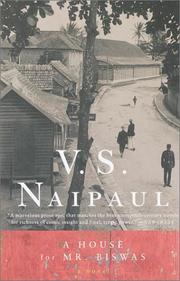
V. S. Naipaul · 1961

A Trinidadian of Indian descent strives all his life to improve his lot.

Recommended by: Mohnish Pabrai
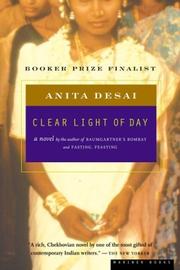
Anita Desai · 1980

A novel of sisters in Old Delhi, family wounds and forgiveness.

Recommended by: Mohnish Pabrai
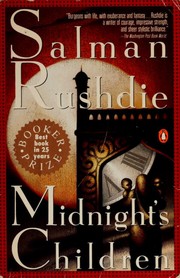
Salman Rushdie · 1981

A novel of India's passage from British rule to independence and partition.

Recommended by: Patrick Collison

Bapsi Sidhwa · 1982

An orphan adopted by a tribesman who has left his hill town for Lahore.

Recommended by: Mohnish Pabrai
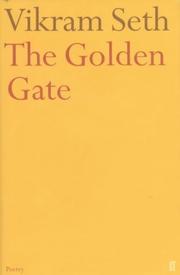
Vikram Seth · 1986

A novel in verse of young professionals and their loves in 1980s San Francisco.

Recommended by: Mohnish Pabrai
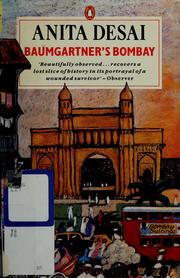
Anita Desai · 1988

A novel of a German Jew who flees to India and ends his life poor in Bombay.

Recommended by: Mohnish Pabrai
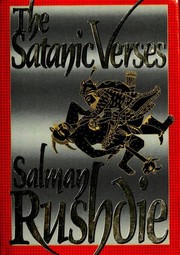
Salman Rushdie · 1988

A magical-realist novel inspired in part by the life of the Prophet Muhammad.

Recommended by: Susan J. Fowler
Gita Mehta · 1989

An Indian princess born in the 1890s lives through the end of British rule.

Recommended by: Mohnish Pabrai
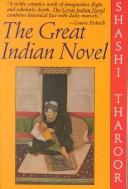
Shashi Tharoor · 1989

A satirical novel retelling India's fight for independence through the Mahabharata.

Recommended by: Mohnish Pabrai
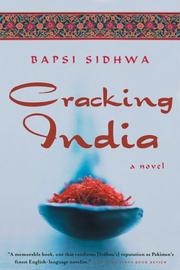
Bapsi Sidhwa · 1991

The Partition of India, seen by a young Parsee girl with polio in Lahore.

Recommended by: Mohnish Pabrai
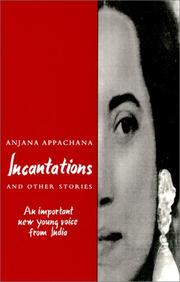
Anjana Appachana · 1991

Stories of people displaced within India's slowly changing society.

Recommended by: Mohnish Pabrai
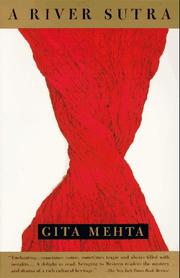
Gita Mehta · 1993

Linked stories of tradition and desire, told to a retired bureaucrat.

Recommended by: Mohnish Pabrai
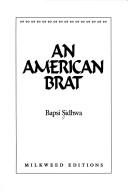
Bapsi Sidhwa · 1993

A novel of a Pakistani teenage girl sent by her family to live in America.

Recommended by: Mohnish Pabrai

Salman Rushdie · 1994

Nine stories about the closeness and distance between East and West.

Recommended by: Mohnish Pabrai
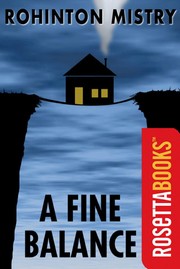
Rohinton Mistry · 1995

A novel of city life in India, built around an apartment and its residents.

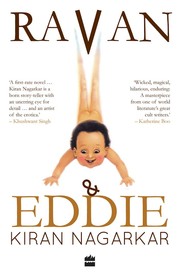
Kiran Nagarkar · 1995

Two schoolboys grow up in a crowded Bombay chawl in the 1960s.

Recommended by: Mohnish Pabrai

Vikram Chandra · 1995

Indian myth, epic history and three college students who go in search of America.

Recommended by: Mohnish Pabrai
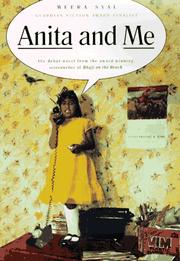
Meera Syal · 1996

A novel of a Punjabi girl growing up in an English mining village.

Recommended by: Mohnish Pabrai

Vikram Chandra · 1997

Five linked stories of Bombay: its ghosts, passions, feuds and mysteries.

Recommended by: Mohnish Pabrai
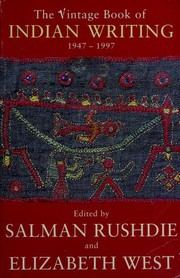
Salman Rushdie · 1997

Stories and novel excerpts by Indian writers from independence in 1947 to 1997.

Recommended by: Mohnish Pabrai

Arundhati Roy · 1997

Twins in India whose lives are broken by the laws of who may be loved.

Recommended by: Mohnish Pabrai
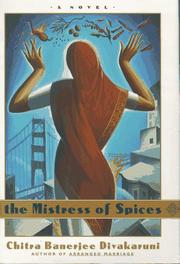
Chitra Banerjee Divakaruni · 1997

A young woman with magical powers, trained in the ancient art of spices.

Recommended by: Mohnish Pabrai
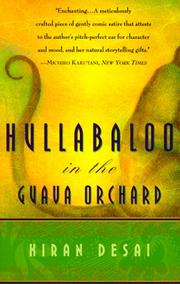
Kiran Desai · 1998

A comic novel of a young man in a Punjab village who is taken for a holy man.

Recommended by: Mohnish Pabrai
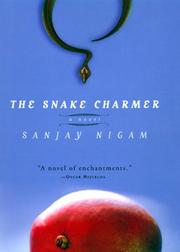
Sanjay Nigam · 1998

India's best snake charmer, unloved at home, has one fateful evening.

Recommended by: Mohnish Pabrai

Vikram Seth · 1999

A romantic novel of two gifted musicians, a violinist and a pianist.

Recommended by: Mohnish Pabrai

Michael Ondaatje · 1999

A novel of a forensic anthropologist identifying the dead for human rights work.

Recommended by: Mohnish Pabrai
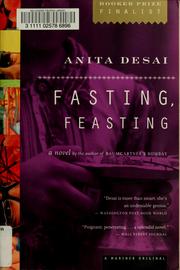
Anita Desai · 1999

A novel of a daughter at home in India and her brother in America.

Recommended by: Mohnish Pabrai

Meera Syal · 1999

A novel of young Indian women in London, dutiful at home and fierce at work.

Recommended by: Mohnish Pabrai

Chitra Banerjee Divakaruni · 1999

Two cousins in a Calcutta family, raised as sisters, and the secrets between them.

Recommended by: Mohnish Pabrai
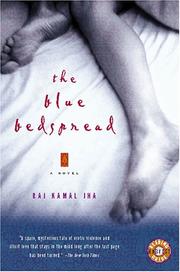
Raj Kamal Jha · 1999

A man in Calcutta learns his lost sister has died and must claim her newborn.

Recommended by: Mohnish Pabrai
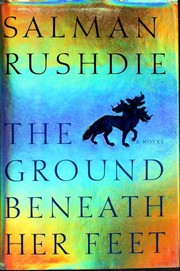
Salman Rushdie · 1999

A famous singer lost in an earthquake, and the lover who keeps seeking her.

Recommended by: Mohnish Pabrai
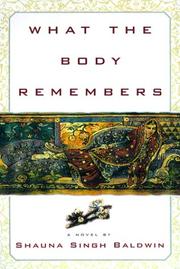
Shauna Singh Baldwin · 1999

Two women married to one Sikh landowner, amid the Partition of India.

Recommended by: Mohnish Pabrai

Sulekha · 2001

Forty-two true stories by Indians around the world from the site Sulekha.com.

Recommended by: Mohnish Pabrai

Anita Rau Badami · 2002

Two generations of women from India's railway colonies, a mother and her daughter.

Recommended by: Mohnish Pabrai
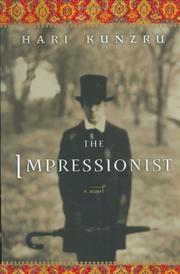
Hari Kunzru · 2002

A novel of a boy cast out in India who lives as a man of many names.

Recommended by: Mohnish Pabrai
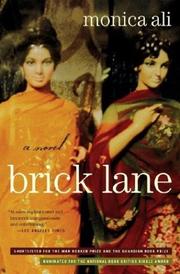
Monica Ali · 2003

A novel of a young Bangladeshi Muslim woman: immigrant, wife and sister.

Recommended by: Mohnish Pabrai
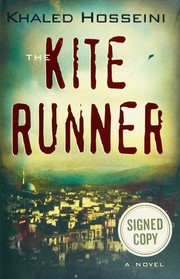
Khaled Hosseini · 2003

A wealthy boy and his father's servant's son, in an Afghanistan being destroyed.

“Amy finished The Kite Runner the other day and immediately called me on my cell phone and said “I just read the best first novel that I’ve read so far this year.” NPR’s Susan Stamberg had a great piece on summer reading and first novels this morning and – as Amy has been working on her first novel – she reads a lot of them.” — Brad Feld

Source: Book Review: The Kite Runner – Khaled Hosseini — Feld Thoughts

Recommended by: Brad Feld, Jim Collins, Ann Miura-Ko and 1 other

Jhumpa Lahiri · 2003

An Indian-American boy named Gogol rejects his name and his parents' values.

“My favorite book, which I've now read a few times also is Jhumpa Lahiri's The Namesake. Have you read it?” — Rana el Kaliouby

Source: The Tim Ferriss Show Transcripts: Rana el Kaliouby — AI, Emotional Intelligence, and the Journey of Finding Oneself (#423)

Recommended by: Mohnish Pabrai, Rana el Kaliouby
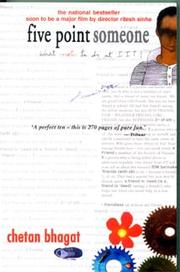
Chetan Bhagat · 2004

A comic novel of three friends at the Indian Institute of Technology.

Recommended by: Mohnish Pabrai
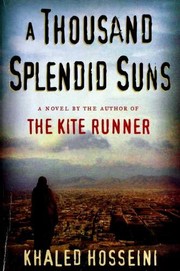
Khaled Hosseini · 2007

A novel of Afghan women's lives through domestic abuse and Taliban rule.

“He wrote this book called A Thousand Splendid Suns. And probably one of the most beautiful books that I've read in a long time in terms of fiction writing, and I would encourage people to read it because it gives you a sense of Afghanistan's incredible history and the role women have played within that history.” — Ann Miura-Ko

Source: The Tim Ferriss Show Transcripts: Ann Miura-Ko (#331)

Recommended by: Ann Miura-Ko, James Altucher, Tim Ferriss
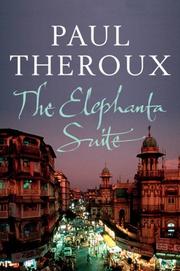
Paul Theroux · 2007

Three novellas of travellers in today's India who find woe, truth or peace.

Recommended by: Mohnish Pabrai
Aravind Adiga · 2009

Short stories of life in an Indian town between two political assassinations.

Recommended by: Mohnish Pabrai
Daniyal Mueenuddin · 2009

Eight linked stories of a landowning family in Pakistan and the people who serve it.

Recommended by: Mohnish Pabrai
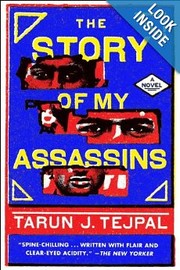
Tarun J. Tejpal · 2009

A journalist learns police have caught five hitmen on their way to kill him.

Recommended by: Mohnish Pabrai
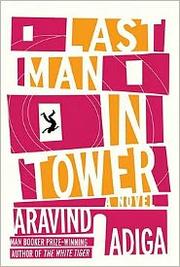
Aravind Adiga · 2011

A Mumbai developer tries to buy out the residents of an old tower block.

Recommended by: Mohnish Pabrai
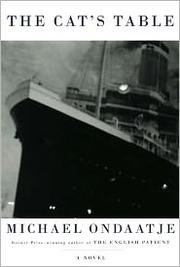
Michael Ondaatje · 2011

An eleven-year-old boy's three-week sea voyage from Colombo to England.

Recommended by: Bill Gates
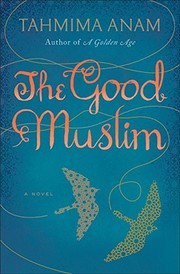
Tahmima Anam · 2011

The rise of Islamic radicalism in Bangladesh, seen through one family.

Recommended by: Mohnish Pabrai
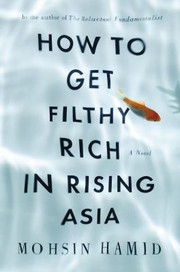
Mohsin Hamid · 2013

A novel of a poor farmer's son who moves to the city and gets rich bottling water.

“The novel is How to Get Filthy Rich in Rising Asia. I'm blanking on the author's name.” — Tim Ferriss

Source: The Tim Ferriss Show Transcripts: The Random Show – New Favorite Books, Memory Training, and Bets On VR (#171)

Recommended by: Nat Eliason, Tim Ferriss, Chris Sacca and 1 other
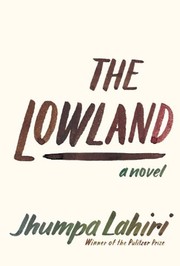
Jhumpa Lahiri · 2013

Two brothers, one in rebel Calcutta and one in America, until tragedy draws one home.

Recommended by: Radhika Jones
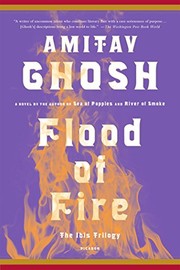
Amitav Ghosh · 2015

The last Ibis novel: the opium trade and the war it brought to China.

Recommended by: Mohnish Pabrai

Nandita Bose

A bride must marry the replacement groom, an older stepbrother she barely knows.

Recommended by: Mohnish Pabrai

More fiction