Science fiction
Novels, stories and comics about space travel, future societies, artificial intelligence and alternative worlds, from Asimov and Clarke to Banks, Liu, Stephenson and Weir.
Start here
- The Time MachineH. G. Wells, 1895
- AccelerandoCharles Stross, 1900
- The Machine StopsE.M. Forster, 1909
- Last and First Men: A Story of the near and far futureOlaf Stapledon, 1930
- Star MakerOlaf Stapledon, 1937
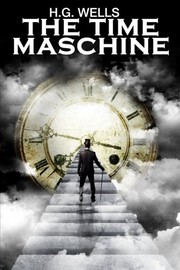
A Time Traveller journeys 800,000 years into a transformed future.
Recommended by: Sahil Lavingia
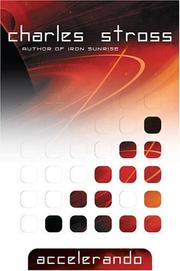
A novel of the Singularity, when artificial intelligence surpasses the human mind.
Recommended by: Marc Andreessen, Nat Eliason and 1 other
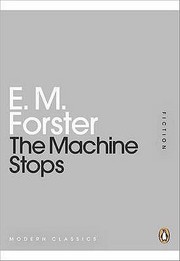
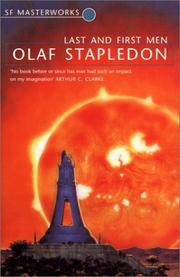
A history of mankind's future, from the present until the Sun engulfs the Earth.
Recommended by: Patrick Collison
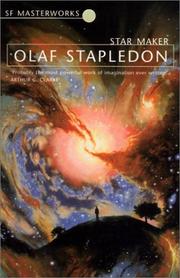
An Englishman's mind travels through space and time and joins a growing mind.
Recommended by: Stewart Brand
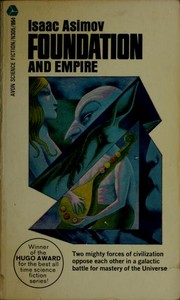
Guided by Hari Seldon's plan and its science, the Foundation fights to survive.
Recommended by: Elon Musk, Stewart Brand
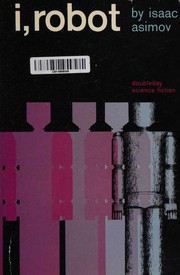
Linked science fiction stories about robots.
Recommended by: Sahil Lavingia
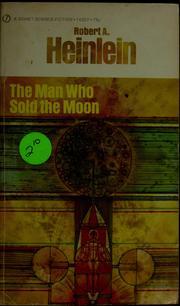
An entrepreneur who risks everything to start manned flight to the Moon.
Recommended by: Peter Diamandis
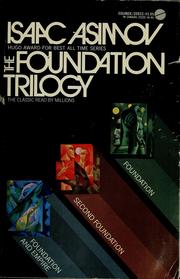
As a galactic empire crumbles, Hari Seldon's psychologists create the Foundation.
Recommended by: Stewart Brand
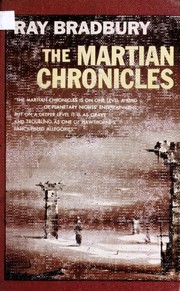
Linked stories of the human colonization of Mars.
Recommended by: Delian Asparouhov
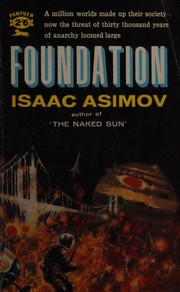
A novel: a mathematician foresees an empire's fall and plans to shorten the dark age.
Recommended by: Balaji S. Srinivasan, Matt Mullenweg and 11 others
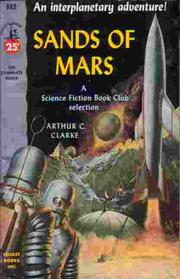
A science fiction writer travels to Mars as a guest aboard the spaceship Ares.
Recommended by: Patrick Collison, Delian Asparouhov
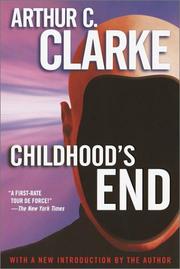
A science fiction novel of the peaceful alien takeover of Earth by the Overlords.
Recommended by: Kevin Kelly
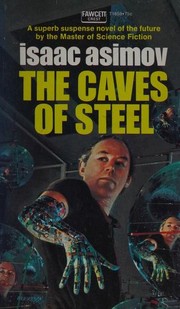
A science fiction murder mystery in a future New York of humans and robots.
Recommended by: Matt Mullenweg
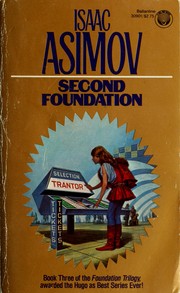
After the Mule wrecks the Foundation, the hunt begins for a hidden Second Foundation.
Recommended by: Elon Musk, Stewart Brand
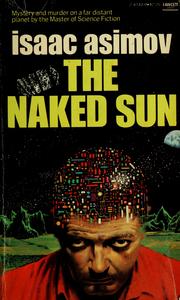
A detective from Earth investigates a murder on Solaria, a planet run by robots.
Recommended by: Matt Mullenweg
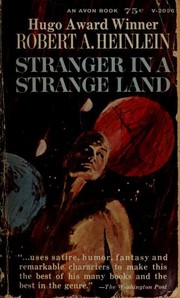
A man born and raised on Mars comes to Earth as an adult.
Recommended by: Bill Gates, Elon Musk, Sahil Lavingia
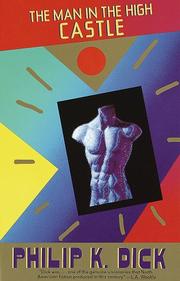
An alternate history set in America after the Axis won the Second World War.
“I read Philip K. Dick’s The Man in the High Castle. Amy and I loved Season 1 of the Amazon series but struggled with the first episode on Season 2 (I’m sure we’ll fight through it and watch it this week.) Since we got off to a slow start on Season 2, I decided to read the book, which I had resisted reading because I didn’t want it to confuse the TV series with the book.” — Brad Feld
Source: Book: The Man in the High Castle — Feld Thoughts
Recommended by: Brad Feld
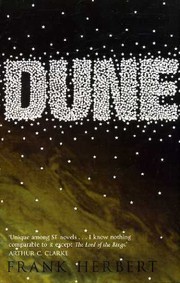
A novel of a feudal space empire fighting over a desert planet and its spice.
Recommended by: Patrick Collison, Stewart Brand, Andrew Chen and 8 others
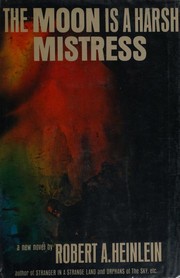
The Moon is a prison colony under a Lunar Authority, until a computer wakes up.
“a novel by Heinlein called The Moon is a Harsh Mistress, which featured an intelligent computer called Mike” — Paul Graham
Source: What I Worked On — paulgraham.com (February 2021)
Recommended by: Paul Graham, Delian Asparouhov, Elon Musk
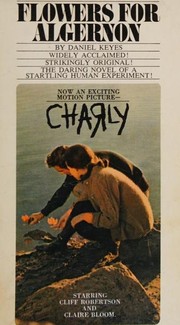
A man of low intelligence whose surgery makes him a genius, for a time.
Recommended by: Naval Ravikant
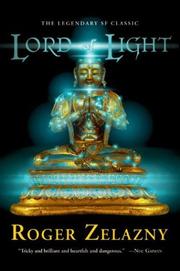
A science fiction novel of colonists who rule as Hindu gods with stolen technology.
Recommended by: Naval Ravikant
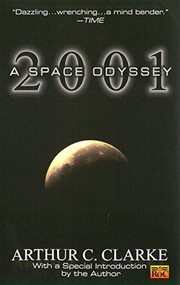
A novel of how the human race may have begun and where it may be headed.
Recommended by: Bertalan Meskó
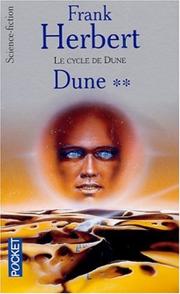
The second Dune novel: Paul Atreides as emperor of the known universe.
Recommended by: Tim O’Reilly
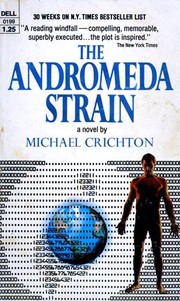
Scientists race to contain a deadly microorganism brought to Earth by a satellite.
Recommended by: Patrick Collison
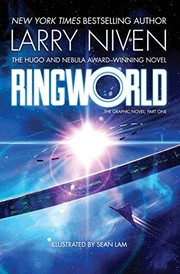
A science fiction novel set on the Ringworld, a giant ring built around a sun.
Recommended by: Sahil Lavingia

Early short stories of a science fiction writer, among them "Christmas on Ganymede".
Recommended by: Patrick Collison
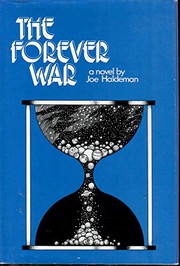
One soldier's war against aliens across relativistic space and time.
Recommended by: Bertalan Meskó
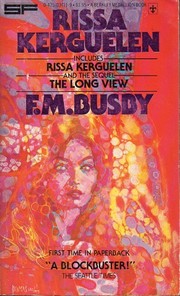
A woman enslaved as a child escapes Earth and wages a crusade of vengeance.
Recommended by: Tim O’Reilly
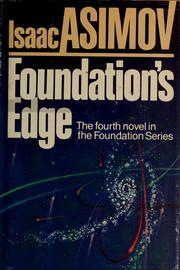
Terminus suspects the Second Foundation, not Seldon's plan, of keeping its peace.
Recommended by: Patrick Collison, Elon Musk
The notebooks of Lazarus Long, an immortal hero of the author's novels.
Recommended by: Tim Ferriss
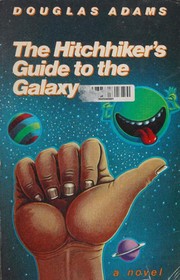
The first book of a comic science fiction series of interstellar travel.
Recommended by: Richard Branson, Elon Musk, Naval Ravikant and 2 others
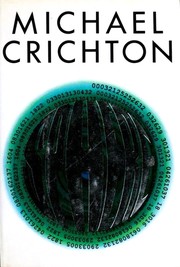
Scientists examine a spacecraft of unknown origin found on the Pacific floor.
Recommended by: Ev Williams
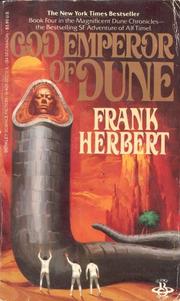
3,500 years on, Leto, son of Paul Atreides, has traded his humanity to rule.
Recommended by: Elon Musk, Sahil Lavingia
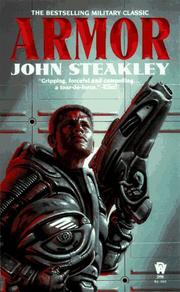
A science fiction novel of a soldier in powered armour on the Bug home world.
Recommended by: Nat Eliason
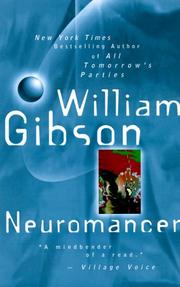
The first novel of the Sprawl trilogy and the classic of cyberpunk.
“Neuromancer also, and I believe, and I'm not alone in this, that sci-fi is a great place to go looking for the future, right?” — Tim Ferriss
Recommended by: Tim Ferriss, Naval Ravikant
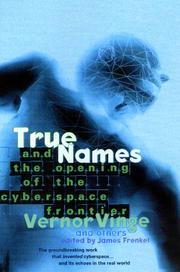
A novella that mixes hard science fiction with sword-and-sorcery imagery.
Recommended by: Marc Andreessen
A Dune novel: after Arrakis is destroyed, the Bene Gesserit make a new desert.
Recommended by: Elon Musk
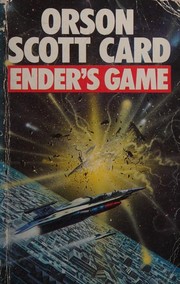
A novel of a gifted boy trained in an orbiting school for war against aliens.
“My post The Best Science Fiction Books of All Time from a few weeks ago got 100+ comments with some amazing suggestions. I’d read a bunch of them, but I discovered a lot of new things to read.” — Brad Feld
Source: Book: Ender's Game — Feld Thoughts
Recommended by: Brad Feld, Eric Jorgenson, Jim Collins and 6 others
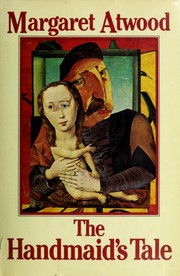
A dystopian novel set in Gilead, a patriarchal theocracy in near-future New England.
Recommended by: Patrick Collison, Samantha Wong
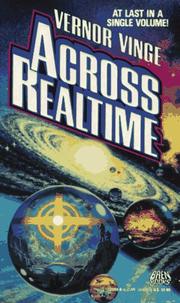
Two linked novels: The Peace War and Marooned in Realtime.
Recommended by: Stewart Brand
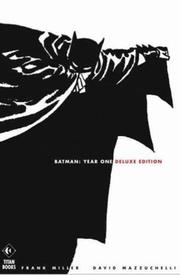
A graphic novel of Batman's war on crime and how his story ends.
Recommended by: Naval Ravikant
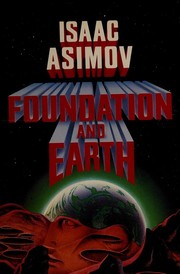
The fifth Foundation novel: three travellers go looking for Earth.
Recommended by: Elon Musk
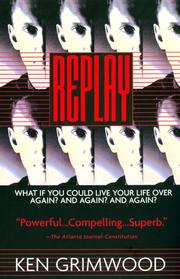
A man dies and wakes up 25 years younger, living his life again and again.
“Novelette about a man who dies of a heart attack but then is suddenly back in college, at it was, repeating his life, so he decides to make changes this time but still dies of a heart attack at the exact same moment, sending him back to college again, but a little later. After many repeats I think I was supposed to learn a lesson, but instead just captivating entertainment.” — Derek Sivers
Source: Derek Sivers book notes (primary, rated list) · Rating: 3/10
Recommended by: Derek Sivers, Noah Kagan
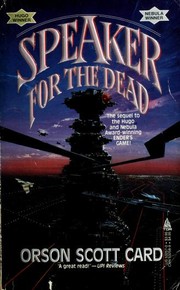
Ender Wiggin must make peace with a new alien species to prevent a second war.
Recommended by: Ev Williams
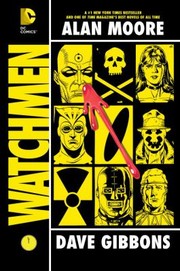
The murder of a costumed vigilante stirs the few surviving masked heroes to act.
Recommended by: Patrick Collison, Naval Ravikant
A space opera of a war between the Culture, a machine-run utopia, and its enemies.
Recommended by: Stewart Brand, Demis Hassabis, Elon Musk and 1 other
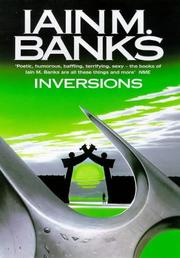
Two linked stories in palaces either side of a mountain range.
Recommended by: Elon Musk, Jeff Bezos
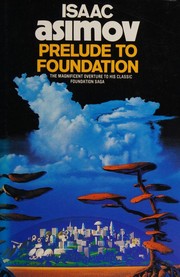
On Trantor, capital of a vast Galactic Empire, an emperor sits uneasy on his throne.
Recommended by: Elon Musk
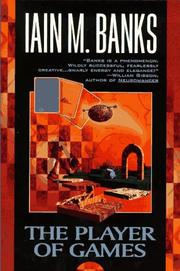
A science fiction novel about Gurgeh, the Culture's greatest game player.
Recommended by: Stewart Brand, Elon Musk, Jeff Bezos and 1 other

A graphic novel of totalitarianism and resistance to it.
Recommended by: Naval Ravikant
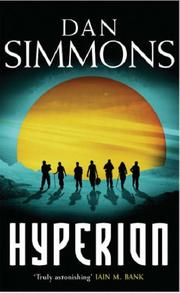
In the 29th century, a human Hegemony keeps an uneasy alliance with AIs.
Recommended by: Jeff Bezos, Sahil Lavingia
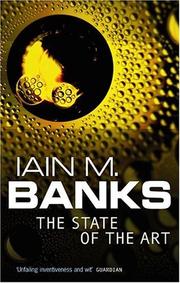
Short fiction, with a novella of the Culture that gives the book its name.
Recommended by: Stewart Brand, Elon Musk, Jeff Bezos
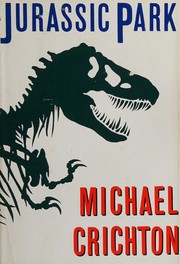
An amusement park of genetically re-created dinosaurs collapses into chaos.
Recommended by: Richard Branson, Jordan Hughes
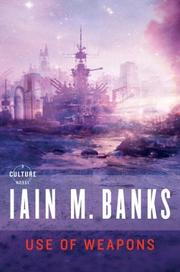
A Culture agent who changes the fate of planets by intrigue, dirty tricks and war.
Recommended by: Stewart Brand, Elon Musk, Jeff Bezos
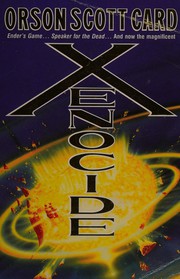
Ender seeks a way for humans, pequeninos and the Hive Queen to survive a virus.
Recommended by: Ev Williams
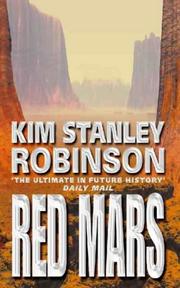
The colonisation of Mars, from the arrival of the First Hundred to a revolution.
Recommended by: Delian Asparouhov
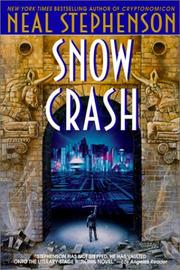
A novel of a hacker in a corporate-run America and its virtual world, the Metaverse.
Recommended by: Nat Eliason, Naval Ravikant, Alexis Ohanian and 12 others
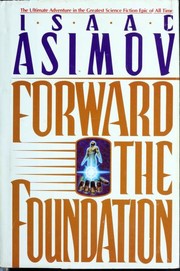
The second Foundation prequel, the last novel the author wrote.
Recommended by: Elon Musk
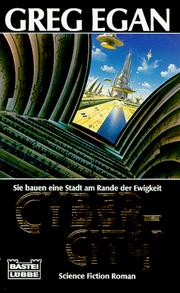
A man's plan to create immortality through simulated life grows beyond his control.
“I didn’t read much last month, but I got an email this morning from someone who mentioned that I’d like Greg Egan’s Permutation City. I read it in April when I was in Japan on my Q219 Vacation with Amy but never really blogged much about it.” — Brad Feld
Source: Book: Recursion, Permutation City, and Fall — Feld Thoughts
Recommended by: Brad Feld, Matt Mullenweg, Naval Ravikant
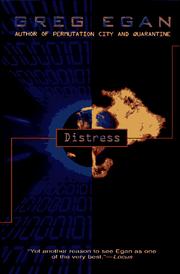
A science fiction novel of a journalist investigating a future world.
Recommended by: Naval Ravikant
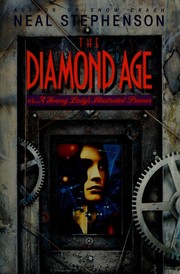
A novel of a nanotech future and a stolen copy of an interactive teaching book.
Recommended by: Andrew Chen, Bill Gurley, Ev Williams and 2 others
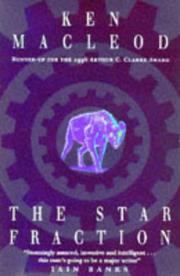
A future of intelligent weapons and software where humanity struggles to recover.
Recommended by: Marc Andreessen
A science fiction novel about a perfect artifact from another universe.
Recommended by: Stewart Brand, Elon Musk, Jeff Bezos
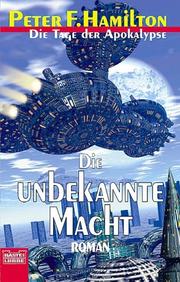
A space opera of a prosperous human galaxy in the year 2600 and the threat it meets.
Recommended by: Adam Gazzaley
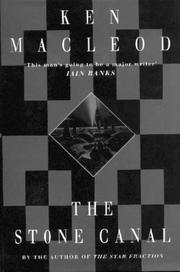
A clone arrives on New Mars, where the free market rules and death is minor.
Recommended by: Marc Andreessen
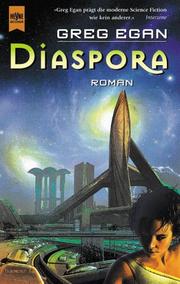
A hard science fiction novel of a thirtieth century where minds live in networks.
Recommended by: Naval Ravikant
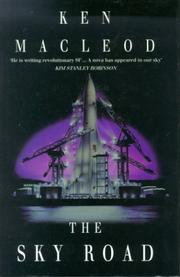
Centuries after a catastrophe, a young scholar helps humanity return to space.
Recommended by: Marc Andreessen
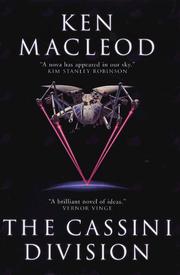
A soldier of a utopian Solar Union's defence force, set in the 24th century.
Recommended by: Marc Andreessen
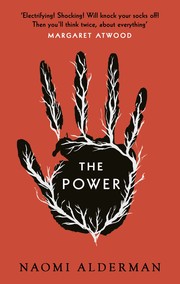
A novel in which teenage girls gain a physical power that overturns sex roles.
Recommended by: Bill Gates, Melinda Gates, Sophie Bakalar
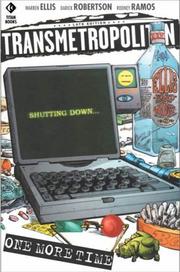
A journalist exposes a corrupt president who sends assassins after him.
“If you're open to the cartoony element of it, Transmetropolitan, The Boys, Planetary, and The Sandman ... some of these are, I think, among the finest works of art of our age.” — Naval Ravikant
Source: Naval's Recommended Reading — The Almanack of Naval Ravikant
Recommended by: Naval Ravikant
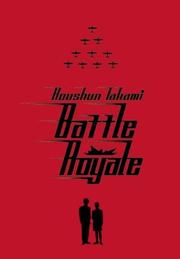
A thriller of a junior high school class taken to a deserted island.
Recommended by: Patrick Collison
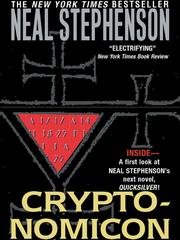
A novel of wartime codebreakers and their descendants building a data haven.
“My favorite is probably Cryptonomicon, which I think is a rare choice as a favorite” — Tim Ferriss
Recommended by: Tim Ferriss, Ev Williams, Marc Andreessen and 1 other
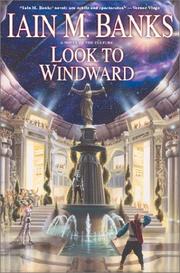
A science fiction novel set eight hundred years after a war that destroyed two suns.
Recommended by: Stewart Brand, Elon Musk, Jeff Bezos
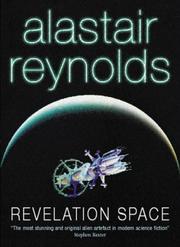
A scientist hunts for what wiped out an alien civilization 900,000 years ago.
Recommended by: Marc Andreessen
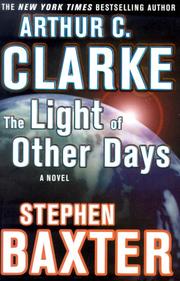
A future in which a technology lets anyone see any place and any past moment.
Recommended by: David Friedberg
A science fiction novel of a domed city on a hostile planet ravaged by a plague.
Recommended by: Marc Andreessen
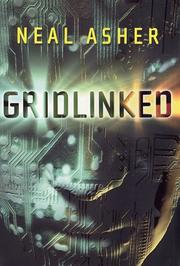
A science fiction adventure among space colonies, after a disaster.
Recommended by: Marc Andreessen
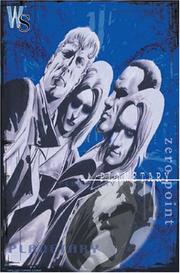
A comic about Elijah Snow, a 100-year-old man among archaeologists of the impossible.
“If you're open to the cartoony element of it, Transmetropolitan, The Boys, Planetary, and The Sandman ... some of these are, I think, among the finest works of art of our age.” — Naval Ravikant
Source: Naval's Recommended Reading — The Almanack of Naval Ravikant
Recommended by: Naval Ravikant
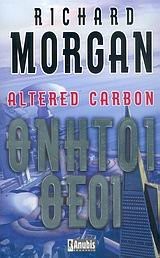
A noir science fiction novel in which minds are stored and moved between bodies.
Recommended by: Marc Andreessen, Ryan Shea, Zooko Wilcox
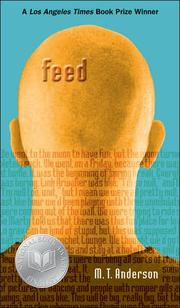
A satire of a future where people have a network feed in their heads.
Recommended by: Mohnish Pabrai
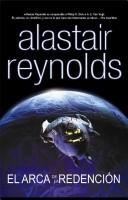
Ancient machines built to suppress intelligent life awaken after a fatal discovery.
Recommended by: Marc Andreessen
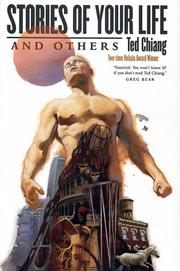
Eight science-fiction stories, each working out one premise with rigour.
“My current favorite short story, sci-fi short story: probably "Understand" by Ted Chiang. It's in a collection called Stories of Your Life and Others.” — Naval Ravikant
Source: Naval's Recommended Reading — The Almanack of Naval Ravikant
Recommended by: Patrick Collison, Tim Ferriss and 3 others
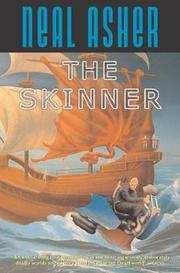
Three travellers come to the remote planet of Spatterjay on different missions.
Recommended by: Marc Andreessen
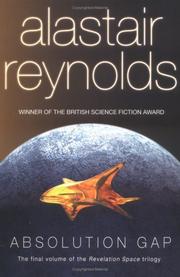
Ancient machines that destroy intelligent life wake from long sleep.
Recommended by: Marc Andreessen
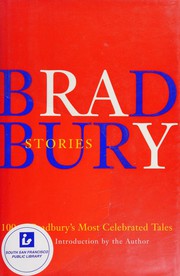
A hundred of his best-known science fiction and fantasy stories.
Recommended by: Patrick Collison
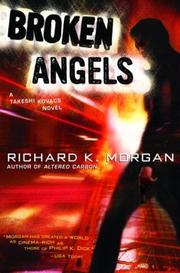
A science fiction novel of mercenaries in a twenty-fifth-century interstellar war.
Recommended by: Marc Andreessen
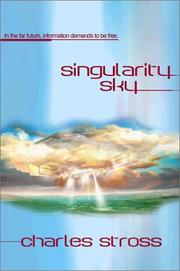
A space opera set centuries after an AI, the Eschaton, began to police causality.
Recommended by: Marc Andreessen
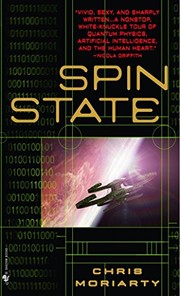
Hard science fiction of a UN Peacekeeper in a world of AIs and genetic constructs.
Recommended by: Marc Andreessen
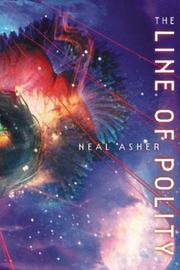
An agent investigates the destruction of a space station by a nanomycelium.
Recommended by: Marc Andreessen
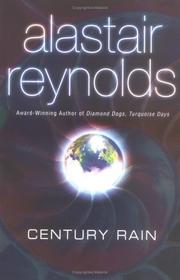
A science fiction mystery of an archaeologist on an uninhabitable future Earth.
Recommended by: Marc Andreessen
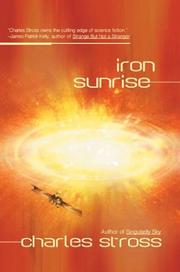
After a planet is destroyed, an agent hunts the real culprit as revenge missiles fly.
Recommended by: Marc Andreessen
In 2380, a wormhole-linked commonwealth of 600 worlds sees a distant star vanish.
Recommended by: Marc Andreessen
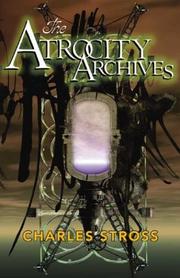
Spy thriller and Lovecraftian comedy of an IT worker at a secret British agency.
Recommended by: Marc Andreessen
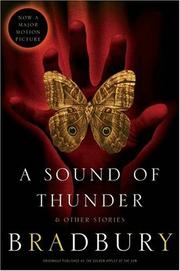
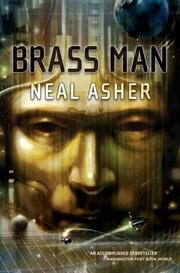
A science fiction novel of a knight on a primitive world and a resurrected cyborg.
Recommended by: Marc Andreessen
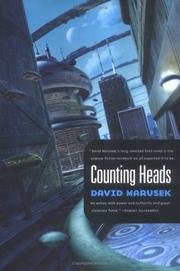
A novel of a future where robots do the work and people live for centuries.
Recommended by: Marc Andreessen
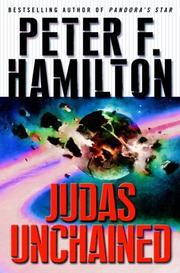
A space opera: the Commonwealth fights the Prime, aliens bent on extermination.
Recommended by: Marc Andreessen
Retirees join Earth's colonial army in an interstellar war against advanced species.
Recommended by: Marc Andreessen
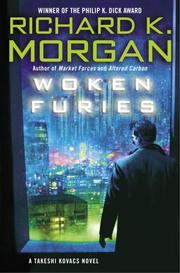
A noir science fiction novel of Takeshi Kovacs in the twenty-fifth century.
Recommended by: Marc Andreessen
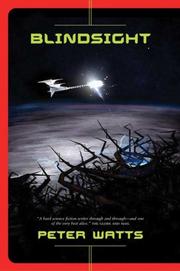
A science fiction novel of first contact after alien objects surround the Earth.
Recommended by: Marc Andreessen
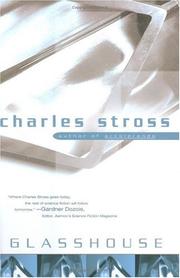
A science fiction novel of a man with missing memories inside a social experiment.
Recommended by: Marc Andreessen
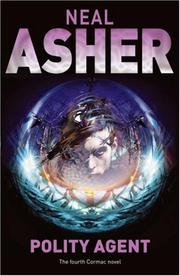
Travellers from 800 years ahead come through a gate to take an alien home.
Recommended by: Marc Andreessen
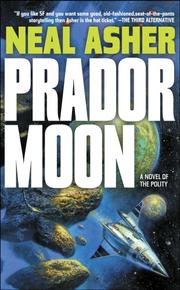
The Polity's first encounter with the Prador, hostile crab-like aliens, and the war.
Recommended by: Marc Andreessen
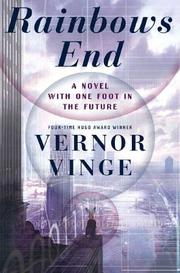
A poet cured of Alzheimer's wakes in 2025 San Diego to a world of smart lenses.
Recommended by: Marc Andreessen
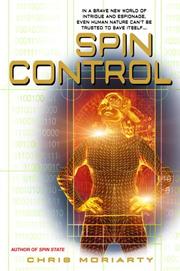
A clone defects to Israel with a genetic weapon that could wipe out humanity.
Recommended by: Marc Andreessen
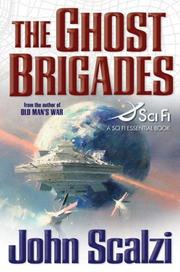
Elite soldiers made from the DNA of the dead fight for the Colonial Defense Forces.
Recommended by: Marc Andreessen
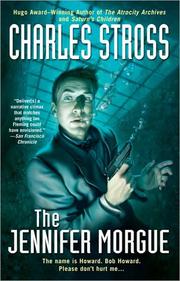
A secret-agency hacker must stop a billionaire raising a horror from the ocean.
Recommended by: Marc Andreessen
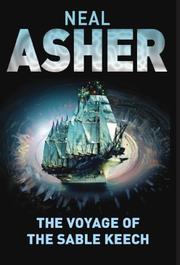
A sea voyage to learn how a walking dead man was resurrected.
Recommended by: Marc Andreessen
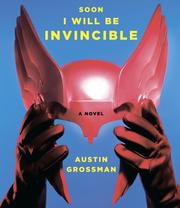
A novel of superheroes told by a jailed evil genius and a new hero.
Recommended by: Naval Ravikant
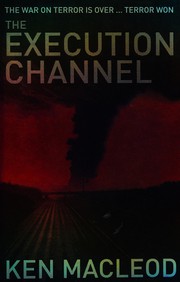
A British patriot and French spy makes sense of a nuclear attack on Scotland.
Recommended by: Marc Andreessen
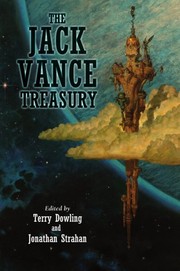
A collection of stories by a grand master of science fiction and fantasy.
Recommended by: Naval Ravikant
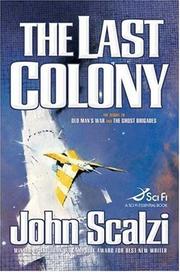
A retired soldier leads a new colony and is drawn back into interstellar politics.
Recommended by: Marc Andreessen
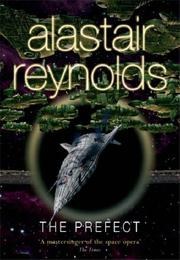
A policeman in a utopian ring of space habitats uncovers a covert takeover bid.
Recommended by: Marc Andreessen
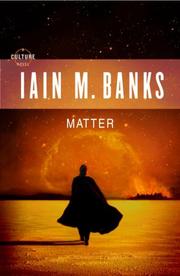
A crime within a war sends one brother into flight to find those who can help.
Recommended by: Elon Musk, Jeff Bezos
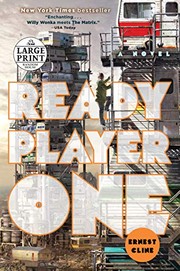
A novel of a teenager hunting 1980s-themed puzzles in a virtual world for a fortune.
Recommended by: Andrew Wilkinson, Astro Teller and 7 others
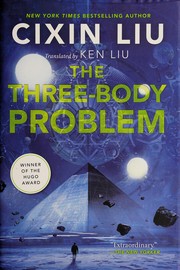
A novel in which a scientist answers an alien warning and invites first contact.
Recommended by: Nat Eliason, Sophie Bakalar and 9 others
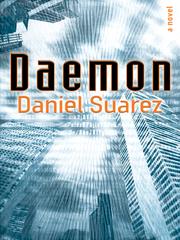
A thriller about a computer program that runs on after its creator's death.
“If you read one book in 2009, read Daemon. It’s unusual for me to recommend a book so early in the year.” — Brad Feld
Source: Book: Daemon — Feld Thoughts
Recommended by: Balaji S. Srinivasan, Brad Feld and 3 others
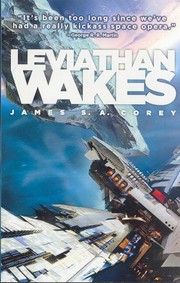
A ship's captain finds a derelict vessel and a secret that threatens war in space.
Recommended by: Sophie Bakalar
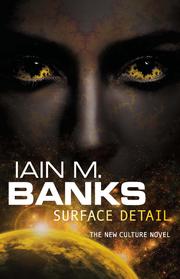
A Culture novel: a woman marked for her family's shame, and a war with death itself.
Recommended by: Elon Musk, Jeff Bezos
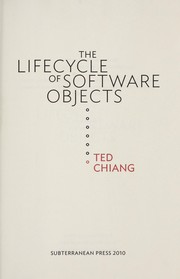
Two people raise artificial intelligences over a decade of software upgrades.
Recommended by: Naval Ravikant
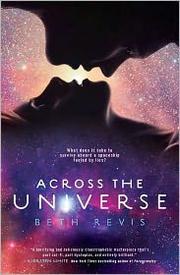
A young adult science fiction novel of murder on a ship of frozen colonists.
Recommended by: Tim Ferriss
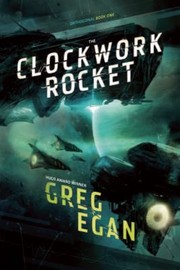
Hard science fiction in a universe where space and time follow different rules.
Recommended by: Patrick Collison
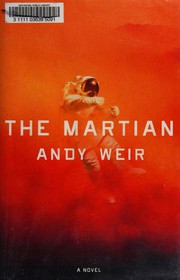
A novel of an astronaut left alone on Mars who must survive until rescue.
“The Martian by Andy Weir is the best book I’ve read in a while.” — Brad Feld
Source: Book: The Martian — Feld Thoughts
Recommended by: Brad Feld, Nat Eliason, Adam Ho, Bill Gates and 4 others
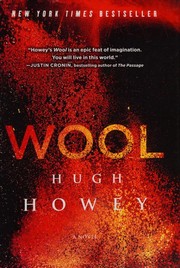
People live underground, watching a ruined world outside through a fading view.
“One of them was Wool Omnibus Edition (Wool 1 – 5) which I gobbled down the past two days. The writer, Hugh Howey, has an inspirational arc which, if I ever get into writing scifi, I hope I follow. I love post-apocalyptical Earth stories that just dump you into the middle, take off like a shot, and leave it to you to catch up as you slowly piece together what is going on.” — Brad Feld
Source: Book: Wool Omnibus Edition (Wool 1 – 5) — Feld Thoughts
Recommended by: Brad Feld, Matt Mullenweg, Ev Williams
A pilot survives with his dog after a sickness, then flies off in search of a voice.
Recommended by: Patrick O'Shaughnessy
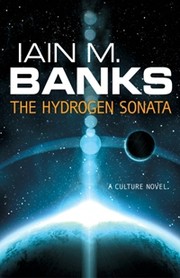
An officer must find a 9,000-year-old man to clear her name as her people go Sublime.
Recommended by: Elon Musk, Jeff Bezos
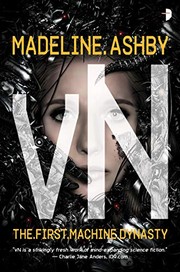
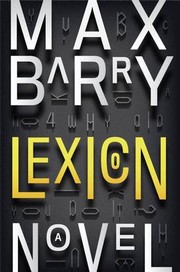
A thriller about a school that trains students to use words to control minds.
Recommended by: Radhika Jones
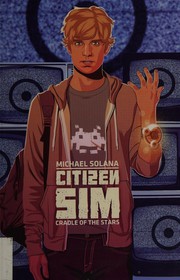
A teenager wakes with memories not his own and builds a machine to turn invisible.
Recommended by: Patrick Collison
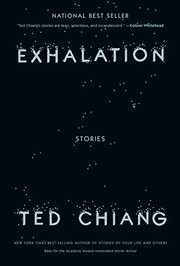
Nine science-fiction stories, each working through one idea with care.
“This contemplates the marvel of thermodynamics from the best sci-fi short story writer of our age.” — Naval Ravikant
Source: Naval's Recommended Reading — The Almanack of Naval Ravikant
Recommended by: Matt Mullenweg, Tim Ferriss, Andrew Chen and 2 others
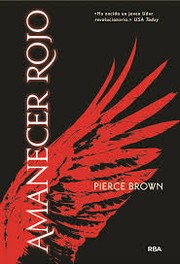
On a future Mars ruled by colour castes, a miner of the lowest caste rises.
Recommended by: Packy McCormick, Sophie Bakalar
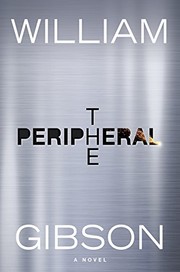
A woman testing a game for her brother witnesses a murder scheme.
Recommended by: Brad Feld
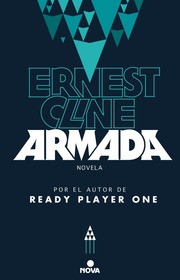
A novel of a high school gamer caught in a real encounter with aliens.
“Ernest Cline’s second book, Armada, is almost as wonderful as his first book, Ready Player One.” — Brad Feld
Source: Book: Armada — Feld Thoughts
Recommended by: Brad Feld
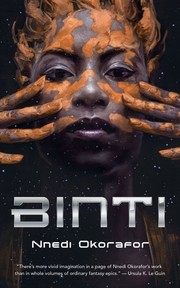
An Afrofuturist science fiction story of a student among aliens in deep space.
Recommended by: Sahil Lavingia
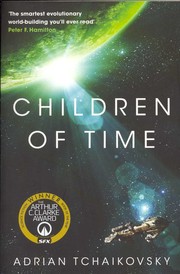
A science fiction novel of the last humans seeking a new home among the stars.
Recommended by: Alexey Moiseenkov
The Moon breaks apart, and nations band together to save people before it falls.
Recommended by: Bill Gates, Delian Asparouhov
Eight science fiction stories, among them the one behind the film Arrival.
Recommended by: Tim Ferriss, Naval Ravikant
In a near future, inequality and surveillance push Oakland toward civil war.
“If you are a looking for an awesome sci-fi book to read, download Cumulus by Eliot Peper right now.” — Brad Feld
Source: Book: Cumulus — Feld Thoughts
Recommended by: Brad Feld, Ev Williams
A science fiction thriller about a kidnapped physicist and the nature of reality.
“An annoying thing about Twitter Search is that it’s not good enough to help me find who tweeted at me that Dark Matter by Blake Crouch is something I should read.” — Brad Feld
Source: Book: Dark Matter — Feld Thoughts
Recommended by: Brad Feld, Paul Jarvis, Ran Segall and 1 other
A woman at Burning Man is pulled into unravelling a sinister mystery at its heart.
“Neon Fever Dream by Eliot Peper was outstanding.” — Brad Feld
Source: Book: Neon Fever Dream — Feld Thoughts
Recommended by: Brad Feld
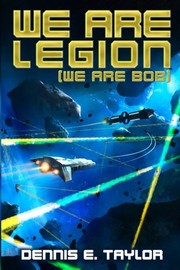
A software entrepreneur killed crossing the street wakes up a century later.
Recommended by: Delian Asparouhov
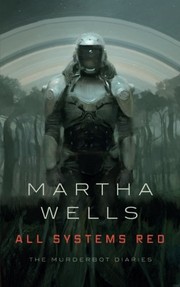
A novella of a security robot that overrides its controls: Murderbot.
Recommended by: Craig Newmark
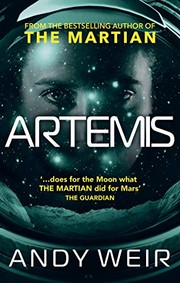
A science fiction thriller of a smuggler in the city of Artemis.
Recommended by: Max Levchin
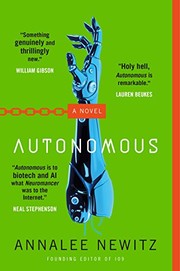
A science fiction novel of a drug pirate and a robot in a world where all is owned.
Recommended by: Bertalan Meskó
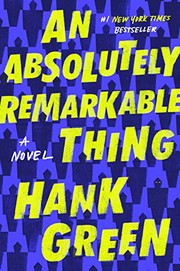
A novel of a young woman who becomes an overnight celebrity in something strange.
Recommended by: Zoë Foster Blake
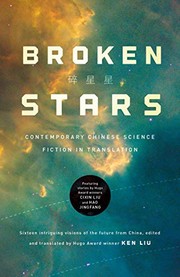
An anthology of Chinese science fiction short stories in English translation.
Recommended by: Matt Mullenweg
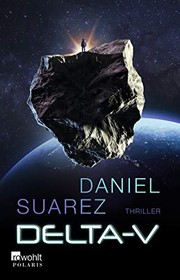
A cave diver joins a billionaire's dangerous venture to mine a near-Earth asteroid.
Recommended by: Delian Asparouhov
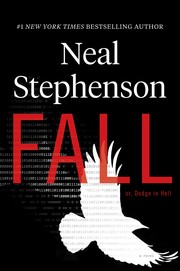
A novel of a billionaire whose mind is uploaded to the cloud.
“They are Blake Crouch’s book Recursion and Neal Stephenson’s book Fall; or, Dodge in Hell. All three of these books are outstanding.” — Brad Feld
Source: Book: Recursion, Permutation City, and Fall — Feld Thoughts
Recommended by: Brad Feld, Naval Ravikant
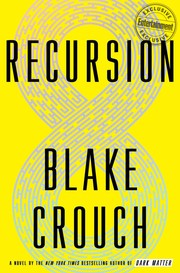
A New York detective looks into False Memory Syndrome, where memory makes reality.
“They are Blake Crouch’s book Recursion and Neal Stephenson’s book Fall; or, Dodge in Hell. All three of these books are outstanding.” — Brad Feld
Source: Book: Recursion, Permutation City, and Fall — Feld Thoughts
Recommended by: Brad Feld, Nat Eliason, Jordan Hughes and 1 other
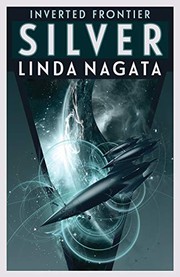
Urban, driven from his starship by a broken god, faces Lezuri's bid to return home.
Recommended by: Emmett Shear
An adult comic of a CIA-backed team that watches over corrupt superheroes.
Recommended by: Naval Ravikant
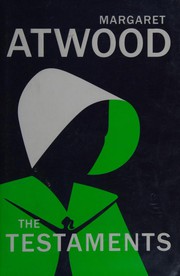
Gilead fifteen years on, told by three women: Daisy, Agnes and Lydia.
Recommended by: Guy Kawasaki, Zoë Foster Blake
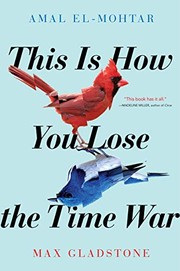
Two time-travelling agents from warring futures exchange letters and fall in love.
Recommended by: Matt Mullenweg
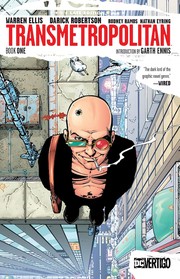
An outlaw journalist attacks the injustices of a surreal 21st-century city.
Recommended by: Naval Ravikant
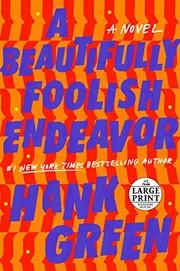
The sequel in which April May and others deal with the aftermath of the Carls.
Recommended by: Zoë Foster Blake
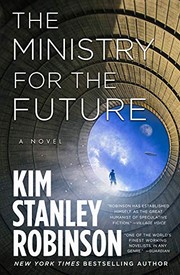
A novel of fictional eyewitness accounts of how climate change will affect everyone.
Recommended by: Bill Gates
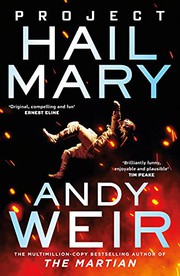
A novel of an amnesiac astronaut sent to stop a microbe that is dimming the sun.
Recommended by: Bill Gates, Austen Allred, Brian Armstrong and 4 others
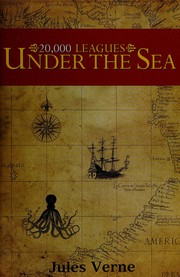
A French professor joins the hunt for a sea monster that terrifies sailors.
Recommended by: Richard Branson
Two novels; in one, a famous poet sets out to decipher a secret language.
Recommended by: Tim O’Reilly
An aging Batman returns to fight crime in a lawless Gotham, in black and white.
Recommended by: Naval Ravikant

A thriller about autonomous drones that kill without human control.
“His previous two books – Daemon and Freedom(TM) were superb, but Kill Decision really nails it and takes you to a much more real, and completely terrifying place.” — Brad Feld
Source: Book: Kill Decision — Feld Thoughts
Recommended by: Brad Feld, Marc Andreessen
The first volume of a science fiction writer's collected short stories.
Recommended by: Naval Ravikant
Humanity prepares for an alien invasion while alien sophons see all it knows.
Recommended by: Nat Eliason, Patrick Collison
A son's bond with his Chinese immigrant mother, whose origami animals come to life.
Recommended by: Matt Mullenweg
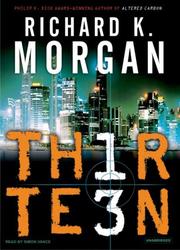
A man bred for aggression, a 'Thirteen', hunts down renegades of his own kind.
Recommended by: Marc Andreessen
 Marc Andreessenrecommends 44 books here
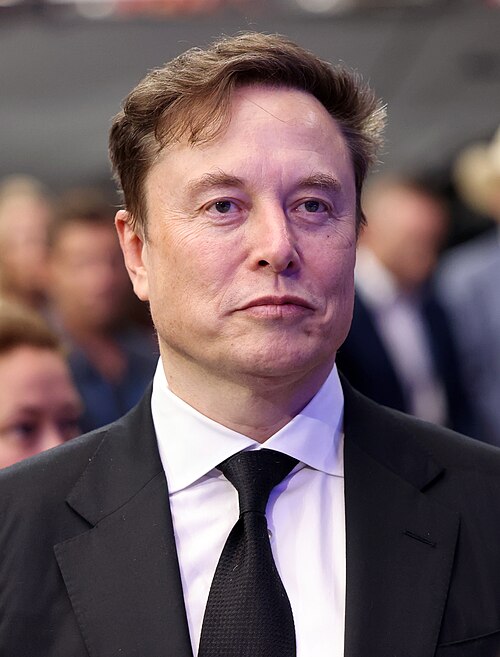 Elon Muskrecommends 27 books here
 Naval Ravikantrecommends 27 books here
 Patrick Collisonrecommends 17 books here
 Brad Feldrecommends 16 books here
 Stewart Brandrecommends 14 books here
 Jeff Bezosrecommends 13 books here
 Delian Asparouhovrecommends 12 books here
 Ev Williamsrecommends 11 books here
 Matt Mullenwegrecommends 10 books here
 Tim Ferrissrecommends 10 books here
Show all 76
 Bill Gatesrecommends 7 books here
 Nat Eliasonrecommends 7 books here
 Andrew Chenrecommends 4 books here
 Tim O’Reillyrecommends 4 books here
 Peter Thielrecommends 3 books here
 Bertalan Meskórecommends 3 books here
 Jordan Hughesrecommends 3 books here
 Mark Zuckerbergrecommends 3 books here
 Richard Bransonrecommends 3 books here
 Zoë Foster Blakerecommends 3 books here
 Adam Gazzaleyrecommends 2 books here
 Alexis Ohanianrecommends 2 books here
 Balaji S. Srinivasanrecommends 2 books here
 Brian Armstrongrecommends 2 books here
 Demis Hassabisrecommends 2 books here
 Noah Kaganrecommends 2 books here
 Ran Segallrecommends 2 books here
 Jim Collinsrecommends 1 book here
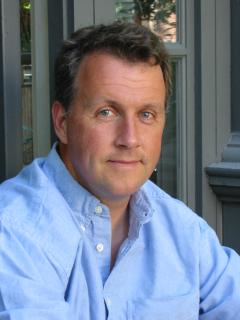 Paul Grahamrecommends 1 book here
 John Doerrrecommends 1 book here
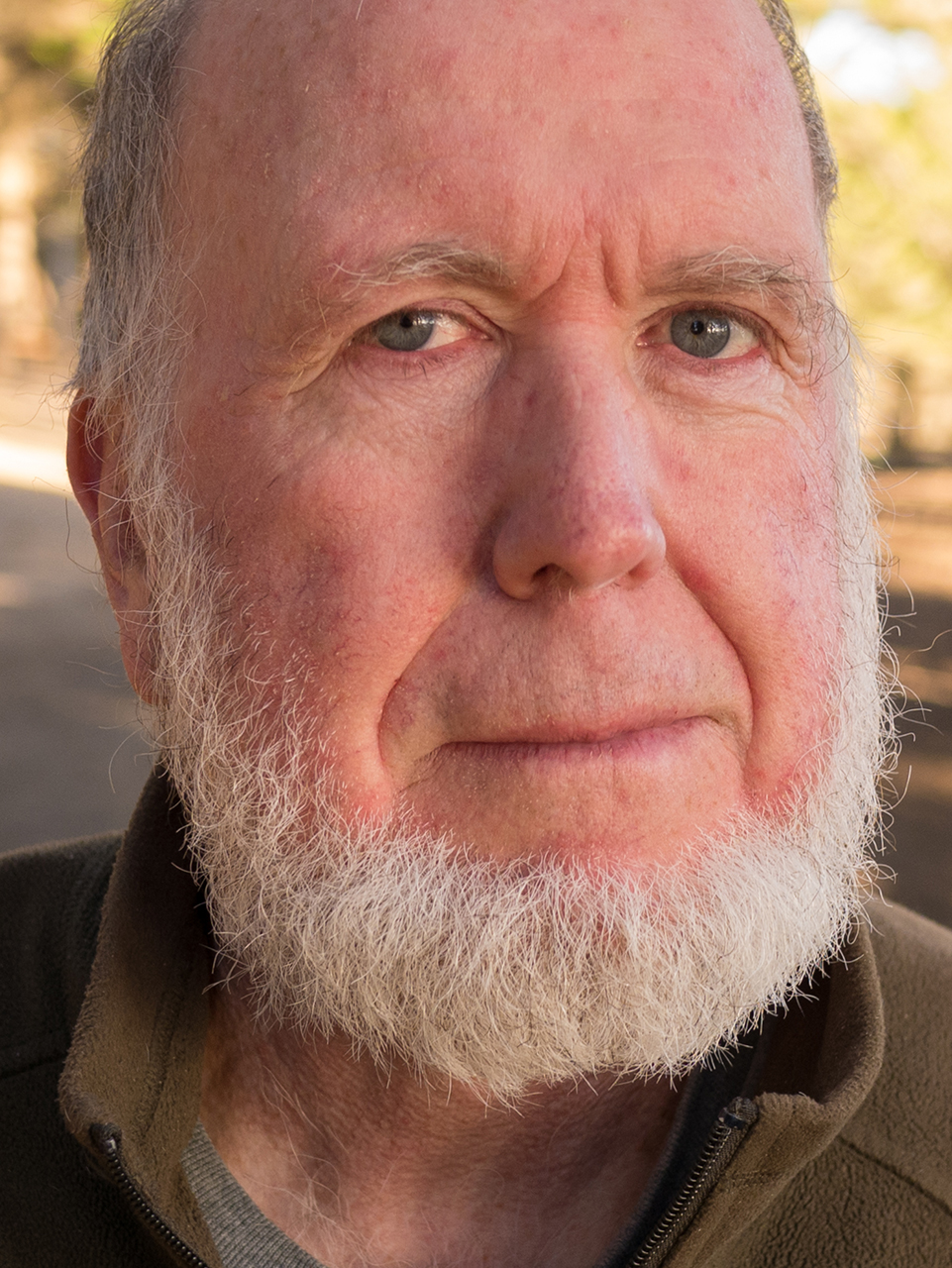 Kevin Kellyrecommends 1 book here
 Mohnish Pabrairecommends 1 book here
 Reid Hoffmanrecommends 1 book here
 Guy Kawasakirecommends 1 book here
 Abi Tyas Tunggalrecommends 1 book here
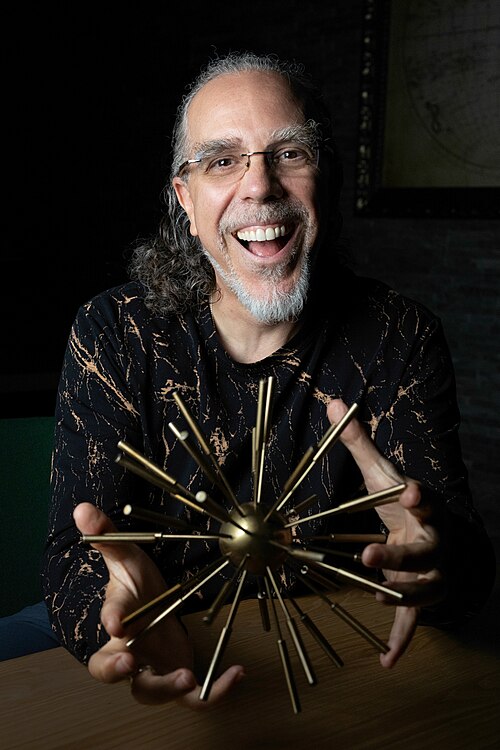 Astro Tellerrecommends 1 book here
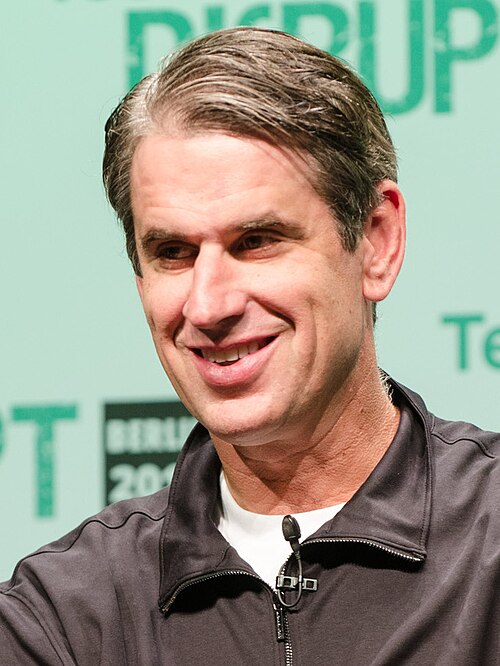 Bill Gurleyrecommends 1 book here
 Bret Victorrecommends 1 book here
 Casey Neistatrecommends 1 book here
 Craig Newmarkrecommends 1 book here
 David Cancelrecommends 1 book here
 David Friedbergrecommends 1 book here
 Derek Siversrecommends 1 book here
 Emmett Shearrecommends 1 book here
 Eric Weinsteinrecommends 1 book here
 Fred Wilsonrecommends 1 book here
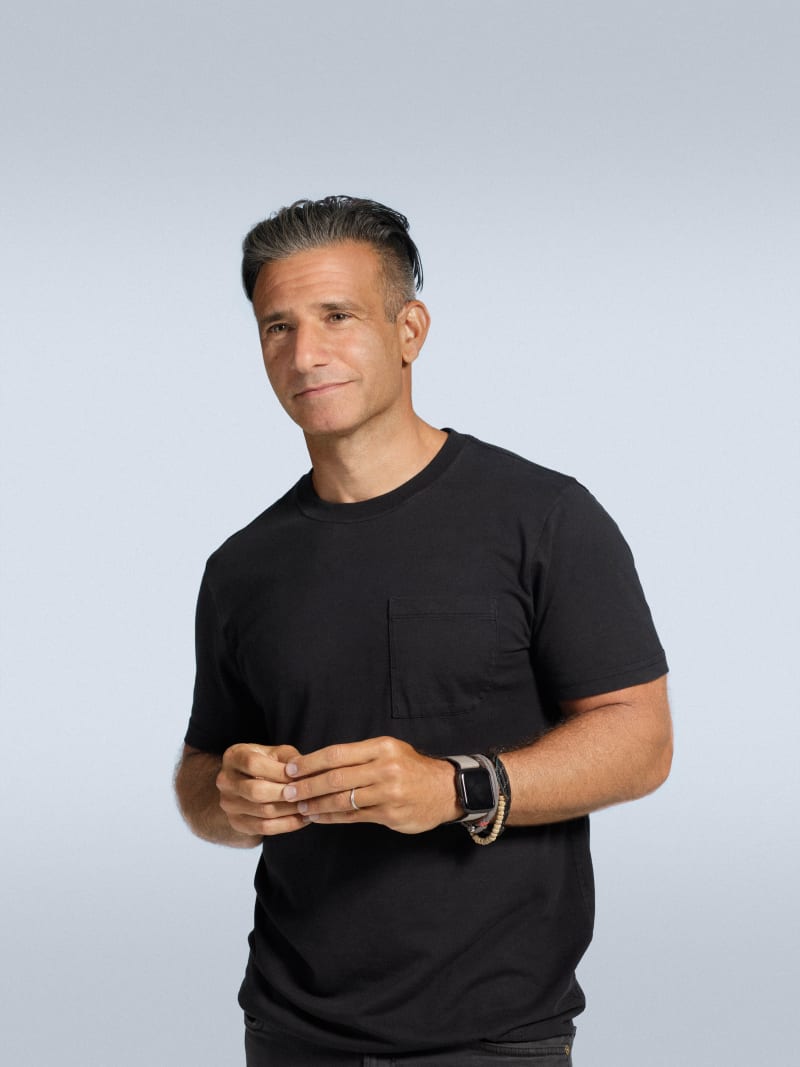 Josh Wolferecommends 1 book here
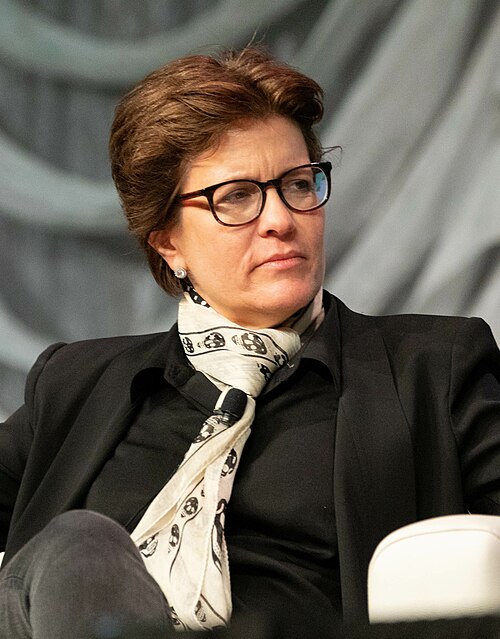 Kara Swisherrecommends 1 book here
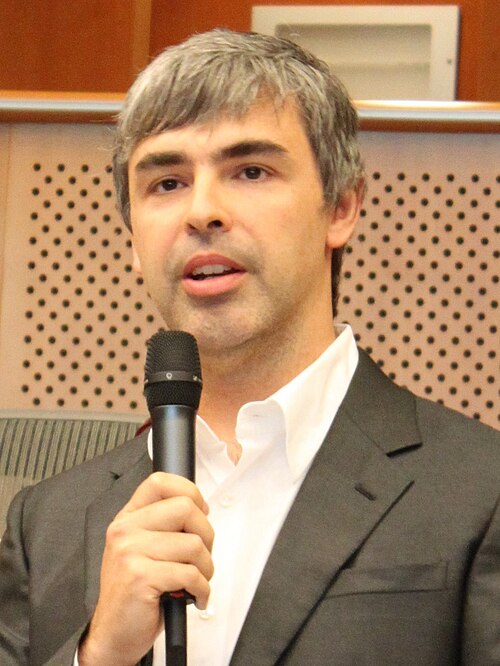 Larry Pagerecommends 1 book here
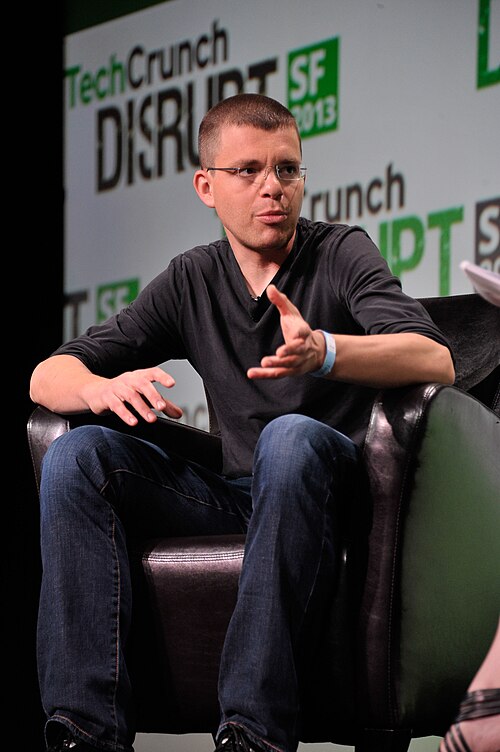 Max Levchinrecommends 1 book here
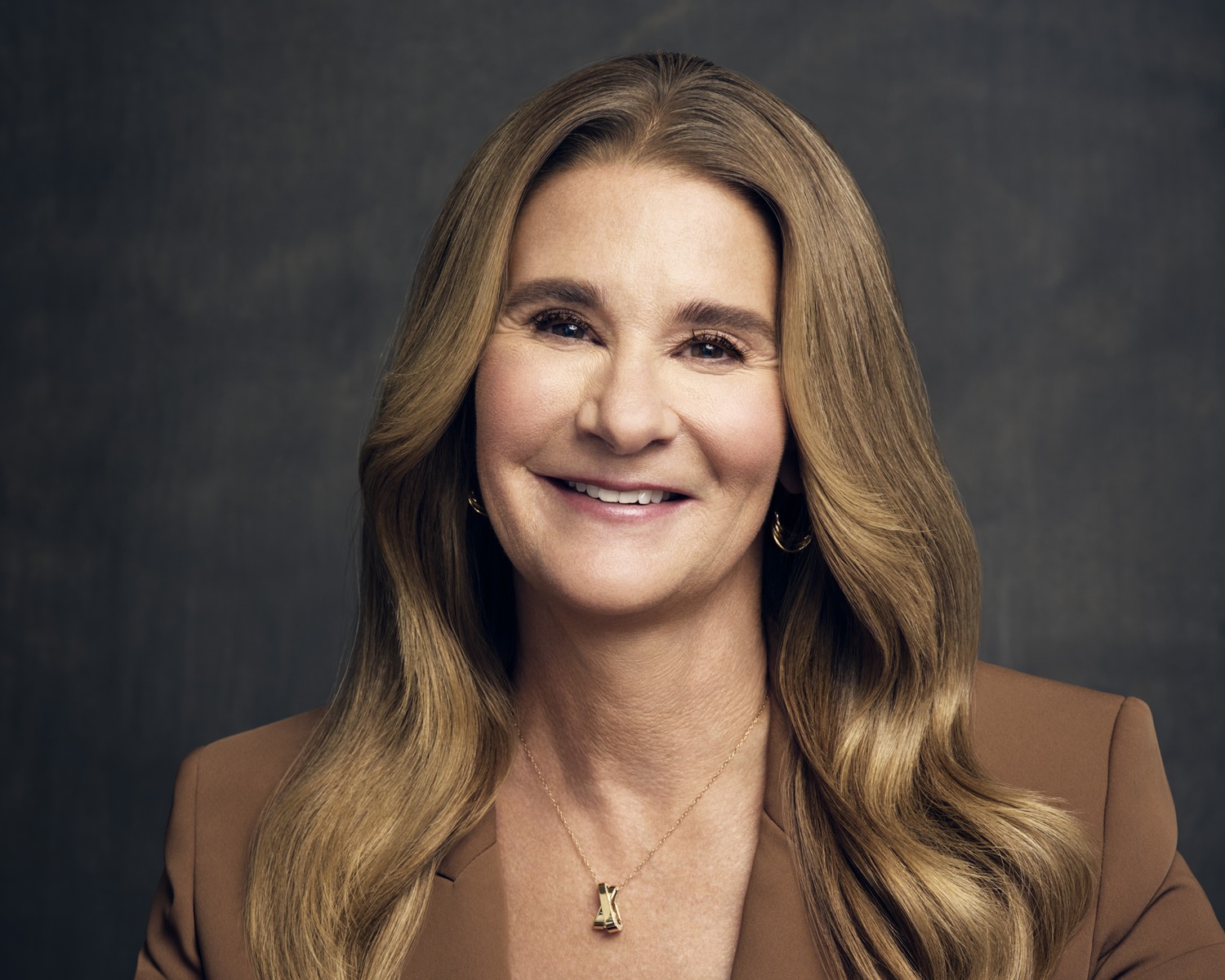 Melinda Gatesrecommends 1 book here
 Paul Jarvisrecommends 1 book here
 Peter Diamandisrecommends 1 book here
 Sam Altmanrecommends 1 book here
 Samantha Wongrecommends 1 book here
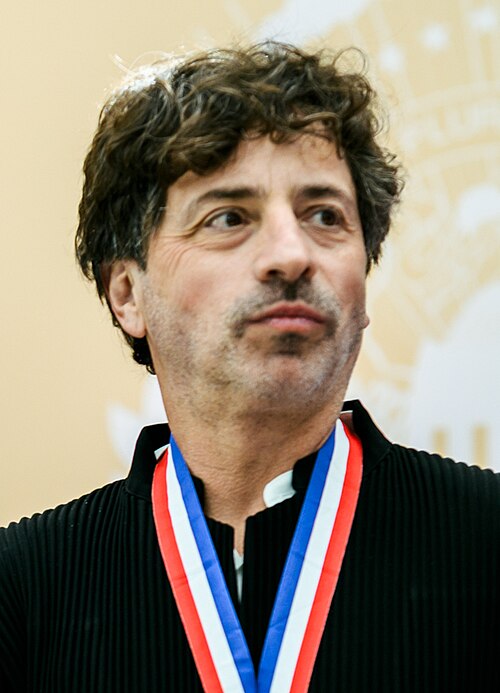 Sergey Brinrecommends 1 book here
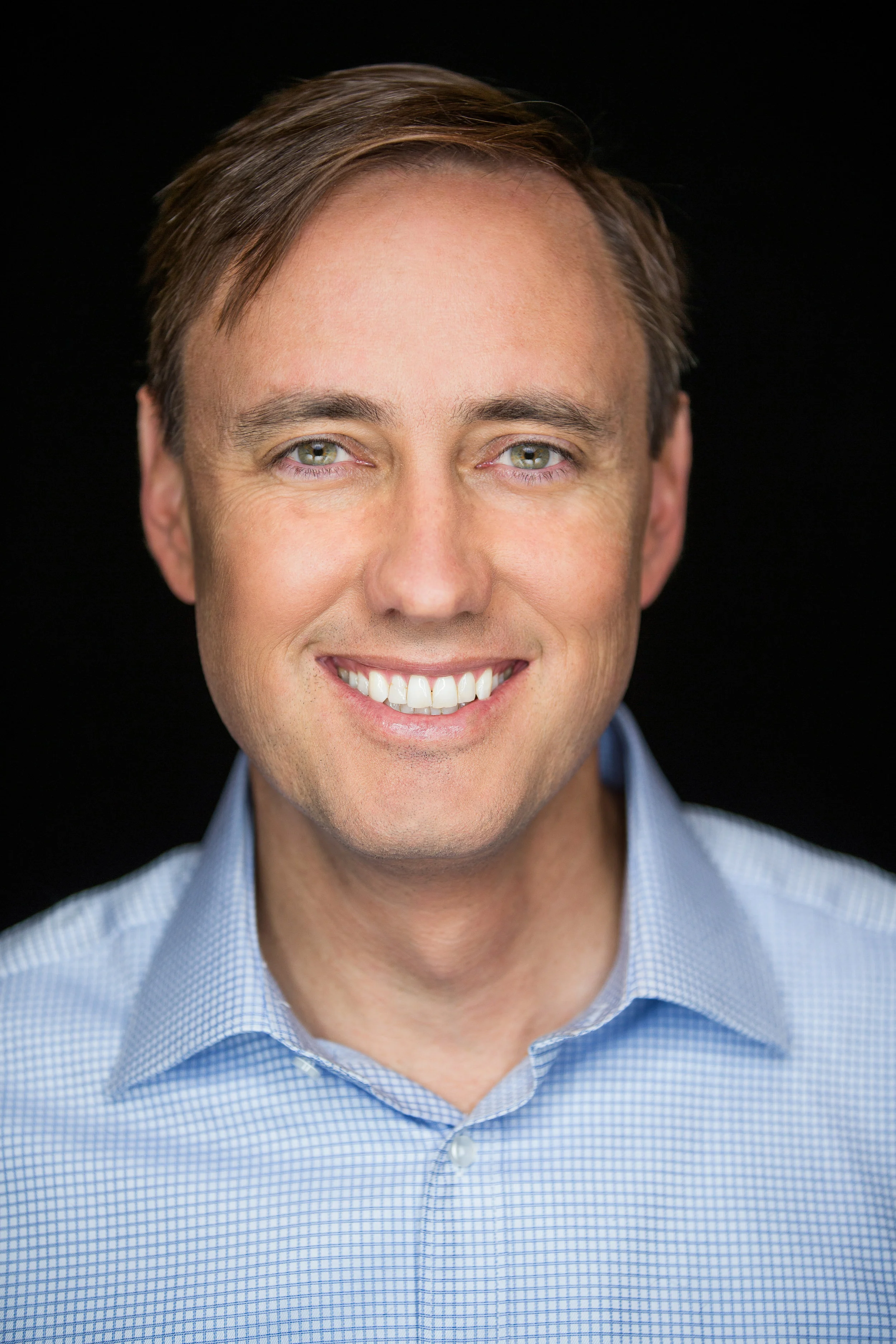 Steve Jurvetsonrecommends 1 book here
 Terrance McArthurrecommends 1 book here
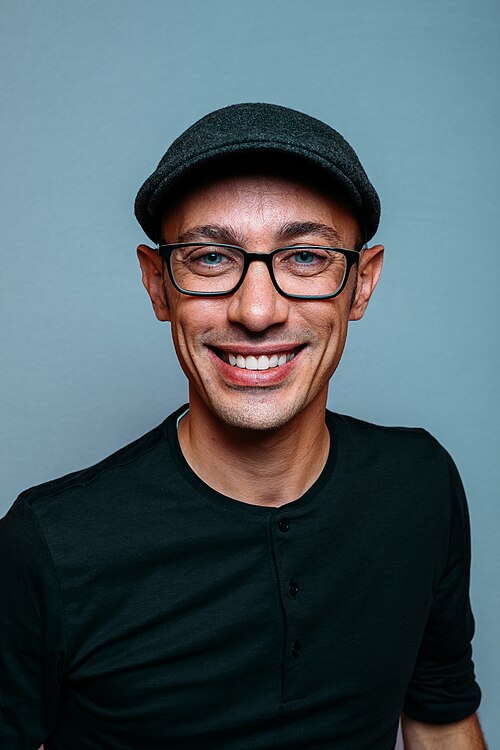 Tobi Lütkerecommends 1 book here
 Travis Kalanickrecommends 1 book here
 Zooko Wilcoxrecommends 1 book here