| USV’s New $900M Fund: Fred Wilson, Rebecca Kaden & Mike Mignano | Fred Wilson, Rebecca Kaden | Sourcery | 2026-10-08 | | USV spent 20 years keeping its funds small on purpose. Its new $900M raise is the largest fund cycle in the firm’s history. I sat down with USV General Partners Fred Wilson, Rebecca Kaden and Michael Mignano at the firm’s New York office to unpack why one of venture capital’s most disciplined early-stage firms is getting bigger now, and what they think the next era of AI will look like. Together with General Partner Nick Grossman, they’re leading USV into its next chapter. USV was early to Twitter, Coinbase, Stripe, MongoDB, Twilio, Etsy, Duolingo and Abridge. More than 20 years after Fred Wilson and Brad Burnham laid out the firm’s original internet thesis, Fred believes AI today looks a lot like the internet in 2003. The infrastructure is here, but many of the defining applications have yet to be built. We get into why AI is making products cheaper to build but breakout companies potentially more expensive to create, why ARR can hide weak retention, the growing importance of founder storytelling, personal AI agents, the “Rebel Alliance” around open AI infrastructure, and why energy may be one of the cleanest bets on AI. At the center of USV’s new thesis is “obliterate, don’t automate.” Instead of making existing industries incrementally more efficient, AI could completely restructure them. Fred’s version is simple. Don’t hire a lawyer, use an AI lawyer. Don’t hire an accountant, use an AI accountant. Don’t hire a doctor, use an AI doctor. |
| Fred Wilson on 40 Years in Venture — and Why USV Is Automating Itself | Fred Wilson | Union Square Ventures | 2026-04-29 | 1:05 | Fred Wilson co-founded Union Square Ventures in 2004 after his first firm was wiped out in the dot-com crash. In the two decades since, USV has backed Twitter, Etsy, Coinbase, Kickstarter, and MongoDB — and Fred has spent most of his career in the same neighborhood. USV General Partners Fred Wilson and Michael Mignano walk that neighborhood together: from Union Square Park to the USV office, up to the rooftop, and into Leon's. The conversation covers the original USV thesis, the Coinbase investment, Fred's concerns about the AI kill zone, how USV built AI agents that are starting to replace its own partners, the New York Knicks, and what 40 years in venture has actually taught him. |
| Patrick Collison on Stripe’s Early Choices, Smalltalk, and What Comes After Coding | Patrick Collison | The a16z Show | 2026-02-20 | 53 min | Michael Truell, CEO of Cursor, sits down with Patrick Collison, CEO of Stripe and an investor in Anysphere, to talk about Collison's history with Smalltalk and Lisp, the MongoDB and Ruby decisions Stripe still lives with 15 years later, why he'd spend even more time on API design if he could do it over, and whether AI is actually showing up in economic productivity data. This episode originally aired on Cursor's podcast. Resources: Follow Patrick Collison on X: https://twitter.com/patrickc Follow Michael Truell on X: https://twitter.com/mntruell Follow Cursor: https://www.youtube.com/@cursor_ai Stay Updated: Find a16z on YouTube: YouTube Find a16z on X Find a16z on LinkedIn Listen to the a16z Show on Spotify Listen to the a16z Show on Apple Podcasts Follow our host: https://twitter.com/eriktorenberg Please note that the content here is for informational purposes only; should NOT be taken as legal, business, tax, or investment advice or be used to evaluate any investment or security; and is not directed at any investors or potential investors in any a16z fund. a16z and its affiliates may maintain investments in the companies discussed. For more details please see a16z.com/disclosures. Hosted by Simplecast, an AdsWizz company. See pcm.adswizz.com for information about our collection and use of personal data for advertising. |
| How Brands Stay Visible When AI Decides | Profound CEO James Cadwallader | Ilya Fushman | Grit | 2025-12-22 | | What happens when AI becomes your most influential referrer? As consumers turn to ChatGPT for answers, James Cadwallader and his team at Profound help brands like Eight Sleep and MongoDB gain visibility and leverage inside AI models. On this episode of Grit, he explains why brand narrative has shifted away from content, and why Profound is scaling globally ahead of traditional SaaS timelines. Guest: James Cadwallader, co-founder and CEO of Profound and Ilya Fushman, partner at Kleiner Perkins Connect with James Cadwallader X: https://x.com/thejamescad?lang=en LinkedIn: https://www.linkedin.com/in/jsca/ Connect with Ilya Fushman X: https://x.com/ilyaf LinkedIn: https://www.linkedin.com/in/ilyafushman/ Connect with Joubin X: https://x.com/Joubinmir LinkedIn: https://www.linkedin.com/in/joubin-mirzadegan-66186854/ Email: grit@kleinerperkins.com Follow on LinkedIn: https://www.linkedin.com/company/kpgrit Follow on X: https://x.com/KPGrit Learn more about Kleiner Perkins: https://www.kleinerperkins.com/ |
| 204. Fred Wilson, Of Union Square Ventures | Fred Wilson | Internet History Podcast | 2025-10-26 | 1:03 | For my entire career in tech and startups, Fred Wilson has been like the god-level VC in the New York City ecosystem. Fred got his start investing before the dotcom bubble, rode the bubble investing in the earliest internet companies to great success, and then turned Union Square Ventures into the premier venture capital firm on the east coast. Hear the story of Fred’s investments in Geocities, Etsy, Coinbase, MongoDB among others. When I first started this podcast almost 12 years ago, Fred was one of the top 5 people I wanted to talk to. Chapters 00:00 The Four Technological Revolutions 11:08 Fred Wilson's Journey into Venture Capital 21:34 The Rise of New York's Tech Scene 34:53 Founding Union Square Ventures 48:00 The Evolution of Web 2.0 57:16 Current Technological Intersections and Future Outlook Takeaways There are four major technological revolutions happening simultaneously: AI, synthetic biology, energy transition, and crypto. Fred Wilson transitioned from naval engineering to venture capital due to a passion for technology and finance. The New York tech scene began to emerge in the early 90s with digital media and online services. Flatiron Partners was founded to focus on internet investments during the dot-com boom. Investing in companies like GeoCities and Etsy showcased the potential of the internet. The dot-com crash taught valuable lessons about sustainable business models. |
| Patrick Collison on programming languages, AI, and Stripe's biggest engineering decisions | Patrick Collison | Cursor | 2025-07-17 | 50 min | Michael Truell (CEO of Cursor) sits down with Patrick Collison (CEO of Stripe) to discuss programming languages, the role of AI in programming, and building long-lasting software. 00:15 Why Patrick wrote his first startup in Smalltalk 03:35 LISP chatbots 06:09 Good ideas from esoteric programming languages 09:12 Brett Victor and Dynamicland 16:37 Programming human organizations 20:28 A codebase's "Big Bang" moment and MongoDB 25:49 Rewriting Stripe 32:00 How do you, Patrick Collison, use AI? 38:25 Changes to GDP/TFP 41:56 Programming human biology 46:10 Unexpected beneficiaries of AI |
| Building a $20B+ Open Source Business with MongoDB's Eliot Horowitz | Seema Amble | a16z Live | 2024-12-12 | | a16z Partner Seema Amble talks with MongoDB and Viam co-founder Eliot Horowitz about building sustainable open source software tools. From challenging Oracle to building the de facto cloud-based database management tool, Horowitz outlines MongoDB’s early go-to-market strategies, approach to community building, and enterprise sales motion. This episode provides detailed tips on creating solutions for the developer community, building trust amongst enterprises, and successfully scaling a business supported by the open source community. 01:18-03:42 Why open source is a strategic business decision 3:42:6:03 Product development strategy + making developers’ lives easier 6:03-08:24 MongoDB strategy of building community through meetups 08:24-10:49 The five-second rule for developer products 10:49-13:09 How MongoDB used meetups to fuel growth 13:09-15:35 The importance of getting people excited about your product 15:35-19:29 MongoDB’s enterprise sales strategy 19:28-20:26 MongoDB’s recruiting strategy 20:26-25:12 Open source customers vs. users, adoption patterns 25:12-27:35 The evolution of enterprise deals and building trust through demos 27:35-32:23 Product communication strategies and tactics 32:23-39:37 Managing customers and building long-term relationships 39:37-40:16 Outro |
| Alphabet’s Gemini, At Your Service | Bethany McLean | Motley Fool Hidden Gems Investing | 2023-12-08 | 41 min | Google’s Bard just got an upgrade, can it catch up to OpenAI’s ChatGPT? (00:21) Ron Gross and Andy Cross discuss: - New jobs report numbers, Alphabet’s latest AI move bringing Gemini into Bard, and GameStop’s curious corporate investing plan update. - Chewy’s status as the #1 pet pharmacy in the U.S., Lululemon’s business-as-usual quarter, and Smuckers showing it has pricing power in peanut butter. (19:11) Journalist and author Bethany McLean’s talks with Deidre Woollard about her latest book “The Big Fail” and takes a look at the past three years, how we responded to COVID, and the lasting effects on households, businesses, and the economy. (33:05) Ron and Andy break down two stocks on their radar: Target and MongoDB. Stocks discussed: GOOG, GOOGL, GME, DOCU, CHWY, LULU, SJM, MDB, TGT Host: Dylan Lewis Guests: Andy Cross, Ron Gross, Bethany McLean, Deidre Woollard Engineer: Dan Boyd Learn more about your ad choices. Visit megaphone.fm/adchoices |
| The World After Capital (with Albert Wenger) | Albert Wenger | Newcomer Pod | 2023-04-25 | 58 min | Union Square Ventures partner Albert Wenger has been successful enough to write a techno-manifesto. Wenger made early investments in companies like Twilio, MongoDB, and Etsy. Now, he’s spending much of his time on USV’s climate investing out of the firm’s $200 million climate fund. Wenger has historically been a media recluse — but he’s started popping his head out . So when I got the opportunity to talk to him on the Newcomer podcast, I jumped. After all, Union Square Ventures has ranked 1st and then 2nd in the Founder’s Choice VC Rankings. And USV was among the first venture capital firms to privately raise the alarm to portfolio companies that they needed to protect against a banking crisis. So we had a lot to talk about. Plus, Wenger is in the big ideas phase of his career. “We live in a period where there is an extraordinary range of possible outcomes for humanity. They include the annihilation of humankind in a climate catastrophe, at one extreme, and the indefinite exploration of the universe, at the other,” he concludes in his book The World After Capital, which is available for free online . Wenger has a strong point of view about where we’re headed: He argues that we’ve moved from the Industrial Age to the Knowledge Age and that we need to dramatically rethink society in light of that change. Despite the book’s manifesto-like qualities, The World After Capital frames up some of the core issues of our time. |
| 20VC: Sequoia's Roelof Botha on His Biggest Lessons Working Alongside Don Valentine, Mike Moritz and Doug Leone, Leading Sequoia's US Business and What Sequoia Do To Retain Their Edge at the Top & The Crucible Moments That Define Startup Success | Doug Leone | The Twenty Minute VC (20VC): Venture Capital | Startup Funding | The Pitch | 2020-10-26 | | Roleof Botha is a Partner @ Sequoia Capital , one of the world's leading venture firms with a portfolio including the likes of Airbnb, Instacart, Stripe, UiPath, Zoom, the list goes on. As for Roelof, at Sequoia he has led rounds into the likes of YouTube, Instagram, Eventbrite, Square, MongoDB, 23andMe and Unity Technologies to name a few. Before joining the world of venture, Roelof was the CFO @ Paypal playing a key role in their hyper-growth from 2000-2003. In Today's Episode You Will Learn: 1.) How did Roelof go from actuary in South Africa to CFO @ Paypal? What were his biggest lessons from seeing Paypal burn $10M per month? How did Paypal lead to his joining Sequoia as a Partner? 2.) Market Evaluation: Does Roelof agree that the market is crazy today? How does today compare to prior vintages? How does Roelof assess the compression of fundraising timelines? With compressed timelines, how does he build relationships of trust with founders? 3.) Founder Evaluation: What were Roelof's lessons on founder assessment from Don Valentine? What matrix did Don teach Roelof to assess founders on? How does Roelof feel about the rise of competitive rounds? When should founders take them vs remain heads down on execution? 4.) Investment Mentality: How did Roelof prevent becoming too confident when early investments went well? How does Roelof prevent relying on past failures as a reason for turning down opportunities today? What can investors do to retain a very flexible mind? |
| Building a $20B+ Open Source Business with MongoDB and Viam's Eliot Horowitz | Seema Amble | The a16z Show | | | |

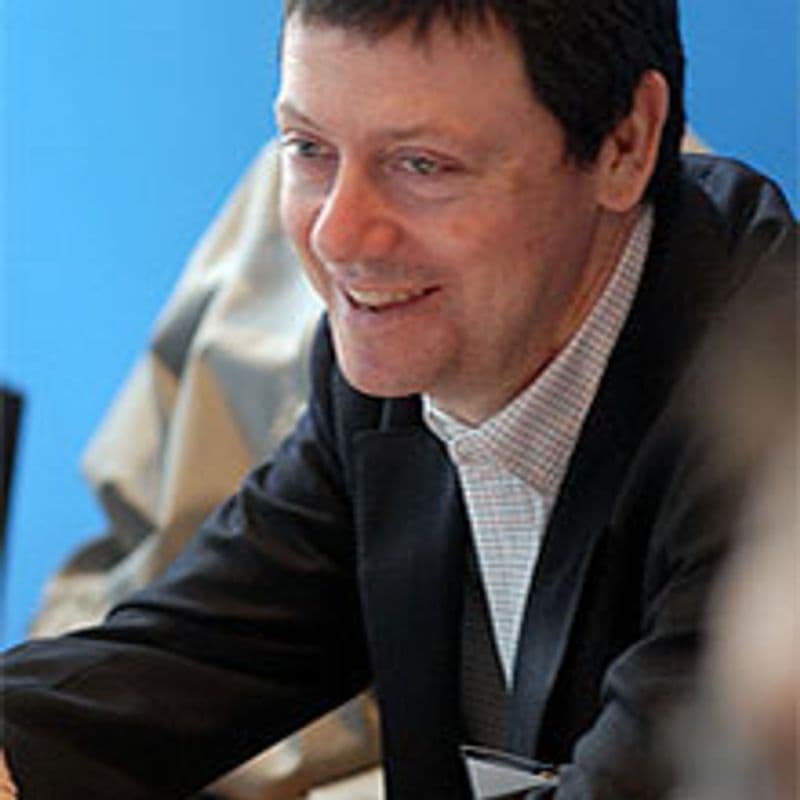 Fred Wilsonnamed it in 3 interviews“USV was early to Twitter, Coinbase, Stripe, MongoDB, Twilio, Etsy, Duolingo and Abridge.” — USV’s New $900M Fund: Fred Wilson, Rebecca Kaden & Mike Mignano (Sourcery, 2026)
 Patrick Collisonnamed it in 2 interviews“Michael Truell, CEO of Cursor, sits down with Patrick Collison, CEO of Stripe and an investor in Anysphere, to talk about Collison's history with Smalltalk and Lisp, the MongoDB and Ruby decisions Stripe still lives with 15 years later, why he'd spend even more time on API design if he could do it over, and whether AI is actually showing up in economic productivity data.” — Patrick Collison on Stripe’s Early Choices, Smalltalk, and What Comes After Coding (The a16z Show, 2026)
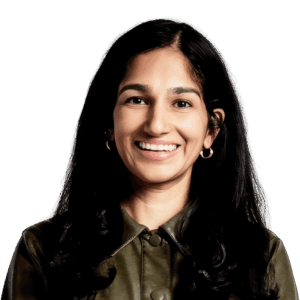 Seema Amblenamed it in 2 interviews“Building a $20B+ Open Source Business with MongoDB and Viam's Eliot Horowitz” (The a16z Show, 2025)
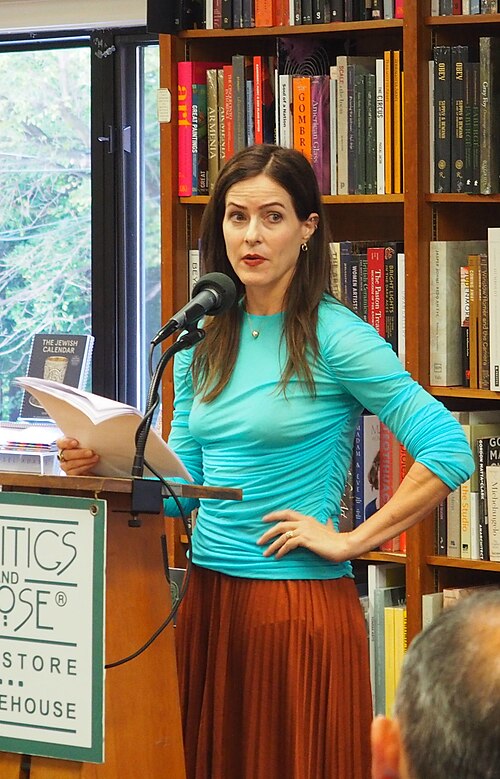 Bethany McLeannamed it in 1 interview“(33:05) Ron and Andy break down two stocks on their radar: Target and MongoDB.” — Alphabet’s Gemini, At Your Service (Motley Fool Hidden Gems Investing, 2023)
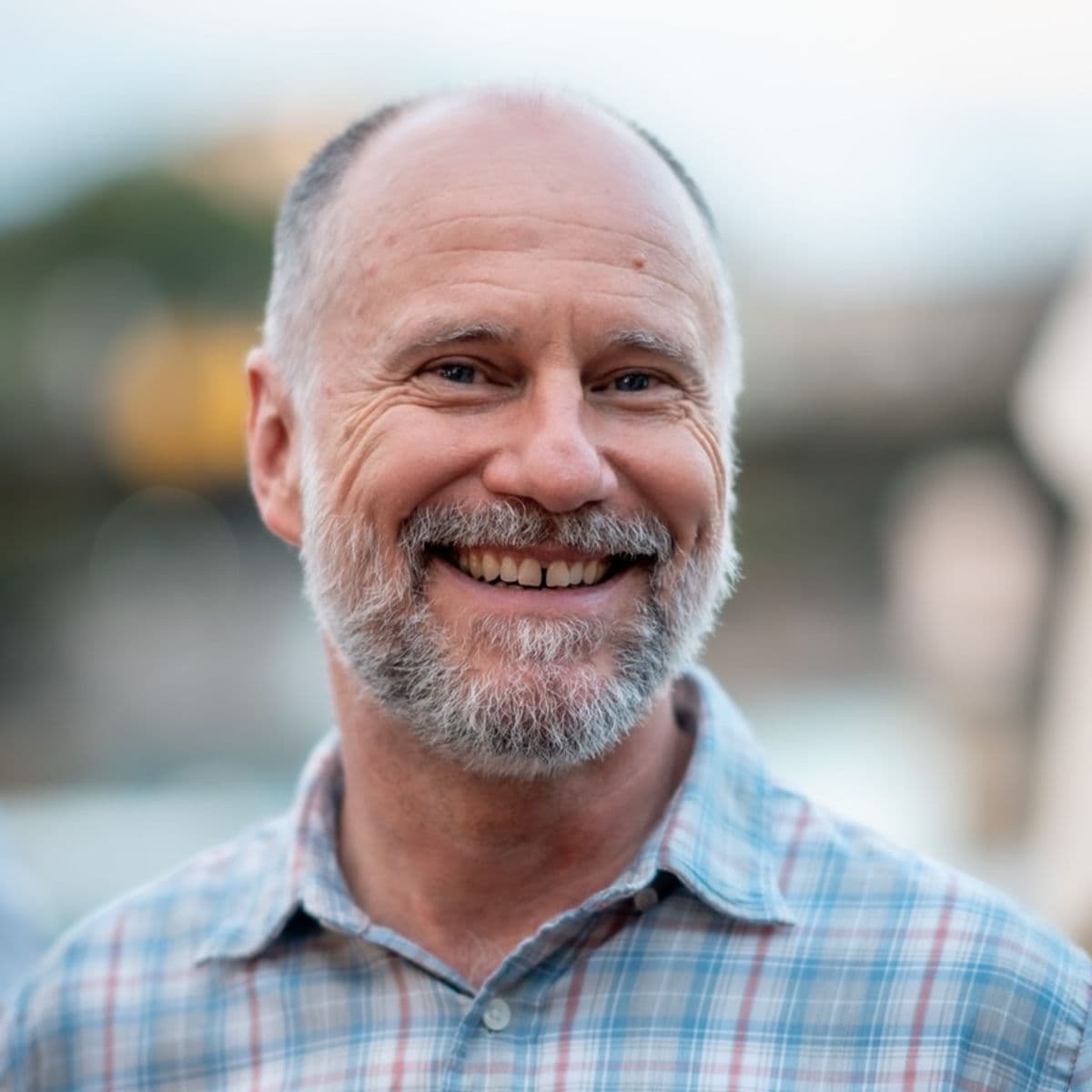 Albert Wengernamed it in 1 interview“Wenger made early investments in companies like Twilio, MongoDB, and Etsy.” — The World After Capital (with Albert Wenger) (Newcomer Pod, 2023)
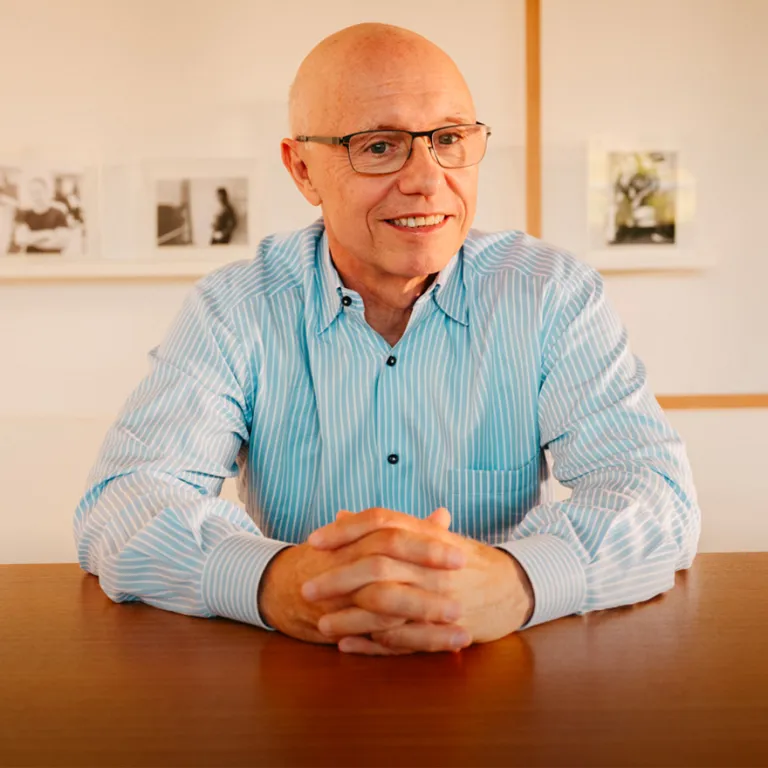 Doug Leonenamed it in 1 interview“As for Roelof, at Sequoia he has led rounds into the likes of YouTube, Instagram, Eventbrite, Square, MongoDB, 23andMe and Unity Technologies to name a few.” — 20VC: Sequoia's Roelof Botha on His Biggest Lessons Working Alongside Don Valentine, Mike Moritz and Doug Leone, Leading Sequoia's US Business and What Sequoia Do To Retain Their Edge at the Top & The Crucible Moments That Define Startup Success (The Twenty Minute VC (20VC): Venture Capital | Startup Funding | The Pitch, 2020)
 Ilya Fushmannamed it in 1 interview“As consumers turn to ChatGPT for answers, James Cadwallader and his team at Profound help brands like Eight Sleep and MongoDB gain visibility and leverage inside AI models.” — How Brands Stay Visible When AI Decides | Profound CEO James Cadwallader (Grit, 2025)
 Rebecca Kadennamed it in 1 interview“USV was early to Twitter, Coinbase, Stripe, MongoDB, Twilio, Etsy, Duolingo and Abridge.” — USV’s New $900M Fund: Fred Wilson, Rebecca Kaden & Mike Mignano (Sourcery, 2026)
 SUSV’s New $900M Fund: Fred Wilson, Rebecca Kaden & Mike MignanoSourcery · 2026-10-08
 UFred Wilson on 40 Years in Venture — and Why USV Is Automating ItselfUnion Square Ventures · 2026-04-29
 TPatrick Collison on Stripe’s Early Choices, Smalltalk, and What Comes After CodingThe a16z Show · 2026-02-20
 GHow Brands Stay Visible When AI Decides | Profound CEO James CadwalladerGrit · 2025-12-22
 I204. Fred Wilson, Of Union Square VenturesInternet History Podcast · 2025-10-26
 CPatrick Collison on programming languages, AI, and Stripe's biggest engineering decisionsCursor · 2025-07-17
 aBuilding a $20B+ Open Source Business with MongoDB's Eliot Horowitza16z Live · 2024-12-12
 MAlphabet’s Gemini, At Your ServiceMotley Fool Hidden Gems Investing · 2023-12-08
 NThe World After Capital (with Albert Wenger)Newcomer Pod · 2023-04-25
 T20VC: Sequoia's Roelof Botha on His Biggest Lessons Working Alongside Don Valentine, Mike Moritz and Doug Leone, Leading Sequoia's US Business and What Sequoia Do To Retain Their Edge at the Top & The Crucible Moments That Define Startup SuccessThe Twenty Minute VC (20VC): Venture Capital | Startup Funding | The Pitch · 2020-10-26
 TBuilding a $20B+ Open Source Business with MongoDB and Viam's Eliot HorowitzThe a16z Show