BE 2.0 (Beyond Entrepreneurship 2.0)
Expanded edition of the 1992 book; not machine-verified.
Summary
Collins revised and expanded Beyond Entrepreneurship, the 1992 book he wrote with his mentor Bill Lazier, adding new material that connects it to the research he published in the intervening decades.
The original book's framework covered four areas. Leadership style, where Collins and Lazier argue that effectiveness comes from a set of functions rather than from personality, and that authenticity matters more than any particular style. Vision, which they decompose into core values and beliefs that do not change, a purpose that gives the organisation a reason to exist beyond making money, and a mission, which they define as a specific ambitious goal with a finish line and a timeframe, the formulation Collins later expanded into the big hairy audacious goal. Luck and strategy, covering how to set direction under uncertainty. Innovation, covering the conditions that produce it inside an organisation.
The new material connects this to the later research: Level 5 leadership, first who then what, the hedgehog concept, the flywheel, the twenty mile march and the distinction between preserving the core and stimulating progress.
Collins also writes about Lazier personally and about what he learned from him, which gives the book a different tone from the research volumes.
The underlying research method has been criticised throughout Collins's career: companies are selected on outcome, the characteristics identified are those that distinguish the successful sample after the fact, and several of the companies celebrated in his earlier books subsequently failed. The frameworks are useful as organising vocabulary for founders and less useful as demonstrated causes of success. This volume is oriented to smaller and earlier-stage companies than Good to Great, which is what distinguishes it.
Key takeaways 7
- Vision decomposes into unchanging core values, a purpose beyond profit, and a specific ambitious goal with a finish line.
- Leadership effectiveness comes from a set of functions performed rather than from any particular personality style.
- Authenticity matters more than style, because a leader adopting a manner that is not theirs cannot sustain it.
- Deciding who is on the team should precede deciding what the team will do.
- An organisation should preserve its core values while changing everything else, and confusing the two destroys either continuity or adaptability.
- Consistent progress at a sustainable rate beats bursts of effort followed by recovery, which is the twenty mile march argument.
- The research selects companies on outcome, so the characteristics identified are associations rather than demonstrated causes.
Who should read it
Founders of small and growing companies who want Collins's frameworks in the version aimed at their stage rather than at large corporations.
About Jim Collins
Management researcher; Stanford Graduate School of Business faculty 1988-1995, since then an independent researcher running a management laboratory in Boulder, Colorado
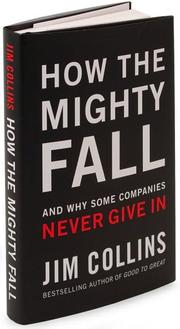
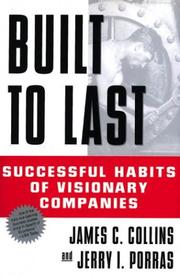
Built to Last and Good to Great are the primary research sources the enduring-company literature builds on and argues with.
Where it sits in the reference 2
Similar books 6
Chosen by shared topics, the entries that hold them, and the people who recommended both.