Energy Transition and Decarbonisation

The largest capital-spending theme of the decade, and the physical constraints that decide how fast it can actually go.

22 books · 3 people behind it · 1 reading lists

Start here

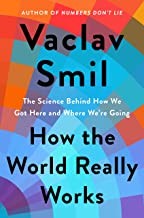
  1. How the World Really WorksVaclav Smil, 2022
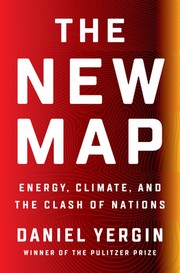
  2. The New MapDaniel Yergin, 2020
  3. Material WorldEd Conway, 2023

The people behind it 3

Each person holds a book in this entry or names it in their own tags.

Investors 1

JD
John Doerr1 book here

Academics 1

VS
Vaclav Smil3 books here

Journalists 1

DY
Daniel Yergin1 book here

Reading list — The best books on climate change · Superbook

10 books, in the order the list argues for

This list traces a specific arc. It begins with the science — not the models but the evidence already written into the fossil record and the bodies of disappearing species. From there it widens into the systemic: why markets and governments have failed to respond proportionally, and how power has shaped inaction. Then comes the lived geography — what rising seas mean for specific cities, what a hotter atmosphere does

Sources: IPCC Sixth Assessment Report (AR6) · David Wallace-Wells, 'The Uninhabitable Earth' — New York Magazine original essay · Naomi Klein on 'This Changes Everything' — On Being interview · Elizabeth Kolbert, 'The Sixth Extinction' — author page
Books 22

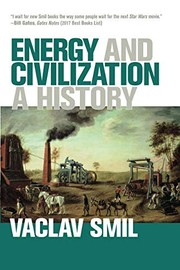
Vaclav Smil · 2017 · Why energy transitions historically take decades, not years.
Daniel Yergin · 2020 · Energy, geopolitics and the transition from the oil industry's point of view.
Vaclav Smil · 2022 · The materials and energy arithmetic that any transition thesis has to survive.
Vaclav Smil · 2006 · Smil's short primer on energy conversions and their physical limits
Andrew McAfee · 2019 · Evidence that economic growth has decoupled from resource consumption
Bill Gates · 2021 · Green premiums as a way of ranking where capital is actually needed.
Ed Conway · 2023 · Sand, salt, iron, copper, oil, lithium: the supply chains the transition runs on.
Ezra Klein, Derek Thompson · 2025 · Why building housing, energy and infrastructure became so hard in America
Stewart Brand · 2009 · Environmentalist case for nuclear power, dense cities and genetic engineering
Saul Griffith · 2021 · The engineer's case that decarbonisation is mostly an electrification build-out.
John Doerr · 2021 · A venture capitalist's objectives-and-key-results framing of the same problem.
Hannah Ritchie · 2025 · Data-driven look at emissions and what actually reduces them
Henry Pollack · Geologist Henry Pollack uses the paleo-climate record — ice cores, ancient shorelines, fossil pollen — to show that today's changes are fast by any geological standard. Gives the reader a baseline that is otherwise missing from contemporary climate debate.
Suzanne Simard · A novel, not nonfiction, but Powers does something none of the other books here accomplish: he makes the timescale of trees felt as an emotional experience. The result is that you finish it reading the other books differently — with a less human-centric sense of what time and loss mean.
Rachel Carson · Carson's 1962 account of pesticide contamination is the founding text of environmental science writing. It matters here not only as history but as methodology: a demonstration that making an invisible industrial threat visible and specific can, in fact, change policy. Every climate communicator is still working in her shadow.
Amanda Little · Amanda Little spent four years reporting on the people trying to grow food in a destabilized climate — drought engineers in Kansas, vertical farmers in Newark, lab-meat scientists in Silicon Valley. The most grounded account of what climate adaptation looks like from the supply chain inward.
Elizabeth Kolbert · Kolbert spent years reporting alongside biologists watching species disappear in real time. The book's argument is that we are in the middle of a sixth mass extinction — and it makes that claim through fieldwork, not abstraction. The best entry point into climate science for readers who trust narrative over data.
David Wallace-Wells · Wallace-Wells opens with the line 'It is worse, much worse, than you think,' and then spends 300 pages earning it. Written from the literature of worst-case projections, this is deliberately alarming — a counterweight to optimistic incrementalism. Read it to understand what the 4°C scenarios actually look like.
Jeff Goodell · Goodell reports from Miami, Rotterdam, Lagos, and the Marshall Islands to show that sea-level rise is not a future threat but a present real-estate and insurance crisis. The best account of what 1–2 meters of rise means for specific places and specific people.
Andrew Blum · Blum's book is ostensibly about how weather forecasts are made, but it ends up being a precise account of how the global atmosphere is monitored — and how fragile that monitoring infrastructure actually is. Essential background for understanding what climate scientists are actually measuring.
Donella H. Meadows · Donella Meadows wrote this systems primer before climate change became a household term, but it explains more about the structure of the problem than most dedicated climate books. Feedback loops, policy resistance, leverage points — her framework is the conceptual toolkit the other books assume you have.
Naomi Klein · Klein's central claim is that climate change is not a problem within capitalism but a problem of capitalism — that the logic of extraction and the logic of a stable climate are incompatible. Whether or not you accept the full argument, the diagnosis of why international negotiations keep failing is lucid and extensively documented.