Regulation, Lobbying and the State
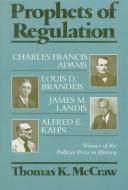
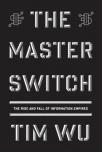
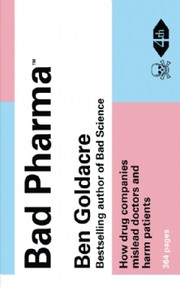
Regulators set prices, entry and standards in industries where competition fails or where incumbents want protection, and firms invest in shaping those rules because the return on lobbying beats the return on most capital projects. Reading this literature teaches capture as a recurring outcome rather than a scandal: McCraw follows four American regulators from Charles Francis Adams to Alfred Kahn and shows how each generation's remedy became the next generation's problem, and Viscusi supplies the economics of rate-setting, entry control and deregulation. The case histories show what disclosure alone achieves in tobacco, pharmaceutical trials, meatpacking and mortgage securitisation. Wu traces how communications monopolies formed and were broken up, Sorkin documents the bailout decisions of 2008 hour by hour, and Brad Smith argues an incumbent's case for being regulated.
9 books
Start here
- Prophets of RegulationThomas K. McCraw, 1984
- The Master SwitchTim Wu, 2010
- Too Big to Fail, 2009