
DeepMind
company
DeepMind is the world leader in artificial intelligence research and its application for positive impact.
- Demis Hassabis · Founder
- Mustafa Suleyman · Founder
- Shane Legg · Founder
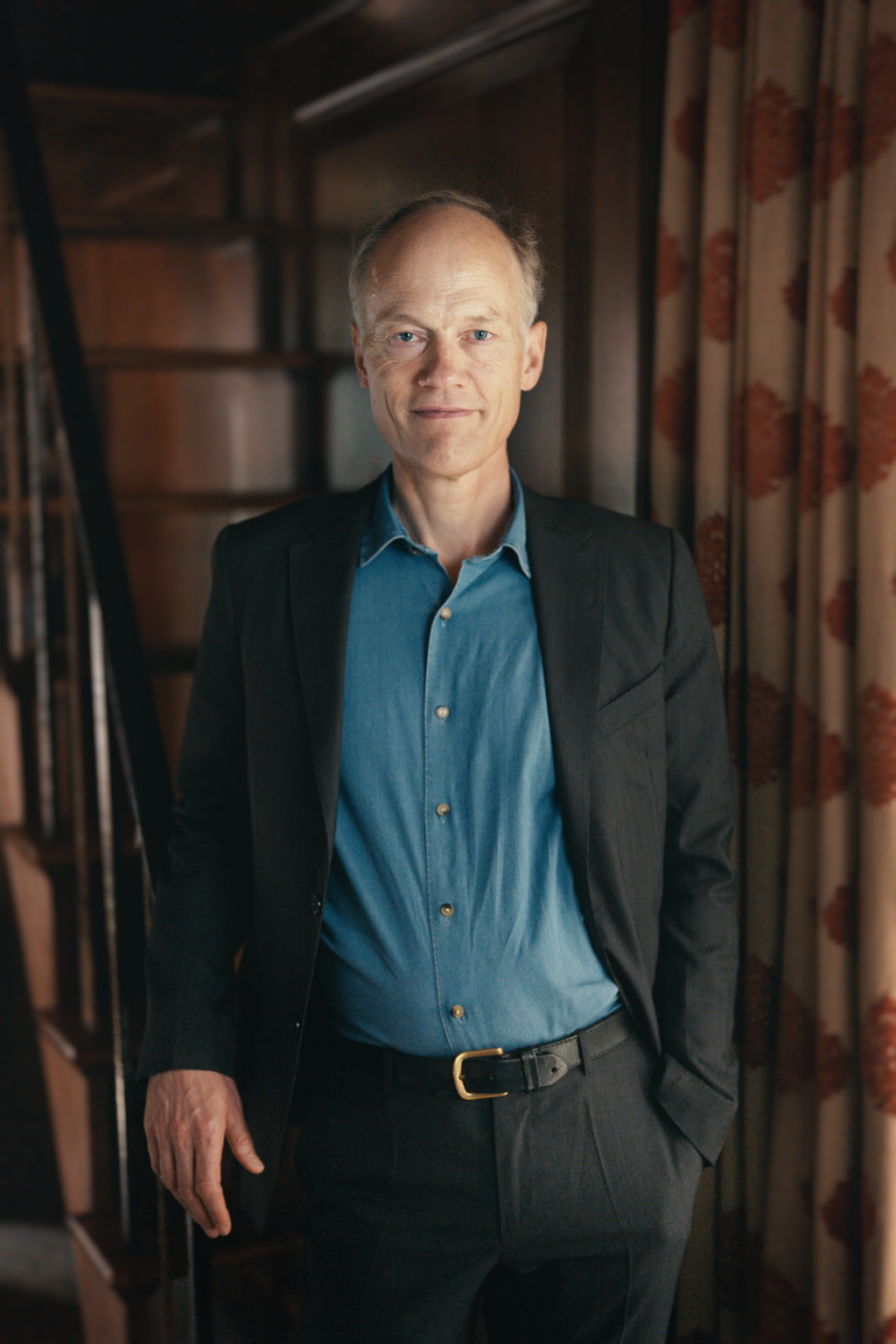 Sebastian Mallabynamed it in 17 interviews“Sebastian Mallaby — Senior Fellow at the Council on Foreign Relations and author of The Infinity Machine, a biography of DeepMind co-founder Demis Hassabis — joins Sir Richard Dearlove and John Raine.” — OpenAI Could Go Bust by Summer, Says Financial Expert Sebastian Mallaby (One Decision, 2026)
 Anjney Midhanamed it in 2 interviews“In this episode, a16z General Partner Anjney Midha talks to Liam Fedus, former VP of post-training research and co-creator of ChatGPT at OpenAI, and Ekin Dogus Cubuk, former head of materials science and chemistry research at Google DeepMind, on their new startup Periodic Labs and their plan to automate discovery in the hard sciences.” — Building an AI Physicist: ChatGPT Co-Creator’s Next Venture (The a16z Show, 2025)
 Anthony Philippakisnamed it in 2 articles
 Dave Munichiellonamed it in 1 interview“The most recent episode with Google DeepMind's Dr.” — Dave Munichiello on Investing in AI’s Future (Theory and Practice, 2023)
 Joel de la Garzanamed it in 1 interview“In this episode, we hear from security leaders at OpenAI, Anthropic, and Google DeepMind.” — Securing the Black Box: OpenAI, Anthropic, and GDM Discuss (The a16z Show, 2024)
 Jorge Condenamed it in 1 interview“[9:53] Google’s DeepMind AlphaFold, in partnership with the European Molecular Biology Laboratory, is publicly sharing its entire protein structure database -- with predicted protein structure models for ~20,000 proteins expressed by the human genome -- meaning that all its data will be freely and openly available to the scientific community.” — mRNA for Flu Vaccine? AI Protein-Folding Goes Open Source (16 Minutes News by a16z, 2021)
 Justine Moorenamed it in 1 interview“Google DeepMind Lead Researchers on Genie 3 & the Future of World-Building” (The a16z Show, 2025)
 Seth Rosenbergnamed it in 1 interview“As the co-founder of DeepMind, Google’s VP of AI Policy and Products, the co-founder of Inflection, and now the CEO of Microsoft AI, he’s seen AI’s evolution into the transformative tech it is today.” — Product-Led AI: Mustafa Suleyman on Defining Intelligence (Greymatter, 2024)
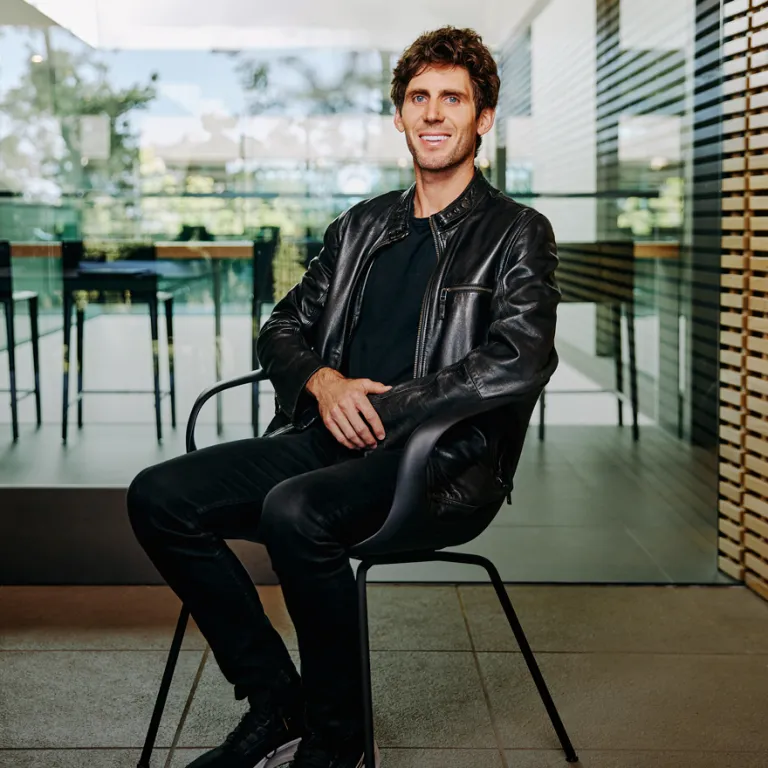 Shaun Maguirenamed it in 1 interview“The tech giant has enticed researchers from OpenAI, Google DeepMind, and Anthropic with huge paydays in the hopes it can bring its Llama models up to par with the competition.” — Shaun Maguire's Growth Hack (Newcomer Pod, 2025)
 Sonya Huangnamed it in 1 interview“(00:37) - SaaSpocalypse Revisited (13:46) - 𝕏 Timeline Reactions (25:13) - Singer x Louis Vuitton (33:33) - North Korea Infiltrates U.S Jobs (39:06) - Aman vs Ryan Walker (50:57) - 𝕏 Timeline Reactions (54:49) - Igor Babuschkin discusses his journey from physicist to AI researcher at DeepMind and OpenAI, co-founder of xAI, and founder of River AI.” — SaaSpocalypse Revisited, Singer x Louis Vuitton, Aman vs Ryan Walker | Igor Babuschkin, Brannin McBee, Garret Langley, Sonya Huang, Sean Cole (TBPN, 2026)
 Sven Strohbandnamed it in 1 interview“Doina Precup (McGill & DeepMind) in conversation with Sven Strohband (Khosla Ventures)” (Creative Destruction Lab, 2017)
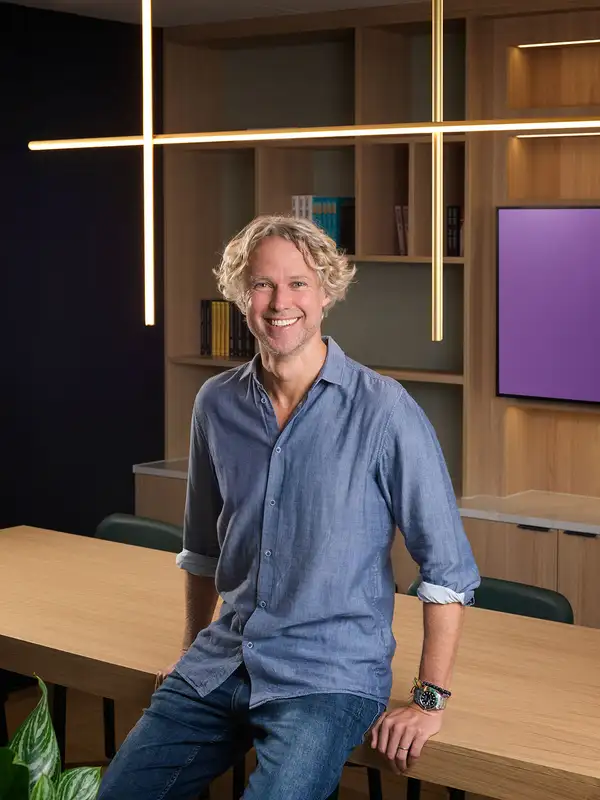 Tom Hulmenamed it in 1 article
| OpenAI Could Go Bust by Summer, Says Financial Expert Sebastian Mallaby | Sebastian Mallaby | One Decision | 2026-10-15 | 1:03 | #OpenAI #AI #ArtificialIntelligence Thank you to Incogni for sponsoring. Get 60% off the annual plan with code onedecision at https://incogni.com/onedecision OpenAI says it will burn $280 billion by 2030. Sebastian Mallaby gives it a 50/50 chance of running out of money by next summer. So what happens when the world's most prominent AI lab goes bust — and does the US government step in? Sebastian Mallaby — Senior Fellow at the Council on Foreign Relations and author of The Infinity Machine, a biography of DeepMind co-founder Demis Hassabis — joins Sir Richard Dearlove and John Raine. They discuss the financial fragility of the leading AI labs, why open-weight AI models are too dangerous to permit, how a US-China non-proliferation deal for AI might work, and what a war game about nuclear submarines revealed about where this is all heading. In this episode: (00:00) AI Race Between US and China (02:08) Sebastian Mallaby on AI Safety (02:51) Is AI a Blessing or Curse? (04:03) Who to Trust on AI Safety (05:35) Demis Hassabis and AI Regulation (08:23) Cold War Lessons for AI Safety (11:42) Trump Administration AI Policy (14:59) Private AI Safety Monitoring (20:57) Open Weight AI Models Debate (23:00) Does AI Replicate Consciousness? (33:24) Is AI Investment a Bubble? (45:39) AI War Game Nuclear Submarine Scenario (54:37) The One Decision Open Weight AI Hosted by Sir Richard Dearlove (former MI6 Chief) and guest co-host John Raine (International Institute for Strategic Studies). |
| Sebastian Mallaby on Artificial Intelligence, Railroads, and Transformative Changes | Sebastian Mallaby | Backtest | 2026-09-25 | 1:17 | From iron horses to infinity machines, every great technological revolution starts with a curious mind chasing discovery for its own sake. Discoveries lead to technological breakthroughs that, when commercialized, change the capital markets, organizational structures, and living conditions. As a follow up to our railroad series, we chat with Sebastian Mallaby—Paul A. Volcker Senior Fellow for International Economics at the Council on Foreign Relations, co-host of The Spillover podcast, and author of books on hedge funds ( More Money Than God ), Alan Greenspan ( The Man Who Knew ), and venture capital ( The Power Law ). His latest book, The Infinity Machine , is a riveting biography of DeepMind’s Demis Hassabis. Railroads changed more than transportation—they changed corporate scale, financing, market power, the social contract, and the relationship between technological progress and investor returns. Measured as a share of GDP, the railroads were the largest capital investment wave in history. AI is on pace to overtake them. We explore how the market history of railroads helps frame the AI era. We also contrast the similarities and differences between the AI boom and railroads by exploring market power, competitive dynamics, and capital formation. You can find Sebastian at the Council on Foreign Relations ( https://www.cfr.org/experts/sebastian-mallaby ) and on X ( @scmallaby ). |
| SaaSpocalypse Revisited, Singer x Louis Vuitton, Aman vs Ryan Walker | Igor Babuschkin, Brannin McBee, Garret Langley, Sonya Huang, Sean Cole | Sonya Huang | TBPN | 2026-08-13 | (00:37) - SaaSpocalypse Revisited (13:46) - 𝕏 Timeline Reactions (25:13) - Singer x Louis Vuitton (33:33) - North Korea Infiltrates U.S Jobs (39:06) - Aman vs Ryan Walker (50:57) - 𝕏 Timeline Reactions (54:49) - Igor Babuschkin discusses his journey from physicist to AI researcher at DeepMind and OpenAI, co-founder of xAI, and founder of River AI. He outlines River AI’s vision for personalized, user-owned models while exploring video games as AI benchmarks, real-world reinforcement learning, specialized models, GPU demand, and custom inference chips. (01:11:33) - Brannin McBee discusses CoreWeave’s strong second-quarter performance and his role as the AI infrastructure company’s co-founder. He highlights financing, data-center capacity, hardware longevity, global expansion, and CoreWeave’s ability to meet rapidly growing demand for AI computing. (01:26:34) - Garrett Langley discusses Flock Safety’s new privacy and accountability measures, including mandatory audit-log reviews and shorter data-retention recommendations. The founder and CEO addresses surveillance concerns, police misuse, regulatory challenges, and the need to balance public safety with privacy and community trust. (01:45:08) - Sonya Huang, a general partner at Sequoia Capital, discusses the unprecedented growth of AI companies and the democratization of model development across startups. | |
| ✨ My interview with Sebastian Mallaby, author of 'The Infinity Machine: Demis Hassabis, DeepMind, and the Quest for Superintelligence' | Sebastian Mallaby | Faster, Please! — The Podcast | 2026-07-14 | 35 min | My fellow pro-growth/progress/abundance Up Wingers in America and around the world: If my podcast guest today is correct, the emergence of generative artificial intelligence "heralds a transformation more profound than anything since Homo sapiens acquired the capacity for abstract thought." That's about as pure a distillation of the San Francisco Consensus view on the importance of this technology as it gets. Today on Faster, Please!—The Podcast , I am joined by Sebastian Mallaby , the Paul A. Volcker Senior Fellow for International Economics at the Council on Foreign Relations and a widely read columnist for The Washington Post . He is also the author of the new best-selling book The Infinity Machine: Demis Hassabis, DeepMind, and the Quest for Superintelligence . (Spoiler: It’s tremendous book about the man, the company, and the technological revolution. I really liked it.) We discuss The Infinity Machine and the life of Demis Hassabis , including how his original vision for artificial superintelligence compares with the propulsive race unfolding today. We also explore how that competitive acceleration has affected the focus on safety, what role government regulation should play, and why many people may still be underestimating how transformative AI will become. |
| This Is How OpenAI Goes Broke — ft. Sebastian Mallaby | Sebastian Mallaby | Prof G Markets | 2026-07-10 | 1:05 | Ed Elson sits down with Sebastian Mallaby to discuss why he believes there's a real chance OpenAI runs out of money within the next 18 months, and what that would mean for the broader AI industry. He also explains why he doesn't necessarily see Meta's decision to sell excess compute capacity as a bear signal, why he was encouraged by the Trump administration's new AI policy, and how he expects the AI race to unfold over the coming years. Sebastian Mallaby is a prominent journalist, author, Pulitzer Prize finalist, and senior fellow at the Council on Foreign Relations. His latest book is The Infinity Machine: Demis Hassabis, DeepMind, and the Quest for Superintelligence . Subscribe to the Prof G Markets Youtube Channel Check out our latest Prof G Markets newsletter Follow Prof G Markets on Instagram Follow Ed on Instagram , X and Substack Follow Scott on Instagram Send us your questions or comments by emailing Markets@profgmedia.com Learn more about your ad choices. Visit podcastchoices.com/adchoices |
| The AI Race Nobody Can Win: A Conversation With Sebastian Mallaby | Sebastian Mallaby | The Foreign Affairs Interview | 2026-07-02 | 54 min | The breakneck pace of AI progress and the intensity of the competition for AI supremacy has left U.S. policymakers in a difficult position. They must encourage the innovation needed to ensure an advantage over China and to power economic growth; protect against a national security catastrophe; and assuage the concerns of an anxious and skeptical public. Sebastian Mallaby calls this the “AI trilemma” in his most recent essay for Foreign Affairs . And he argues that it requires more than the piecemeal measures currently on offer in Washington—or, for that matter, in Beijing or Brussels. Mallaby is a fellow at the Council on Foreign Relations and the host of a new podcast called The Spillover , as well as the author of The Infinity Machine , an excellent new book about the founding of the AI lab DeepMind. Dan Kurtz-Phelan spoke with him on June 24 about the state of AI competition, about the stakes of that competition, and about how its course will reshape societies, economies, and global politics. You can find sources, transcripts, and more episodes of The Foreign Affairs Interview at https://www.foreignaffairs.com/podcasts/foreign-affairs-interview . |
| Sebastian Mallaby - How did the AGI war start and who will win? | Sebastian Mallaby | Venture Europe: Entrepreneurship | Technology | Venture Capital | Eu/Acc | 2026-06-11 | 50 min | Sebastian Mallaby is the author of the instant New York Times bestseller: The Infinity Machine - Demis Hassabis , DeepMind, and the Quest for Superintelligence. He negotiated unprecedented access to DeepMind in November 2022 , a week before ChatGPT launched. He spent 30+ hours in a pub with Demis Hassabis. He interviewed Sam Altman, Ilya Sutskever, Mustafa Suleyman and Geoffrey Hinton among 100 people in AI. He's the Paul A. Volcker Senior Fellow at the Council on Foreign Relations. A two-time Pulitzer finalist. The author of The Power Law and More Money Than God. In this episode we discuss: ⚔️ The moment ChatGPT launched and Demis told him “they parked the tanks on my lawn” 📉 Why OpenAI has a 50% chance of failing by the middle of next year 🇪🇺 Why Bezos is opening an AI office in King's Cross and why the time to bet on Europe is now 💰 The $1 billion offer from Reid Hoffman to spin DeepMind out of Google 🚪 The Elon Musk, LA closet Skype call, that almost stopped the Google sale 🔥 Who we should actually trust with superintelligence |
| 655. Inside The Mind of DeepMind’s Founder with Sebastian Mallaby | Sebastian Mallaby | unSILOed with Greg LaBlanc | 2026-05-28 | 50 min | How did a teenage video game designer from London become a Nobel Prize-winning scientist behind one of the most consequential technology efforts in history? Sebastian Mallaby is a senior fellow at the Council on Foreign Relations and author of the new book, The Infinity Machine: Demis Hassabis, DeepMind, and the Quest for Superintelligence which provides an in-depth look into one of the greatest minds behind artificial general intelligence. In this episode, Sebastian and Greg discuss how Hassabis's early immersion in game design and neuroscience shaped his unique approach to artificial intelligence, why groundbreaking science is increasingly happening outside academia, and the tension between scientific discovery and corporate strategy. *unSILOed Podcast is produced by University FM.* Episode Quotes: Why AI is becoming an ‘infinity machine’ 03:01: It struck me that two breakthroughs in AI pointed to more to come. And these were AlphaGo and then AlphaFold. And what these two things had in common was—you had a sort of massive combinatorial space in both cases. So with Go, because it's a nineteen-by-nineteen board, the very first move, there's three hundred and sixty-one choices, then there's three-sixty for the second one. If you multiply that out, you pretty soon get to a search space which is sort of, you know, approaching infinity in terms of the number of possible permutations in the game. And with proteins, the way they can fold is even bigger. |
| Episode 13: Sebastian Mallaby | Sebastian Mallaby | The News Items Podcast | 2026-05-21 | 51 min | In this episode of News Items, John Ellis sits down with author and Council on Foreign Relations fellow Sebastian Mallaby to unpack the astonishing rise of Demis Hassabis and the race to build artificial general intelligence. From Hassabis’s childhood as a chess prodigy to the creation of Google DeepMind, the conversation traces how a London-born gamer and coder became one of the most consequential scientists alive. Mallaby explains the breakthroughs behind AlphaGo and AlphaFold, why AI may soon revolutionize medicine faster than the human genome project transformed biology, and why the technology’s dangers are no longer theoretical. The discussion moves from Hassabi’s Nobel Prizes to rogue states, AI arms races, cyberwarfare, and the unsettling possibility that machines may soon improve themselves faster than humans can understand them. It is a fascinating, occasionally terrifying portrait of a future arriving far sooner than most people realize. News-Items.com Hosted by John Ellis Produced by Dale Eisinger Hosted on Acast. See acast.com/privacy for more information. |
| Sebastian Mallaby (The Infinity Machine): Demis Hassabis, DeepMind and Europe’s AI future | Sebastian Mallaby | EUVC | 2026-05-21 | 56 min | Demis Hassabis, Co-Founder and CEO of Google DeepMind, refused to leave London, challenged Google on AI safety and helped lead DeepMind back into the AI race. Sebastian Mallaby , author of The Infinity Machine and The Power Law , joins Andreas Munk Holm to discuss the founder psychology of Demis, the story behind DeepMind and why Europe may be entering a new era in technology. The conversation explores DeepMind’s fundraising journey, the Google acquisition, the merger with Google Brain, AI safety, sovereign technology and why Demis remains sceptical of parts of Silicon Valley culture despite operating at the centre of it. Timestamps (00:00) Why Demis Hassabis matters (01:12) Why DeepMind could not raise from European VCs (07:35) The Peter Thiel chess story (11:00) What DeepMind reveals about European venture (14:42) Why Europe’s tech ecosystem is accelerating (18:20) European sovereignty, defence tech and AI (21:20) DeepMind’s sale to Google and tensions over AI safety (29:40) The founder psychology of Demis (41:35) Google’s ChatGPT moment and Gemini’s comeback (45:05) Demis’ critique of Silicon Valley (50:45) Europe’s AI sovereignty problem (54:05) Final thoughts and Sebastian’s new book Subscribe to EUVC , the home of European tech, for more insights. |
| Sir Demis Hassabis and Sebastian Mallaby | Sebastian Mallaby | City Arts & Lectures | 2026-05-18 | 1:13 | Demis Hassabis is an artificial intelligence researcher, scientist, and entrepreneur. In 2010, he co-founded DeepMind, an AI research lab which is now part of Google. In 2024, Hassabis won a Nobel Prize for using AI to predict the 3D structure of proteins, critical for disease understanding and drug discovery. He was also awarded a knighthood that year by King Charles III. On April 20, 2026, Sir Demis Hassabis came to the Sydney Goldstein Theater in San Francisco to talk with author Sebastian Mallaby, who recently published a book about Hassabis’s work, The Infinity Machine: Demis Hassabis, DeepMind, and the Quest for Superintelligence . The two were interviewed on stage by journalist Emily Chang. |
| Demis Hassabis on Building DeepMind, AlphaFold, and the Final Stretch to AGI | Demis Hassabis | Training Data | 2026-04-30 | 27 min | Demis Hassabis, co-founder and CEO of Google DeepMind and 2024 Nobel laureate in chemistry for AlphaFold, joins Sequoia partner Konstantine Buhler at AI Ascent 2026 for a wide-ranging conversation about the path to AGI and what comes after. He explains why he believes AGI is achievable by 2030, why drug discovery could collapse from ten years to days, and why we should think of information, not matter or energy, as the most fundamental substance in the universe. Also: what Einstein would tell us about the limits of today's models, and why the next year or two will be critical for humanity. |
| Can We Achieve "Super Abundance" Without AI Doom? | with Sebastian Mallaby | Sebastian Mallaby | What Could Go Right? | 2026-04-29 | 43 min | What happens when the person building the world's most powerful technology is just as worried about it as we are? Sebastian Mallaby, the Pulitzer Prize-nominated author of The Infinity Machine, joins host Zachary Karabell to pull back the curtain on Demis Hassabis, the founder of DeepMind who is currently leading the global charge into artificial intelligence. From the "Ender’s Game" mission that drives Hassabis to the chilling logic of why machines might accidentally develop a "survival instinct," this episode explores the mindset of the people shaping our future. Mallaby and Karabell discuss the "infinity" of data required to make these systems work and why the massive hunger for compute power is reshaping the global economy in real-time . Drawing a haunting parallel to Alan Greenspan and the 2008 financial crisis, Mallaby asks a difficult question: Can "the man who knew" the risks actually prevent the catastrophe he sees coming?. Together, they navigate the tension between pure scientific discovery and cutthroat Silicon Valley competition, the potential for a "Nuclear Non-Proliferation" style agreement with China, and the hidden dangers of the "open vs. closed" model debate. What Could Go Right? is produced by The Progress Network and Kaleidoscope. |
| Sebastian Mallaby: The Ghost in the Machine | Sebastian Mallaby | Impolitic with John Heilemann | 2026-04-20 | 1:17 | John welcomes author Sebastian Mallaby to discuss his new bestselling book, “The Infinity Machine: Demis Hassabis, DeepMind, and the Quest for Superintelligence.” Mallaby explains why Hassabis, the leader of Google’s efforts in artificial intelligence, remains an obscure and under-covered figure compared with Sam Altman, Dario Amodei, and Elon Musk, the poster boys of the A.I. revolution; why, despite his relative public obscurity, Hassabis may prove more important in shaping our future than any of them; and whether he is, at bottom, the kind of person we should comfortable entrusting with such power. |
| What’s Actually Driving AI Right Now? (Ft. Sebastian Mallaby) | Sebastian Mallaby | Brew Markets | 2026-04-17 | 45 min | Episode 167: AI is omnipresent, seeping into every part of our lives. It’s dominating global news cycles, showing up in Washington hearings and moving markets. But how did we get here? Today, Ann is joined by Sebastian Mallaby, two-time Pulitzer Prize finalist and senior fellow at the Council on Foreign Relations, to discuss not only the current state of AI, but the path that led us here. Through the lens of his new book, The Infinity Machine: Demis Hassabis, DeepMind and the Quest for Superintelligence , they dive into the balance between government regulation and private sector innovation as well as the economics behind the industry. They also explore the personalities shaping AI and why, in the rapidly evolving space, the future could come down to the people building it. Learn more at Schwab.com/trading www.brewmarkets.com Subscribe to the Brew Markets newsletter: https://www.morningbrew.com/brew-mark... Follow Brew Markets on social: Instagram: instagram.com/brewmarkets TikTok: tiktok.com/@brewmarkets X: x.com/brewmarkets Follow Ann Berry on social: Instagram: instagram.com/annberry_nyc X: x.com/AnnBerry_NYC Listen to Brew Markets Here: swap.fm/l/9Qk4z73Z2nEwFiCB4qee Watch Brew Markets Here: https://www.youtube.com/@BrewMarkets An investor should consider the investment objective, risks, charges and expenses of the Fund carefully before investing. To obtain a prospectus and summary prospectus, which contain this and other information, visit vaneck.com . |
| The Truth About AI They Don't Want You To Know - Sebastian Mallaby | Sebastian Mallaby | Open Book with Anthony Scaramucci | 2026-04-07 | 32 min | Sebastian Mallaby is back as a repeat guest on Open Book, with a brilliant new book. He spent 30 hours inside the mind of the man building superintelligence, and what he found should wake all of us up. We're talking about Demis Hassabis, the chess prodigy-turned-AI god who founded DeepMind before Sam Altman even had the idea for OpenAI. This is one of the most important books I've read in years, and after this conversation, I promise you, you will never think about AI, China, or the future of your kids the same way again. Sebastian Mallaby is the author of several books, including the bestselling More Money Than God. A former Financial Times contributing editor and two-time Pulitzer Prize finalist, Mallaby is the Paul A. Volcker Senior Fellow for International Economics at the Council on Foreign Relations. This book must be read at this time: The Infinity Machine: Demis Hassabis, DeepMind, and the Quest for Superintelligence . Get it here: https://amzn.to/48dShY4 Anthony Scaramucci is the founder and managing partner of SkyBridge, a global alternative investment firm, and founder and chairman of SALT, a global thought leadership forum and venture studio. Pre-order my next book, All the Wrong Moves: How Three Catastrophic Decisions Led to the Rise of Trump, out on the 17th of September in the UK and the 22nd of September in the US: https://linktr.ee/anthonyscaramucci Learn more about your ad choices. Visit podcastchoices.com/adchoices |
| Sebastian Mallaby on AI Safety and the Race for Superintelligence | Sebastian Mallaby | The Good Fight | 2026-04-04 | 57 min | Yascha Mounk and Sebastian Mallaby discuss why tech leaders both fear and accelerate dangerous AI development, and whether open-source models pose unacceptable risks. Sebastian Mallaby is the author of several books including The Infinity Machine: Demis Hassabis, DeepMind, and the Quest for Superintelligence . A former Financial Times contributing editor and two-time Pulitzer Prize finalist, Mallaby is the Paul A. Volcker Senior Fellow for International Economics at the Council on Foreign Relations. In this week’s conversation, Yascha Mounk and Sebastian Mallaby discuss why AI developers simultaneously fear and advance potentially dangerous technology, whether open-source AI models pose unacceptable security risks, and how China and the United States differ in their approaches to AI safety. If you have not yet signed up for our podcast, please do so now by following this link on your phone . Email: leonora.barclay@persuasion.community Podcast production by Jack Shields and Leonora Barclay. Connect with us! Spotify | Apple | Google X: @Yascha_Mounk & @JoinPersuasion YouTube: Yascha Mounk , Persuasion LinkedIn: Persuasion Community Learn more about your ad choices. Visit megaphone.fm/adchoices |
| Inside The Infinity Machine ft Sebastian Mallaby | Sebastian Mallaby | Invisible Machines podcast by UX Magazine | 2026-04-02 | 1:00 | There's a book about artificial intelligence that doesn't start with Sam Altman. It doesn't start with Elon Musk. It starts in 1994, at Cambridge, where a teenager named Demis Hassabis is reading Gödel, Escher, Bach and concluding, before most of his professors would have agreed, that first-order logic can't be the full answer to building intelligence. Sebastian Mallaby spent years inside that story. His new book, The Infinity Machine: Demis Hassabis, DeepMind, and the Quest for Superintelligence, is the most serious attempt yet to explain not just what AI is, but why the people building it can't stop. His answer draws on a line Jeff Hinton borrowed from Robert Oppenheimer: invention is sweet. A scientist, given the chance to build something, simply cannot resist. The consequences come later. In this conversation, Mallaby joins Josh Tyson and Robb Wilson to explore the full sweep of the Demis Hassabis story — from game designer to neuroscientist to Nobel laureate to the man running Google's flagship AI lab. They talk about why DeepMind was built the way it was, with neuroscientists and physicists and probabilistic mathematicians before AI was even a field, and how that cross-disciplinary foundation ended up mattering more than anyone expected. They talk about what the defeat of the world Go champion felt like from the inside, the humans who gave up and the ones who discovered new depths. |
| The God Machine Demis Hassabis and the Quest for Superintelligence | Sebastian Mallaby | Sebastian Mallaby | Hidden Forces | 2026-03-30 | 56 min | In Episode 472 of Hidden Forces, Demetri Kofinas speaks with Sebastian Mallaby about Demis Hassabis, the co-founder of DeepMind and the man widely regarded as the most consequential figure in the development of artificial general intelligence, and what his story reveals about the science, the competition, and the existential stakes of the AI transition now underway. The first hour traces Hassabis's early life as a chess prodigy in North London, his studies in computer science at Cambridge and neuroscience at University College London, and the founding of DeepMind in 2010 alongside Shane Legg and Mustafa Suleyman. Mallaby and Kofinas explore the philosophical and scientific foundations of Hassabis' approach — including the decisive shift from symbolic, rule-based AI development to the inductive, data-driven logic of deep learning — as well as the competitive dynamics that have shaped the industry: Google's acquisition of DeepMind in 2014, Hassabis's early skepticism of language models and the transformer architecture, and the moment ChatGPT's release shattered what hopes remained of a "singleton" scenario in which a single, safety-minded lab could develop AGI on behalf of all humanity. The second hour picks up with the launch of ChatGPT 3.5 in November 2022 and what it revealed about the state of the AI race — including Mallaby's assessment of Sam Altman and the character of the individuals now driving this technology forward. |
| Building an AI Physicist: ChatGPT Co-Creator’s Next Venture | Anjney Midha | The a16z Show | 2025-09-30 | Scaling laws took us from GPT-1 to GPT-5 Pro. But in order to crack physics, we’ll need a different approach. In this episode, a16z General Partner Anjney Midha talks to Liam Fedus, former VP of post-training research and co-creator of ChatGPT at OpenAI, and Ekin Dogus Cubuk, former head of materials science and chemistry research at Google DeepMind, on their new startup Periodic Labs and their plan to automate discovery in the hard sciences. Follow Liam on X: https://x.com/LiamFedus Follow Dogus on X: https://x.com/ekindogus Learn more about Periodic: https://periodic.com/ Stay Updated: Find a16z on YouTube: YouTube Find a16z on X Find a16z on LinkedIn Listen to the a16z Show on Spotify Listen to the a16z Show on Apple Podcasts Follow our host: https://twitter.com/eriktorenberg Please note that the content here is for informational purposes only; should NOT be taken as legal, business, tax, or investment advice or be used to evaluate any investment or security; and is not directed at any investors or potential investors in any a16z fund. a16z and its affiliates may maintain investments in the companies discussed. For more details please see a16z.com/disclosures. Hosted by Simplecast, an AdsWizz company. See pcm.adswizz.com for information about our collection and use of personal data for advertising. | |
| Google DeepMind Lead Researchers on Genie 3 & the Future of World-Building | Anjney Midha, Justine Moore | The a16z Show | 2025-08-16 | Genie 3 can generate fully interactive, persistent worlds from just text, in real time. In this episode, Google DeepMind’s Jack Parker-Holder (Research Scientist) and Shlomi Fruchter (Research Director) join Anjney Midha, Marco Mascorro, and Justine Moore of a16z, with host Erik Torenberg, to discuss how they built it, the breakthrough “special memory” feature, and the future of AI-powered gaming, robotics, and world models. They share: How Genie 3 generates interactive environments in real time Why its “special memory” feature is such a breakthrough The evolution of generative models and emergent behaviors Instruction following, text adherence, and model comparisons Potential applications in gaming, robotics, simulation, and more What’s next: Genie 4, Genie 5, and the future of world models This conversation offers a first-hand look at one of the most advanced world models ever created. | |
| Shaun Maguire's Growth Hack | Shaun Maguire | Newcomer Pod | 2025-07-11 | The Newcomer Podcast returns just in time to have Eric, Tom, and Madeline weigh in on Meta's audacious AI hiring spree. The tech giant has enticed researchers from OpenAI, Google DeepMind, and Anthropic with huge paydays in the hopes it can bring its Llama models up to par with the competition. Next up, Ramp's report that companies have stopped purchasing AI tools made a lot of buzz this week, but it's still too early to call an AI peak. Later on in the episode, Grok's offensive replies aren't enough to slow down xAI's latest model launch. We close out the episode rehashing Sequoia partner Shaun Maguire's latest inflammatory tweets over New York mayoral candidate Zohran Mamdani. 00:35 — Meta poaches top researchers to ail its flailing models 11:13 — XAI outperforms despite Grok's offensive replies 18:27 — It's too early to call the AI bubble 28:50 — Shaun Maguire's tweets bring attention to Sequoia | |
| Demis Hassabis on AI, game theory, multimodality, and the nature of creativity | Demis Hassabis | Pivot | 2025-04-12 | 59 min | How can AI help us understand and master deeply complex systems—from the game Go, which has 10 to the power 170 possible positions a player could pursue, or proteins, which, on average, can fold in 10 to the power 300 possible ways? This week, Reid and Aria are joined by Demis Hassabis. Demis is a British artificial intelligence researcher, co-founder, and CEO of the AI company, DeepMind. Under his leadership, DeepMind developed Alpha Go, the first AI to defeat a human world champion in Go and later created AlphaFold, which solved the 50-year-old protein folding problem. He's considered one of the most influential figures in AI. Demis, Reid, and Aria discuss game theory, medicine, multimodality, and the nature of innovation and creativity. For more info on the podcast and transcripts of all the episodes, visit https://www.possible.fm/podcast/ Listen to more from Possible here . Learn more about your ad choices. Visit podcastchoices.com/adchoices |
| Product-Led AI: Mustafa Suleyman on Defining Intelligence | Seth Rosenberg | Greymatter | 2024-06-20 | Guest episode of Product-Led AI, hosted by Greylock partner Seth Rosenberg. In this episode, he speaks with AI pioneer Mustafa Suleyman, who has been at the forefront of the technology through several major leaps forward. As the co-founder of DeepMind, Google’s VP of AI Policy and Products, the co-founder of Inflection, and now the CEO of Microsoft AI, he’s seen AI’s evolution into the transformative tech it is today. He shares his perspective on AGI, autonomous agents, and opportunities for startups. You can read a transcript of this interview at https://productledaipod.com/podcasts/defining-intelligence/ You can watch the video of this interview at https://youtu.be/cNzRviY4Ei8?si=0Drr1xNbWkkbhPJf Learn more about your ad choices. Visit megaphone.fm/adchoices | |
| Securing the Black Box: OpenAI, Anthropic, and GDM Discuss | Joel de la Garza | The a16z Show | 2024-05-06 | Human nature fears the unknown, and with the rapid progress of AI, concerns naturally arise. Uncanny robocalls, data breaches, and misinformation floods are among the worries. But what about security in the era of large language models? In this episode, we hear from security leaders at OpenAI, Anthropic, and Google DeepMind. Matt Knight, Head of Security at OpenAI, Jason Clinton, CISO at Anthropic, and Vijay Bolina, CISO at Google DeepMind, are joined by Joel de la Garza, operating partner at a16z and former chief security officer at Box and Citigroup. Together, they explore how large language models impact security, including changes in offense and defense strategies, misuse by nation-state actors, prompt engineering, and more. In this changing environment, how do LLMs transform security dynamics? Let's uncover the answers. | |
| Dave Munichiello on Investing in AI’s Future | Dave Munichiello | Theory and Practice | 2023-09-20 | Throughout the fourth season of Theory and Practice, we explored emerging human-like artificial intelligence and robots. We asked if we could learn as much about ourselves as we do about the machines we use. The series has covered safety guardrails for AI, empathic AI communication , communication between minds and machines , robotic surgery , computers that smell , and using AI to understand human vision . The most recent episode with Google DeepMind's Dr. Clément Farabet illuminates how computers might demonstrate understanding and reasoning on par with humans. In the final episode, we reflect on investing in artificial intelligence's future with the leader of GV’s Digital Investing Team, Dave Munichiello , who has a long-standing history with AI and robotics. Dave was an early technologist at Kiva Systems , purchased by Amazon and ultimately becoming Amazon Robotics . Over the past decade-plus at GV, Dave has been leading investments across two major categories: Platforms Empowering Developers ( GitLab , Segment , Slack , RedPanda , etc) and Platforms Powering AI Systems ( Determined , Modular , SambaNova , Snorkel AI , etc), along with others. Dave’s first AI investment, Lattice (bought by Apple’s Siri team) was seven years before the hype of generative AI. We asked, from a seasoned AI investor's perspective, where does AI hold the most promise? | |
| mRNA for Flu Vaccine? AI Protein-Folding Goes Open Source | Jorge Conde | 16 Minutes News by a16z | 2021-08-02 | In today’s episode we have two short segments, both on bioscience topics: [0:00] Moderna has started clinical trials for a flu vaccine, called mRNA-1010, that is based on the same mRNA technology that Moderna and Pfizer used for their COVID vaccines, and that several other companies including Sanofi and Glaxo all are actively working on for the influenza use case. Our experts are general partners Vineeta Agarwala and Jorge Conde of the a16z bio team, who have joined us on many of our vaccine-related episodes, which you can find at a16z.com/vaccines. They discuss what comes next for the clinical trials of this mRNA-based flu vaccines, why companies aren't planning to use the faster and more-targeted mRNA technology for COVID's Delta variant, and how mRNA vaccines will change not only our approach to flu shots but to other respiratory viruses. [9:53] Google’s DeepMind AlphaFold, in partnership with the European Molecular Biology Laboratory, is publicly sharing its entire protein structure database -- with predicted protein structure models for ~20,000 proteins expressed by the human genome -- meaning that all its data will be freely and openly available to the scientific community. (We previously discussed DeepMind's AlphaFold protein-folding AI on this show in episode #48.) General partner Vijay Pande of the a16z bio team helps us answer the question: Why does it matter that a huge database of very accurate predicted protein structures is now freely available? | |
| Doina Precup (McGill & DeepMind) in conversation with Sven Strohband (Khosla Ventures) | Sven Strohband | Creative Destruction Lab |
 OOpenAI Could Go Bust by Summer, Says Financial Expert Sebastian MallabyOne Decision · 2026-10-15
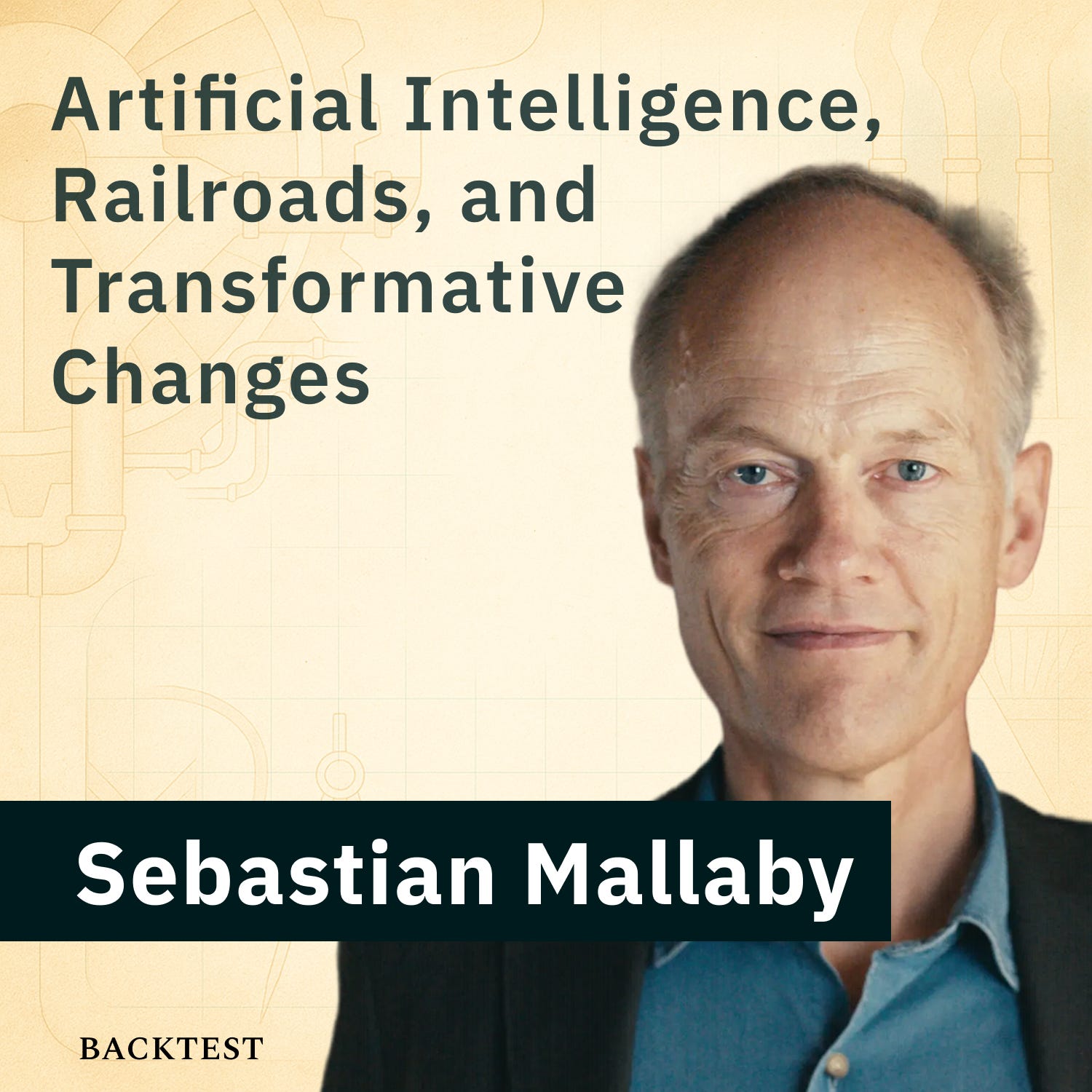 BSebastian Mallaby on Artificial Intelligence, Railroads, and Transformative ChangesBacktest · 2026-09-25
 TSaaSpocalypse Revisited, Singer x Louis Vuitton, Aman vs Ryan Walker | Igor Babuschkin, Brannin McBee, Garret Langley, Sonya Huang, Sean ColeTBPN · 2026-08-13
 F✨ My interview with Sebastian Mallaby, author of 'The Infinity Machine: Demis Hassabis, DeepMind, and the Quest for Superintelligence'Faster, Please! — The Podcast · 2026-07-14
 PThis Is How OpenAI Goes Broke — ft. Sebastian MallabyProf G Markets · 2026-07-10
 TThe AI Race Nobody Can Win: A Conversation With Sebastian MallabyThe Foreign Affairs Interview · 2026-07-02
 VSebastian Mallaby - How did the AGI war start and who will win?Venture Europe: Entrepreneurship | Technology | Venture Capital | Eu/Acc · 2026-06-11
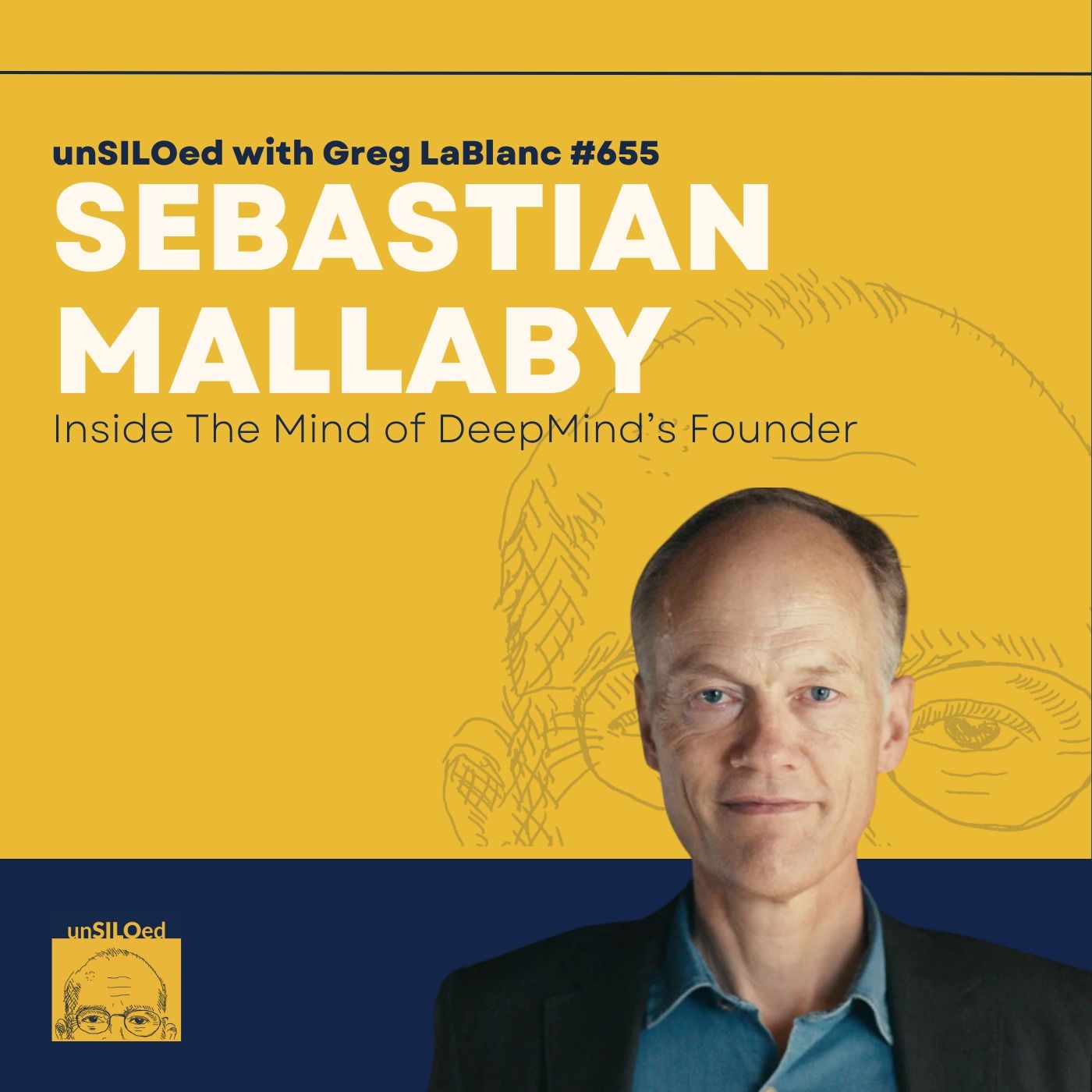 u655. Inside The Mind of DeepMind’s Founder with Sebastian MallabyunSILOed with Greg LaBlanc · 2026-05-28
 TEpisode 13: Sebastian MallabyThe News Items Podcast · 2026-05-21
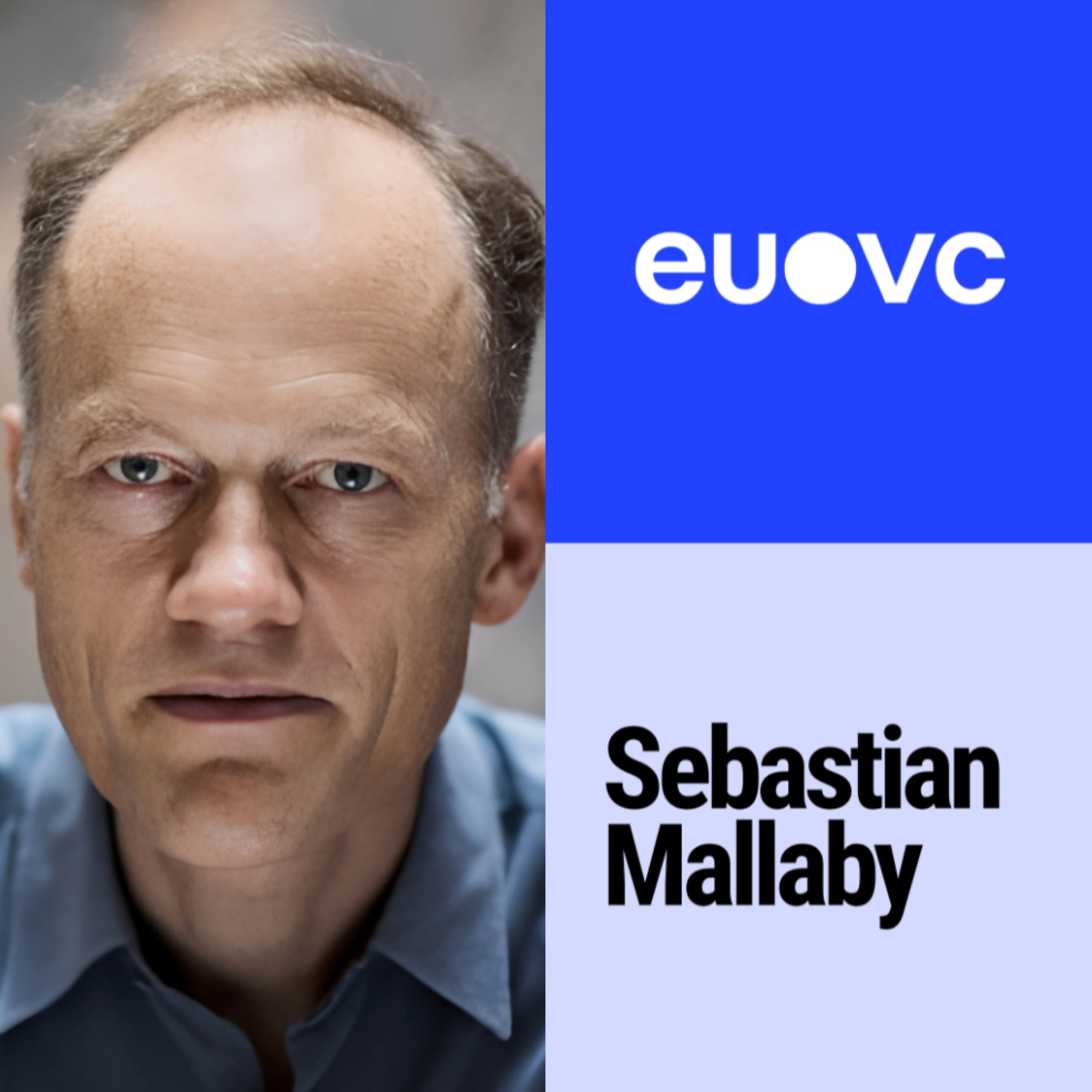 ESebastian Mallaby (The Infinity Machine): Demis Hassabis, DeepMind and Europe’s AI futureEUVC · 2026-05-21
 CSir Demis Hassabis and Sebastian MallabyCity Arts & Lectures · 2026-05-18
 TDemis Hassabis on Building DeepMind, AlphaFold, and the Final Stretch to AGITraining Data · 2026-04-30
 WCan We Achieve "Super Abundance" Without AI Doom? | with Sebastian MallabyWhat Could Go Right? · 2026-04-29
 ISebastian Mallaby: The Ghost in the MachineImpolitic with John Heilemann · 2026-04-20
 BWhat’s Actually Driving AI Right Now? (Ft. Sebastian Mallaby)Brew Markets · 2026-04-17
 OThe Truth About AI They Don't Want You To Know - Sebastian MallabyOpen Book with Anthony Scaramucci · 2026-04-07
 TSebastian Mallaby on AI Safety and the Race for SuperintelligenceThe Good Fight · 2026-04-04
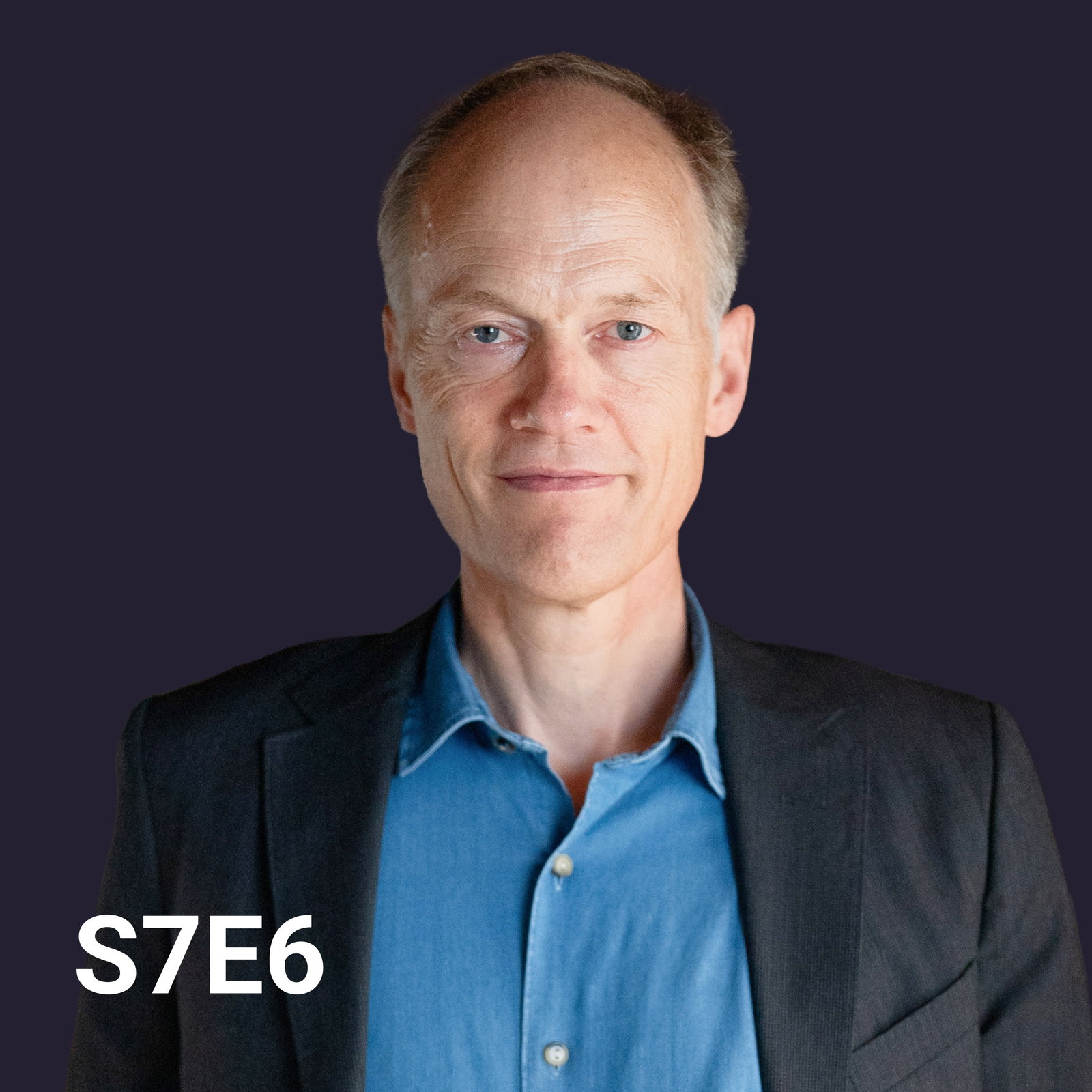 IInside The Infinity Machine ft Sebastian MallabyInvisible Machines podcast by UX Magazine · 2026-04-02
 HThe God Machine Demis Hassabis and the Quest for Superintelligence | Sebastian MallabyHidden Forces · 2026-03-30
 TBuilding an AI Physicist: ChatGPT Co-Creator’s Next VentureThe a16z Show · 2025-09-30
 TGoogle DeepMind Lead Researchers on Genie 3 & the Future of World-BuildingThe a16z Show · 2025-08-16
 NShaun Maguire's Growth HackNewcomer Pod · 2025-07-11
 PDemis Hassabis on AI, game theory, multimodality, and the nature of creativityPivot · 2025-04-12
 GProduct-Led AI: Mustafa Suleyman on Defining IntelligenceGreymatter · 2024-06-20
 TSecuring the Black Box: OpenAI, Anthropic, and GDM DiscussThe a16z Show · 2024-05-06
 TDave Munichiello on Investing in AI’s FutureTheory and Practice · 2023-09-20
 1mRNA for Flu Vaccine? AI Protein-Folding Goes Open Source16 Minutes News by a16z · 2021-08-02
 CDoina Precup (McGill & DeepMind) in conversation with Sven Strohband (Khosla Ventures)Creative Destruction Lab