Asset Management and Funds
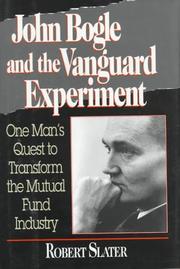
Managers charge a percentage of assets, so revenue rises with markets and with flows rather than with skill, and the industry's central arithmetic is that investors as a group hold the market and pay costs out of its return. Fee compression has run for four decades: index funds charge single-digit basis points where active mutual funds charged 1 to 2 percent, and trillions of dollars have moved accordingly, leaving scale and distribution as the surviving advantages. Performance fees, closet indexing and the gap between fund returns and investor returns are the recurring disputes. The literature covers indexing's rise and its arithmetic, criticism of fund governance and hidden costs, and firm histories of T. Rowe Price and Capital Group that show how active houses were actually built.
9 books · 22 people behind it
Start here
The people behind it 22
Each person holds a book in this entry or names it in their own tags.
Investors 14
 David F. Swensennamed in their tags
 John C. Boglenamed in their tags
 Robert D. Arnottnamed in their tags
 Terry Smithnamed in their tags
Founders 1
Executives 2
Academics 3
 Eugene F. Famanamed in their tags
 Richard H. Thalernamed in their tags