The 1929 crash and the Great Depression
The stock market boom of the 1920s, the crash of October 1929, the bank failures and the depression that followed, and the gold standard that spread it.
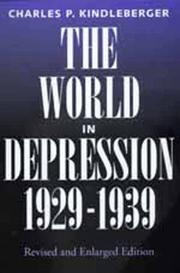
The Depression ran deep because no country would act as the world's stabiliser.
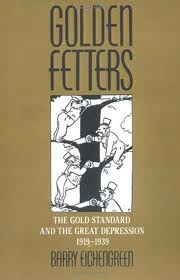
How the gold standard spread the Depression, and why leaving it early meant recovery.
“Eichengreen, Barry. Golden Fetters: The Gold Standard and the Great Depression, 1919–1939. New York: Oxford University Press, 1996” — Ray Dalio
Source: The Changing World Order — citations and bibliography, page 29
Recommended by: Ray Dalio
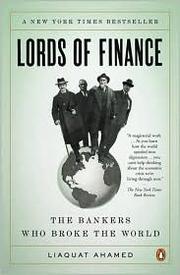
How four central bankers and the gold standard turned a slump into the Depression.
“I'm going to use "classic" again but rightfully so.” — Christopher Bloomstran
Source: Semper Augustus 2020 Letter to Clients, 'To Read or Not to Read', p. 57
Recommended by: Christopher Bloomstran, Mohnish Pabrai
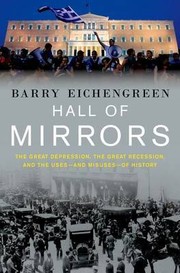
How 1930s lessons guided policy in 2008, averting a depression but adding errors.
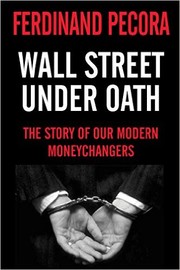
The 1933 Senate hearings exposing bankers' practices that led to securities laws.
“The combination of banking and investment banking under the same roof received a good part of the blame for the Great Crash (see one of my favorite books, Wall Street Under Oath by Ferdinand Pecora, 1939).” — Howard Marks
Source: The Long View, page 12
Recommended by: Howard Marks
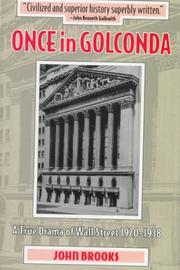
Wall Street from 1920 to 1938: the boom, the crash, the Depression and reform.
Recommended by: Mohnish Pabrai, Brendan Moynihan
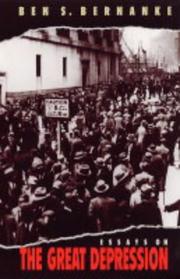
Papers on the Depression's causes, from the gold standard to failing banks.
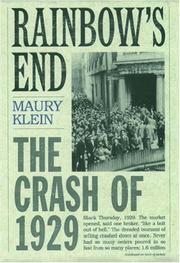
A narrative of the great stock market crash and the economy around it.

An Ohio lawyer's diary of the Depression years as he lived through them.
Recommended by: Mohnish Pabrai, Morgan Housel and 1 other
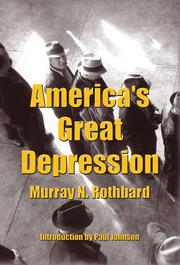
How a Fed credit boom led to the Depression, and how policy prolonged it.
“It's a timeless and timely classic.” — Christopher Bloomstran
Source: Semper Augustus 2020 Letter to Clients, 'To Read or Not to Read', p. 57
Recommended by: Christopher Bloomstran, Mohnish Pabrai
The failure of Austria's largest bank that spread the Depression across Europe.
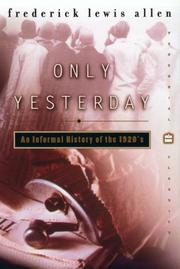
American life in the 1920s, from the Armistice to the crash.
Recommended by: The Barefoot Investor
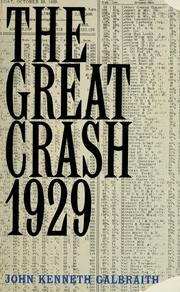
The late-1920s boom in margin loans and investment trusts, and the 1929 crash.
“One I haven’t mentioned since my memo The Long View in 2009 is the “bezzle,” a concept Galbraith introduced in his book The Great Crash 1929.” — Howard Marks
Source: Cockroaches in the Coal Mine
Recommended by: Howard Marks, Jeremy Grantham and 2 others
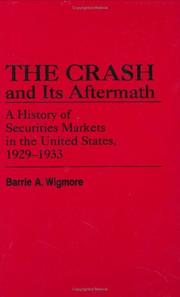
A reference history of US securities markets from the 1929 crash to 1933.
Recommended by: Mohnish Pabrai
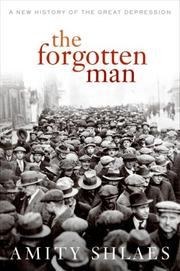
The Great Depression told through the stories of the common people who endured it.
Recommended by: Balaji S. Srinivasan
The 1920-21 depression: severe, yet over in eighteen months without stimulus.
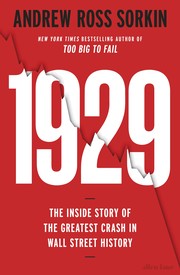
The 1929 Wall Street crash: the greed and folly behind America's greatest collapse.
“The Lessons of 1929 The best investing book I’ve read in years, one that pulled me along from chapter to chapter, is 1929: Inside the Greatest Crash in Wall Street History – and How It Shattered a Nation, by Andrew Ross Sorkin.” — Howard Marks
Source: What’s Going on in Private Credit?
Recommended by: Bill Gates, Howard Marks
 Barry Eichengreenwrote 2 books here
 James Grantwrote 1 book here
 John Kenneth Galbraithwrote 1 book here
 Andrew Ross Sorkinwrote 1 book here
 Frederick Lewis Allenwrote 1 book here
 Mohnish Pabrairecommends 6 books here
 Howard Marksrecommends 3 books here
 Ray Daliorecommends 1 book here
 Warren Buffettrecommends 1 book here
 Jeremy Granthamrecommends 1 book here
 Morgan Houselrecommends 1 book here
 Balaji S. Srinivasanrecommends 1 book here
 Bill Gatesrecommends 1 book here