
Sovereign debt and default
Governments have defaulted for eight centuries and will again; the literature is now data-driven as well as narrative.
Start here
- Lords of FinanceLiaquat Ahamed, 2009
- Adults in the RoomYanis Varoufakis, 2017
- This Time Is DifferentCarmen M. Reinhart, Kenneth S. Rogoff, 2009
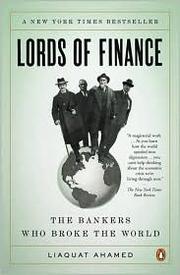
How four central bankers and the gold standard turned a slump into the Depression.
“I'm going to use "classic" again but rightfully so.” — Christopher Bloomstran
Source: Semper Augustus 2020 Letter to Clients, 'To Read or Not to Read', p. 57
Recommended by: Christopher Bloomstran, Mohnish Pabrai

Eight centuries of defaults and banking crises show the same patterns recurring.
“Every one of these books changed my worldview, and I highly recommend them if you're looking for inspiring reading.” — Bill Gates
Source: My top reads of 2012 — Gates Notes
Recommended by: Bill Gates, Mohnish Pabrai and 2 others
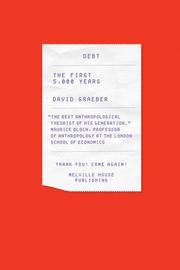
Debt came before money and barter, and its history is one of forgiveness and revolt.
Recommended by: Patrick Collison

How the gold standard spread the Depression, and why leaving it early meant recovery.
“Eichengreen, Barry. Golden Fetters: The Gold Standard and the Great Depression, 1919–1939. New York: Oxford University Press, 1996” — Ray Dalio
Source: The Changing World Order — citations and bibliography, page 29
Recommended by: Ray Dalio
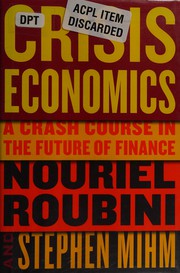
Financial crises are normal, not freak events, and the reforms they call for.

How 1930s lessons guided policy in 2008, averting a depression but adding errors.

Greece's 2015 debt talks with its creditors, by its finance minister at the time.

Sovereign borrowing from Italian city-states to the pandemic, and what it paid for.

The euro's design flaws traced back through the postwar monetary system.

The euro crisis as a clash between German and French economic traditions.

 Mohnish Pabrairecommends 2 books here
 Ray Daliorecommends 1 book here
 Bill Gatesrecommends 1 book here
 Patrick Collisonrecommends 1 book here
 Raoul Palrecommends 1 book here