Money, credit and inflation
Histories of money, gold, interest rates, credit, central banks, sovereign debt and hyperinflation.
Start here
- The Ascent of MoneyNiall Ferguson, 2008
- Lombard StreetWalter Bagehot, 1873
How the London money market worked, and why a central bank lends freely in a panic.
“The good times too of high price almost always engender much fraud,” wrote Walter Bagehot in Lombard Street: A Description of the Money Market (1877).” — Jeremy Grantham
Source: Valuing AI: Extreme Bubble, New Golden Era - or Both?, page 13
Recommended by: Jeremy Grantham
An economist's first-hand analysis of Germany's inflation from 1914 to 1923.

The US money stock from 1867 to 1960, and how changes in it drove prices and income.
European finance from the Middle Ages on: money, banking, markets and public debt.
How the gold standard spread the Depression, and why leaving it early meant recovery.
“Eichengreen, Barry. Golden Fetters: The Gold Standard and the Great Depression, 1919–1939. New York: Oxford University Press, 1996” — Ray Dalio
Source: The Changing World Order — citations and bibliography, page 29
Recommended by: Ray Dalio
Episodes from Yap's stone money onward showing that inflation comes from money.
Money between nations from the gold standard to floating rates and the euro.
Key academic papers on how the gold standard worked and why it broke down.
The Fed from 1913 to 1951, told from its own minutes and internal memos.
Hamilton's life from the West Indies to the Treasury and his duel with Aaron Burr.
Recommended by: Jim Collins, Patrick Collison and 2 others
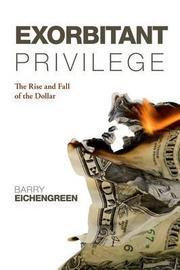
How the dollar became the world's currency, what it gives the US, what may follow.

Sovereign borrowing from Italian city-states to the pandemic, and what it paid for.

Germany's 1914 to 1923 inflation, with a more sympathetic view of its policy.

Monthly data tested against explanations of Germany's 1919 to 1923 inflation.

The full political, social and economic history of Germany's 1914 to 1924 inflation.
Inflation across history, and which monetary and political regimes produce it.
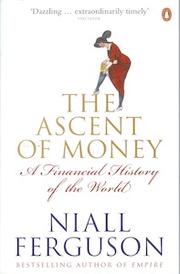
The history of finance by instrument: credit, bonds, stocks, insurance and property.
Recommended by: Mohnish Pabrai, Marc Andreessen, Max Levchin and 3 others
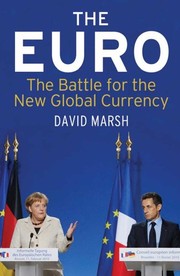
The politics of the euro from postwar plans to its first decade.

The 1944 Bretton Woods conference as a contest between Keynes and Harry Dexter White.

Whether a nation's banks are stable or crisis-prone is decided by its politics.

Why bankers kept lending to Philip II of Spain despite four payment suspensions.
“Drelichman, Mauricio and Hans-Joachim Voth. Lending to the Borrower from Hell: Debt, Taxes, and Default in the Age of Philip II. Princeton: Princeton University Press, 2014” — Ray Dalio
Source: The Changing World Order — citations and bibliography, page 44
Recommended by: Ray Dalio
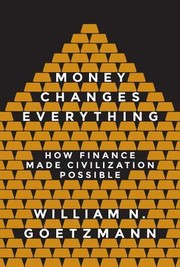
Finance as a technology that built civilisation, from clay tablets onward.
Recommended by: Nick Szabo
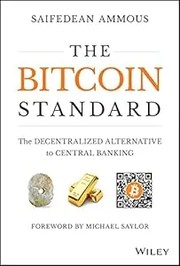
Sound money must hold value over time, and Bitcoin's fixed supply makes it such.
Recommended by: Balaji S. Srinivasan, Alex Lieberman and 1 other
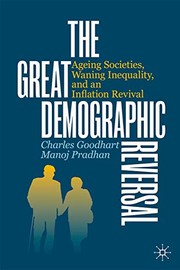
Disinflation came from a one-time surge in workers; ageing will reverse it.
Gold's purchasing power in England and the United States across four centuries.
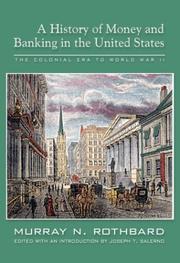
US money from colonial paper to the Fed, read as bank-and-state booms and busts.
The history of Hong Kong's banks and bank crises from the colonial archives.
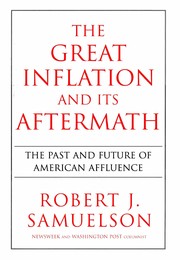
America's 1965-1982 inflation, its defeat under Volcker and what followed.
A currency strategist tests common beliefs about the dollar against the evidence.
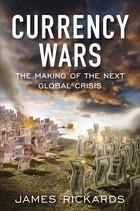
Why competitive devaluations resumed, and the monetary crisis they could bring.
Germany's hyperinflation, from war financing to the Rentenmark stabilisation.
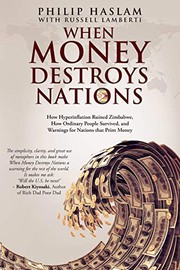
How Zimbabweans traded, saved and priced goods through hyperinflation.
The authorised history of the Bank of England from its founding, from its archives.
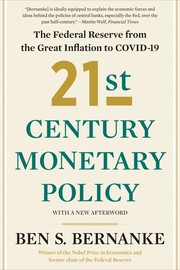
How American monetary policy changed from the 1950s through quantitative easing.
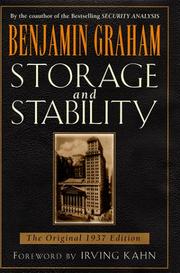
A plan for a currency backed by a basket of storable commodities.
Recommended by: Mohnish Pabrai
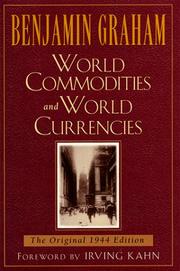
A plan for world money backed by a basket of storable commodities.
Recommended by: Mohnish Pabrai
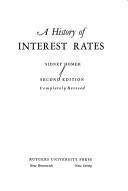
Interest rates from Babylonian lending through Rome and Europe to modern bonds.
“Courtesy of Homer and Sylla’s A History of Interest Rates, I’ve plotted the market price of the 5% prestiti in the 14th and 15th centuries: Even taking these stumbles into account, investors in medieval and Renaissance Europe earned healthy returns on their capital.” — William J. Bernstein
Source: Efficient Frontier, issue 901 (2001)
Recommended by: Mohnish Pabrai, William J. Bernstein
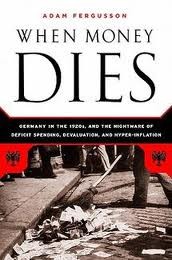
What Germany's 1921 to 1923 hyperinflation did to ordinary people's lives.
Recommended by: Balaji S. Srinivasan
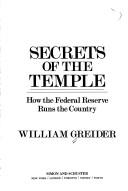
The Federal Reserve under Paul Volcker and how it reshaped America's economy.
Recommended by: Mohnish Pabrai
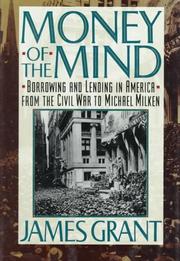
How American lending standards loosen in long cycles as the memory of losses fades.
“And right next to him I’d put Peter Bernstein (Against the Gods, The Power of Gold) and James Grant (Money of the Mind), both enormously gifted writers and friends of mine.” — John C. Bogle
Source: The Joy of Writing — Books, Ideas, Advocacy, and Idealism, page 3
Recommended by: John C. Bogle, Mohnish Pabrai, Seth Klarman and 1 other

Eight centuries of price revolutions, and what ended each one.
Recommended by: Balaji S. Srinivasan, Ryan Peterson
The history and nature of money, and people's relationship with it.
Recommended by: Alfred Lin, Patrick O'Shaughnessy
Gold from ancient Egypt and Lydian coins to the end of Bretton Woods.
“And right next to him I’d put Peter Bernstein (Against the Gods, The Power of Gold) and James Grant (Money of the Mind), both enormously gifted writers and friends of mine.” — John C. Bogle
Source: The Joy of Writing — Books, Ideas, Advocacy, and Idealism, page 3
Recommended by: John C. Bogle
Financial innovations, from Mesopotamian interest and Chinese paper money onward.
Recommended by: Mohnish Pabrai
The historical and practical case for returning to a gold-based monetary system.
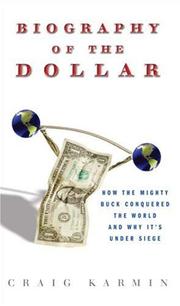
How long the dollar can remain the currency of international business.
Recommended by: Tim Ferriss
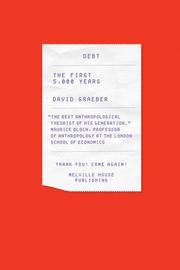
Debt came before money and barter, and its history is one of forgiveness and revolt.
Recommended by: Patrick Collison

Paul Volcker's decades at the Treasury and the Federal Reserve.
Recommended by: Mohnish Pabrai
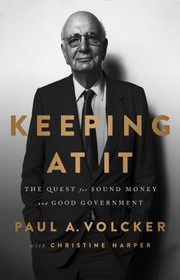
The Fed chair's memoir of his career at Treasury and the Fed, and beating inflation.
Recommended by: Michael Bloomberg, Ray Dalio, Warren Buffett
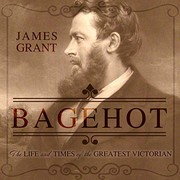
A biography of Walter Bagehot, banker, Economist editor and author of Lombard Street.
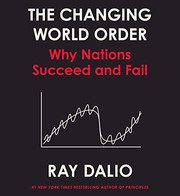
The rise and fall of the Dutch, British and American empires as a repeating cycle.
Recommended by: Balaji S. Srinivasan, David Friedberg and 2 others
Fed policy after the crisis, told through Thomas Hoenig's dissents.
“I would recommend reading my review of The Lords of Easy Money by Christopher Leonard which documents the Fed's increasingly unconventional monetary policies since the 2007-09 financial crisis.” — The Rational Walk
Source: The Digest #184 - The Rational Walk
Recommended by: The Rational Walk
A history of interest, and what suppressing it does to capital allocation.
“I consider it highly coincidental that 24 years later, I devoted another autumn to reading another Chancellor book, The Price of Time: The Real Story of Interest, his history of interest rates and central bank behavior.” — Howard Marks
Source: Easy Money
Recommended by: Howard Marks, Michael Mauboussin
How Lincoln's Union financed the Civil War and transformed the American state.
The history of money through technology, and why the financial system fails people.
Recommended by: Balaji S. Srinivasan
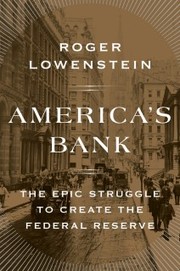
How the Federal Reserve was argued into existence, from the 1907 panic to 1913.
Recommended by: Seth Klarman
 Barry Eichengreenwrote 5 books here
 Benjamin Grahamwrote 2 books here
 James Grantwrote 2 books here
 Milton Friedmanwrote 2 books here
 Roger Lowensteinwrote 2 books here
 Ray Daliowrote 1 book here
 Ron Chernowwrote 1 book here
 Edward Chancellorwrote 1 book here
 Niall Fergusonwrote 1 book here
Show all 13

 Mohnish Pabrairecommends 8 books here
 Balaji S. Srinivasanrecommends 5 books hereRay Daliorecommends 3 books here
 John C. Boglerecommends 2 books here
 Seth Klarmanrecommends 2 books here
 Patrick Collisonrecommends 2 books here
 Raoul Palrecommends 2 books here
 Ryan Petersenrecommends 2 books here
 Howard Marksrecommends 1 book here
 Jim Collinsrecommends 1 book here
 Marc Andreessenrecommends 1 book here
Show all 29
 Michael Mauboussinrecommends 1 book here
 Warren Buffettrecommends 1 book here
 Jeremy Granthamrecommends 1 book here
 Alfred Linrecommends 1 book here
 Antonio García Martínezrecommends 1 book here
 David Friedbergrecommends 1 book here
 Jamie Dimonrecommends 1 book here
 Max Levchinrecommends 1 book here
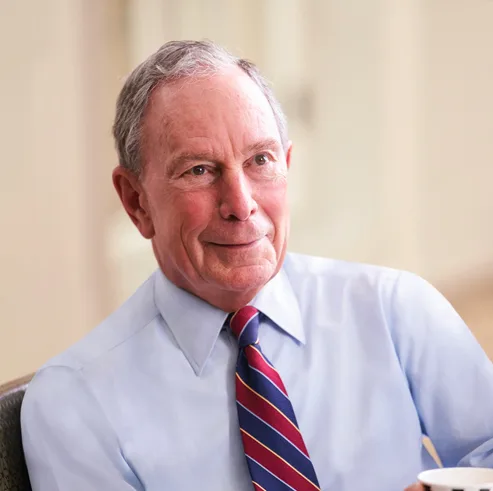 Michael Bloombergrecommends 1 book here
 Tim Ferrissrecommends 1 book here
 Travis Kalanickrecommends 1 book here