
Making Music: 74 Creative Strategies for Electronic Music Producers
Where Rubin is intuitive, DeSantis is surgical. Originally published by Ableton, this is a structured taxonomy of creative blocks and how to break them — starting too late, finishing too early, overcomplicating arrangements. Aimed at electronic producers but the strategies transfer to any compositional context. The best practical companion to the more philosophical books on this list.
Similar books 6
Chosen by shared topics, the entries that hold them, and the people who recommended both.

A method for playing music free of the fear and self-judgment that freeze performers.
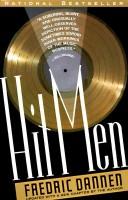

Byrne argues that music is not created in a vacuum but is shaped by the spaces it's designed to fill — a cathedral's reverb, a club's noise floor, an iPod earbud. Part memoir, part cultural history, part production theory. The chapter on how CBGB's acoustics shaped Talking Heads's sound alone is worth the cover price.
Recommended by: Eric Weinstein
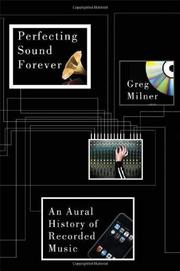
Recording from cylinder to Pro Tools: should it capture reality or improve on it?

A novel in which a teacher upends a musician's ideas about practice and mistakes.
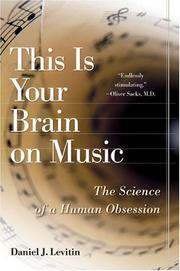
The foundational science for any serious musician. Levitin explains what the auditory cortex actually does with rhythm, timbre, and expectation — why a note landing slightly behind the beat feels groovy rather than wrong, and why tension-resolution in harmony triggers the same neurochemistry as certain drugs. Knowing the mechanics does not kill the magic; it deepens it.
Recommended by: Vinod Khosla
Where it sits in the reference 1
Topics