Art and Design
Fine art, architecture, photography, typography, graphic and product design, film and music, plus the practice and criticism of making things. Read by designers, makers and people who care what the world looks and sounds like.
Start here
- Lives of the ArtistsGiorgio Vasari, 1550
- The Death and Life of Great American CitiesJane Jacobs, 1961
- Confessions of an Advertising ManDavid Ogilvy, 1963
- A Pattern LanguageChristopher Alexander, 1977
- Ogilvy on AdvertisingDavid Ogilvy, 1983
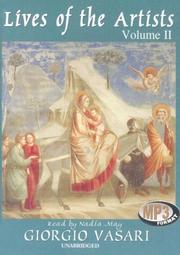
Lives of the painters, sculptors and architects of the Italian Renaissance.
“Vasari, Lives of the Artists” — Paul Graham
Source: Rarely-Asked Questions — paulgraham.com
Recommended by: Paul Graham
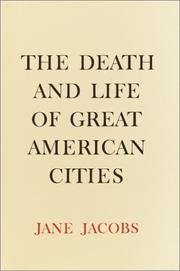
What makes city streets work, and how 1950s planning and slum clearance broke them.
Recommended by: Patrick Collison, Chris Dixon, Daniel Burka and 1 other
How to win and keep agency clients and write advertising that sells.
Recommended by: Mohnish Pabrai, David Cancel, Sam Parr
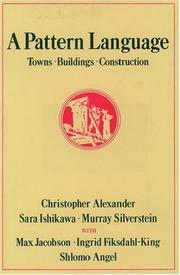
253 patterns for building, from the layout of towns down to a window seat.
Recommended by: Naval Ravikant, Patrick Collison, Sam Altman and 1 other
Rules for advertising that sells, drawn from direct-response testing.
“Ogilvy is a brilliant guy and a terrific writer. Really enjoyed this book and learned a lot.” — Mohnish Pabrai
Source: Mohnish's Bookshelf — Books on Sales & Marketing, entry 40
Recommended by: Mohnish Pabrai, David Cancel, Ev Williams and 1 other
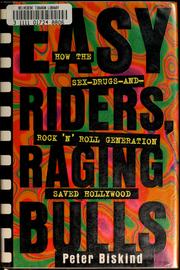
How young directors and drugs remade Hollywood in the 1970s, from Easy Rider on.
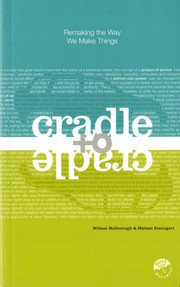
Design products on nature's model, where waste becomes food for the next cycle.
Recommended by: Joe Gebbia

Chanel's origins, her creative work and her private suffering, from new research.
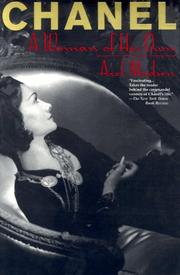
The standard biography before Chaney and Vaughan.
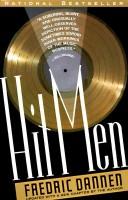
How the music business works in contracts and money, from a music lawyer.
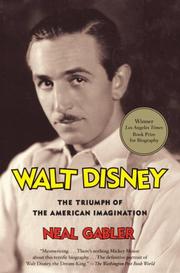
Walt Disney's life from Missouri to Mickey Mouse, the 1941 strike and Disneyland.
“the author, Neal Gabler, who has written the best biography on Walt Disney. And it's a phenomenal book.” — Marc Andreessen
Source: The Tim Ferriss Show Transcripts: Marc Andreessen (#163)
Recommended by: Marc Andreessen, Brian Chesky
Ethnography of auctions, fairs and studios.
How prices are set in the contemporary art market, from dealers to auction houses.
Recommended by: Tim Ferriss, Diana Kimball, Vinod Khosla

A four-step model for habit-forming products: trigger, action, reward, investment.
Recommended by: Nat Eliason, Alexis Ohanian, Andrew Chen and 6 others

Leonardo's life read through his notebooks, where art and science were one pursuit.
Recommended by: Bill Gates, Austen Allred, Daniel Petre and 7 others

Organized as short research-backed chapters on how people see, remember, decide, and feel, this is the most accessible bridge between cognitive science and design practice. The sections on peripheral vision, progressive disclosure, and intrinsic motivation are particularly applicable to interface work.
Recommended by: Jan Losert, Johnnie Gomez, Nir Eyal

The foundational biography; every later book argues with it.

Goldman wrote Butch Cassidy, All the President's Men, and The Princess Bride, and this book is his frank account of what it is actually like to write for Hollywood. His central claim — that nobody knows anything — is an important corrective to every book on this list that treats filmmaking as a solved problem.
Recommended by: Tim Ferriss
King's memoir of craft applies as directly to screenwriting as to fiction. His argument that story comes before plot — that you discover what a story is about by following characters rather than outlining — sits in productive tension with the structural approaches of McKee and Snyder.
Recommended by: Nat Eliason, Jason Calacanis, Paul Graham and 1 other

Krug's web usability primer has stayed relevant for over two decades because its core argument — that good interfaces require no instruction — is timeless. The chapters on navigation conventions and usability testing with five users are still the most practical introduction to the discipline.
Recommended by: Brian Armstrong, Andy Budd, Austen Allred and 6 others
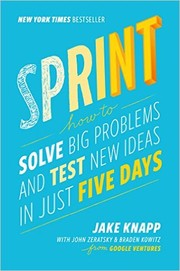
The Google Ventures five-day workshop format distilled into a repeatable method for answering critical design questions through rapid prototyping and targeted user testing. Less a design book than a process book — most valuable for teams that struggle to move from ideas to validated decisions quickly.
Recommended by: Andy Budd, Jessica Hische, Marty Cagan and 1 other

Pressfield's book on resistance applies with particular force to musicians, where the gap between technical facility and creative output is often enormous. The concept of 'turning pro' — treating creative work as a practice with professional discipline regardless of whether it pays — is the mental shift that separates hobbyists from people who actually finish records.
Recommended by: Mohnish Pabrai, Nat Eliason, Alex and Books and 11 others
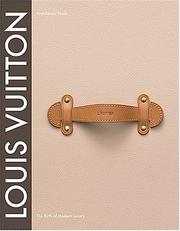
The house history of Louis Vuitton, the brand at the centre of its luxury group.

The most commercial book on this list, and the most widely used. Snyder's beat sheet is a blunt instrument, but understanding it is necessary — both to apply it and to understand what mainstream studio films are doing structurally, whether you intend to follow the template or subvert it.
Recommended by: Eric Weinstein
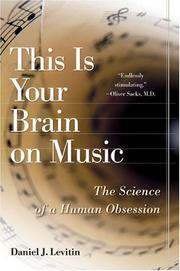
The foundational science for any serious musician. Levitin explains what the auditory cortex actually does with rhythm, timbre, and expectation — why a note landing slightly behind the beat feels groovy rather than wrong, and why tension-resolution in harmony triggers the same neurochemistry as certain drugs. Knowing the mechanics does not kill the magic; it deepens it.
Recommended by: Vinod Khosla

As-told-to: Morand's record of her 1946 conversations, published posthumously.
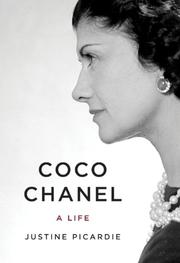
House-access biography; good on the business, softer on the war.

A visual encyclopedia of 125 design principles from multiple disciplines — architecture, industrial design, psychology, communication. Not a cover-to-cover read but an essential reference for finding the principle name for something you already know intuitively, which matters when presenting to non-designers.
Recommended by: Ran Segall

Byrne argues that music is not created in a vacuum but is shaped by the spaces it's designed to fill — a cathedral's reverb, a club's noise floor, an iPod earbud. Part memoir, part cultural history, part production theory. The chapter on how CBGB's acoustics shaped Talking Heads's sound alone is worth the cover price.
Recommended by: Eric Weinstein
A dealer separating commercial, social and intrinsic value.
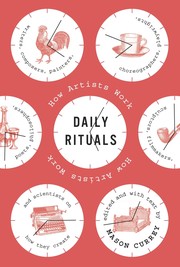
Mason Currey's portraits of how artists actually structure their days — Beethoven counting exactly sixty coffee beans, Glenn Gould's nocturnal sessions, Stravinsky's requirement for a daily constitutional before composing. More useful than it sounds: the book normalizes idiosyncratic work patterns and illustrates that there is no single formula for sustained creative output.
Recommended by: Nat Eliason, Patrick Collison, David Kadavy

Academic study of how IKEA constructed its Swedishness.

Reads the brand as politics; the most intellectually serious account.

Sequel with more on auction guarantees and price formation.

Galliano and McQueen inside the LVMH and Kering machine.

Oral history of CAA and the agency model.
Recommended by: Joel Connolly
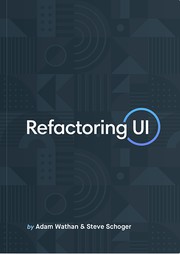
Where most design books stay in the abstract, this one opens with specific visual decisions: spacing scales, type hierarchies, color palette construction, shadow systems. Written by developers who taught themselves visual design, it's unusually practical and works equally well for product designers who want stronger visual intuition.
Recommended by: Charlie Marie Prangley, Jordan Hughes

The rise of the mega-galleries and the money in the contemporary art market.

Not a how-to book. Rubin's meditations on creativity are deliberately non-prescriptive — he is describing a posture toward work rather than a process. For musicians, the sections on surrender, on listening to the work rather than imposing on it, and on the difference between taste and judgment are particularly sharp. Best read slowly, one or two fragments at a time.
Recommended by: Eric Jorgenson

Goal-directed design and personas: fitting software to how users think it works.

How designers persuade engineers, managers and executives that a design is right.

Design treated as narrative: story arc, empathy, surprise and sequence.

A method for playing music free of the fear and self-judgment that freeze performers.
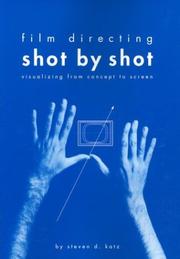
How storyboards become shots, and how shots are built into film sequences.
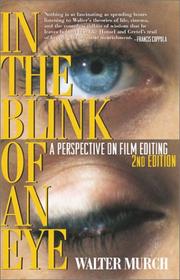
Film editing explained: why cuts work when they follow the rhythm of thought.

Psychology findings such as Fitts's and Hick's laws applied to interface design.

How a film comes together, from the first script reading to the final mix.

Strategies for electronic music producers stuck starting, finishing or arranging.
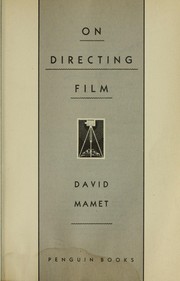
Directing as finding the simplest images that carry the story.

Recording from cylinder to Pro Tools: should it capture reality or improve on it?
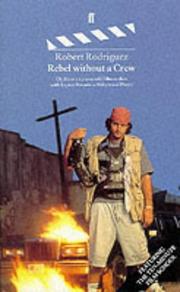
The production diary of El Mariachi, a feature film made for $7,000.
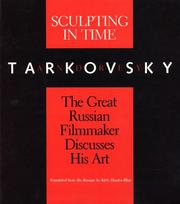
A filmmaker's theory of the image as a vessel of time rather than information.
The book that introduced affordances, signifiers, and feedback loops to a generation of designers. Norman's analysis of why doors, phones, and stoves confuse people is the clearest argument that bad design is a systems failure, not user error. Everything else on this list builds on this vocabulary.
Recommended by: Ran Segall, Andrew Chen, Garry Tan and 9 others
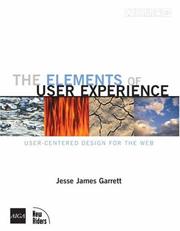
Five planes of design, from strategy to surface, for breaking down design problems.
Camera angles, continuity, cutting, close-ups and composition: the basics of a shot.

A novel in which a teacher upends a musician's ideas about practice and mistakes.

Musicians describe the one song that made them want to make music.

Recommended by: Bill Gates, Mohnish Pabrai

Recommended by: Nat Eliason
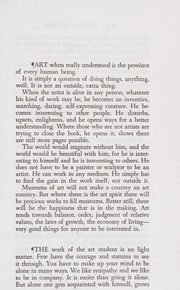
A painting teacher's philosophical and practical notes on an approach to art.
Recommended by: Jack Dorsey, Ron Conway

Recommended by: Naval Ravikant

Recommended by: David Kadavy

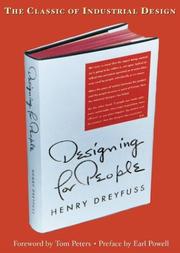
Recommended by: Patrick Collison, Bret Victor

Recommended by: Eric Weinstein

Recommended by: Patrick Collison
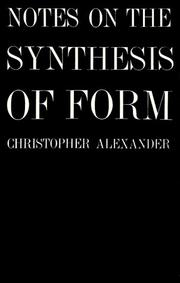
The process of design: how to invent things with new physical order and form.
Recommended by: Patrick Collison

“Here are the most exciting ones I can think of: Clark, Civilisation” — Paul Graham
Source: Rarely-Asked Questions — paulgraham.com
Recommended by: Paul Graham


Recommended by: Adam Ho, Coleen Baik, Yves Béhar

Architects' manifestos and programs, 1903 to 1963, that shaped modern architecture.
Recommended by: Patrick Collison
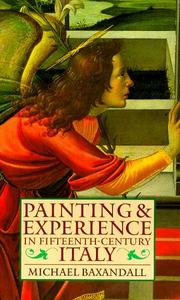
Fifteenth-century Italian painting, and reading social history from its style.
Recommended by: Paul Graham

Recommended by: Nick Thompson


“Girouard, Life in the English Country House” — Paul Graham
Source: Rarely-Asked Questions — paulgraham.com
Recommended by: Paul Graham

Recommended by: Daniel Burka, David Perell

Recommended by: Caterina Fake

Recommended by: Patrick Collison, Ran Segall, Adam Robinson
The relative size of things in the universe, each step adding another zero.
Recommended by: Stewart Brand


Recommended by: Patrick Collison, Bret Victor, Daniel Burka and 1 other
Recommended by: Bret Victor
Recommended by: Patrick Collison


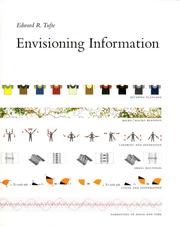
How to show complex information on flat paper or screens, with many examples.
Recommended by: Patrick Collison, Bret Victor, Jeff Atwood and 1 other

Recommended by: Mohnish Pabrai

Recommended by: Matt Mullenweg

Recommended by: Jeremiah Shoaf

A course in the creative process and in living an artist's life.
Recommended by: Brian Koppelman, Tim Ferriss
Recommended by: Patrick Collison, David Kadavy and 1 other

Recommended by: Patrick Collison, Bret Victor, Daniel Burka and 1 other

Buildings as processes that change after they are built, and how to design for it.
Recommended by: Stewart Brand, Caterina Fake, Daniel Burka and 3 others

Recommended by: David Kadavy

Recommended by: Mohnish Pabrai

A Hollywood producer's life behind The Godfather, Chinatown and Rosemary's Baby.
“Robert Evans went from 50's movie star to running Paramount Pictures during its Godfather heyday, only to fall flat on his face and go broke in the eighties. Pure Hollywood popcorn and full of fun (probably half-true) anecdotes about seemingly every…” — Andrew Wilkinson
Source: Newsletter
Recommended by: Andrew Wilkinson, David Cancel

Recommended by: Mohnish Pabrai


Recommended by: John Maeda

Recommended by: Mohnish Pabrai

Recommended by: Patrick Collison, Bret Victor, Jeff Atwood


Recommended by: Patrick Collison, David Kadavy and 1 other
Recommended by: Brian Armstrong, Patrick Collison and 2 others

Recommended by: Mohnish Pabrai


Recommended by: Patrick Collison, Bret Victor and 1 other

Recommended by: Mohnish Pabrai

Recommended by: Mohnish Pabrai


Recommended by: Ev Williams

Recommended by: Ran Segall, Casey Neistat
Recommended by: Bret Victor
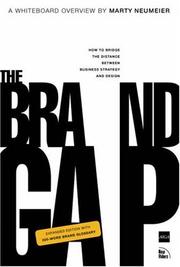
Five disciplines to close the gap between brand strategy and its execution.
Recommended by: Andy Budd, Ran Segall
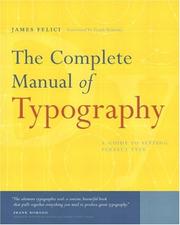
Recommended by: Jeremiah Shoaf
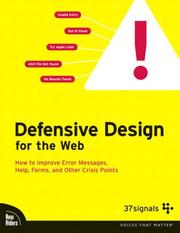
Recommended by: John Maeda
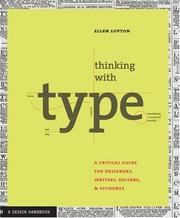
Recommended by: Patrick Collison, David Kadavy and 1 other

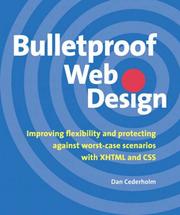
“When I first started MetaLab, Dan Cederholm was my hero. Bulletproof Web Design was the first book I read when I was learning the ropes.” — Andrew Wilkinson
Source: Essay
Recommended by: Andrew Wilkinson

Recommended by: Paul Graham

Recommended by: Ryan Holiday
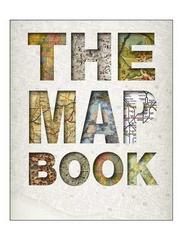

Recommended by: Patrick Collison, Bret Victor, Jeff Atwood
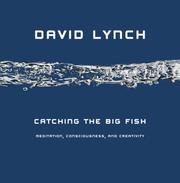


How Marie Antoinette used fashion as a political weapon, and how it led to her fall.
Recommended by: Sheryl Sandberg

Recommended by: Patrick Collison

A comedian's eighteen years building a stand-up act, and why he quit it.
Recommended by: Bill Gurley, James Altucher, Jason Calacanis and 2 others
Recommended by: Patrick Collison

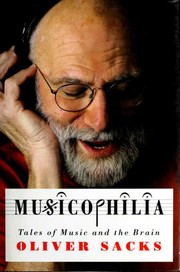
How music acts on the brain, through patients, musicians and ordinary people.
Recommended by: Tim Ferriss
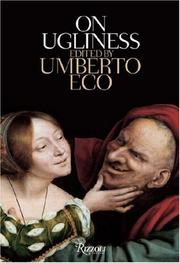
The idea of ugliness through history, as shown in art, literature and architecture.
Recommended by: Patrick Collison
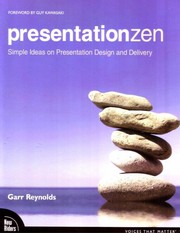
How to design and deliver simple, creative slide presentations.
Recommended by: Nir Eyal

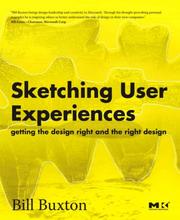
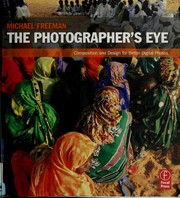
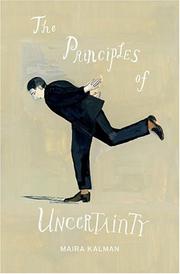
Recommended by: Caterina Fake


An A-to-Z perfume guide whose authors praise, joke about and scold each scent.
Recommended by: Eric Weinstein
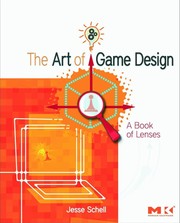
Game design principles drawn from psychology, with 100+ sets of questions to ask.
Recommended by: Nir Eyal, Ryan Hoover

Recommended by: Mohnish Pabrai
Recommended by: Mohnish Pabrai

An irreverent look at why museums tire visitors and how to enjoy them.
Recommended by: John Maeda

Money and power inside the Metropolitan Museum.

David Ogilvy's life and the making of his famous advertising campaigns.
Recommended by: Andrew Wilkinson, Mohnish Pabrai


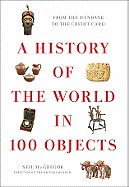
Recommended by: Mohnish Pabrai, Stewart Brand
Recommended by: Mohnish Pabrai
Recommended by: Mohnish Pabrai


Recommended by: Patrick Collison


Recommended by: Patrick Collison

Recommended by: Andy Budd


Recommended by: Mohnish Pabrai

Recommended by: Nat Eliason



Ten short lessons on creative work: nothing is original, so copy well.
Recommended by: Mohnish Pabrai, Alex and Books, Ali Abdaal and 2 others


Recommended by: Patrick Collison

Recommended by: Patrick Collison


Recommended by: Mohnish Pabrai


Recommended by: Radhika Jones


Recommended by: Patrick Collison

Recommended by: Coleen Baik, Jessica Hische
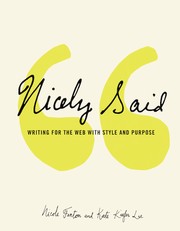
How to write web copy that meets readers' needs and business goals, with examples.
Recommended by: Jan Losert

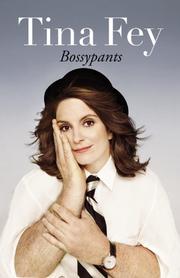
Personal essays on sex, menial jobs and missteps, offered so others learn from them.
Recommended by: Audrey Gelman
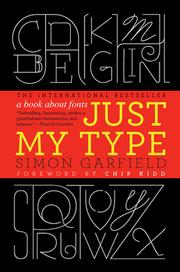
How to judge typefaces, work within technical limits and build web type systems.
Recommended by: Jeremiah Shoaf
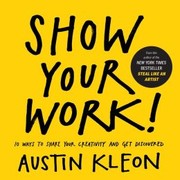
Recommended by: Ali Abdaal, Chase Jarvis, Johnnie Gomez


Recommended by: Patrick Collison


Recommended by: George Hatzis


Recommended by: Johnnie Gomez

Twenty-six imaginative maps of New York City and the lives lived within it.
Recommended by: Laura R Walker


Recommended by: Patrick Collison


Marvel and DC's fifty-year rivalry: stolen ideas, poached staff, spies, price wars.
Recommended by: Marc Andreessen

Recommended by: Patrick Collison
Recommended by: Mohnish Pabrai


Recommended by: Jeremiah Shoaf


The brain science that matters to designers and how it shapes people's daily use.
Recommended by: Ryan Hoover

Recommended by: Guy Kawasaki

Recommended by: Johnnie Gomez


Recommended by: Austen Allred, Jordan Hughes
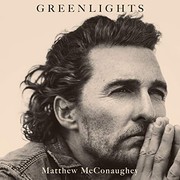

Two decades of short reflections on entrepreneurship, creativity and philosophy.
Recommended by: Johnnie Gomez


“Ian Leslie's wonderful new book about the relationship between John Lennon and Paul McCartney. If you're into The Beatles, or even just interested in how creativity happens, it's a great read.” — Andrew Wilkinson
Source: Essay
Recommended by: Andrew Wilkinson
Recommended by: Bret Victor





Recommended by: Tim Ferriss
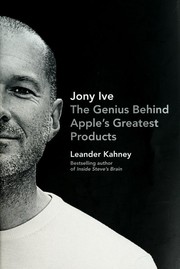

Recommended by: Arianna Huffington


Large-format scenery and fashion photographs of Richard Branson's Caribbean island.
Recommended by: Richard Branson
A print magazine on how people shape technology and how technology shapes them.
Recommended by: John Maeda
Euclid's first six books, with diagrams and proofs drawn in bright coloured shapes.
Recommended by: Patrick Collison


Photographs that visualise data, from Wi-Fi fields to many moments in one image.
Recommended by: Patrick Collison
Recommended by: Jeremiah Shoaf




Recommended by: Mohnish Pabrai

Recommended by: Patrick O'Shaughnessy

 Walter Isaacsonwrote 1 book here
 Jessica Hischewrote 1 book here
 Nir Eyalwrote 1 book here
 Stewart Brandwrote 1 book here
 Patrick Collisonrecommends 57 books here
 Mohnish Pabrairecommends 33 books here
 Bret Victorrecommends 14 books hereNir Eyalrecommends 11 books here
 Tim Ferrissrecommends 11 books hereStewart Brandrecommends 8 books here
Show all 123
 Yves Béharrecommends 8 books here
 Paul Grahamrecommends 7 books here
 Daniel Burkarecommends 6 books here
 Eric Weinsteinrecommends 6 books here
 Jeff Atwoodrecommends 6 books here
 Bill Gatesrecommends 5 books here
 Ev Williamsrecommends 5 books here
 Marc Andreessenrecommends 4 books here
 Ryan Holidayrecommends 4 books here
 Arianna Huffingtonrecommends 4 books here
 Audrey Gelmanrecommends 4 books here
 John Maedarecommends 4 books here
 Matt Mullenwegrecommends 4 books here
 Bill Gurleyrecommends 3 books here
 Caterina Fakerecommends 3 books hereJessica Hischerecommends 3 books here
 Naval Ravikantrecommends 3 books here
 Richard Bransonrecommends 3 books here
 Sheryl Sandbergrecommends 3 books here
 Kevin Kellyrecommends 2 books here
 Guy Kawasakirecommends 2 books here
 Brian Armstrongrecommends 2 books here
 Daniel Ekrecommends 2 books here
 Dustin Moskovitzrecommends 2 books here
 Garry Tanrecommends 2 books here
 Jason Calacanisrecommends 2 books here
 Ron Conwayrecommends 2 books here
 Sam Altmanrecommends 2 books here
 Vinod Khoslarecommends 2 books here
 Ben Horowitzrecommends 1 book here
 Ray Daliorecommends 1 book here
 Adam Gazzaleyrecommends 1 book here
 Aileen Leerecommends 1 book here
 Alexis Ohanianrecommends 1 book here
 Antonio García Martínezrecommends 1 book here
 Balaji S. Srinivasanrecommends 1 book here
 Bob Igerrecommends 1 book here
 Brian Cheskyrecommends 1 book here
 Casey Neistatrecommends 1 book here
 Chris Dixonrecommends 1 book here
 Chris Saccarecommends 1 book here
 Ed Cookerecommends 1 book here
 Elon Muskrecommends 1 book here
 Evan Spiegelrecommends 1 book here
 Jack Dorseyrecommends 1 book here
 James Altucherrecommends 1 book here
 Joe Gebbiarecommends 1 book here
 Julie Zhuorecommends 1 book here
 Kevin Roserecommends 1 book here
 Laura R Walkerrecommends 1 book here
 Marie Forleorecommends 1 book here
 Marissa Mayerrecommends 1 book here
 Mark Zuckerbergrecommends 1 book here
 Melanie Perkinsrecommends 1 book here
 Michael Bloombergrecommends 1 book here
 Satya Nadellarecommends 1 book here
 Susan J. Fowlerrecommends 1 book here
 Tony Hsiehrecommends 1 book here
 Tucker Maxrecommends 1 book here
 Zoë Foster Blakerecommends 1 book here