
Design Is Storytelling
Lupton frames every design artifact as a narrative problem: arc, empathy, surprise, sequencing. The book's visual density is deliberate — form and content mirror each other throughout. Most useful for UX writers and content designers, but the chapters on journey and emotion translate directly to interaction design.
Similar books 6
Chosen by shared topics, the entries that hold them, and the people who recommended both.

Organized as short research-backed chapters on how people see, remember, decide, and feel, this is the most accessible bridge between cognitive science and design practice. The sections on peripheral vision, progressive disclosure, and intrinsic motivation are particularly applicable to interface work.
Recommended by: Jan Losert, Johnnie Gomez, Nir Eyal

Goal-directed design and personas: fitting software to how users think it works.

How designers persuade engineers, managers and executives that a design is right.

Krug's web usability primer has stayed relevant for over two decades because its core argument — that good interfaces require no instruction — is timeless. The chapters on navigation conventions and usability testing with five users are still the most practical introduction to the discipline.
Recommended by: Brian Armstrong, Andy Budd, Austen Allred and 6 others

A four-step model for habit-forming products: trigger, action, reward, investment.
Recommended by: Nat Eliason, Alexis Ohanian, Andrew Chen and 6 others
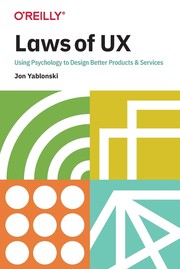
Psychology findings such as Fitts's and Hick's laws applied to interface design.
Where it sits in the reference 1
Topics