Corporate Fraud and Accounting Scandals
Frauds recur in a small number of forms: revenue recognised before it is earned, expenses capitalised onto the balance sheet, liabilities parked in entities that are not consolidated, related-party dealings hidden from the board, and assets that do not exist. They grow where a founder's claims run ahead of the results, where auditors are paid by the people they check, and where nobody independently confirms the cash. Reading this literature teaches the mechanics well enough to spot them in filings, and it teaches how long a fraud can run while professionals sign off. The cases here span a century, from Ivar Kreuger's match monopoly and the salad oil tanks of 1963 to Enron's special purpose entities, Madoff's fabricated statements, 1MDB, Steinhoff, Theranos and the 1.9 billion euro that never existed at Wirecard.
13 books · 3 people behind it
Start here
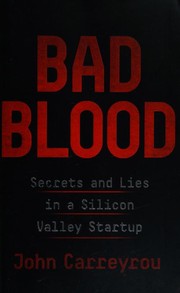
- Bad Blood: Secrets and Lies in a Silicon Valley StartupJohn Carreyrou, 2018
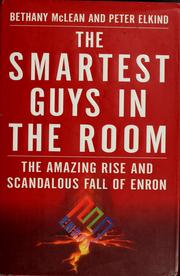
- The Smartest Guys in the Room: The Amazing Rise and Scandalous Fall of EnronPeter Elkind, 2003
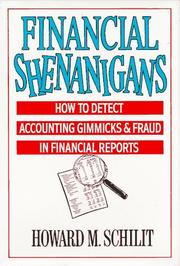
- Financial ShenanigansHoward M. Schilit, Jeremy Perler, 1993
The people behind it 3
Each person holds a book in this entry or names it in their own tags.