Mutual funds and index funds
The shift from active mutual funds to indexing is the largest change in asset management, and it has a well-defined canon.
Start here
- The Little Book of Common Sense InvestingJohn C. Bogle, 2007
- Winning the Loser's GameCharles D. Ellis, 1998
- TrillionsRobin Wigglesworth, 2021
- Common Sense on Mutual FundsJohn C. Bogle, 1999
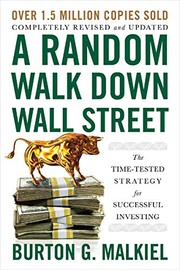
Stock prices follow a random walk, so a low-cost index fund beats stock picking.
“Even earlier, in 1973, in his classic A Random Walk Down Wall Street, Burton G. Malkiel had called for such a fund, although, alas, when we started it, I had yet to read his book.” — John C. Bogle
Source: CONVERGENCE!, page 1
Recommended by: Jason Zweig, John C. Bogle and 5 others
How Markowitz, Sharpe, Fama, Black and Scholes built the theory of modern finance.
“But it was in his Capital Ideas, published in 1992, that I first learned of Louis Bachelier’s 1900 dissertation, The Theory of Speculation.” — John C. Bogle
Source: Success In Investment Management: What Can We Learn From Indexing?, page 1
Recommended by: John C. Bogle, Michael Mauboussin
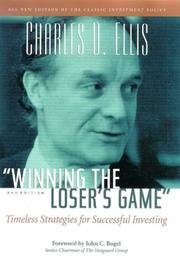
Why active investing became a loser's game, decided by errors, not by skill.
“In his marvelous book, Winning the Loser's Game, Charlie Ellis says” — Bill Miller
Source: Bill Miller 2Q 2020 Market Letter
Recommended by: Bill Miller, Michael Mauboussin and 2 others
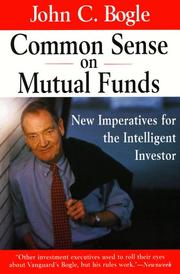
How costs, turnover and fund structure decide what mutual fund investors earn.
“The founder of the Vanguard Group and father of the index-fund industry methodically sorts fact from fiction. Following his logical arguments can benefit you even if you never invest in a mutual fund, since Bogle touches on just about every crucial aspect of investing, including taxes, trading costs, diversification, performance measurement and the power of patience.” — Jason Zweig
Source: Best Books for Investors: A Short Shelf — jasonzweig.com
Recommended by: Jason Zweig, Michael Mauboussin and 4 others
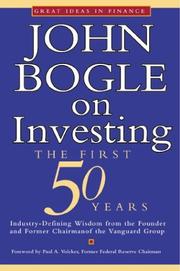
Fifty years of speeches and essays arguing for low-cost index funds.
Recommended by: Mohnish Pabrai, Mr. Money Mustache
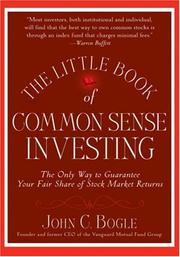
After costs, most investors trail the market, so hold a low-cost index fund.
“Bogle, John C., The Little Book of Common Sense Investing: The Only Way to Guarantee Your Fair Share of Stock Market Returns (Hoboken, NJ: John Wiley & Sons, 2007)” — Michael Mauboussin
Source: Untangling Skill and Luck: How to Think About Outcomes - Past, Present, and Future, page 33
Recommended by: Michael Mauboussin, Mohnish Pabrai and 6 others
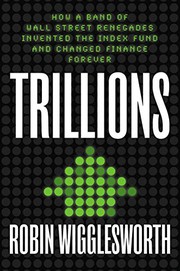
How index funds went from academic idea to owning much of the world's shares.
“Wigglesworth, Robin, Trillions: How a Band of Wall Street Renegades Invested the Index Fund and Changed Finance Forever (New York: Portfolio/Penguin, 2021)” — Michael Mauboussin
Source: Who Is On the Other Side? A Framework for Understanding Market (In)Efficiency
Recommended by: Michael Mauboussin
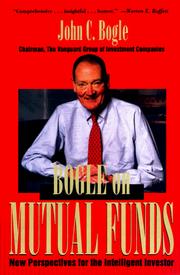
A practical manual for choosing and holding mutual funds, with costs in focus.
Recommended by: Mr. Money Mustache
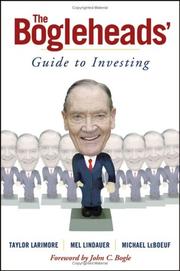
A personal finance manual built on John Bogle's low-cost index investing.
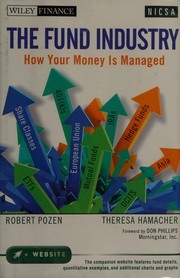
How mutual funds are structured, sold and regulated, from two industry insiders.
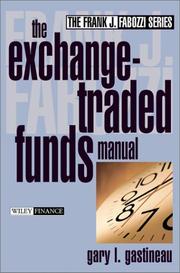
A technical reference on how exchange-traded funds are built and how they work.
Recommended by: Mohnish Pabrai
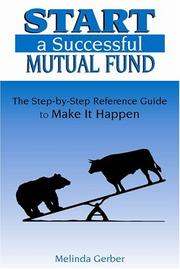
How to get a mutual fund off the ground: what to do, what it costs, how it works.
Recommended by: Mohnish Pabrai
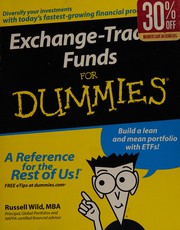
Exchange-traded funds explained in plain English: costs, risks and taxes.
Recommended by: Mohnish Pabrai
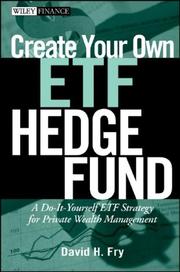
How individual investors can build a hedge-fund-style portfolio from ETFs.
Recommended by: Mohnish Pabrai
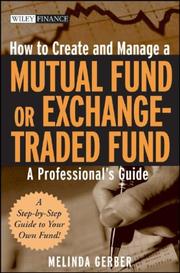
The 29 steps to start a mutual fund and the 36 steps to start an ETF.
Recommended by: Mohnish Pabrai
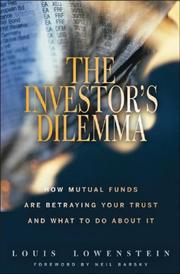
How the mutual fund industry works against its investors, and what to do.
Recommended by: Mohnish Pabrai
 John C. Boglewrote 4 books here
 Burton G. Malkielwrote 1 book here
 Mohnish Pabrairecommends 11 books here
 Michael Mauboussinrecommends 6 books hereJohn C. Boglerecommends 2 books here
 Warren Buffettrecommends 2 books here
 Jason Zweigrecommends 2 books here
 Charlie Mungerrecommends 1 book here
 Howard Marksrecommends 1 book here
 Marc Andreessenrecommends 1 book here
 Bill Millerrecommends 1 book here