
Netflixed: The Epic Battle for America's Eyeballs
The Netflix-Blockbuster fight, including the declined acquisition.
Summary
Keating, a Reuters reporter who covered the company, reconstructs Netflix from its 1997 founding through the Qwikster reversal of 2011. She corrects the origin story: Marc Randolph, not Reed Hastings, drove the early product work, the late-fee anecdote Hastings told for years does not match the record, and the subscription model emerged from experimentation rather than from an initial insight.
The operational material is the strongest part. Keating documents the distribution centre network that made one-day delivery possible, the Cinematch recommendation system and why it mattered for inventory economics, the throttling controversy over how heavy users were served, and the deliberate management of the DVD title mix to steer demand toward less-requested films. She covers the competitive war with Blockbuster in detail, including that Blockbuster Online was genuinely successful and was killed by a board fight and by Carl Icahn's intervention rather than by Netflix outcompeting it.
The book ends just as streaming became the main business, so it misses the content spending strategy, the international expansion and the shift to originals. That makes it a history of the DVD business rather than of the company as it now exists. Its value to founders and investors is the competitive detail: it shows a company winning on logistics and data rather than on a technology moat, and it shows an incumbent that responded correctly and still lost because of governance and balance sheet constraints. Keating writes as an outside reporter and Netflix did not cooperate, which shows in the thin interior view of executive decision-making.
Key takeaways 7
- Netflix's early advantage came from distribution centre placement and postal logistics that produced one-day delivery, not from software.
- The subscription with no due dates was arrived at through experimentation, and the founding story about a late fee is not supported by the record.
- The recommendation system existed to shift demand toward titles Netflix already held, which improved inventory economics as much as customer satisfaction.
- Blockbuster Online worked and was gaining subscribers, and it was terminated by a board conflict and Icahn's pressure rather than by competitive defeat.
- Blockbuster could not match Netflix's pricing because its store base and franchise agreements made cannibalisation immediately visible in reported results.
- Netflix deliberately deprioritised shipping to its heaviest users, which reduced cost per subscriber and produced litigation.
- Reed Hastings' willingness to damage the profitable DVD business in order to move to streaming was the decision that determined the company's survival, and the Qwikster execution of it was badly handled.
Who should read it
Founders and investors studying how a logistics and data advantage beats an incumbent, and how incumbent governance rather than strategy determines the response.
Who recommended it 1
Similar books 6
Chosen by shared topics, the entries that hold them, and the people who recommended both.

Insider account: Netflix co-founder, including the Blockbuster pitch.
Recommended by: Reed Hastings
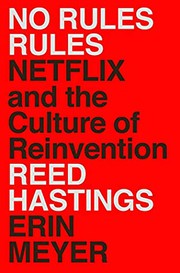
How Netflix built talent density and candour so it could remove controls.
Recommended by: Matt Mullenweg, Alex Lieberman, Ben Horowitz and 2 others
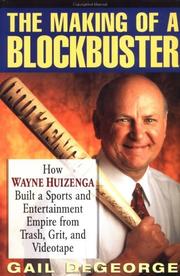
The one dedicated book: Huizenga's roll-up and the sale to Viacom.
“The Wayne Huizenga Story. On my Top Ten List. Awesome. An inspiration.” — Mohnish Pabrai
Source: Mohnish's Bookshelf — Books on Entrepreneurship, Management and Leadership, entry 270
Recommended by: Mohnish Pabrai

Redstone's memoir and his own case for buying and then shedding Blockbuster.

The streaming wars Netflix started, from the studios' side.
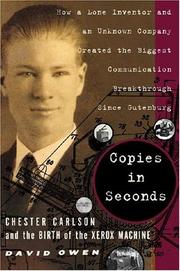
Chester Carlson and xerography, the invention that funded PARC.
Where it sits in the reference 4
Topics