Professional Services and Consulting
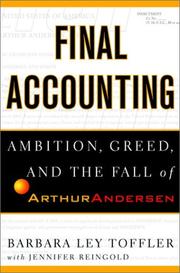
Fee income comes from leverage: a partner sells the work and associates deliver it, so profit per partner depends on the ratio of juniors to partners, on utilisation, and on the rate actually realised after write-offs. These firms hold no capital besides their people, so they compete hardest for graduates, enforce up-or-out promotion, and defend a brand that lets them charge for judgement a client cannot assess in advance. Demand tracks corporate confidence and rises again in restructuring, so the work changes shape through a downturn rather than disappearing. The literature covers the operating mechanics from Maister and Weiss, the client relationship, McKinsey's history and the case against it, and the audit firms whose independence conflicts ended Arthur Andersen.
10 books
Start here
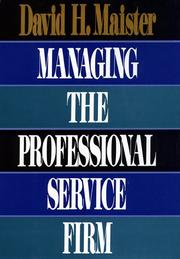
- Managing the Professional Service FirmDavid H. Maister, 1993
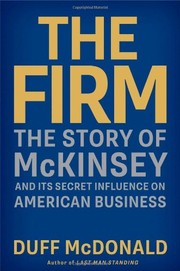
- The Firm: The Story of McKinseyDuff McDonald, 2013
- When McKinsey Comes to TownWalt Bogdanich, Michael Forsythe, 2022