Hotels and Hospitality
Hotel revenue is occupancy multiplied by average daily rate, and because most costs are fixed, each point of RevPAR falls almost intact to profit or loss. The large brands responded by separating the property from the business: an owner holds the building, a manager operates it for a fee, and the brand collects a franchise royalty and runs the loyalty programme that drives direct bookings, which is why Marriott paid $13 billion for Starwood in 2016. Airbnb competed for the same demand while owning no property, taking a percentage of host bookings. The literature covers Airbnb's founding and the wider sharing-economy contest, service standards from restaurateurs whose methods hotels copied, and a front-desk memoir on how rate, upgrades and tipping actually work.
Start here
- The Airbnb StoryLeigh Gallagher, 2017
- Setting the TableDanny Meyer, 2006
- Unreasonable HospitalityWill Guidara
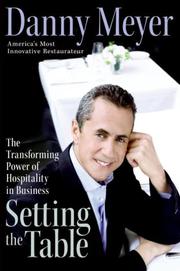
Enlightened hospitality: put employees first, then guests, community and investors.
Recommended by: Patrick Collison, Fred Wilson, Niki Scevak and 2 others

A decade working in hotels, from valet to front desk, and the hustles behind them.
Recommended by: Mohnish Pabrai
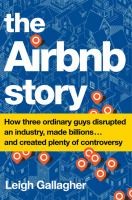
Airbnb from three air mattresses in 2007 to a global lodging business.
Recommended by: Brian Chesky, Reid Hoffman, Tony Hsieh
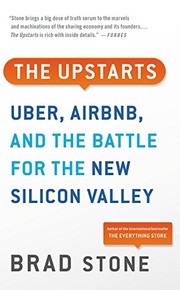
How Uber and Airbnb built businesses in regulated markets by acting first.
Recommended by: Sean Ellis


 Mohnish Pabrairecommends 1 book here
 Reid Hoffmanrecommends 1 book here
 Simon Sinekrecommends 1 book here
 Brian Cheskyrecommends 1 book here
 Fred Wilsonrecommends 1 book here
 Matt Mullenwegrecommends 1 book here
 Patrick Collisonrecommends 1 book here
 Tony Hsiehrecommends 1 book here