E-commerce and Online Retail
Online retailers work on thin gross margins and are judged on fulfilment cost per order, return rates and the price of paid traffic; scale pays because warehouse and software costs are fixed while shipping stays variable. Marketplaces invert the model, since third-party sellers own the inventory and the platform collects a referral fee of 8 to 15 percent plus fulfilment and advertising charges, which is where most of Amazon's retail profit growth came from alongside AWS. Growth pulled forward during 2020 and then reversed, leaving over-built capacity and a round of layoffs across the sector. The literature covers Amazon from the outside and from the inside, eBay and Alibaba as marketplaces, the contest with Walmart, and conditions in the warehouses that make same-day delivery work.
Start here
- The Everything StoreBrad Stone, 2013
- Working BackwardsColin Bryar, Bill Carr, 2021
- The Perfect StoreAdam Cohen, 2002
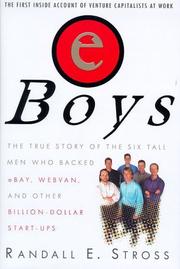
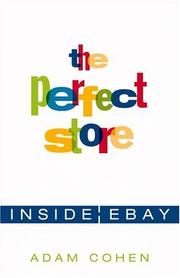
eBay: the cleanest early case of a pure marketplace take rate.
Recommended by: Ev Williams
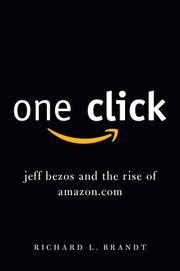
Jeff Bezos and Amazon's early years, from D. E. Shaw to the founding in 1994.
Recommended by: Mohnish Pabrai
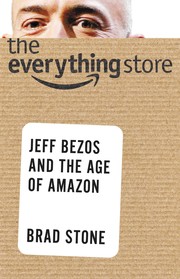
Amazon's first two decades, from an online bookshop to selling nearly everything.
Recommended by: Andrew Wilkinson, Mohnish Pabrai and 7 others

Insider account: an early Western executive on the eBay fight.


Amazon from 2010 to 2020: Alexa, AWS, logistics and its rise to the top.
Recommended by: Andrew Wilkinson
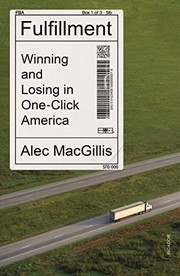
How Amazon's growth concentrated wealth in a few places and hollowed out others.
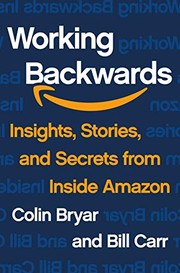
Amazon's operating mechanisms, from leadership principles to the six-page memo.
Recommended by: Jeff Bezos

Amazon against Walmart; the retail war told as strategy.

 Mohnish Pabrairecommends 2 books here
 Jeff Bezosrecommends 2 books here
 Doug McMillonrecommends 1 book here
 Drew Houstonrecommends 1 book here
 Ev Williamsrecommends 1 book here
 Matt Mullenwegrecommends 1 book here