Asset Management and Funds
Managers charge a percentage of assets, so revenue rises with markets and with flows rather than with skill, and the industry's central arithmetic is that investors as a group hold the market and pay costs out of its return. Fee compression has run for four decades: index funds charge single-digit basis points where active mutual funds charged 1 to 2 percent, and trillions of dollars have moved accordingly, leaving scale and distribution as the surviving advantages. Performance fees, closet indexing and the gap between fund returns and investor returns are the recurring disputes. The literature covers indexing's rise and its arithmetic, criticism of fund governance and hidden costs, and firm histories of T. Rowe Price and Capital Group that show how active houses were actually built.
Start here
- Winning the Loser's GameCharles D. Ellis, 1998
- Trillions: How a Band of Wall Street Renegades Invented the Index Fund and Changed Finance ForeverRobin Wigglesworth, 2021
- Common Sense on Mutual FundsJohn C. Bogle, 1999
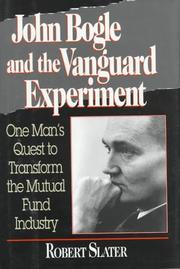
The only biography; stops two decades before indexing won.
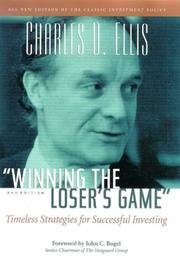
Why active investing became a loser's game, decided by errors, not by skill.
“In his marvelous book, Winning the Loser's Game, Charlie Ellis says” — Bill Miller
Source: Bill Miller 2Q 2020 Market Letter
Recommended by: Bill Miller, Mohnish Pabrai, Howard Marks
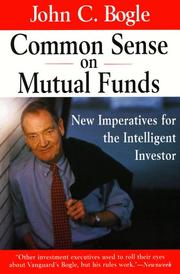
Vanguard's founder on costs, turnover and fund structure.
“Wonderful Book. I highly recommend all of John Bogle's writings to any investor.” — Mohnish Pabrai
Source: Mohnish's Bookshelf — Books on Investing & Capital Allocation, entry 50
Recommended by: Mohnish Pabrai, Jason Zweig and 3 others
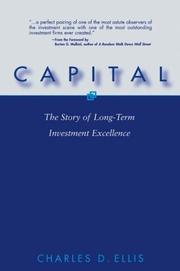
How Capital Group built its long-term investing culture.
Recommended by: Mohnish Pabrai
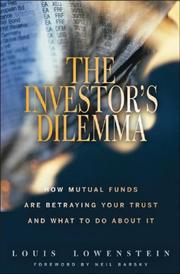
Recommended by: Mohnish Pabrai
Biography of the man who named and institutionalised growth investing.
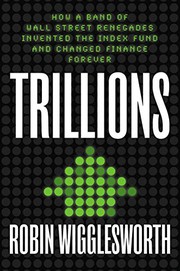
History of indexing; Bogle and Vanguard are its central thread.
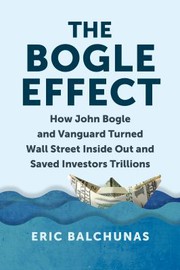
Bloomberg analyst on Vanguard's economics
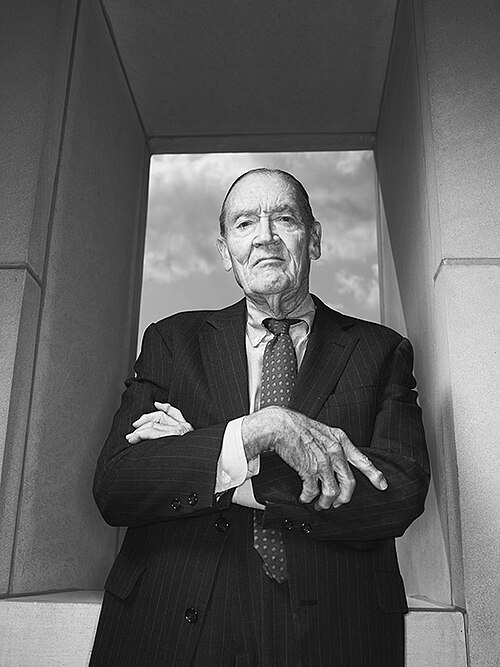
 Mohnish Pabrairecommends 4 books here
 Howard Marksrecommends 1 book here
 Warren Buffettrecommends 1 book here