
Index Investing versus Active Management
The costs argument, the arithmetic of active management, and the rise of the index fund.
Start here
- The Little Book of Common Sense InvestingJohn C. Bogle, 2007
- A Random Walk Down Wall StreetBurton Gordon Malkiel, 1973
- Winning the Loser's GameCharles D. Ellis, 1998

Why Wall Street grows rich on fees while its clients' results stay ordinary.
“recommended reading for those with a healthy disdain for Wall Street and its practices as well as an interest in post-boom psychology” — Nick Sleep
Source: Nomad Investment Partnership, Interim Report for the period ended June 30th, 2002, p. 10
Recommended by: Mohnish Pabrai, Nick Sleep, Warren Buffett and 4 others
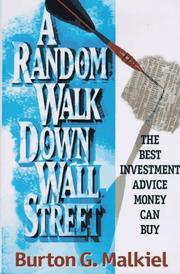
Stock prices follow a random walk, so a low-cost index fund beats stock picking.
Recommended by: Nat Eliason, Mohnish Pabrai
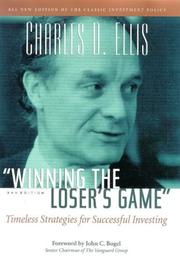
Why active investing became a loser's game, decided by errors, not by skill.
“In his marvelous book, Winning the Loser's Game, Charlie Ellis says” — Bill Miller
Source: Bill Miller 2Q 2020 Market Letter
Recommended by: Bill Miller, Mohnish Pabrai, Howard Marks

Vanguard's founder on costs, turnover and fund structure.
“Wonderful Book. I highly recommend all of John Bogle's writings to any investor.” — Mohnish Pabrai
Source: Mohnish's Bookshelf — Books on Investing & Capital Allocation, entry 50
Recommended by: Mohnish Pabrai, Jason Zweig and 3 others
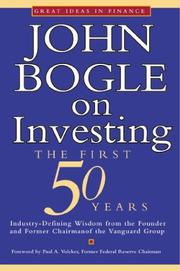
Fifty years of speeches and essays arguing for low-cost index funds.
Recommended by: Mohnish Pabrai, Mr. Money Mustache
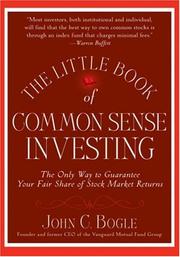
After costs, most investors trail the market, so hold a low-cost index fund.
Recommended by: Mohnish Pabrai, The Barefoot Investor and 4 others

US returns since 1802 show stocks beat bonds and cash over every long period.
“his book "Stocks for the Long Run" contributed greatly to the bull market's middle years” — Howard Marks
Source: Oaktree memo 'Irrational Exuberance'
Recommended by: Howard Marks

History of indexing; Bogle and Vanguard are its central thread.

Common investing mistakes catalogued by a working asset manager
“Barry Ritholtz dreamed up the perfect concept and wrote the perfect book to suit it” — Christopher Bloomstran
Source: Semper Augustus 2025 Letter to Clients, 'Books and Music', p. 88
Recommended by: Christopher Bloomstran
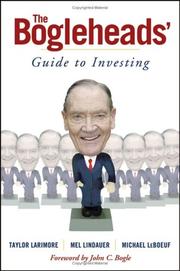
The practical application of Bogle's rules to a household portfolio.
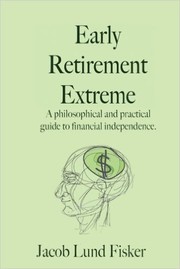
Jacob Lund Fisker's book is the most rigorous and demanding text on this list. A physicist by training, he builds a systems-theory framework for early retirement that requires roughly a 25% savings rate as a floor. It is less a personal-finance manual than a critique of consumer society, and it will unsettle readers who found the Bogleheads comfortable.
Recommended by: Nat Eliason
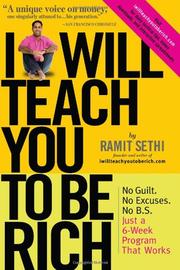
A six-week programme to automate banking, credit, saving and investing.
Recommended by: Mohnish Pabrai, Nat Eliason and 3 others

Nick Maggiulli's book is the most data-driven on this list. He tests conventional personal-finance advice — lump-sum vs. dollar-cost averaging, whether to pay off debt before investing, how much to spend in retirement — against historical evidence. Several standard answers turn out to be wrong or context-dependent, and Maggiulli is honest about the uncertainty.
Recommended by: Morgan Housel
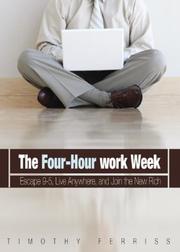
Tim Ferriss's book belongs on a personal-finance list not for its investment advice but for its income argument: the fastest way to reach financial independence may be redesigning how and where you work rather than cutting spending to the bone. The 'new rich' framework is deliberately provocative, and the specific tactics age poorly, but the income-side case remains underweighted in most FIRE writing.
Recommended by: Andrew Wilkinson, Ev Williams and 20 others
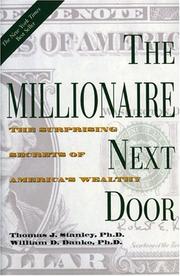
Survey research showing most American millionaires live modestly and save hard.
Recommended by: Mohnish Pabrai, Andrew Lokenauth and 2 others
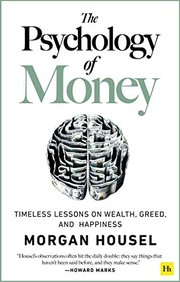
Twenty short essays on why behaviour matters more than knowledge with money.
“…books I've recommended, highlighted to death, or forced on friends.” — Andrew Wilkinson
Source: Andrew Wilkinson's Bookshelf, neverenough.com
Recommended by: Andrew Wilkinson, Nat Eliason, Ali Abdaal and 10 others

JL Collins distilled his 'stock series' blog posts into this short, opinionated guide. The core advice is stark: invest in VTSAX, avoid debt, and ignore the noise. Collins wrote it as a letter to his daughter, and that framing keeps it practical rather than academic. The FIRE community treats it as essential background reading.
Recommended by: Mr. Money Mustache
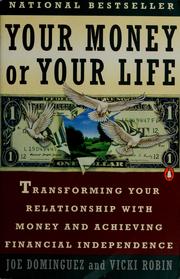
A nine-step programme that counts spending in hours of life energy.
Recommended by: Ali Abdaal, Graham Stephan and 1 other


Recommended by: Mohnish Pabrai

Recommended by: Tim Ferriss
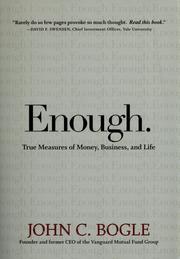
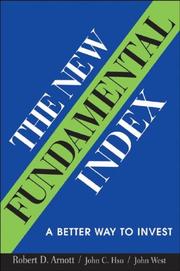
Recommended by: Mohnish Pabrai

Recommended by: Mohnish Pabrai

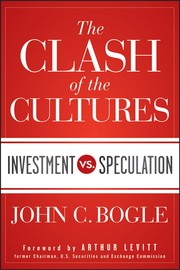
How speculation displaced long-term investment in markets, shown in turnover data.
“I also recommend The Clash of the Cultures by Jack Bogle” — Warren Buffett
Source: 2012 Berkshire Hathaway Shareholder Letter, p. 21
Recommended by: Mohnish Pabrai, Warren Buffett and 1 other

Founder account of Vanguard, the mutual structure applied to fund management.
Recommended by: Mr. Money Mustache
 John C. Boglewrote 7 books here
 Jeremy Siegelwrote 1 book here
 Robert D. Arnottwrote 1 book here
 Ramit Sethiwrote 1 book here
 Tony Robbinswrote 1 book here
 Mohnish Pabrairecommends 14 books here
 Warren Buffettrecommends 4 books here
 Howard Marksrecommends 3 books here
 Graham Stephanrecommends 3 books here
Show all 44
 Tim Ferrissrecommends 2 books here
 Charlie Mungerrecommends 1 book here
 Simon Sinekrecommends 1 book here
 Blake Mycoskierecommends 1 book here
 Eric Weinsteinrecommends 1 book here
 Ev Williamsrecommends 1 book here
 Laura R Walkerrecommends 1 book here
 Michael Bloombergrecommends 1 book here
 Palmer Luckeyrecommends 1 book here
 Tristan Harrisrecommends 1 book here