Apparel, Fashion and Footwear
Apparel profit depends on full-price sell-through, because a season's markdowns take back the margin on everything that did sell, so buying accuracy, fit and speed to shelf matter more than manufacturing, which the brands outsource. Zara built an advantage out of a design-to-shelf cycle measured in weeks against a wholesale calendar planned a year ahead, and Nike turned athlete contracts and advertising into pricing power over shoes made by contractors in Asia. The cycle is seasonal, fashion risk is high, and the industry keeps relocating production toward cheaper labour. The literature covers founder accounts from Knight, Chouinard and Bean, the Adidas and Puma rivalry, the collapse of designer-led fashion into brand licensing, and the cotton and garment supply chain from the nineteenth-century mills to today's factories.
Start here
- Shoe DogPhil Knight, 2016
- The Man from ZaraCovadonga O'Shea, 2012
- The Travels of a T-Shirt in the Global EconomyPietra Rivoli, 2005
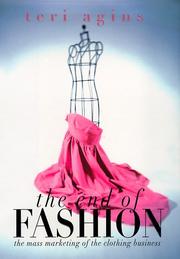
How fashion became a branded consumer-goods business.

Patagonia's founder on running a business against conventional growth logic
Recommended by: Nat Eliason, Patrick Collison, David Cancel and 3 others
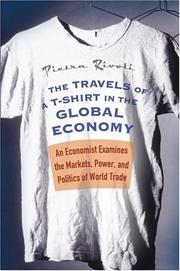
One T-shirt traced from a Texas cotton farm to a Chinese factory and beyond.

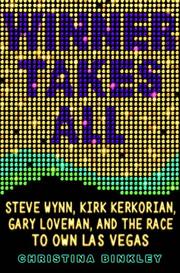
Wynn, Adelson, Kerkorian and the megaresort capex race.
Recommended by: Mohnish Pabrai

Amancio Ortega and Zara's fast-fashion model of short cycles and nearby factories.

Dhaka's garment industry from Rana Plaza back through its supply chain.
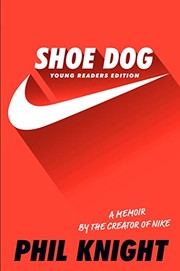
How a running-shoe importer became Nike, surviving one cash crisis after another.
“…books I've recommended, highlighted to death, or forced on friends.” — Andrew Wilkinson
Source: Andrew Wilkinson's Bookshelf, neverenough.com
Recommended by: Andrew Wilkinson, Bill Gates, Mohnish Pabrai and 25 others
 Mohnish Pabrairecommends 2 books here
 Warren Buffettrecommends 1 book here
 Brad Feldrecommends 1 book here
 Alexis Ohanianrecommends 1 book here
 Alfred Linrecommends 1 book here
 Bill Gatesrecommends 1 book here
Show all 32
 Bill Gurleyrecommends 1 book here
 Brian Armstrongrecommends 1 book here
 Jason Calacanisrecommends 1 book here
 Jeff Bezosrecommends 1 book here
 Patrick Collisonrecommends 1 book here
 Reed Hastingsrecommends 1 book here
 Satya Nadellarecommends 1 book here
 Trevor Ncuberecommends 1 book here
 Vlad Tenevrecommends 1 book here