
Ray Dalio
Founder and former co-CIO, Bridgewater Associates 1975-2022
Principles and the debt-cycle template are primary sources that a large secondary literature now builds on.
5 books of their own · 2 biographies about them · 23 letters · 12 articles · 64 books they recommend
Books they wrote 5
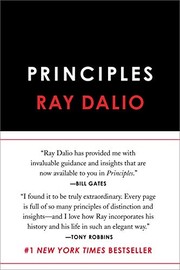


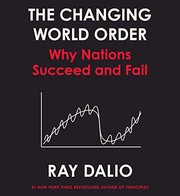

Biographies about them 2
One investigative biography; Dalio's own Principles is the counter-narrative and belongs in the author files.

Letters 23
Bridgewater's Daily Observations go to clients and counterparties only and have never been published; bridgewater.com/research-and-insights carries firm-authored pieces rather than Dalio's client letters. What is public is his own research series at economicprinciples.org. The free full text of Big Debt Crises is not posted there, but the successor study How Countries Go Broke is, in four parts plus the full book PDF. His running essay series is now Principled Perspectives on Substack (raydalio.substack.com), which superseded the LinkedIn essays he published from 2015 to 2022 (linkedin.com/in/raydalio/recent-activity/articles/); those are recorded under articles.
- How Countries Go Broke: The Big Cycle (complete study)2025 · Economic Principles research paper
- How Countries Go Broke, Part 12025 · Economic Principles research paper
- How Countries Go Broke, Part 22025 · Economic Principles research paper
- How Countries Go Broke, Part 32025 · Economic Principles research paper
- How Countries Go Broke, Part 42025 · Economic Principles research paper
- How Countries Go Broke — references2025 · Economic Principles research paper
- Investing in Light of the Big Cycle2025 · Economic Principles research paper
- The Changing World Order — country power index appendix (2022 update)2022 · Economic Principles research paper
- The Big Cycle of External Order and Disorder2021 · Economic Principles research paper
- The Changing World Order — country power index appendix2021 · Economic Principles research paper
- The Changing World Order — the power index2021 · Economic Principles research paper
- The Changing World Order — citations and bibliography2021 · Economic Principles research paper
- Large Drivers of Life Expectancy Through Time2021 · Economic Principles research paper
- Principles for Dealing with the Changing World Order — chart pack2021
- A Deeper Look at Capital Wars2020 · Economic Principles research paper
- Why and How Capitalism Needs To Be Reformed2019 · Economic Principles research paper
- Paradigm Shifts2019 · Economic Principles research paper
- MP3 and Modern Monetary Theory2019 · Economic Principles research paper
- Why Capitalism Is Failing2019 · Economic Principles research paper
- A Primer on Universal Basic Income2017 · Economic Principles research paper
- Populism: The Phenomenon2017 · Economic Principles research paper
- Our Biggest Economic, Social, and Political Issue: The Two Economies2017 · Economic Principles research paper
- How the Economic Machine Works: Leveragings and Deleveragings2012 · Economic Principles research paper
Articles and essays 12
- A Clear and Classic Big Test of U.S. PowerPrincipled Perspectives, 2026
- How Countries Go Broke: The Dynamic Behind What is Happening NowPrincipled Perspectives, 2026
- The Tribute System: The New World OrderPrincipled Perspectives, 2026
- Why I Recommend Being a Global Macro Long-Short InvestorPrincipled Perspectives, 2026
- The Concept and Mechanics of an All Weather PortfolioPrincipled Perspectives, 2026
- Investing In Light Of The Big CyclePrincipled Perspectives, 2026
- It's Official: The World Order Has Broken DownPrincipled Perspectives, 2026
- Gold is the Safest MoneyPrincipled Perspectives, 2026
- How Countries Go Broke (study landing page)Economic Principles, 2025
- The Changing World Order (study landing page)Economic Principles, 2021
- Why and How Capitalism Needs To Be Reformed (essay landing page)Economic Principles, 2019
- How the Economic Machine WorksEconomic Principles, 2013
Blog
Books they recommend 64
Dalio has described his reading practice in interviews, on LinkedIn, and in the bibliographies of his own books. The common thread is what he calls 'timeless and universal' patterns: debt cycles, reserve currency transitions, the internal decay of democracies, the mechanics of war. He gravitates toward books that span centuries rather than decades. The list is assembled from Bridgewater's published reading recommendations, Dalio's LinkedIn posts, references embedded in The Changing World Order, and interviews with institutions like the Council on Foreign Relations.
Book recommendations listed on their Good Books profile 34
Psychology and Behaviour 11

Science 6
Biography and Memoir 4
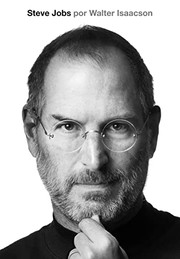
General History 2
Biography of Scientists 2
Religion and Spirituality 2
Leadership 2
Business and Management 2
Travel and Exploration 1
War and Strategy 1
Medicine and Biology 1
Superbook reading list 15
Not yet given a topic 5
Financial History 3
General History 2
Politics and Government 2
Economics 2
Business and Management 1
The Tim Ferriss Show #264 — full transcript, Ray Dalio (he names his current stack and 'the three books I'd give every graduating senior') 9
Science 2
Psychology and Behaviour 1
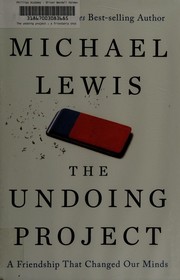
Philosophy 1
Economics 1
General History 1
Medicine and Biology 1
Biography of Scientists 1
Not yet given a topic 1
World Book Day post, April 2023 3
Science 1
General History 1
Philosophy 1
The Tim Ferriss Show #264 — official transcript 1
Finance and Markets 1
Dalio on giving Duhigg's book to everyone at Bridgewater 1
Productivity and Habits 1
Ray Dalio Reddit AMA, r/IAmA (u/RayTDalio) 1
General History 1
Where they publish 10
- Ray Dalio's World Book Day post naming the books that inspired him
- Ray Dalio on The Tim Ferriss Show, official transcript
- Investment Masters Class book recommendations
- Good Books — Ray Dalio profile
- Superbook reading list
- Bridgewater Associates reading list (archived)
- Ray Dalio, The Changing World Order (bibliography)
- Ray Dalio LinkedIn — recommended readings post, 2021
- Council on Foreign Relations interview with Ray Dalio, 2022
- The Tim Ferriss Show #264 episode page — 'Selected Links from the Episode'