Pricing and Pricing Power
A one percent rise in realised price adds more to operating profit than a one percent rise in volume or a one percent cut in cost, yet most companies still set prices from cost plus a margin and discount whenever a salesperson asks. Simon and Nagle teach the alternative, which is to measure what the customer gains, segment by willingness to pay, and design the offer and the discount rules around that. Poundstone collects the psychology of anchors, reference points and decoy options that make the same number read as cheap or dear. Kapferer and Bastien explain why luxury houses raise prices to raise demand and refuse the discounting that other consumer businesses depend on, Helmer identifies where durable pricing power comes from in the first place, and Simon's Hidden Champions shows mid-sized specialists charging premiums in narrow global niches.
Start here
- Confessions of the Pricing ManHermann Simon, 2015
- The Strategy and Tactics of PricingThomas T. Nagle, Reed K. Holden, 1987
- PricelessWilliam Poundstone, 2010
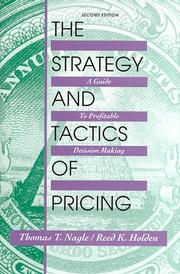
Set prices from the value customers get, not from cost or rivals' prices.

Little-known mid-sized firms, mostly German, that lead world niche markets.
The standard analytical text on the LVMH-style brand model.
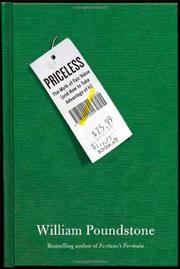
People have no fixed sense of value, so context and anchors set the prices they pay.
Recommended by: Mohnish Pabrai, Patrick O'Shaughnessy
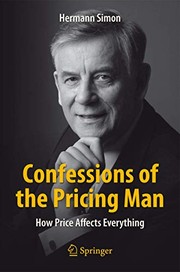
Price is the strongest profit lever and the least managed; how to set it well.
Recommended by: Michael Mauboussin
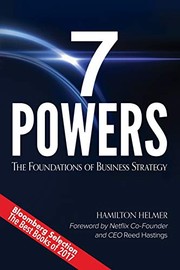
Seven sources of lasting advantage, each a benefit plus a barrier to rivals.
Recommended by: Alex Lieberman, Brett Adcock, Daniel Ek and 6 others
 Mohnish Pabrairecommends 1 book here
 Guy Spierrecommends 1 book here
 Brett Adcockrecommends 1 book here
 Daniel Ekrecommends 1 book here
 Keith Raboisrecommends 1 book here
 Reed Hastingsrecommends 1 book here
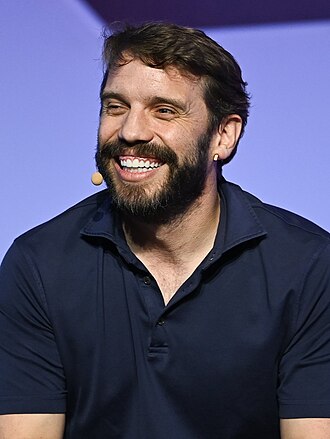 Ryan Petersonrecommends 1 book here