Updates

  1. Person pages list letters, writing, profiles and links as sortable tables with filters, and show each person's companies as links; Fund letters show each letter's description in its own column.
  2. Experts show a checked job title and a short description of each person; 30 more people have photographs.
  3. Every company, fund, university and publication the experts work for has a page listing the people there.
  4. Fund letters show each letter's thesis and filter by it; 225 person pages list the essays, columns and newsletter issues the person wrote.
  5. Person pages list every essay and newsletter issue a person wrote, and their own books as a table in List view.
  6. Recommends shows the five largest kinds of book and the rest under More; browse pictures load sooner.
  7. Podcasts and talks link the original episode, filter by Audio and video or Press, and list each publisher once.
  8. Pages are wider, Recommends has List and Grid, and a filter clicked again turns off.
  9. Book cards sit in a ruled grid with Open Library and Goodreads links and each book's one-line note.
  10. Funds is now Investors; each investor's styles are buttons that filter the table.
  11. Podcasts and talks on a person's page filter by year and publisher and show as a list or a grid of pictures.
  12. Quotes show only people's own words: 472 summaries written by list sites are gone.
  13. Country pages open from Browse again, and every link on the shelf lands on a page.
  14. Subject and person pages show their sections as tabs, and each book appears once on a person's page.
  15. Book cards show the quote, who said it and the source; grids show five cards to a row.
  16. On a phone, a menu holds the sections, search, Updates, Feedback and dark mode.
  17. Feedback takes a screenshot of the page with no browser prompt, opens a screenshot full size when you click it, and clears itself once sent.
  18. Book cards are centred, search names the topic each book sits in, and any text cut short shows whole on hover.
  19. Search groups its results by kind: people, companies, geographies, subjects, topics, books, funds, fund letters and papers.
  20. The Books table lists who recommended each book by name, and the browser tab names the section you are in.
  21. Feedback can take a screenshot of the page, or one you paste or choose, and opens in the corner beside Updates.
  22. Each rail button reopens its section where you left it, and Browse, Table and People show on every book and subject page.
  23. Filters grey out choices that hold nothing instead of hiding them, and Books › People filters by authors or recommenders.
  24. Feedback takes a subject line and up to three screenshots.
  25. Biographies are grouped by the person they are about: 41 new pages, from Abraham Lincoln to Lee Kuan Yew.
  26. Sport splits into 23 sports, and Religion into one topic per faith.
  27. Book lists show as cards: the cover, one recommendation quote and every recommender by name.
  28. Seventeen subjects that had two or three pages under different names now have one page each.
  29. Every page lists its Experts as authors and recommenders, with a link to them on the Experts tab.
  30. Economics, Financial history, Financial panics and Accounting are subjects of their own, with one page per financial crisis.
  31. Book, person and subject pages open inside the app, so the tabs stay in view.
  32. 996 more book covers, and photographs or logos for 227 more people and companies.
  33. Books › Browse shows every subject as cards, and the rail holds Fund letters, Papers, Experts, Books and Funds.
  34. Every topic over 150 books splits into narrower topics, each with a page of its own.

Send feedback

What is it?
Screenshots, up to 3 (optional)
or paste one with Ctrl+V

We use your email only to reply to you.

Contrarian Investing

Taking the other side of consensus on purpose, and the temperament required to hold it.

Start here

  1. The Most Important ThingHoward Marks, 2011
  2. Anatomy of the BearRussell Napier, 2005
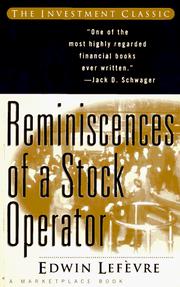
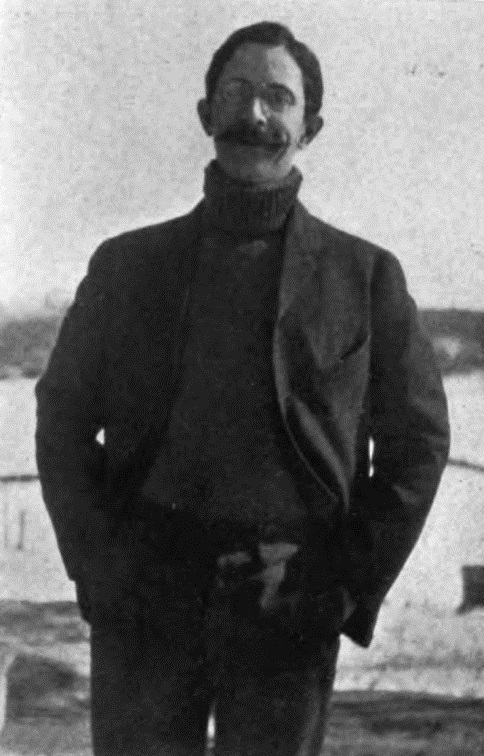
Edwin Lefèvre · 1923

A speculator modelled on Jesse Livermore learns to read and trade the market.

“The finest trading book ever written is Reminiscences of a Stock Operator by Edwin LeFevre. It is colloquial reminiscences by a legendary speculator of the mistakes and lessons he learned over a…” — Barton Biggs

Source: Biggs calling it the finest trading book ever written

Recommended by: Barton Biggs, Bill Miller, Colm O'Shea and 5 others
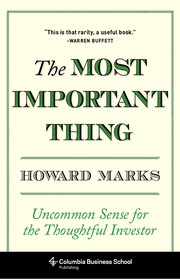
Howard Marks · 2011

Second-level thinking, risk and market cycles, drawn from Oaktree's client memos.

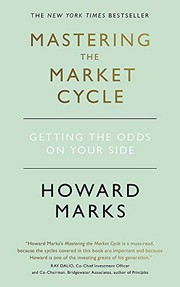
Howard Marks · 2018

Cycles can't be timed, but knowing where you stand in one lets you adjust risk.

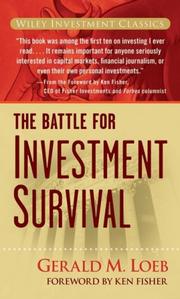
Gerald M. Loeb · 1935

Against buy-and-hold: a few well-known positions, actively run, or else cash.

“The second book I read as a young investor was Gerald Loeb's Battle for Investment Survival, first published in 1934, the same year Ben Graham's seminal Security Analysis hit the bookstores, which…” — Frank Martin

Source: Martin on the second book he read as a young investor

Recommended by: Frank Martin
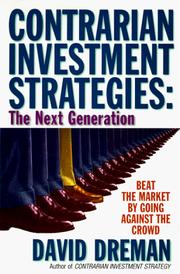
David Dreman · 1979

Data showing that low-expectation stocks beat popular ones over the long run.

“all these people really were helpful in forming and getting me involved in investing” — Joel Greenblatt

Source: Masters in Business transcript: Joel Greenblatt (2018)

Recommended by: Joel Greenblatt, Mohnish Pabrai and 1 other
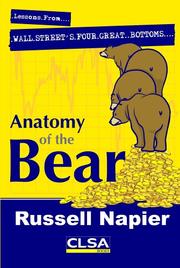
Russell Napier · 2005

What markets looked like at the US stock bottoms of 1921, 1932, 1949 and 1982.
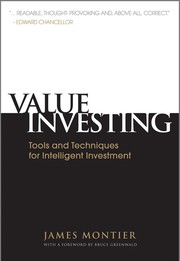
James Montier · 2009

Value investing joined with behavioural finance, from a strategist's research notes.

Recommended by: Mohnish Pabrai
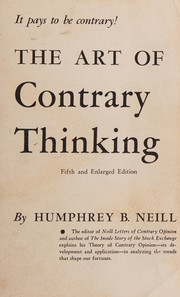
Humphrey B. Neill · 1954

Essays on reading crowd opinion as a signal to think the opposite.
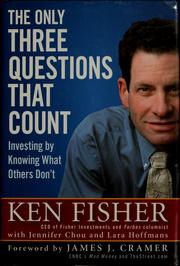
Ken Fisher · 2006

Reissued 2012 as The Only Three Questions That Still Count.
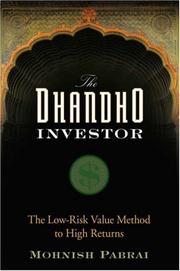
Mohnish Pabrai · 2007

The explicit argument for cloning rather than originating ideas.

“It is, without a doubt, my most recommended book on investing” — Andrew Wilkinson

Source: @awilkinson on X, 22 May 2024

Recommended by: Andrew Wilkinson, Guy Spier and 1 other
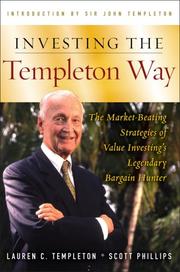
Lauren Templeton, Scott Phillips · 2008

How Templeton bought maximum pessimism across global markets.

Jim Rogers · 2009

Also issued as A Gift to My Daughters.

Recommended by: Mohnish Pabrai

More investment styles