Behavioural Edge and Market Psychology
Treating other investors' predictable errors as the source of return, and one's own as the main risk.
49 books · 29 people behind it · 3 reading lists
Start here
- The Psychology of MoneyMorgan Housel, 2020
- Thinking, Fast and SlowDaniel Kahneman, 2011
- Your Money and Your BrainJason Zweig, 2007
The people behind it 29
Each person holds a book in this entry or names it in their own tags.
Investors 12
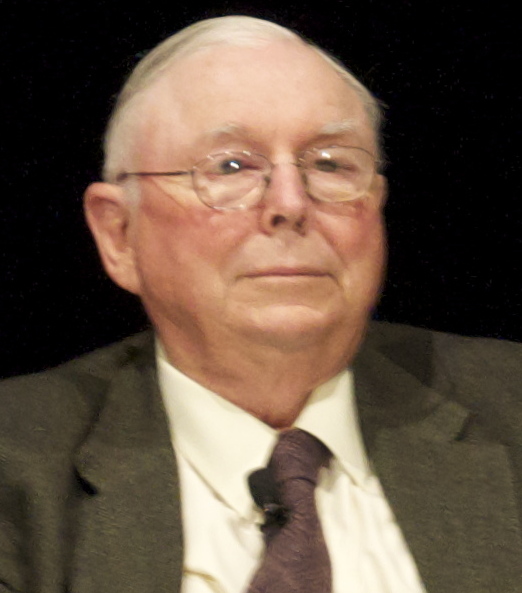 Charlie Munger1 book here
 Howard Marks1 book here
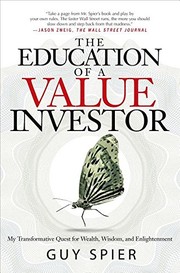
 Guy Spier1 book here
 Clifford Asnessnamed in their tags
 Whitney Tilsonnamed in their tags
Academics 10
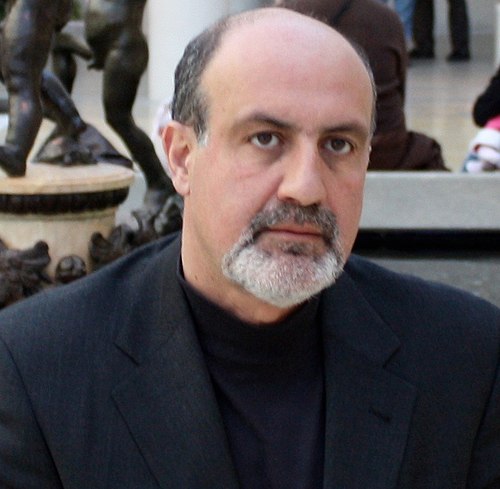 Nassim Nicholas Taleb3 books here
 Richard H. Thaler3 books here
 Daniel Kahneman2 books here
 Andrew W. Lonamed in their tags
 Robert J. Shillernamed in their tags
Strategists 2

Journalists 5
 Michael Lewis1 book here
 Edwin Lefevrenamed in their tags
Reading list — Essential Cognitive biases and decision flaws reading list · Superbook
10 books, in the order the list argues for
The literature on cognitive biases has a clear founding moment — the collaboration between Daniel Kahneman and Amos Tversky in the 1970s — and the reading list below traces the arc from that origin through its practical applications and its critics. Kahneman's own synthesis is the natural starting point, but the arc grows richer when paired with Ariely's behavioral-economics experiments, which shift the focus from l
Sources: Kahneman, Sibony & Sunstein — Noise (Penguin, 2021) · Charlie Munger — The Psychology of Human Misjudgment (1995 lecture, Harvard Law School) · Dan Ariely — Predictably Irrational, TED Talk (2009) · Michael Lewis — The Undoing Project (W. W. Norton, 2016)
Reading list — The best books on behavioral economics · Superbook
12 books, in the order the list argues for
The reading arc here starts with the empirical foundation: Kahneman's slow unpacking of System 1 and System 2 thinking, and the Nobel Prize-winning research on prospect theory and heuristics that preceded it. Ariely and Thaler then extend that foundation in different directions — Ariely into the everyday irrationality of markets and relationships, Thaler into what institutions and policymakers can do about it. From
Sources: Kahneman's Nobel Prize lecture (2002) · Thaler's Nobel Prize lecture (2017) · Ariely's TED talk: Are we in control of our own decisions? · Kahneman & Tversky: Prospect Theory (Econometrica, 1979)
Reading list — The best books on money and psychology · Superbook
10 books, in the order the list argues for
The arc of this list moves from behavior to belief to system. It starts with the empirical: Housel's observation that financial outcomes depend less on intelligence than on temperament and time horizon, and Kahneman and Tversky's downstream influence on how we understand loss aversion and the way framing warps choices about money. Ariely's work on mental accounting and Thaler's on the endowment effect sit in this em
Sources: Morgan Housel: The Psychology of Money (Collaborative Fund blog) · Brad Klontz: Money Scripts research overview · Mullainathan & Shafir: Scarcity (Science, 2012) · Jason Zweig: Your Money and Your Brain interview