Classic novels and stories
Novels and short stories from before about 1970 that stay in print and on syllabuses, from Austen, Tolstoy and Dickens to Hemingway, Kafka, Camus and Borges.
Start here
- The JungleUpton Sinclair, 1906
- The New AtlantisFrancis Bacon, 1627
- Resurrection from the UndergroundRene Girard, 1963
- Robinson CrusoeDaniel Defoe, 1686
- CandideVoltaire, 1759
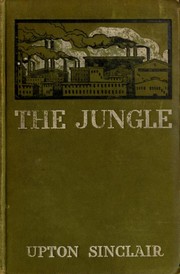
A novel of a Lithuanian immigrant family ruined in Chicago's meatpacking yards.
Recommended by: Nat Eliason, Benedict Evans
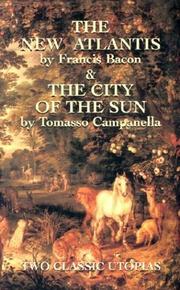
An unfinished utopia built around organised scientific research.
Recommended by: Patrick Collison, Peter Thiel
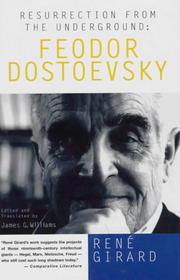
Dostoevsky read through mimetic rivalry and resentment.
Recommended by: Peter Thiel
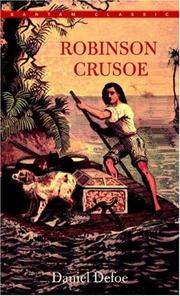
A shipwrecked Englishman survives for nearly thirty years on a deserted island.
Recommended by: Patrick Collison
A young man taught that all is for the best is thrown out into a cruel world.
Recommended by: Mohnish Pabrai, Ryan Holiday
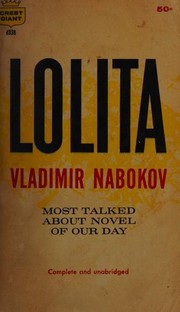
A professor tells of his obsession with a girl of 12 he abuses as her stepfather.
Recommended by: Ev Williams, Mario Gabriele
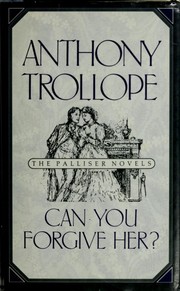
The first Palliser novel: Alice Vavasor's choice between two very different suitors.
Recommended by: Tim O’Reilly
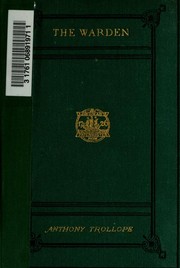
A scandal over a church almshouse disturbs a quiet cathedral town.
Recommended by: Tim O’Reilly
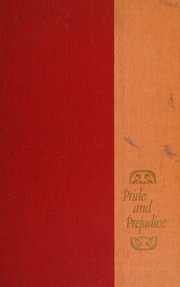
Elizabeth Bennet learns the cost of hasty judgment, in a novel of manners.
Recommended by: Mohnish Pabrai, David Kadavy, Tim O’Reilly
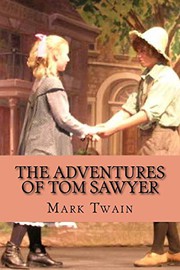
A boy's adventures beside the Mississippi River in the 1840s.
Recommended by: Richard Branson
Stephen Dedalus grows up in Dublin, feeling different from the other boys.
Recommended by: Patrick Collison

A young woman's struggles with parental authority and courtship.
Recommended by: Paul Graham
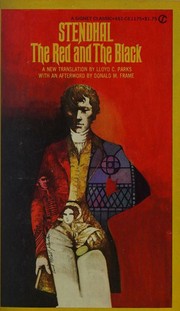
An ambitious young provincial rises in French society through hypocrisy and deceit.
Recommended by: Tyler Cowen
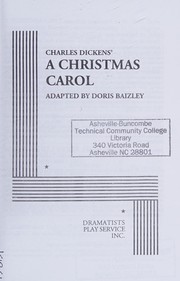
The first edition of the Christmas ghost story, with its illustrations and notes.
Recommended by: Meg Whitman
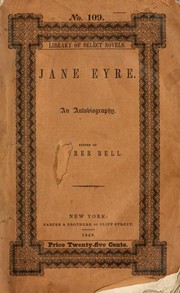
An orphan's life from abuse and school to governess, and her love for her employer.
Recommended by: Sophie Bakalar
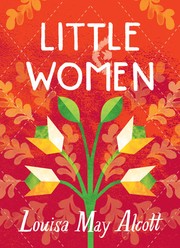
A novel of the four March sisters growing up during the Civil War.
Recommended by: Audrey Gelman
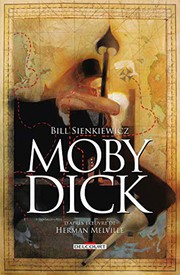
Captain Ahab drives his whaling crew to hunt the white whale that maimed him.
“Melville, Herman, Moby-Dick (New York: Harper & Brothers, 1851)” — Michael Mauboussin
Source: Capital Ideas Revisited: The Prime Directive, Sharks, and The Wisdom of Crowds, page 16
Recommended by: Jim Collins, Michael Mauboussin, Steve Jobs
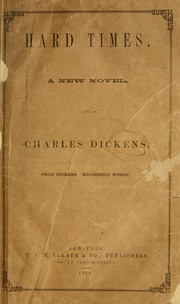
A novel of Victorian industrial society and its utilitarian schooling.
Recommended by: Patrick Collison
The education of the orphan Pip and his great expectations.
Recommended by: Richard Branson, Oprah Winfrey
Napoleon's invasion of Russia, followed through Pierre, Prince Andrei and Natasha.
“But War and Peace is still clearly better than Anna Karenina, which is more of a mono novel, and less complex and sprawling, right?” — Tyler Cowen
Source: Dan Wang on What China and America Can Learn from Each Other (Ep. 263) | Conversations with Tyler
Recommended by: Jim Collins, Mohnish Pabrai and 3 others
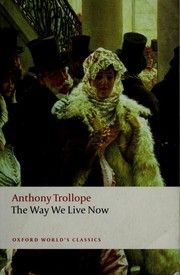
A swindling financier buys his way into Victorian society by playing on its greed.
Recommended by: Tim O’Reilly
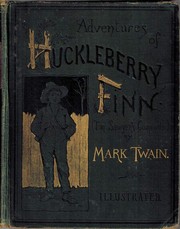
Huck Finn tells of his journey along the Mississippi River in the American South.
Recommended by: Jim Collins, Mohnish Pabrai, Richard Branson
A blow to the head sends a Yankee to King Arthur's kingdom, which he modernises.
Recommended by: Balaji S. Srinivasan
A young man trades his soul for eternal youth and leads a corrupt double life.
Recommended by: Sam Altman
An artist's model in Paris falls under the spell of the musician Svengali.
Recommended by: Tim O’Reilly
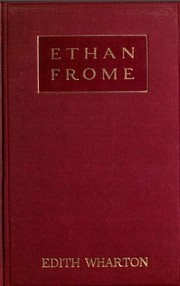
A novella framed by an engineer stranded in a New England town for a winter.
“Other books that I have found to be really great that I've read in the past year are - a really wonderful book, A Tomb for Boris Davidovich by Danilo Kis; Hannah Versus the Tree by Leland de la Durantaye; Ethan Frome by Edith Wharton.” — Caterina Fake
Source: The Tim Ferriss Show Transcripts: Caterina Fake (#360)
Recommended by: Caterina Fake
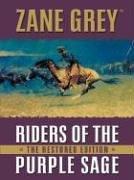
A Western of a rancher, Jane Withersteen, resisting the elders of her Mormon church.
Recommended by: Tim O’Reilly
Recommended by: Patrick Collison
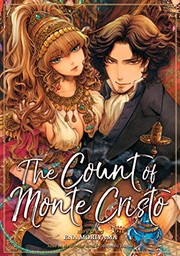
A sailor jailed for treason he did not commit escapes and takes his revenge.
“In Alexandre Dumas’ famous novel, The Count of Monte Cristo, the author states that the expression that defines him is cupitor impossibilium.” — Francois Rochon
Source: Giverny Capital Annual Letter to Partners 2019, page 4
Recommended by: Francois Rochon, Patrick Collison and 2 others
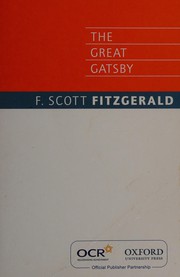
A novel of a rich man of unknown origin on Long Island and the woman he wants back.
Recommended by: Jim Collins, Mohnish Pabrai and 5 others
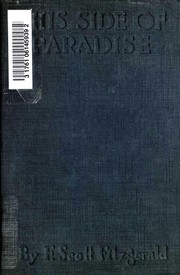
A semi-autobiographical novel of an idealistic Princeton student.
Recommended by: Mohnish Pabrai
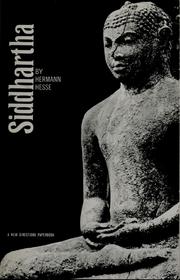
A novel of a Brahmin's son in ancient India who seeks understanding his own way.
Recommended by: Jim Collins, Mohnish Pabrai, Naval Ravikant and 6 others
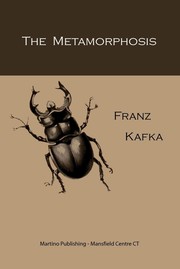
A man wakes one morning to find himself turned into a giant insect.
Recommended by: Joel Connolly
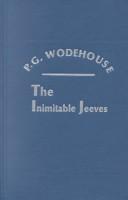
Bertie and Jeeves help, and sometimes hinder, the love-struck Bingo Little.
Recommended by: Jessica Livingston, Paul Graham
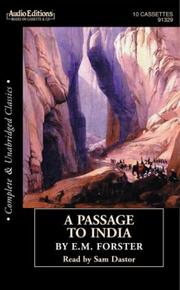
Two Englishwomen arrive in an Indian town and feel trapped by its Anglo-India.
Recommended by: Jim Collins, Mohnish Pabrai
A bank officer is arrested and must defend himself against a charge no one explains.
Recommended by: David Heinemeier Hansson, Kara Swisher and 1 other
A poor former student in Saint Petersburg murders a pawnbroker with an axe.
Recommended by: Jim Collins, Mario Gabriele
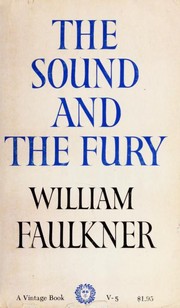
An experimental novel that tells one family's story from four points of view.
Recommended by: Jim Collins, Mohnish Pabrai, Oprah Winfrey
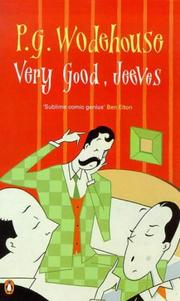
Eleven Jeeves stories, among them "Jeeves and the Impending Doom".
Recommended by: Paul Graham
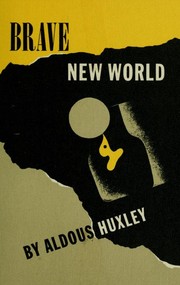
A novel of a future world where people are bred in hatcheries into contented castes.
“But alongside Orwell's dark vision, there was this other slightly older and less well known but equally chilling vision of Huxley's Brave New World.” — Tristan Harris
Source: The Tim Ferriss Show Transcripts: Tristan Harris — Fighting Skynet and Firewalling Attention (#387)
Recommended by: Matt Mullenweg, Stewart Brand and 3 others
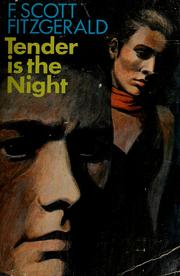
A psychiatrist marries his wealthy patient, and the marriage destroys him.
Recommended by: Patrick Collison, Bob Iger
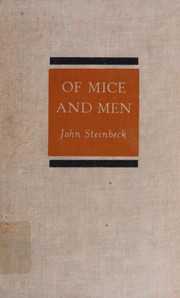
Two migrant ranch workers look for work in California in the Great Depression.
Recommended by: Mohnish Pabrai, Sophie Bakalar
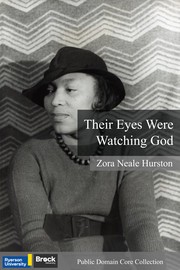
Janie Crawford tells the story of her life, from a naive teenager onward.
Recommended by: Gaby Goldberg, Michelle Obama, Oprah Winfrey
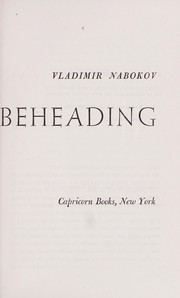
A surreal novel of a man sentenced to death by beheading for "gnostical turpitude".
Recommended by: Mohnish Pabrai
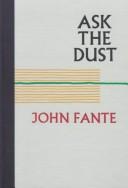
A novel of a struggling young writer in a cheap Los Angeles hotel.
Recommended by: Patrick O'Shaughnessy
A novel of an Austro-Hungarian army officer and the cost of his sympathy.
Recommended by: Antonio García Martínez
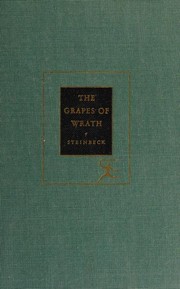
A family of Oklahoma sharecroppers, driven from their land by drought and poverty.
Recommended by: Jim Collins, Mohnish Pabrai
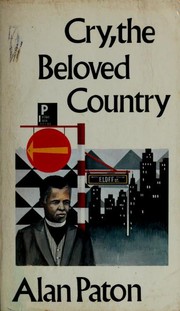
A Zulu pastor and his son in a South Africa divided by racial injustice.
Recommended by: Melinda Gates, Oprah Winfrey
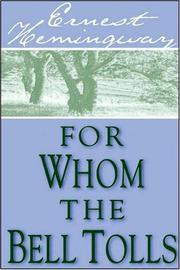
A novel of an American with Spanish guerrillas sent to blow up a bridge.
Recommended by: Jim Collins, Mohnish Pabrai, Nat Eliason and 2 others
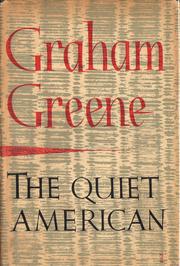
A British journalist, his mistress and an American idealist in French Indochina.
Recommended by: Richard Branson
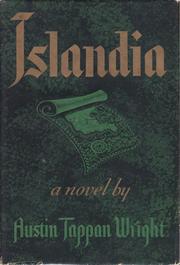
A novel of an imaginary country, from thousands of pages a legal scholar left.
Recommended by: Tim O’Reilly
The first novel of its author's cycle on the absurd.
Recommended by: Guy Proops
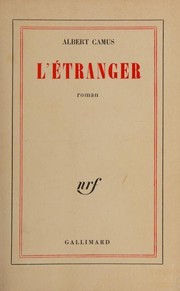
A philosophical novel of the absurd about a man who commits a murder.
Recommended by: Mohnish Pabrai, Gaby Goldberg
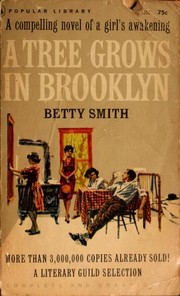
A young girl comes of age in Brooklyn at the turn of the century.
Recommended by: Mohnish Pabrai
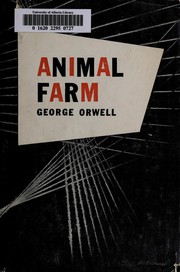
A satire in which animals stage a revolution that ends in power and corruption.
“My first step toward understanding the workings of the various economic systems came in junior high school in the late 1950s, when I read George Orwell’s Animal Farm.” — Howard Marks
Source: Shall We Repeal the Laws of Economics?
Recommended by: David Perell, Howard Marks, Sahil Lavingia and 2 others
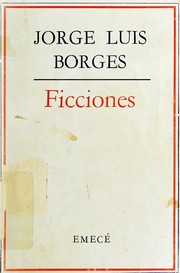
Short stories that use the labyrinth to explore ideas about human life.
“His short story collection Ficciones, or Labyrinths, is amazing. Borges is probably still the most powerful author I have read who wasn't just outright writing philosophy.” — Naval Ravikant
Source: Naval's Recommended Reading — The Almanack of Naval Ravikant
Recommended by: Naval Ravikant
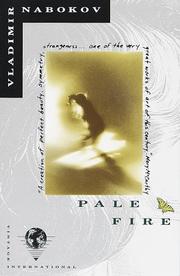
A novel built around a 999-line poem a fictional poet wrote in his last 20 days.
Recommended by: Mario Gabriele
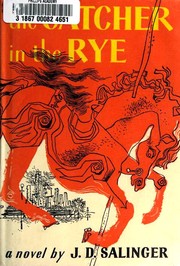
A novel of a sixteen-year-old's days alone in New York after his school expels him.
Recommended by: Mohnish Pabrai, Ryan Holiday, Bill Gates and 2 others
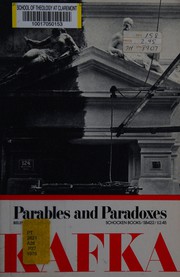
Short parables and paradoxes from Kafka's fiction and letters, in German and English.
Recommended by: Ricardo Semler
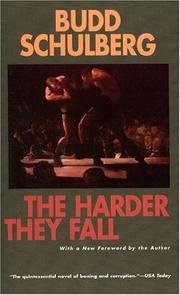
A novel that exposes the corrupt business of professional boxing.
Recommended by: Ryan Holiday

Port and Kit, a sophisticated American couple, on the edge of an alien world.
Recommended by: Raoul Pal
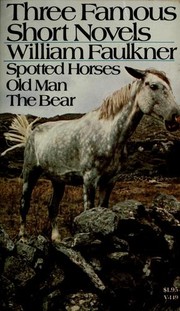
Three short novels, among them a comic account of a horse auction.
Recommended by: Patrick Collison
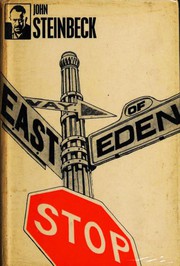
A historical family novel of love, depravity and the struggle for acceptance.
Recommended by: Andrew Wilkinson, Mohnish Pabrai and 2 others
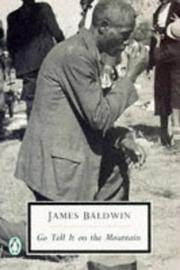
A semi-autobiographical novel of a fourteen-year-old boy and his family in Harlem.
Recommended by: Mohnish Pabrai
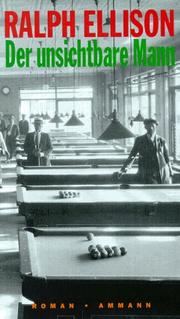
A young black man from the South, expelled from college, learns how racism works.
Recommended by: Mohnish Pabrai, Ryan Holiday and 1 other
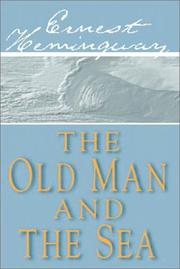
An old fisherman, a boy and a giant fish in the Gulf Stream off Havana.
Recommended by: Jim Collins, Mohnish Pabrai, Jack Dorsey
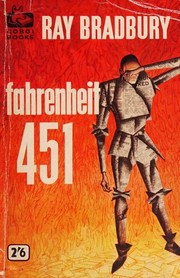
A future America where books are banned and firemen burn any they find.
“Like many public school kids, I was assigned Ray Bradbury's Fahrenheit 451 in high school. I remembered the book as a warning against totalitarian censorship by the government.” — Ryan Holiday
Source: This Is Why We Opened A Banned Books Library (In Rural Texas) - RyanHoliday.net
Recommended by: Mohnish Pabrai, Ryan Holiday, Nir Eyal
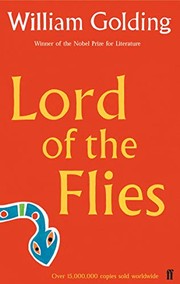
A novel of schoolboys stranded on an island whose self-rule collapses into violence.
Recommended by: Mohnish Pabrai, Alexey Moiseenkov, Elon Musk and 2 others
Short stories, among them the celebrated title story.
Recommended by: Sophie Bakalar
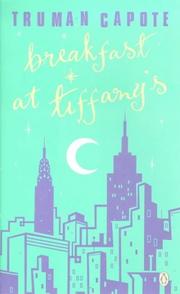
A novella of a friendship between New York neighbours, with three short stories.
Recommended by: Rick Baker
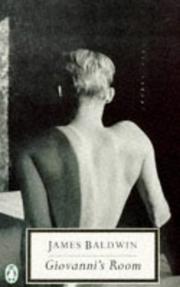
A novel of a young American in Paris torn between his girlfriend and Giovanni.
Recommended by: Mario Gabriele
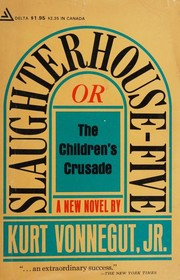
An anti-war novel: Billy Pilgrim moves through time around the bombing of Dresden.
Recommended by: Alexis Ohanian, Joel Connolly and 2 others
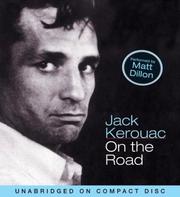
Young writer friends wander from coast to coast in search of whatever they find.
Recommended by: Ev Williams
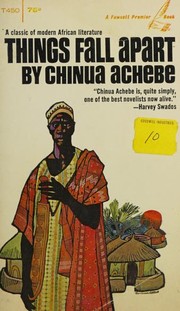
Pre-colonial life in southeastern Nigeria, and the arrival of Europeans.
Recommended by: Diana Kimball, Guy Proops and 2 others
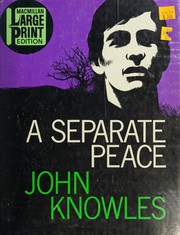
A man recalls a wartime year at a New Hampshire boarding school with his best friend.
Recommended by: Bill Gates
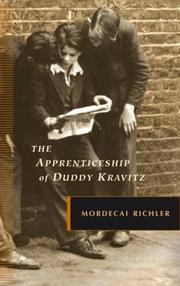
A satire of a poor Jewish boy in Montreal who will do anything to own land.
Recommended by: Ryan Holiday
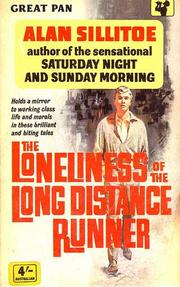
Stories, among them a poor boy in borstal who takes up long-distance running.
Recommended by: Patrick Collison
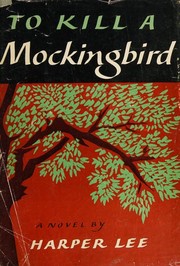
A novel of racial injustice and mob anger in a segregated Southern town.
Recommended by: Jim Collins, Mohnish Pabrai, Shane Parrish and 1 other
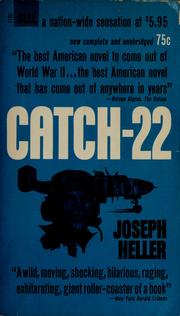
A satirical novel of the Second World War that moves from hilarity to horror.
Recommended by: Jim Collins, Sophie Bakalar
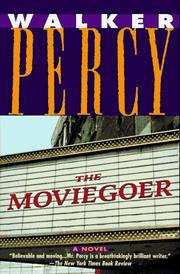
A man gives up his dreamworld as Kate struggles to keep her sanity.
Recommended by: Ryan Holiday
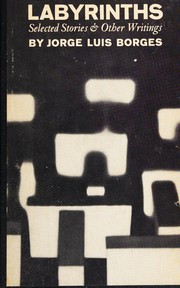
A collection of short stories and essays.
“I think the best book of his to start with is Labyrinths. And it's so much about the internet.” — Caterina Fake
Source: The Tim Ferriss Show Transcripts: Caterina Fake (#360)
Recommended by: Caterina Fake, Patrick Collison and 1 other
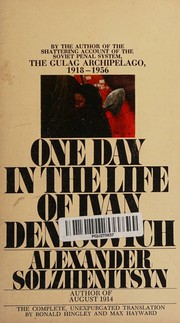
One day of a prisoner in a Soviet Gulag labour camp, and the suffering it holds.
Recommended by: Mohnish Pabrai
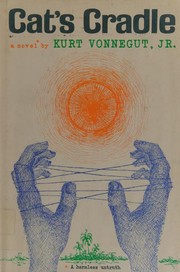
An apocalyptic satire of modern man and his madness, with an invented religion.
Recommended by: Mohnish Pabrai, Nat Eliason, Ev Williams
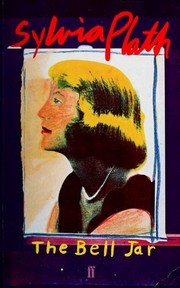
A talented young woman's descent into mental illness.
Recommended by: Mohnish Pabrai
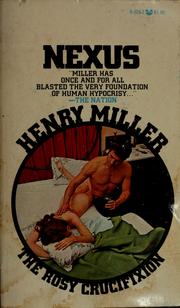
The last of a trilogy, centred on a man's life with his second wife, Mona.
Recommended by: Naval Ravikant
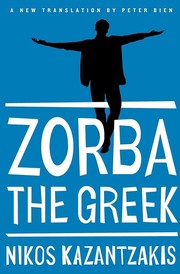
A bookish narrator and Zorba, a zestful Greek working man, on Crete.
“It doesn't have to be the best. But for instance, Zorba the Greek, I think, is a standout for me.” — Tim Ferriss
Recommended by: Naval Ravikant, Tim Ferriss
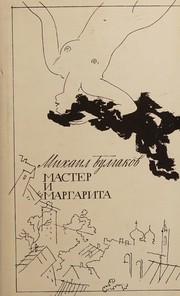
A novel in which the devil, as Professor Woland, brings chaos to Soviet Moscow.
Recommended by: Patrick Collison, Alexey Moiseenkov and 3 others
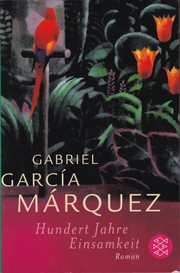
A magic realist novel of a family and its imaginary town, Macondo.
Recommended by: Mohnish Pabrai, Richard Branson, Fred Wilson and 1 other
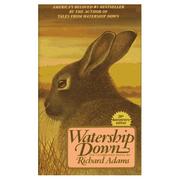
A group of wild rabbits struggles to find and hold a new home.
Recommended by: Mohnish Pabrai
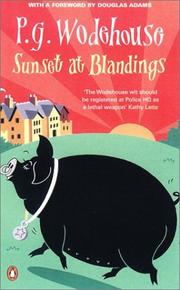
The last, unfinished Blandings Castle novel, with the author's notes for its end.
Recommended by: Paul Graham

A short story that holds most of its author's philosophical preoccupations.
Recommended by: Naval Ravikant
Short stories of the American Civil War, An Occurrence at Owl Creek Bridge too.
Recommended by: Ryan Holiday
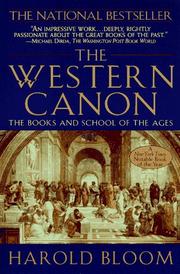
Twenty-six authors at the centre of Western literature, and a case against ideology.
Recommended by: Stewart Brand
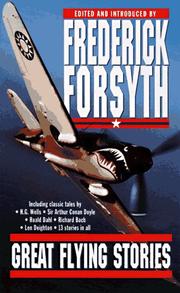
Short stories about flying by writers from H. G. Wells and Conan Doyle to Ballard.
Recommended by: Mohnish Pabrai
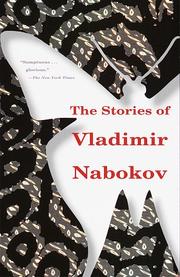
Every short story the writer wrote, from his exile in the 1920s to the 1950s.
Recommended by: Safi Bahcall
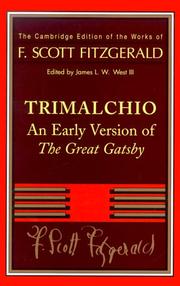
An early, complete version of The Great Gatsby.
Recommended by: Alex and Books
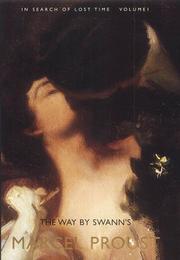
A narrator recalls his childhood and his adult life in high society.
Recommended by: Frank Blake, Nassim Nicholas Taleb and 1 other
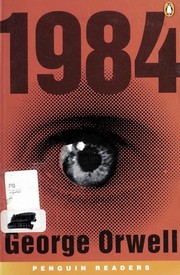
A novel of a clerk who rewrites history under a totalitarian state that watches all.
Recommended by: David Perell, Richard Branson and 7 others
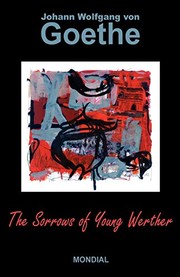
A young artist's letters about his unrequited love and his passionate inner life.
Recommended by: Ryan Holiday, Ed Cooke
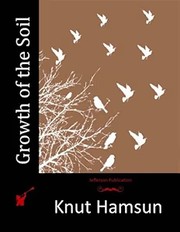
A novel of farming life in Norway, called its author's Book of Genesis.
Recommended by: Caterina Fake
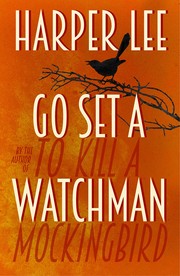
Scout Finch, aged twenty-six, returns home to Alabama to visit her father.
Recommended by: Patrick Collison
A narrator's memories of the town of Combray, released by a madeleine dipped in tea.
Recommended by: Susan J. Fowler
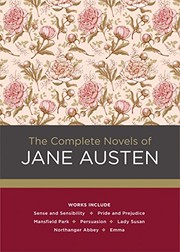
All the novels, from Northanger Abbey to Persuasion, in one volume.
Recommended by: Paul Graham
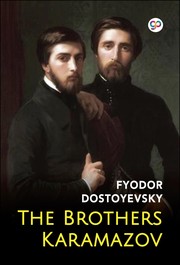
A father and his sons in a Russian town: lust, greed, love, jealousy and faith.
Recommended by: Susan J. Fowler
A novel setting Anna's ruinous affair against Levin's search for how to live.
Recommended by: Nat Eliason, Austen Allred, Laura R Walker and 5 others

All of the writer's fiction, newly translated into English, in a single volume.
Recommended by: Patrick Collison
Thirty of the best tales from the major periods of a master of the short story.
Recommended by: Eric Weinstein
A mathematician's notes on a satire set in a two-dimensional world.
Recommended by: Bryan Johnson
A "factless autobiography" of fragments credited to a Lisbon clerk, Bernardo Soares.
Recommended by: Patrick Collison
A humorist's novels and stories, Jeeves and Wooster among them.
Recommended by: Paul Graham
Walden, Civil Disobedience, the travel books, poems and essays in one volume.
Recommended by: Ricardo Semler
A self-styled 'judge-penitent' confesses his life to a stranger in Amsterdam.
Recommended by: Sam Altman
A story of a library that holds all knowledge, an allegory of the universe.
Recommended by: Naval Ravikant
Four sisters in Osaka before the war try to keep a vanishing way of life.
Recommended by: Mohnish Pabrai
A pilot scarred by the First World War searches for transcendent meaning in life.
Recommended by: Patrick O'Shaughnessy, Nassim Nicholas Taleb

 Mohnish Pabrairecommends 30 books here
 Patrick Collisonrecommends 16 books here
 Jim Collinsrecommends 13 books here
 Ryan Holidayrecommends 9 books here
 Naval Ravikantrecommends 7 books here
 Oprah Winfreyrecommends 7 books here
 Tim O’Reillyrecommends 7 books here
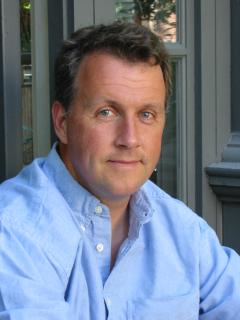 Paul Grahamrecommends 6 books here
 Ev Williamsrecommends 6 books here
 Nat Eliasonrecommends 6 books here
Show all 74
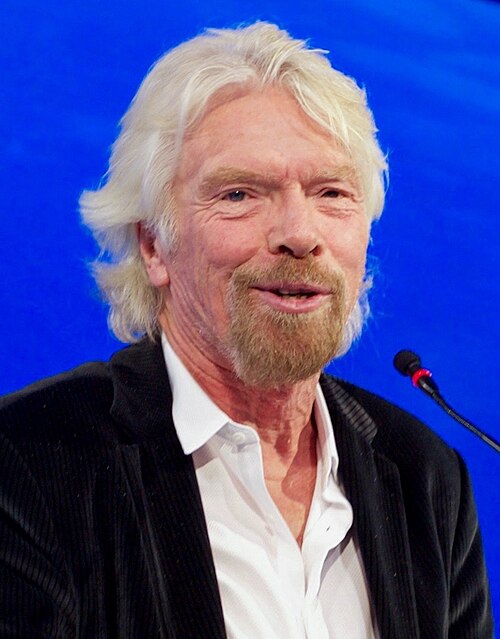 Richard Bransonrecommends 6 books here
 Susan J. Fowlerrecommends 5 books here
 Peter Thielrecommends 4 books here
 Tyler Cowenrecommends 4 books here
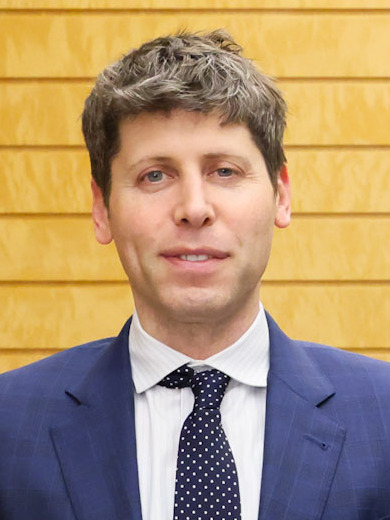 Sam Altmanrecommends 4 books here
 Bill Gatesrecommends 3 books here
 Caterina Fakerecommends 3 books here
 Nassim Nicholas Talebrecommends 2 books here
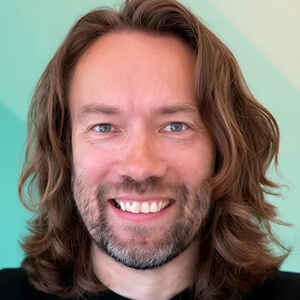 David Heinemeier Hanssonrecommends 2 books here
 Bryan Johnsonrecommends 2 books here
 David Kadavyrecommends 2 books here
 Fred Wilsonrecommends 2 books here
 Gaby Goldbergrecommends 2 books here
 Jack Dorseyrecommends 2 books here
 Jacqueline Novogratzrecommends 2 books here
 Joel Connollyrecommends 2 books here
 Matt Mullenwegrecommends 2 books here
 Stewart Brandrecommends 2 books here
 Tristan Harrisrecommends 2 books here
 Howard Marksrecommends 1 book here
 Michael Mauboussinrecommends 1 book here
 Francois Rochonrecommends 1 book here
 Safi Bahcallrecommends 1 book here
 Alexis Ohanianrecommends 1 book here
 Antonio García Martínezrecommends 1 book here
 Audrey Gelmanrecommends 1 book here
 Balaji S. Srinivasanrecommends 1 book here
 Bob Igerrecommends 1 book here
 Diana Kimballrecommends 1 book here
 Ed Cookerecommends 1 book here
 Elon Muskrecommends 1 book here
 Eric Weinsteinrecommends 1 book here
 Jessica Livingstonrecommends 1 book here
 Kara Swisherrecommends 1 book here
 Laura R Walkerrecommends 1 book here
 Mark Zuckerbergrecommends 1 book here
 Max Levchinrecommends 1 book here
 Meg Whitmanrecommends 1 book here
 Melinda Gatesrecommends 1 book here
 Michelle Obamarecommends 1 book here
 Mike Maples, Jr.recommends 1 book here
 Nir Eyalrecommends 1 book here
 Raoul Palrecommends 1 book here
 Rick Bakerrecommends 1 book here
 Scott Belskyrecommends 1 book here
 Steve Jobsrecommends 1 book here
 Tim Ferrissrecommends 1 book here
 Vlad Tenevrecommends 1 book here