Cyberpunk, near future and dystopias
Novels about networks, artificial intelligence, uploaded minds, biotechnology and the societies of the coming decades, from Gibson and Stephenson to Atwood and Robinson.
Start here
- AccelerandoCharles Stross, 1900
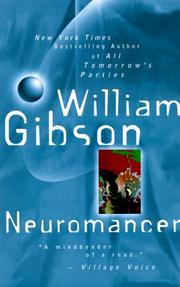
- NeuromancerWilliam Gibson, 1984
- The Handmaid's TaleMargaret Atwood, 1985
- Across RealtimeVernor Vinge, 1986
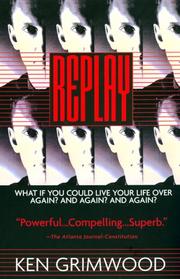
- ReplayKen Grimwood, 1986

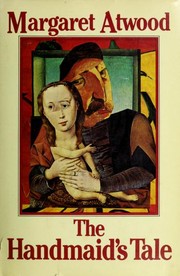
A dystopian novel set in Gilead, a patriarchal theocracy in near-future New England.
Recommended by: Patrick Collison, Samantha Wong

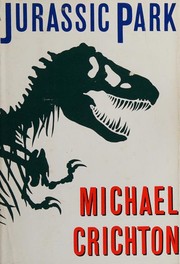
Recommended by: Richard Branson, Jordan Hughes
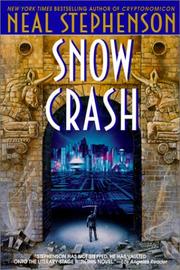
A novel of a hacker in a corporate-run America and its virtual world, the Metaverse.
Recommended by: Nat Eliason, Naval Ravikant, Alexis Ohanian and 12 others
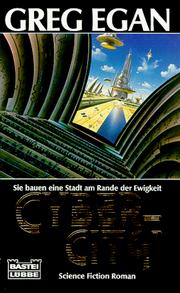
Recommended by: Matt Mullenweg, Naval Ravikant
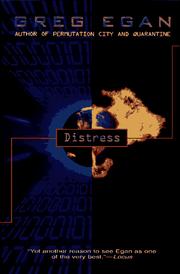

A novel of a nanotech future and a stolen copy of an interactive teaching book.
Recommended by: Andrew Chen, Bill Gurley, Ev Williams and 2 others


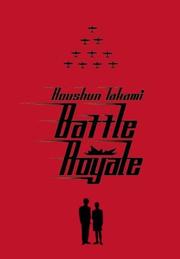
Recommended by: Patrick Collison
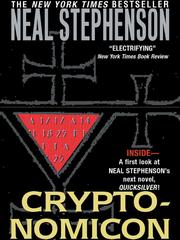
A novel of wartime codebreakers and their descendants building a data haven.
Recommended by: Ev Williams, Marc Andreessen, Peter Thiel and 1 other
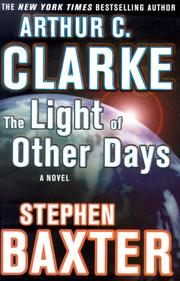
Recommended by: David Friedberg

Recommended by: Marc Andreessen, Ryan Shea, Zooko Wilcox

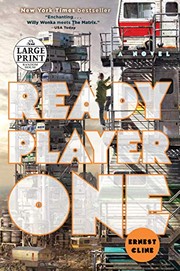
A novel of a teenager hunting 1980s-themed puzzles in a virtual world for a fortune.
Recommended by: Andrew Wilkinson, Astro Teller and 7 others

A thriller about a computer program that runs on after its creator's death.
Recommended by: Balaji S. Srinivasan, Alexis Ohanian and 2 others

Recommended by: Patrick Collison
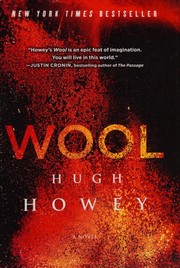



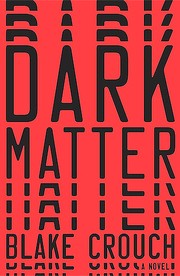
A woman at Burning Man is pulled into unravelling a sinister mystery at its heart.
Recommended by: Brad Feld


Recommended by: Zoë Foster Blake

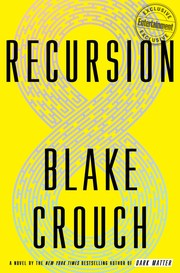

Recommended by: Guy Kawasaki, Zoë Foster Blake

Recommended by: Zoë Foster Blake
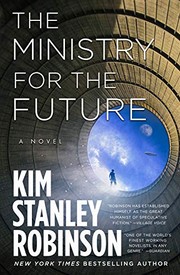
Recommended by: Bill Gates


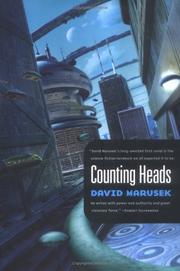


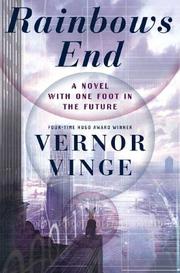
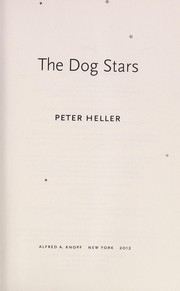
A poet cured of Alzheimer's wakes in 2025 San Diego to a world of smart lenses.
Recommended by: Marc Andreessen



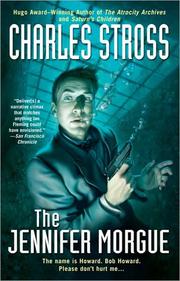



 Marc Andreessenrecommends 21 books here
 Naval Ravikantrecommends 7 books here
 Ev Williamsrecommends 5 books here
 Patrick Collisonrecommends 5 books here
 Brad Feldrecommends 4 books here
 Tim Ferrissrecommends 3 books here
 Zoë Foster Blakerecommends 3 books here
 Peter Thielrecommends 2 books here
 Alexis Ohanianrecommends 2 books here
 Bill Gatesrecommends 2 books here
Show all 51
 Matt Mullenwegrecommends 2 books here
 Mohnish Pabrairecommends 1 book here
 Reid Hoffmanrecommends 1 book here
 Guy Kawasakirecommends 1 book here
 Astro Tellerrecommends 1 book here
 Balaji S. Srinivasanrecommends 1 book here
 Bertalan Meskórecommends 1 book here
 Bill Gurleyrecommends 1 book here
 Bret Victorrecommends 1 book here
 Brian Armstrongrecommends 1 book here
 Casey Neistatrecommends 1 book here
 David Friedbergrecommends 1 book here
 Elon Muskrecommends 1 book here
 Emmett Shearrecommends 1 book here
 Eric Weinsteinrecommends 1 book here
 Fred Wilsonrecommends 1 book here
 Larry Pagerecommends 1 book here
 Melinda Gatesrecommends 1 book here
 Richard Bransonrecommends 1 book here
 Sergey Brinrecommends 1 book here
 Steve Jurvetsonrecommends 1 book here
 Stewart Brandrecommends 1 book here
 Tobi Lütkerecommends 1 book here
 Zooko Wilcoxrecommends 1 book here