
Survivorship Bias
Records are kept by the survivors, so any base rate built from what you can see is biased upward. Fund track records, founder advice and back-tested strategies all suffer from it, because the failures left no trace to count. The fix is to reconstruct the full starting cohort before drawing any conclusion about what works.
Start here
- How to Lie with StatisticsDarrell Huff, 1954
- The Halo EffectPhil Rosenzweig, 2007
- Fooled by RandomnessNassim Nicholas Taleb, 2001
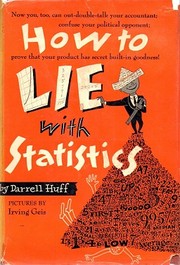
How biased samples, chosen averages and cut-off chart axes make numbers mislead.
Recommended by: Bill Gates, Mohnish Pabrai, Morgan Housel and 6 others
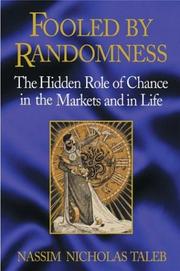
Why people mistake luck for skill, above all in markets.
“Fooled by Randomness is a serious, intellectually sophisticated book, well worth reading carefully. At times, the book is condescending. Nevertheless, there are some great insights.” — Barton Biggs
Source: Biggs on a sophisticated book worth reading carefully
Recommended by: Barton Biggs, Michael Mauboussin and 11 others
Rare, unforeseen, high-impact events drive history, explained only after the fact.
“The message of The Black Swan is how important it is to realize that the things everyone rules out can still come to pass.” — Howard Marks
Source: Oaktree memo 'The Limits to Negativism'
Recommended by: Howard Marks, Marc Andreessen, Nat Eliason and 18 others
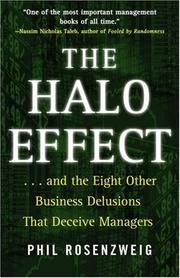
How judging firms by their results corrupts most business research and advice.
“Phil Rosenzweig's must-read book, The Halo Effect, shows this idea is alive and well in the business world.” — Michael Mauboussin
Source: Was Harry Potter Inevitable? Cumulative Advantage, Counterfactuals, and the Halo Effect (Legg Mason)
Recommended by: Michael Mauboussin, Ev Williams and 1 other
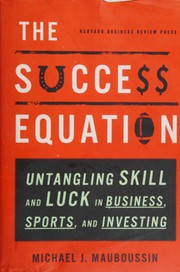
How to separate skill from luck in business, sport and investing.
Recommended by: Mohnish Pabrai, Jessica Livingston and 3 others
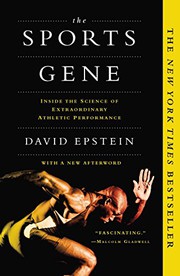
Talent, training and genetics in elite athletic performance
Recommended by: Bill Miller, Mark Cuban, Michael Mauboussin
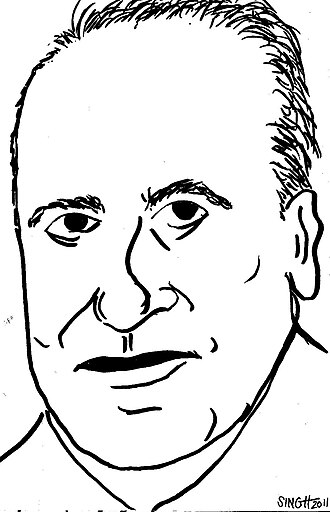 Mohnish Pabrairecommends 3 books here
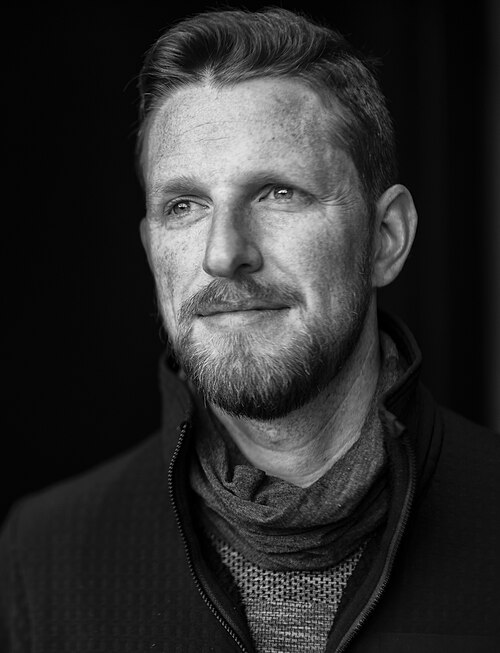 Matt Mullenwegrecommends 3 books here
 Howard Marksrecommends 2 books here
 Ryan Holidayrecommends 2 books here
 Bill Gatesrecommends 2 books here
 Ev Williamsrecommends 2 books here
 James Altucherrecommends 2 books here
 Naval Ravikantrecommends 2 books here
 Patrick Collisonrecommends 2 books here
Show all 37
 Marc Andreessenrecommends 1 book here
 Nassim Nicholas Talebrecommends 1 book here
 Peter Thielrecommends 1 book here
 Tyler Cowenrecommends 1 book here
 Simon Sinekrecommends 1 book here
 Jeff Bezosrecommends 1 book here
 Jessica Livingstonrecommends 1 book here
 Keith Raboisrecommends 1 book here
 Mark Cubanrecommends 1 book here
 Vlad Tenevrecommends 1 book here
- Survivorship Bias: The Tale of Forgotten FailuresShane Parrish · essay · Counting only the winners corrupts every base rate.
- Lucky vs. RepeatableMorgan Housel · essay · Separating skill from luck in a track record.
- Birth, Death, and Wealth CreationMichael J. Mauboussin · paper · Corporate life cycles and where value actually accrues.