
Narrative Fallacy
The mind builds causal stories that fit the facts and then treats the story as evidence, compressing luck and noise into a clean explanation. Markets run on such stories, which is why a business can be repriced entirely on a change of framing. The discipline is to distinguish what happened from why you believe it happened, and to hold the second loosely.
Start here
- Fooled by RandomnessNassim Nicholas Taleb, 2001
- The Halo EffectPhil Rosenzweig, 2007
- Narrative EconomicsRobert J. Shiller, 2019
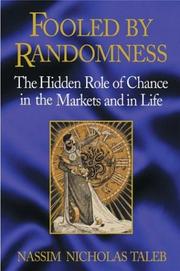
Why people mistake luck for skill, above all in markets.
“Fooled by Randomness is a serious, intellectually sophisticated book, well worth reading carefully. At times, the book is condescending. Nevertheless, there are some great insights.” — Barton Biggs
Source: Biggs on a sophisticated book worth reading carefully
Recommended by: Barton Biggs, Michael Mauboussin and 11 others
Rare, unforeseen, high-impact events drive history, explained only after the fact.
“The message of The Black Swan is how important it is to realize that the things everyone rules out can still come to pass.” — Howard Marks
Source: Oaktree memo 'The Limits to Negativism'
Recommended by: Howard Marks, Marc Andreessen, Nat Eliason and 18 others
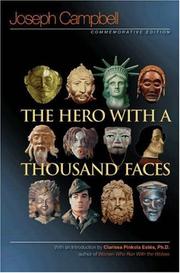
The one pattern of the hero's journey that runs through myths across cultures.
Recommended by: Nat Eliason, Patrick O'Shaughnessy and 2 others
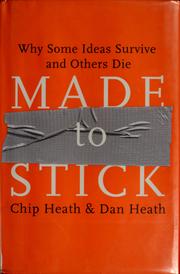
Six traits of memorable ideas, from simple and unexpected to emotional stories.
“…books I've recommended, highlighted to death, or forced on friends.” — Andrew Wilkinson
Source: Andrew Wilkinson's Bookshelf, neverenough.com
Recommended by: Andrew Wilkinson, Mohnish Pabrai and 10 others
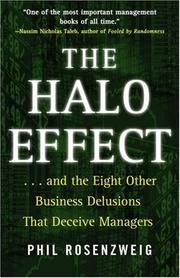
How judging firms by their results corrupts most business research and advice.
“Phil Rosenzweig's must-read book, The Halo Effect, shows this idea is alive and well in the business world.” — Michael Mauboussin
Source: Was Harry Potter Inevitable? Cumulative Advantage, Counterfactuals, and the Halo Effect (Legg Mason)
Recommended by: Michael Mauboussin, Ev Williams and 1 other
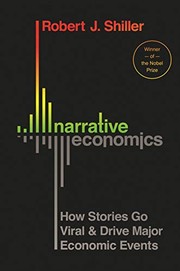
How popular stories spread like epidemics and drive economic events.
Recommended by: Jackie Vullinghs
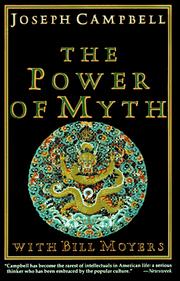
Campbell on the recurring stories cultures tell themselves
Recommended by: Jim Collins, Nat Eliason, David Perell and 3 others
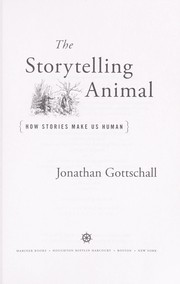
Why humans tell stories: a rehearsal for life's social problems.
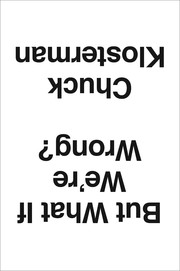
How present certainties will look to the future; outside view applied
“Hard to read and not emerge humbled.” — Marc Andreessen
Source: @pmarca, 'Thread: Books I've recently read and recommend'
Recommended by: Marc Andreessen, Brad Feld, Bryan Johnson and 1 other

 Matt Mullenwegrecommends 3 books here
 Naval Ravikantrecommends 3 books here
 Howard Marksrecommends 2 books here
 Marc Andreessenrecommends 2 books here
 Mohnish Pabrairecommends 2 books here
 Ryan Holidayrecommends 2 books here
 Ev Williamsrecommends 2 books here
 James Altucherrecommends 2 books here
 Jim Collinsrecommends 1 book here
Show all 48
 Nassim Nicholas Talebrecommends 1 book here
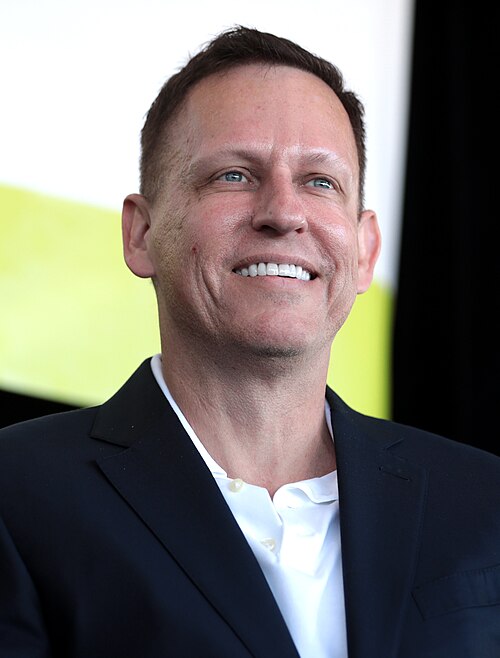 Peter Thielrecommends 1 book here
 Ray Daliorecommends 1 book here
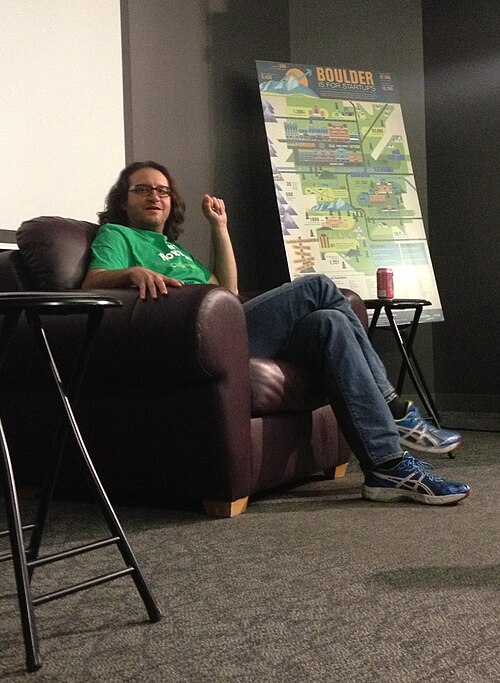 Brad Feldrecommends 1 book here
 Tyler Cowenrecommends 1 book here
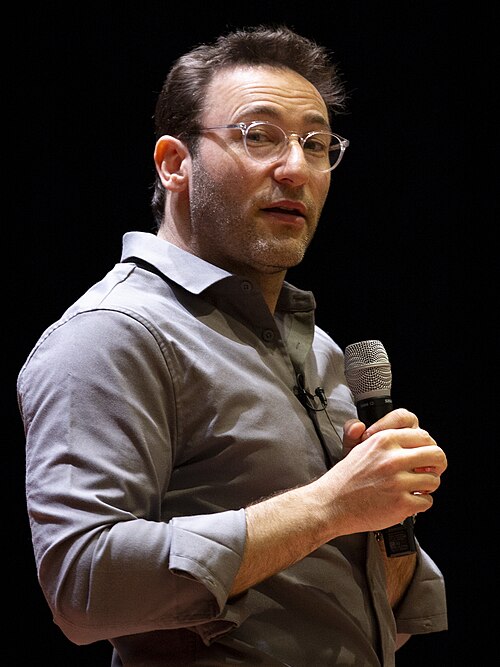 Simon Sinekrecommends 1 book here
 Alfred Linrecommends 1 book here
 Bill Gatesrecommends 1 book here
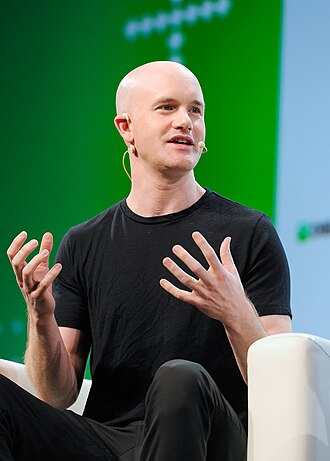 Brian Armstrongrecommends 1 book here
 Bryan Johnsonrecommends 1 book here
 Changpeng Zhaorecommends 1 book here
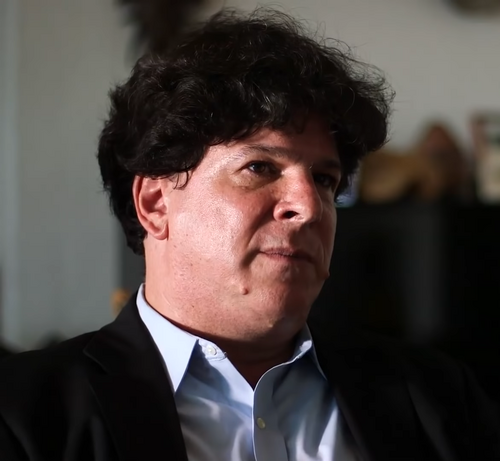 Eric Weinsteinrecommends 1 book here
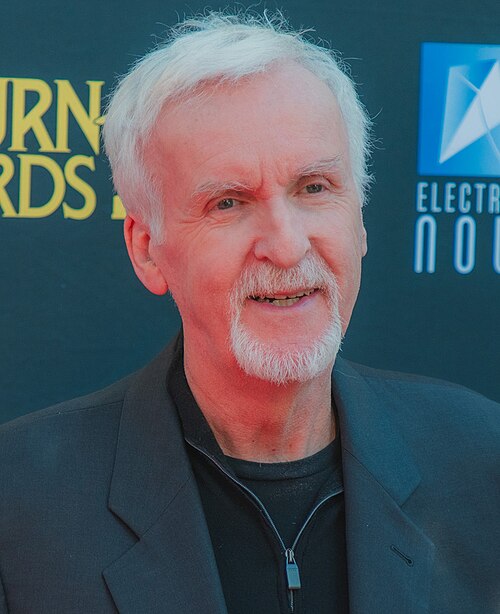 James Cameronrecommends 1 book here
 Jeff Bezosrecommends 1 book here
 Nir Eyalrecommends 1 book here
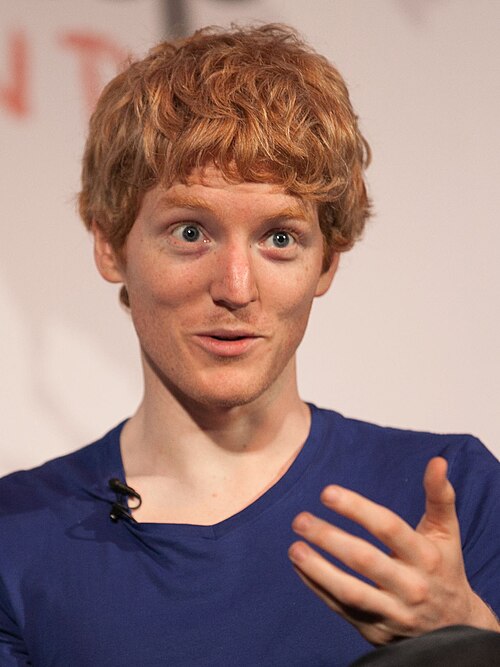 Patrick Collisonrecommends 1 book here
 Tom Bilyeurecommends 1 book here
 Tony Hsiehrecommends 1 book here
 Tristan Harrisrecommends 1 book here
 Vlad Tenevrecommends 1 book here
- The Narrative FallacyShane Parrish · essay · We build causal stories that outrun the evidence.
- The Best Story WinsMorgan Housel · essay · Narrative, not data, moves most capital.
- The Green Lumber FallacyShane Parrish · essay · Knowing the theory is not knowing the trade.
- Why You Believe the Things You DoMorgan Housel · essay · Incentives and experience shape sincere conviction.