Economics for general readers
Introductions and popular books that apply economic reasoning to everyday questions, from Freakonomics and Basic Economics to the economics of art, sport and crime.
Start here
- NarconomicsTom Wainwright, 2016
- RockonomicsAlan B. Krueger, 2019
- The Value of ArtMichael Findlay, 2012
- The Supermodel and the Brillo BoxDon Thompson, 2014
- Basic Economics: A Common Sense Guide to the EconomyThomas Sowell
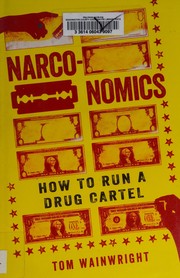
The drug trade as a business: how cartels handle supply chains, staff and branding.
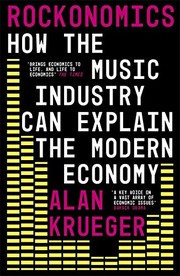
The economics of the music industry, where superstar markets show up in pure form.
A dealer separating commercial, social and intrinsic value.
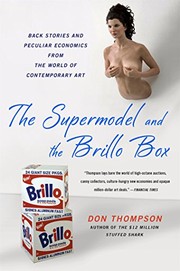
Sequel with more on auction guarantees and price formation.
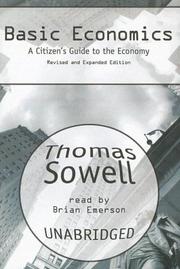
Thomas Sowell's deliberately introductory survey of how prices, incentives, and tradeoffs work across housing, labor, international trade, and discrimination. Dense with empirical examples. Its main contribution to this list is showing the gap between policy intentions and policy consequences.
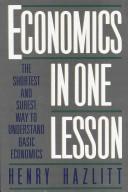
Hazlitt's 1946 distillation of Bastiat's 'broken window' insight: good economic reasoning requires seeing both what is visible and what is made invisible by a policy. A short book that teaches a single analytical habit, and that habit is genuinely useful regardless of your politics.
“I've given dozens of copies of this classic to students... The book should be required reading on every campus.” — Christopher Bloomstran
Source: Semper Augustus 2020 Letter to Clients, 'To Read or Not to Read', p. 57
Recommended by: Christopher Bloomstran, Changpeng Zhao and 3 others
Short essays on unemployment, globalization, growth and financial speculation.
Recommended by: Patrick Collison
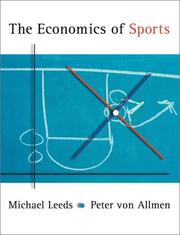
Economics applied to sport: league structure, revenue sharing and team valuation.
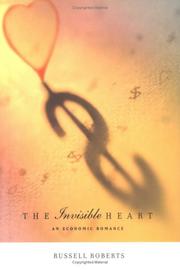
Economics argued through a novel; markets and their moral defence
“there is a book called The Invisible Heart which explains basic economics to most people” — Joel Greenblatt
Source: Masters in Business transcript: Joel Greenblatt (2018)
Recommended by: Joel Greenblatt, Mohnish Pabrai
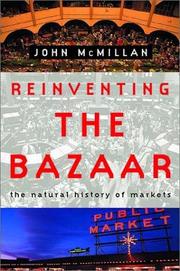
Recommended by: Mohnish Pabrai
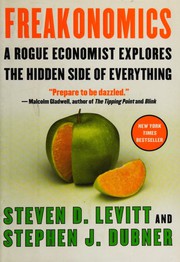
Incentives and data applied to cheating teachers, sumo wrestlers and other puzzles.
Recommended by: Mohnish Pabrai, Andrew Lokenauth and 6 others
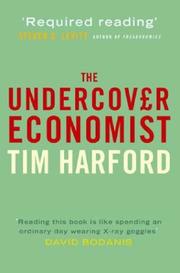
Price theory in daily life: coffee near stations, supermarket tiers and used cars.
Recommended by: Mohnish Pabrai, Naval Ravikant
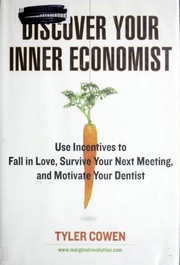
Economics for daily life: motivating people, choosing food, giving to charity.
Recommended by: Graham Duncan
How prices are set in the contemporary art market, from dealers to auction houses.
Recommended by: Tim Ferriss, Diana Kimball, Vinod Khosla
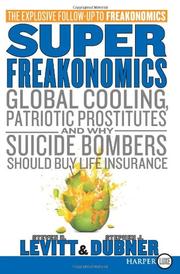
Sequel applying incentive analysis to climate, crime and altruism
“I recommend this book to anyone who reads nonfiction. It is very well written and full of great insights.” — Bill Gates
Source: Gates Notes review of SuperFreakonomics
Recommended by: Bill Gates, Mohnish Pabrai
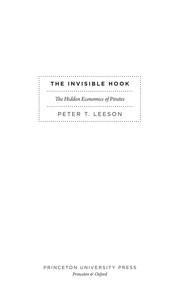
Economics applied to pirates: why they behaved as they did and why they succeeded.
Recommended by: Mohnish Pabrai
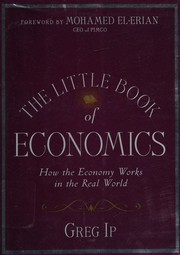
How the US economy really works, explained for lay readers without jargon.
Recommended by: Mohnish Pabrai
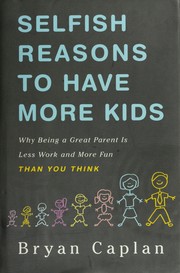
Recommended by: Andrew Wilkinson, Paul Graham
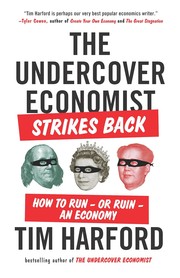
Recommended by: Mohnish Pabrai
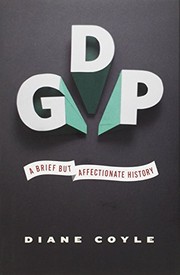
Recommended by: Mohnish Pabrai, Patrick Collison
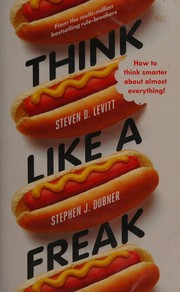
Recommended by: Mohnish Pabrai
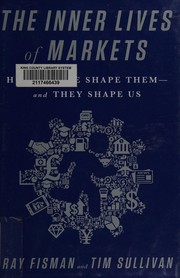
How markets shape everyday choices, such as why healthy people should buy insurance.
Recommended by: Reid Hoffman
 Mohnish Pabrairecommends 10 books here
 Eric Weinsteinrecommends 2 books here
 Naval Ravikantrecommends 2 books here
 Patrick Collisonrecommends 2 books here
 Marc Andreessenrecommends 1 book here
 Paul Grahamrecommends 1 book here
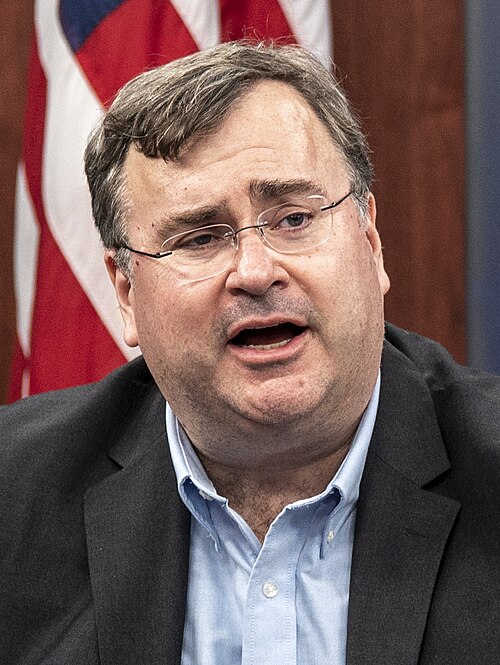 Reid Hoffmanrecommends 1 book here
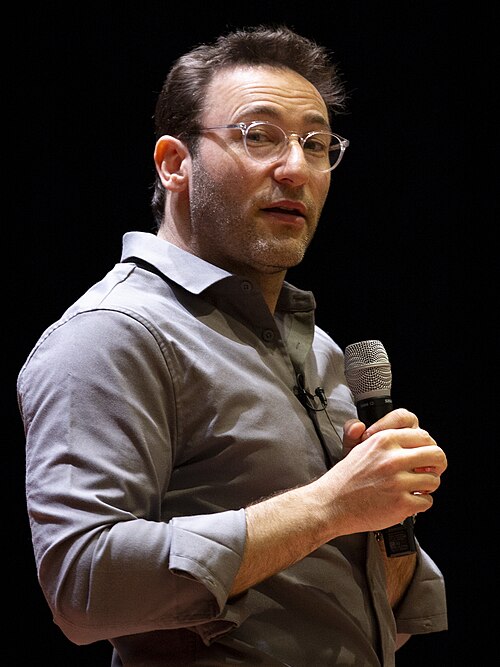 Simon Sinekrecommends 1 book here
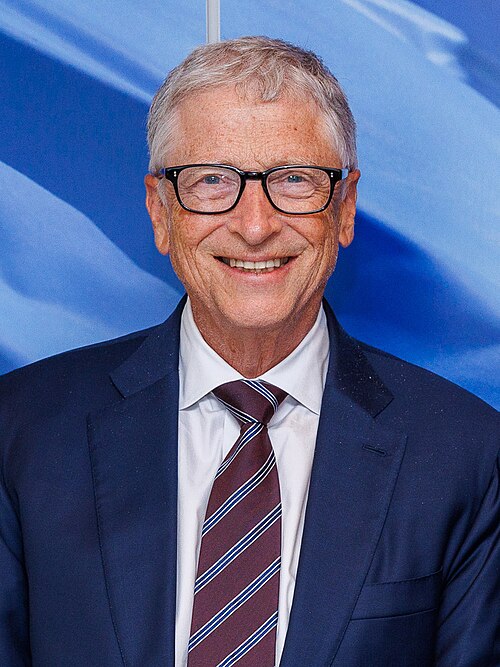 Bill Gatesrecommends 1 book here
Show all 24
 Changpeng Zhaorecommends 1 book here
 Ev Williamsrecommends 1 book here
 James Altucherrecommends 1 book here
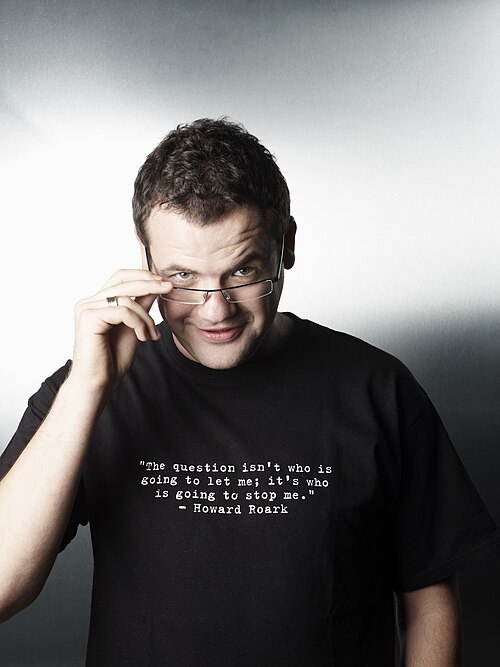 Ruslan Koganrecommends 1 book here
 Ryan Petersonrecommends 1 book here
 Tim Ferrissrecommends 1 book here
 Vinod Khoslarecommends 1 book here