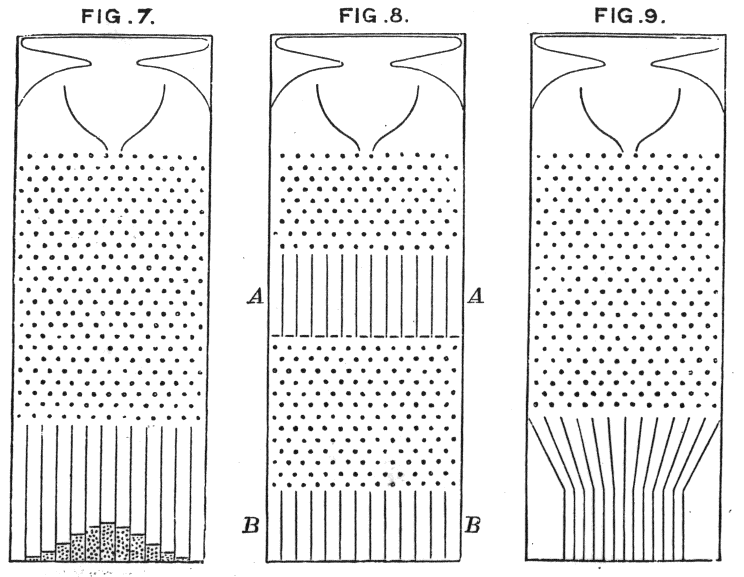
Regression to the Mean
Extreme results are part skill and part luck, and on the next draw the luck component resets, so outliers drift back toward average. Investors apply it by distrusting extrapolation: the fund on a hot streak, the company at record margins and the star analyst are each likelier to get worse than better. Where luck demonstrably drives the extreme, trimming after abnormal goodness is the model executed in one move.
Start here
- The Drunkard's WalkLeonard Mlodinow, 2008
- The Success EquationMichael J. Mauboussin, 2012
- Thinking, Fast and SlowDaniel Kahneman, 2011
How people learned to measure risk, from early probability to portfolio theory.
“I think some of the books that are a must would be Peter Bernstein's book about risk, Against the Gods: The Remarkable Story of Risk.” — Charles de Vaulx
Source: De Vaulx naming Bernstein's book a must-read on risk
Recommended by: Charles de Vaulx, Jim Collins and 8 others

Kahneman's synthesis of behavioral economics is the cognitive science underpinning every negotiation tactic. Anchoring, loss aversion, framing effects, and the planning fallacy — understanding why these biases operate, not just that they exist, makes you harder to exploit and more honest about your own irrationality.
“…books I've recommended, highlighted to death, or forced on friends.” — Andrew Wilkinson
Source: Andrew Wilkinson's Bookshelf, neverenough.com
Recommended by: Andrew Wilkinson, Charles de Vaulx and 32 others

How judging firms by their results corrupts most business research and advice.
“Phil Rosenzweig's must-read book, The Halo Effect, shows this idea is alive and well in the business world.” — Michael Mauboussin
Source: Was Harry Potter Inevitable? Cumulative Advantage, Counterfactuals, and the Halo Effect (Legg Mason)
Recommended by: Michael Mauboussin, Ev Williams and 1 other

How randomness shapes our lives, the history of probability, and why we misread it.
Recommended by: Patrick Collison

How to separate skill from luck in business, sport and investing.
Recommended by: Mohnish Pabrai, Jessica Livingston and 3 others
 Daniel Kahnemanwrote 1 book here
 Mohnish Pabrairecommends 3 books here
 Marc Andreessenrecommends 2 books here
 Ev Williamsrecommends 2 books here
 Charlie Mungerrecommends 1 book here
 Howard Marksrecommends 1 book here
 Jim Collinsrecommends 1 book here
 Nassim Nicholas Talebrecommends 1 book here
 Ray Daliorecommends 1 book here
Show all 44
 Seth Klarmanrecommends 1 book here
 Albert Wengerrecommends 1 book here
 Alfred Linrecommends 1 book here
 Amy Hoodrecommends 1 book here
 Bill Gatesrecommends 1 book here
 Bryan Johnsonrecommends 1 book here
 Daniel Burkarecommends 1 book here
 Jessica Livingstonrecommends 1 book here
 Julie Zhuorecommends 1 book here
 Keith Raboisrecommends 1 book here
 Matt Mullenwegrecommends 1 book here
 Naval Ravikantrecommends 1 book here
 Patrick Collisonrecommends 1 book here
 Ron Conwayrecommends 1 book here
 Sam Altmanrecommends 1 book here
 Satya Nadellarecommends 1 book here
 Stewart Brandrecommends 1 book here
 Tristan Harrisrecommends 1 book here
- Regression to the MeanShane Parrish · essay · Why extremes drift back and forecasters misread it.
- Drawdowns and RecoveriesMichael J. Mauboussin · paper · Base rates for how deep declines end and rebound.
- Common Probability Errors to AvoidShane Parrish · essay · Small samples, base-rate neglect and the gambler's fallacy.
- Lucky vs. RepeatableMorgan Housel · essay · Separating skill from luck in a track record.